- Category
- War in Ukraine
Ukraine Just Set the World Record for the Longest One-Way Drone Strike—Again
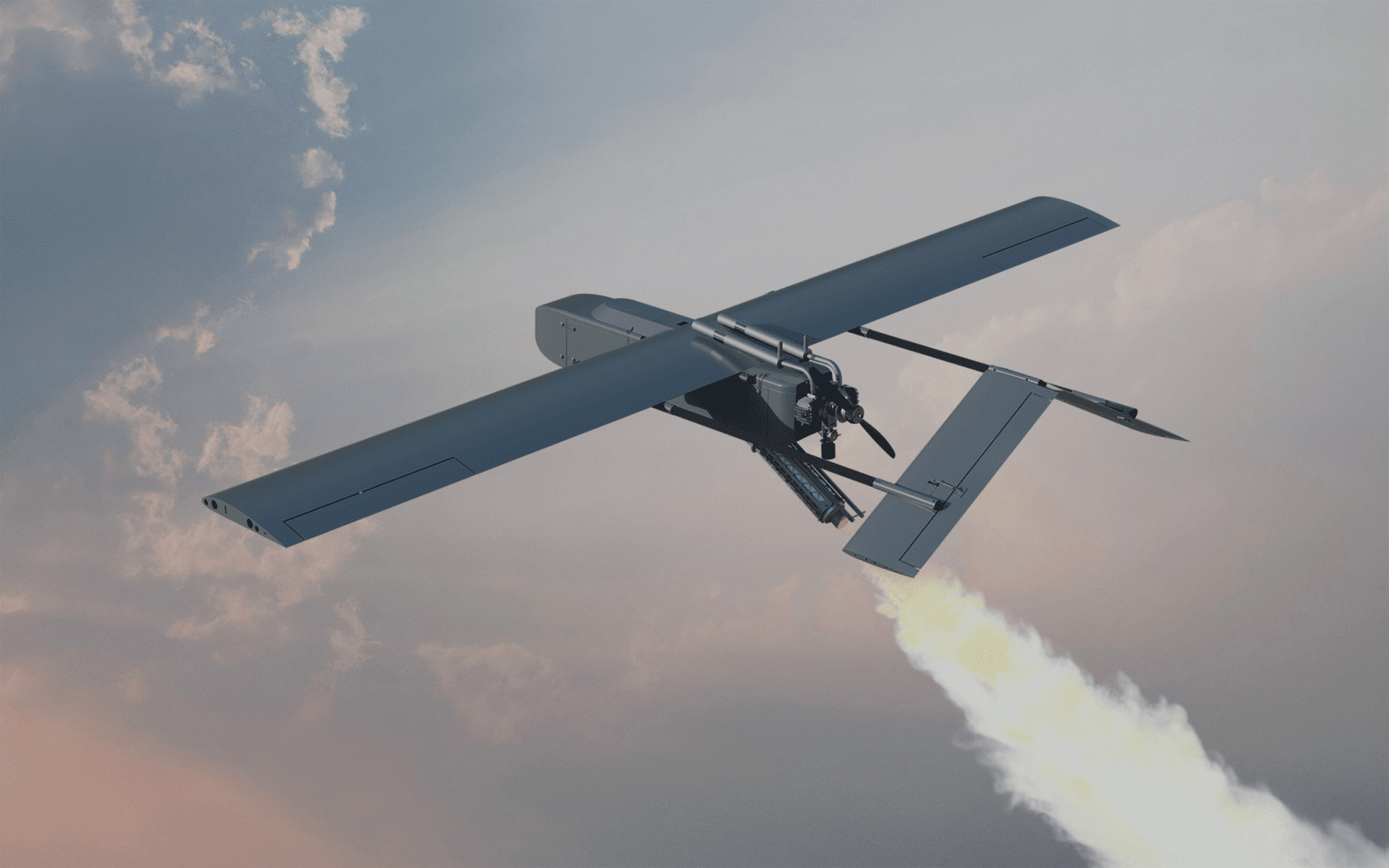
Less than a year after setting the record for the longest one-way drone strike, Ukraine has broken it again. A Ukrainian drone struck Russia’s largest oil refinery—Omsk—roughly 2,500 km from the border. Kyiv’s deep-strike capabilities are evolving.
 Prefer U24 Media on Google
- Authors

-29a1a43aba23f9bb779a1ac8b98d2121.jpeg "Photo of Illia Kabachynskyi")
Ukraine relies heavily on drones for deep strike—hitting Russian factories that produce components for the military-industrial complex, along with military plants, airfields, and ammunition depots. An industry that barely existed three years ago has turned Ukraine into one of the world's leaders in long-range strike drones. The latest proof: the strike that now stands as the longest recorded one-way drone strike of the war.
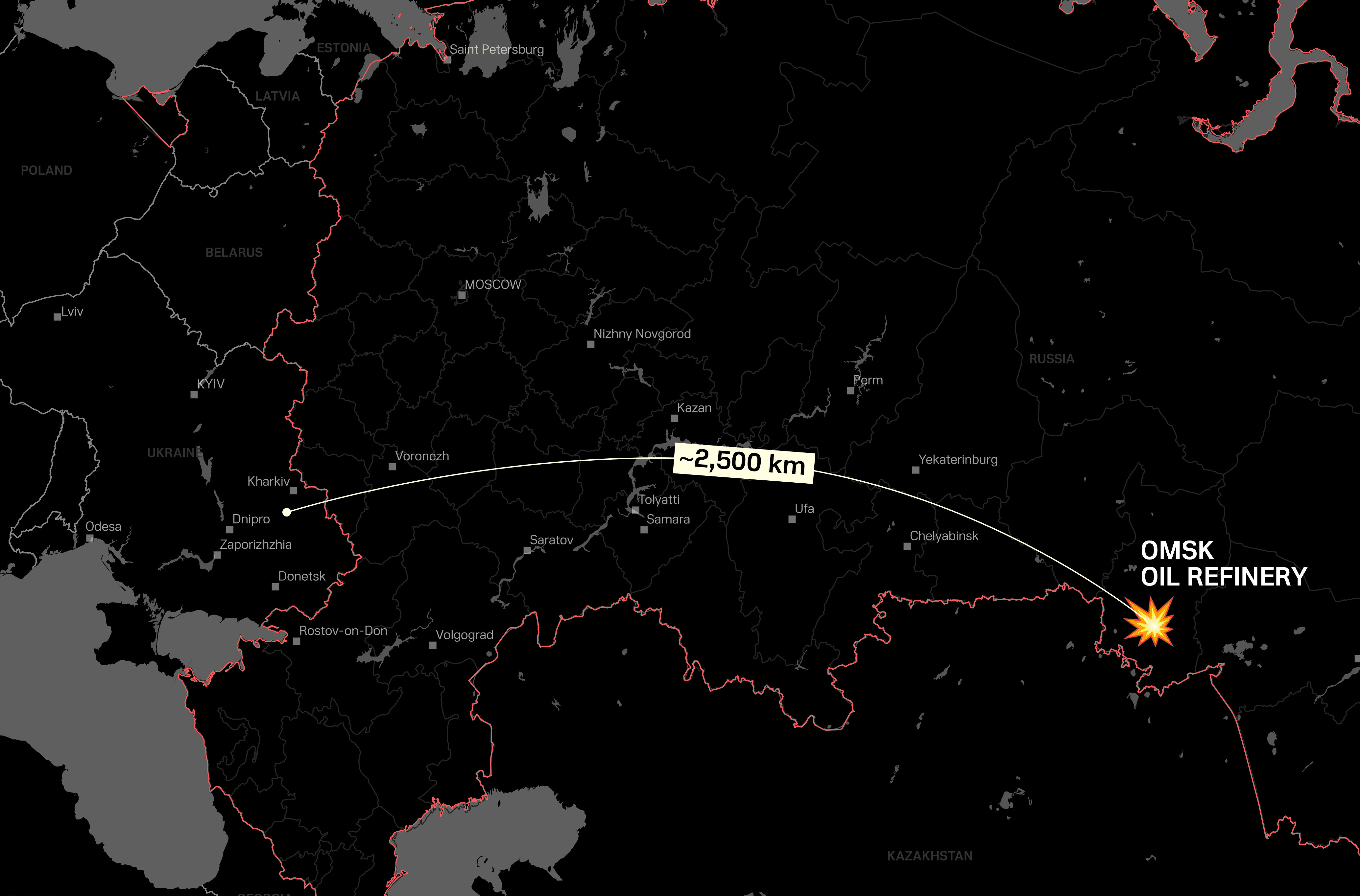
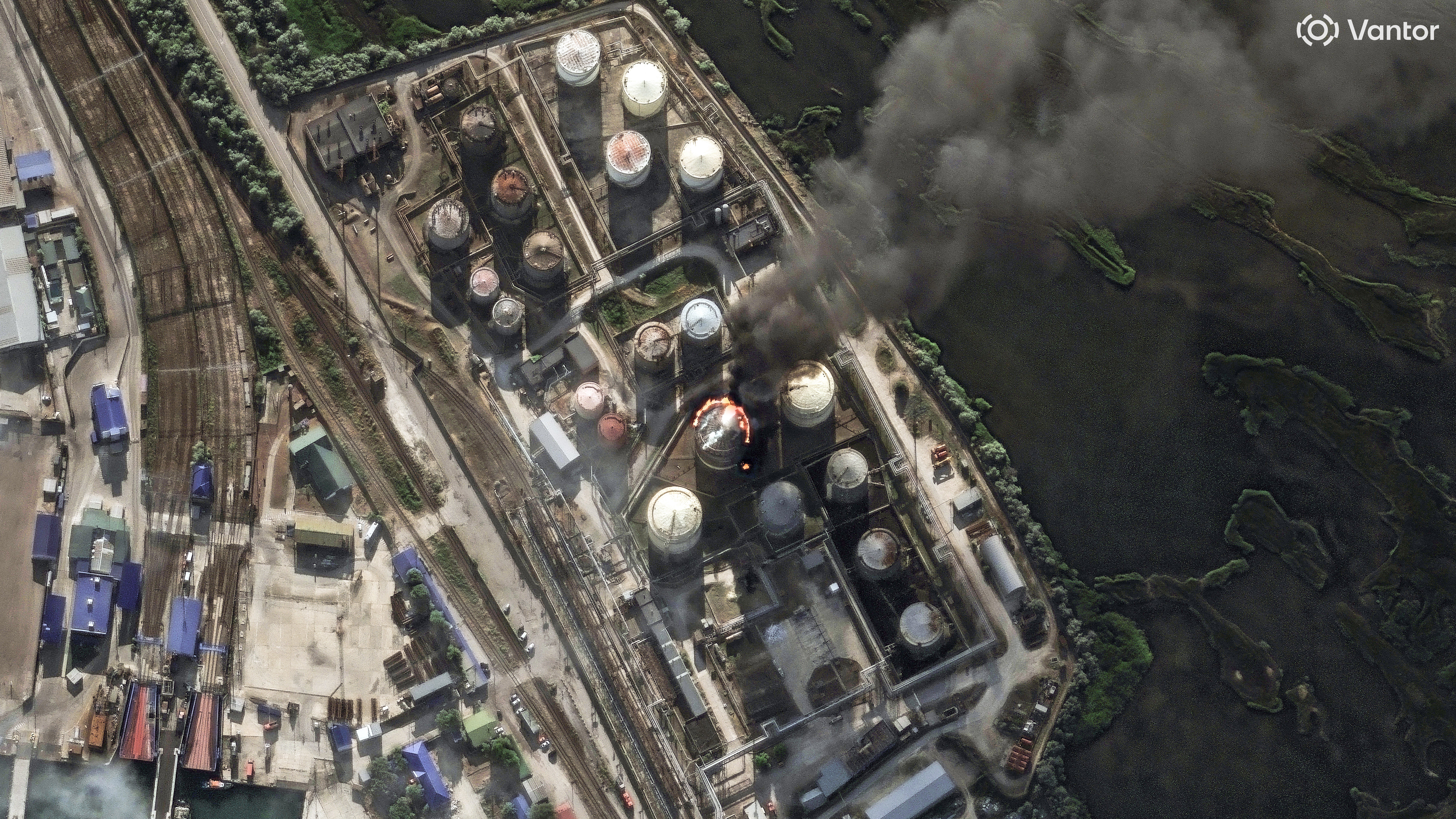
On July 6, Ukrainian forces struck the Omsk refinery, Russia's largest, which sits roughly 2,500 km from the Ukrainian border. Ukrainian drones had never flown that far before. And since the drone wasn't launched from the border itself, and didn't fly a straight line to the target, it likely covered more than 3,000 km in the air—an absolute world record, one that ended with a direct hit on Russia's largest refinery in the middle of a nationwide fuel crisis. It's also a clean illustration of the difference between the two countries' approaches to this war: while Russia fires ballistic missiles at residential buildings in Kyiv, Ukraine uses technology to strip Russia of the resources it needs to keep fighting.
What made Omsk a target
The Omsk refinery is Russia's most powerful, with a processing capacity of around 22 million tons of crude oil per year—roughly 460,000 barrels per day. Ukrainian drones hit the primary distillation unit ELOU-AVT-11, which alone accounts for 8.4 million tons of annual throughput. Reports suggest anywhere from two to seven drones reached the target, triggering a large fire.
Over the past several months, Ukraine has systematically struck Russia’s largest oil refineries, steadily eroding the country’s fuel-processing capacity. Before this attack, Omsk—Russia’s largest refinery—was one of the few major facilities to remain untouched. With the strike on Omsk, only one of Russia’s ten largest refineries—Angarsk, in Siberia—remains unhit. Both Omsk and Angarsk are beyond the Urals.
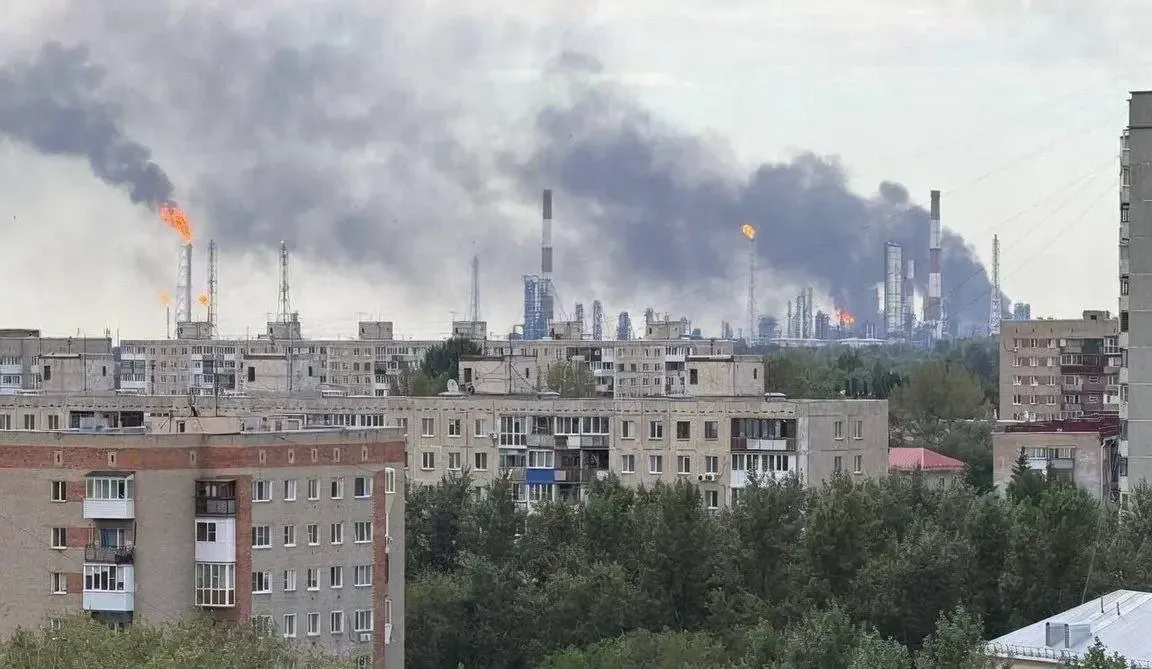
The strike won't shut the refinery down outright, but it will chip away at its processing capacity by a meaningful percentage—and at a moment when Russia is already short on gasoline, even a partial cut matters.
It's also worth remembering that Ukraine has already hit all ten of Russia's largest refineries, some of them more than once. That means it's no longer a single plant waiting for repairs—it's effectively all of them at once, which piles additional pressure on repair crews and on the supply of replacement parts that are hard to source under sanctions.
The drone behind the record
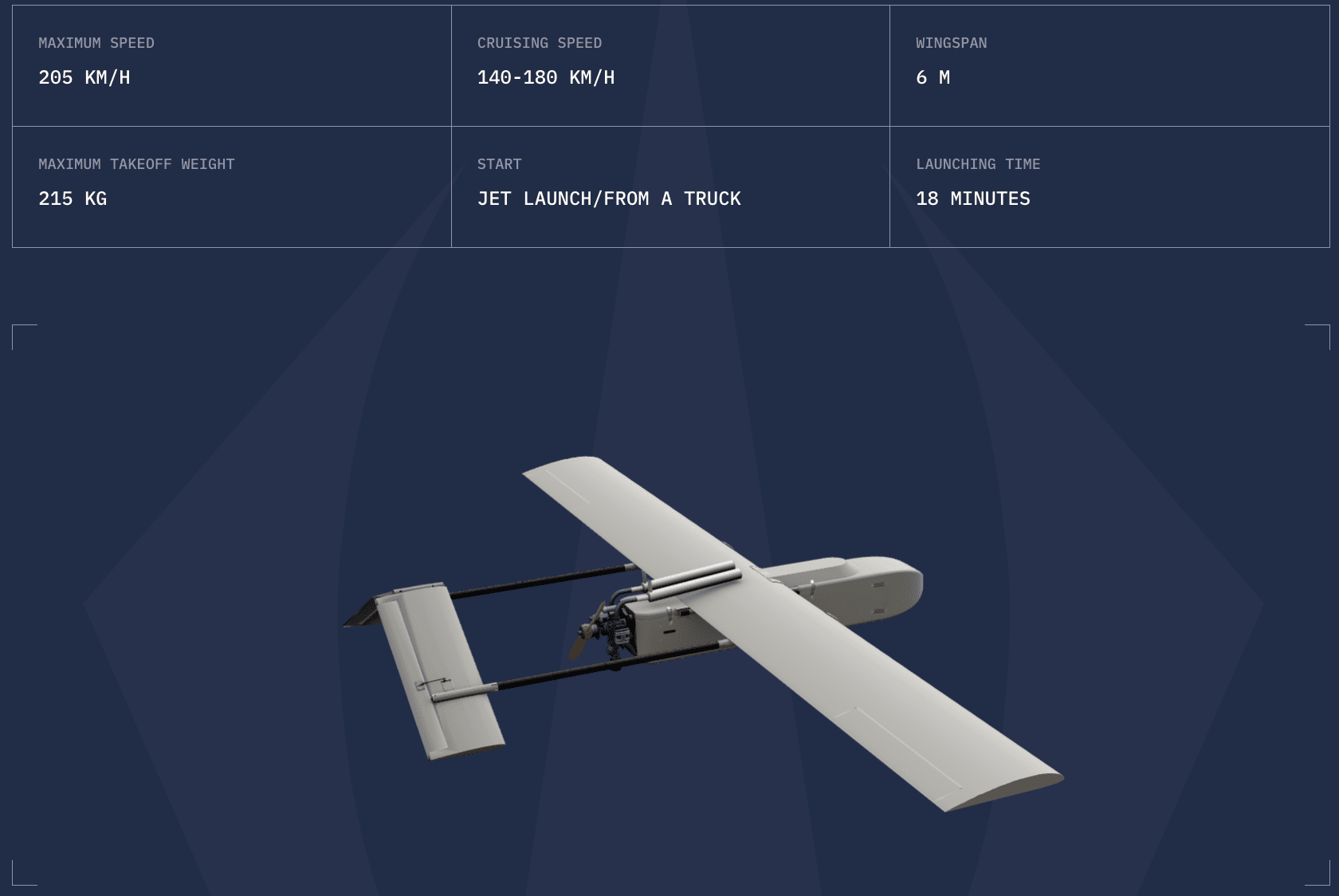
The strike was carried out by a modernized version of the FP-1 drone, built by Ukrainian manufacturer Fire Point.
This upgraded FP-1 is capable of flying up to 3,400 km, a leap from the original model's roughly 1,600 km range, says Denys Shtilerman, Fire Point's co-founder and chief designer. Fire Point had already disclosed a 2,700 km version integrating AI-assisted guidance earlier this year; the Omsk strike appears to have used a further-refined iteration of that airframe.
Beating Ukraine's own previous record
Until Omsk, the longest confirmed one-way drone strike belonged to Ukraine's hit on Voronezh-M, a Russian over-the-horizon radar station roughly 1,800 km from the border. That strike was already remarkable, given that winter and spring 2025 saw Kyiv routinely hitting Russian refineries 800–1,000 km from the front line—close enough that refinery managers began requesting their own air-defense units for protection.
Omsk doesn't just add another data point to that trend. The new strike pushes Ukraine's own record up by as much as 30% in range, which means the list of reachable targets is only going to grow. It's also reasonable to expect more strikes on Omsk going forward, aimed at cutting crude processing capacity as much as possible and deepening the gasoline shortage further. And the new record shows that Ukraine's work to improve its own weapons is moving fast—on every front at once: Middle Strike, Deep Strike, and the missile program.
Does Ukraine have competition for this record?
On paper, yes. Iran's Shahed drones, widely used by Russia, are theoretically capable of covering around 2,500 km. In practice, Russia launches them close to the Ukrainian border, where they loiter over Ukrainian cities before striking civilian targets, meaning no confirmed long-range one-way strike has ever been recorded with a Shahed.
American Reaper drones can cover up to 1,900 km, but that figure reflects the total flight range of a reusable armed aircraft, not the one-way strike distance of an expendable munition—a different category of weapon entirely.
Long-range strike drones like the FP-1 trade off several things compared to missiles: they're slow, typically cruising at 150–400 km/h—several times slower than ballistic missiles and two to three times slower than cruise missiles. They also carry a smaller warhead relative to their size, since much of the airframe is dedicated to fuel for range. And they generally lack the stealth and electronic countermeasures built into far more expensive missiles, making them more vulnerable to air defense and jamming.
What they offer instead is scale. Ukraine has built a production base capable of manufacturing hundreds of long-range strike drones a month from virtually nothing three years ago, and strikes deep inside Russian territory are now reported on a near-daily basis. The Omsk strike is simply the furthest one yet—and, if Fire Point's range claims hold, probably not the last record to fall this year.
Discuss this article:



-c439b7bd9030ecf9d5a4287dc361ba31.jpg "Photo of Katherina Popilnichenko")

-111f0e5095e02c02446ffed57bfb0ab1.jpeg "Photo of Roman Kohanets")