- Category
- War in Ukraine
Russia’s Grain Export Pipeline Paralyzed After Strikes on Sea Ports
 Prefer U24 Media on Google
- Authors

-c439b7bd9030ecf9d5a4287dc361ba31.jpg "Photo of Katherina Popilnichenko")
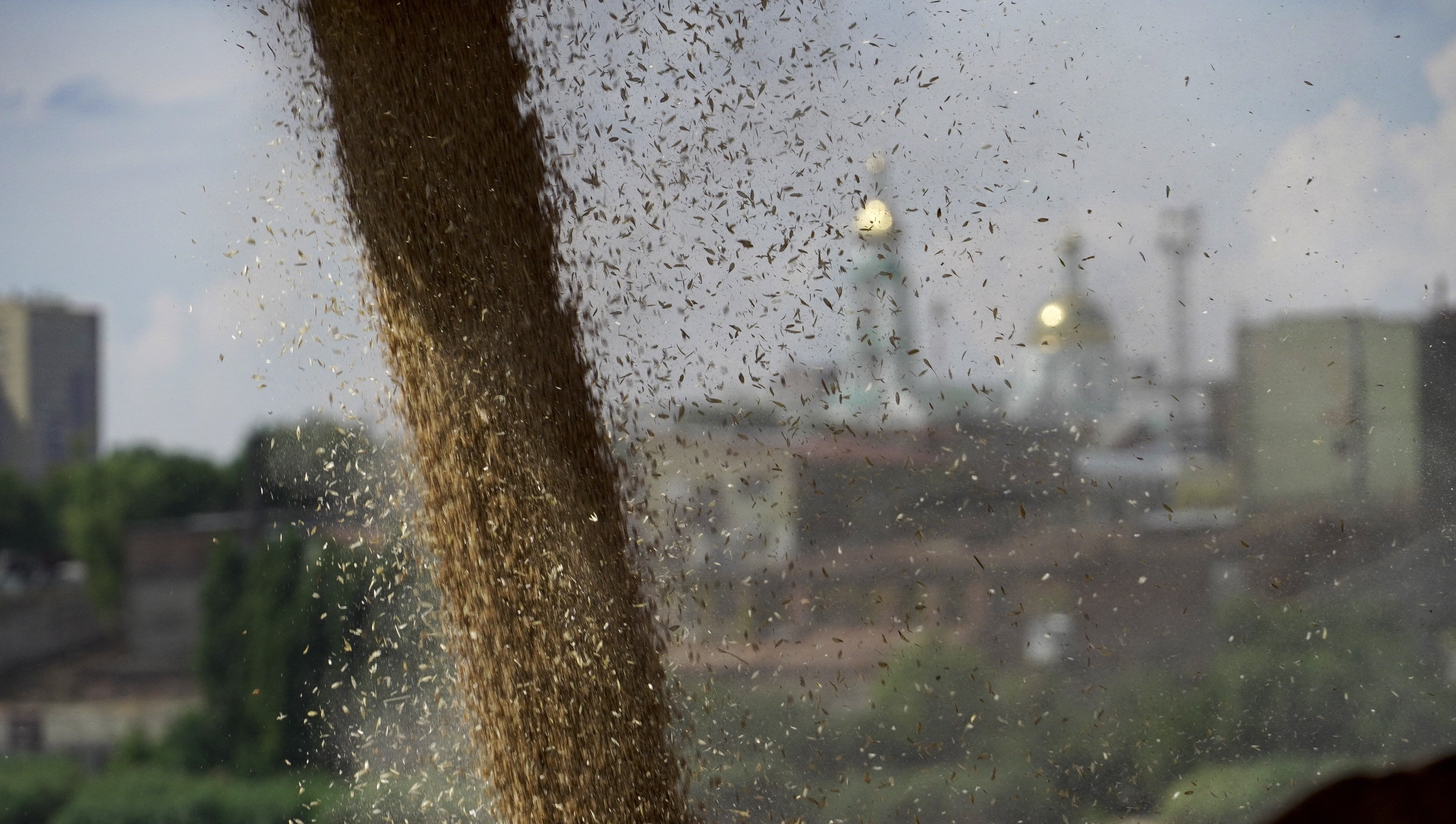
Russian agricultural exports, which generate about $15 billion in foreign revenue every year, have ground to a near-complete halt following drone strikes on ports in the Azov and Black Seas.
All three grain terminals in the port of Novorossiysk, which normally handle around 25 million tons of exported grain, stopped operating last week after drone attacks, according to The Moscow Times on August 17.
We bring you stories from the ground. Your support keeps our team in the field.
A grain terminal in Taman was shut down in late July, and navigation through the Kerch Strait was suspended a few weeks earlier. These shutdowns blocked Azov Sea harbors through which about 40% of exported Russian grain passes.
Currently, nearly all Russian grain exports through the Azov-Black Sea basin are at a standstill, according to Andrey Sizov, head of the SovEcon research firm. Only the port of Tuapse, the smallest deep-water terminal in the region, remains active.
During the previous season, ports in the Azov-Black Sea basin handled 88% of all sea shipments of Russian grain, amounting to 46.3 million tons, including over 29 million tons shipped through Black Sea terminals.

Arkady Zlochevsky, president of the Russian Grain Union, stated that agricultural producers are facing an economic disaster because there is no one to buy the heavy 2026 harvest of almost 140 million tons. "Storerooms are filling up every day, while demand has stopped, and exporters have practically stopped purchasing grain," Zlochevsky said.
Domestic grain prices have plunged as a result, dropping to 12,000 rubles per ton for fourth-class wheat compared to 15,000 rubles last year. "This is a catastrophic level, colossal losses," Zlochevsky warned.
The period between August and December represents the peak export season, but it remains unclear when shipments will resume. Sizov noted that expecting to export the delayed volumes later is overly optimistic, especially given winter storms, freezing rivers, and ice on the Sea of Azov.
-9501348bbe9401a4e619f3bfd660bca5.jpg)
"Expectations that everything not exported now can be shipped later look overly optimistic—especially considering winter storms, freezing rivers, and the Sea of Azov. It is impossible to push additional grain into an 'export pipe' that is already operating at full capacity," he said.
Sizov warned that farmers face widespread bankruptcies. "Many will not survive this season—especially after several years of degrading financial standing," he noted.
The major fallout will occur next season, as farmers may lack the funds for winter planting. Zlochevsky stressed: "There is nowhere to get money, credit resources are unavailable, no one provides advances, and because of this, we have to trade at such losses. If we do not receive sufficient funding, winter sowing will be a failure."
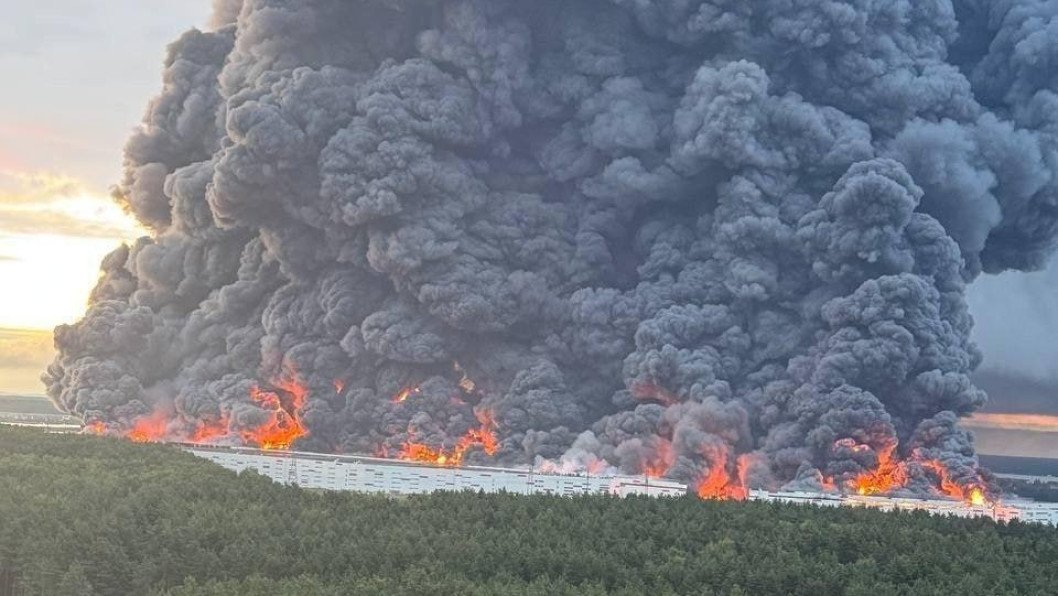
Over the course of a week from July 6 to July 12, 2026, Ukrainian unmanned systems carried out a systematic campaign in the Sea of Azov, striking 90 Russian vessels—including tankers, tugboats, ferries, and cargo ships—before reaching a total of 105 vessels targeted within eight days.
In response to the continuous drone attacks, Russia temporarily suspended navigation through the Don–Azov Canal and stopped processing applications for passage through the Kerch Strait to protect its fleet.
The operation targeted river-sea class tankers and support ships used to deliver fuel to Crimea, transfer crude oil into the Black Sea, and sustain Russian military logistics along the occupied coastline.
Discuss this article:
-4a56a6b482ec132402c16ef6fcabf9a2.png)




-111f0e5095e02c02446ffed57bfb0ab1.jpeg "Photo of Roman Kohanets")

-72b63a4e0c8c475ad81fe3eed3f63729.jpeg "Photo of Cyril Barabaltchouk")