- Category
- World
Russia Reaped $28 Billion Export Surge From Middle East War
 Prefer U24 Media on Google
- Authors

-c439b7bd9030ecf9d5a4287dc361ba31.jpg "Photo of Katherina Popilnichenko")
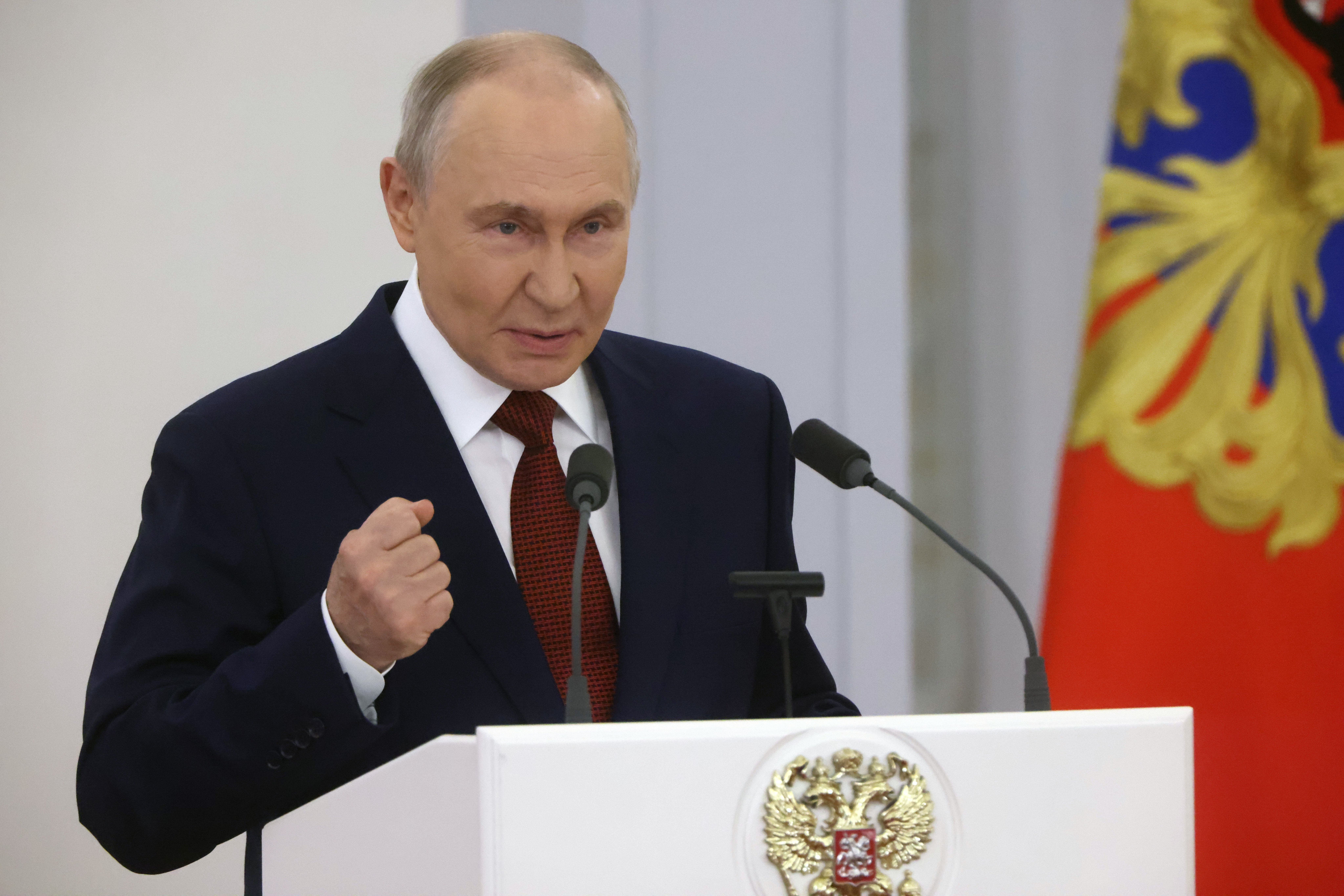
Russia’s export revenues jumped by $28 billion, or 27%, year-over-year in the second quarter to reach $125.7 billion, driven by skyrocketing global commodity prices and supply disruptions linked to fighting in the Middle East and the closure of the Strait of Hormuz.
The surge stemmed primarily from higher delivery values of mineral products, food, and metals, according to The Moscow Times on August 17.
We bring you stories from the ground. Your support keeps our team in the field.
The Gazprombank Price Index Center reported that Russia's commodity export price index—which tracks metals, fertilizers, and agricultural goods alongside energy—rose from 67.7 points before hostilities began in the region to 101 points on April 10, before dropping back to 72.8 by early July.
Fuel and energy commodities provided the largest share of the increase. According to Ministry of Economic Development data, Russian Urals crude climbed from $44.50 per barrel in February to $77 in March and $95 in April.
The Central Bank noted that average Urals prices reached $82 per barrel in the second quarter, marking a 50% increase compared to both the previous quarter and the same period last year.
Export volumes grew alongside prices. Amid energy deficits, the United States lifted restrictions in March on purchasing Russian crude and petroleum products already loaded onto tankers. Agricultural exports also rose after Russia accumulated significant grain reserves and expanded its export quotas, according to the Central Bank.
The situation has since reversed. Ukrainian drone strikes on Russian oil refineries caused domestic petroleum production to fall by 21% year-over-year in July, leading the government to ban fuel exports. Although crude shipments partially offset the gap, overall Russian oil exports dropped 5% year-over-year in July, according to International Energy Agency estimates.
Federal Customs Service figures show mineral products remain the core of Russian trade, accounting for over half of total commodity exports ($120.7 billion out of $219.5 billion) in the first half of the year.
Export revenues enter the Russian economy with a lag of 1.5 to 2 months. After commodity prices peaked in late March and early April, the resulting foreign currency inflow strengthened the ruble to nearly 70 per US dollar by late May. However, as commodity prices receded and the US reinstated sanctions in June, the exchange rate fell back to 85 rubles per dollar.
The temporary surge in the ruble reduced the overall fiscal benefit for Moscow's budget. Bank of Finland analysts calculated that the average ruble-denominated price for Russian crude in the first half of the year was 4% lower than budget projections.
Combined with major payouts to oil companies to keep domestic fuel prices below global levels, Russia’s oil and gas revenues from January to July fell 17.8% compared to the previous year, reaching 51.5% of the annual target.

Analysts at the CMACP research center warned that the added foreign currency inflow provides only "very moderate" support to the broader economy.
Much of the additional revenue will be absorbed by government spending and currency adjustments, yielding little beyond a brief rise in domestic consumption.
Bank of Finland experts similarly noted that high commodity prices offer no long-term fix, as physical export volumes are unlikely to grow significantly while Russia remains isolated under international sanctions targeting its core oil and gas sectors.
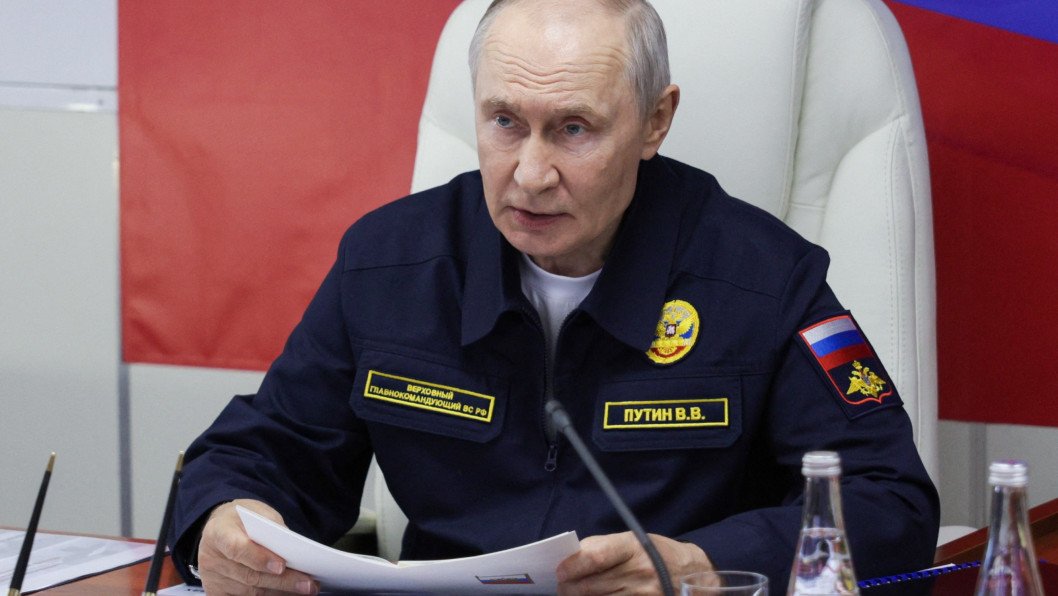
Russian Ambassador to the United Kingdom Andrei Kelin openly declared Moscow’s support for Iran amid the escalating confrontation involving the United States and Israel, confirming that Russia did not consider itself a neutral actor in the Middle East crisis.
Speaking to Sky News on March 7, Kelin stated that Russia was "not neutral" and criticized Western governments for holding Tehran solely responsible while ignoring initial military actions by the United States and Israel.
He argued that Iran was merely responding to external attacks and called for an immediate cessation of hostilities to allow for diplomatic negotiations.
Discuss this article:
-4a56a6b482ec132402c16ef6fcabf9a2.png)