- Category
- War in Ukraine
Kremlin Files Reveal Russia’s Strategy to Target Moldova After Ukraine
 Prefer U24 Media on Google
- Authors

-c439b7bd9030ecf9d5a4287dc361ba31.jpg "Photo of Katherina Popilnichenko")
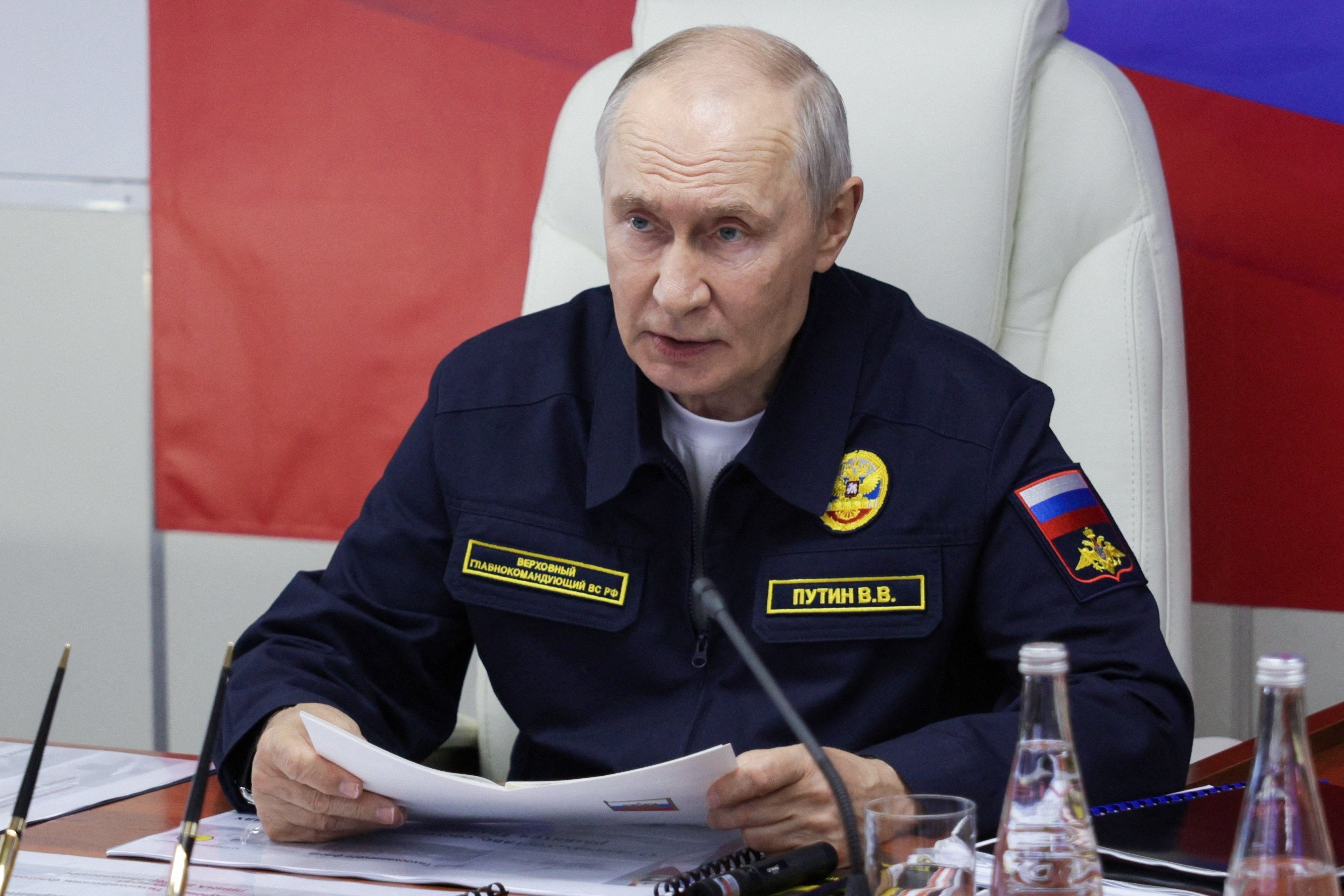
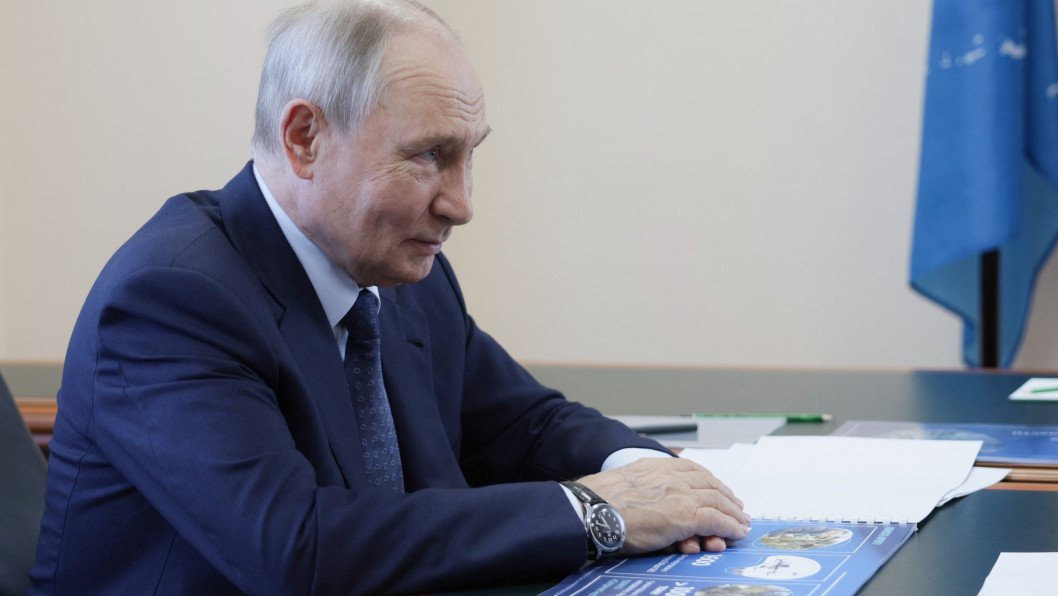
Russian authorities are executing a long-term operation to destabilize Moldova, positioning the conquest of Ukraine as their top priority and gaining control over Moldova as their second, as reported by The New York Times on August 14.
According to an investigation based on interviews with Moscow-directed operatives, security officials from Moldova, Europe, and the US, and thousands of leaked documents, Russian leader Vladimir Putin intends to capture southern Ukraine to establish a land corridor connecting Russia directly to Moldova.
We bring you stories from the ground. Your support keeps our team in the field.
In the meantime, Sergey Kiriyenko, deputy head of the Russian presidential administration, oversees destabilization efforts alongside Ilan Shor, a fugitive banker sentenced in Moldova to 15 years in prison for organizing a 2014 fraud scheme that stole $1 billion from local banks.
Before the autumn 2025 parliamentary elections, Shor recruited over 150,000 Moldovans—representing roughly 4.5% of the registered electorate—paying them to vote for specific candidates and participate in staged protests.
Prior to that, during four months leading up to the 2024 European Union integration referendum, Shor distributed nearly $20 million to 38,000 recruits to post anti-government content online and vote against President Maia Sandu, her party, and EU accession, according to The New York Times.
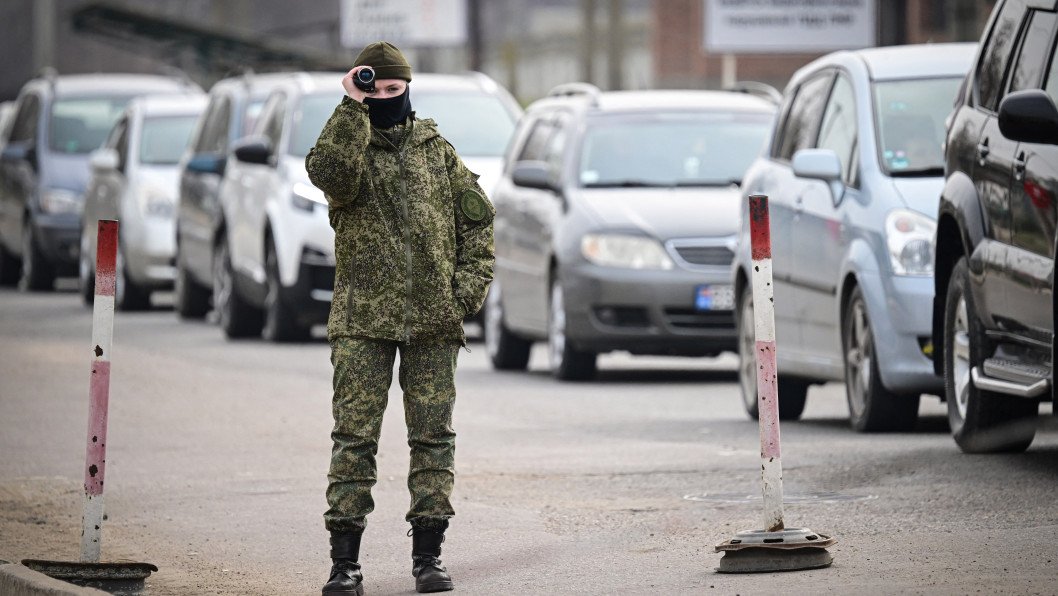
The operations extended to physical training camps managed by Russian military intelligence (GRU) in Serbia, Bosnia, and near Moscow. In Serbia, recruits completed 3-4 day courses for $400, practicing how to break police lines and set fire to buildings.
In a facility near Moscow, over 100 young Moldovans received instruction in making explosives, incendiary devices, and operating drones designed for arson and bomb attacks.
Additionally, hundreds of Moldovan priests from the Russian Orthodox Church were flown to Russia starting in summer 2024, signed contracts with the Kremlin-linked Eurasia organization, and received payment cards from Promsvyazbank. In exchange for roughly $1,000 each, the priests campaigned against EU integration among their parishioners.
When covert political action failed to deliver full control, Russia engaged in direct infrastructure strikes. Russian forces shelled a Ukrainian hydroelectric station near the Moldovan border, contaminating regional water supplies, and struck a high-voltage power line in western Ukraine that provided up to 70% of Moldova's electricity, causing widespread blackouts.
As reported by The New York Times, although pro-EU voters secured narrow victories in the 2024 and 2025 votes—largely due to votes cast by the overseas diaspora—Moldovan officials emphasize that Moscow is pursuing a long-term strategy.
Mihai Lupascu, director of Moldova's Cybersecurity Agency, stated, "We won the battle, but not the war."
On April 8, 2026, Moldovan authorities dismantled a Russia-backed cross-border network that trained operatives in secret camps in Bosnia and Serbia for destabilization campaigns targeting France and Germany.
Recruits received between $300 and $500 to complete training in drone operations, handling incendiary devices, and evading law enforcement during staged unrest. Moldovan officials uncovered the scheme after intercepting operatives at the border with specialized equipment, including drone components and radio controllers.
Following the crackdown, Chisinau offered to share its expertise in fighting illicit finance, disinformation, and election interference with European allies facing similar hybrid threats.
Discuss this article:

-72b63a4e0c8c475ad81fe3eed3f63729.jpeg "Photo of Cyril Barabaltchouk")