- Category
- Latest news
Moldova Dismantles Russia-Backed Network and Offers EU Support Against Election Interference
 Prefer U24 Media on Google
- Authors


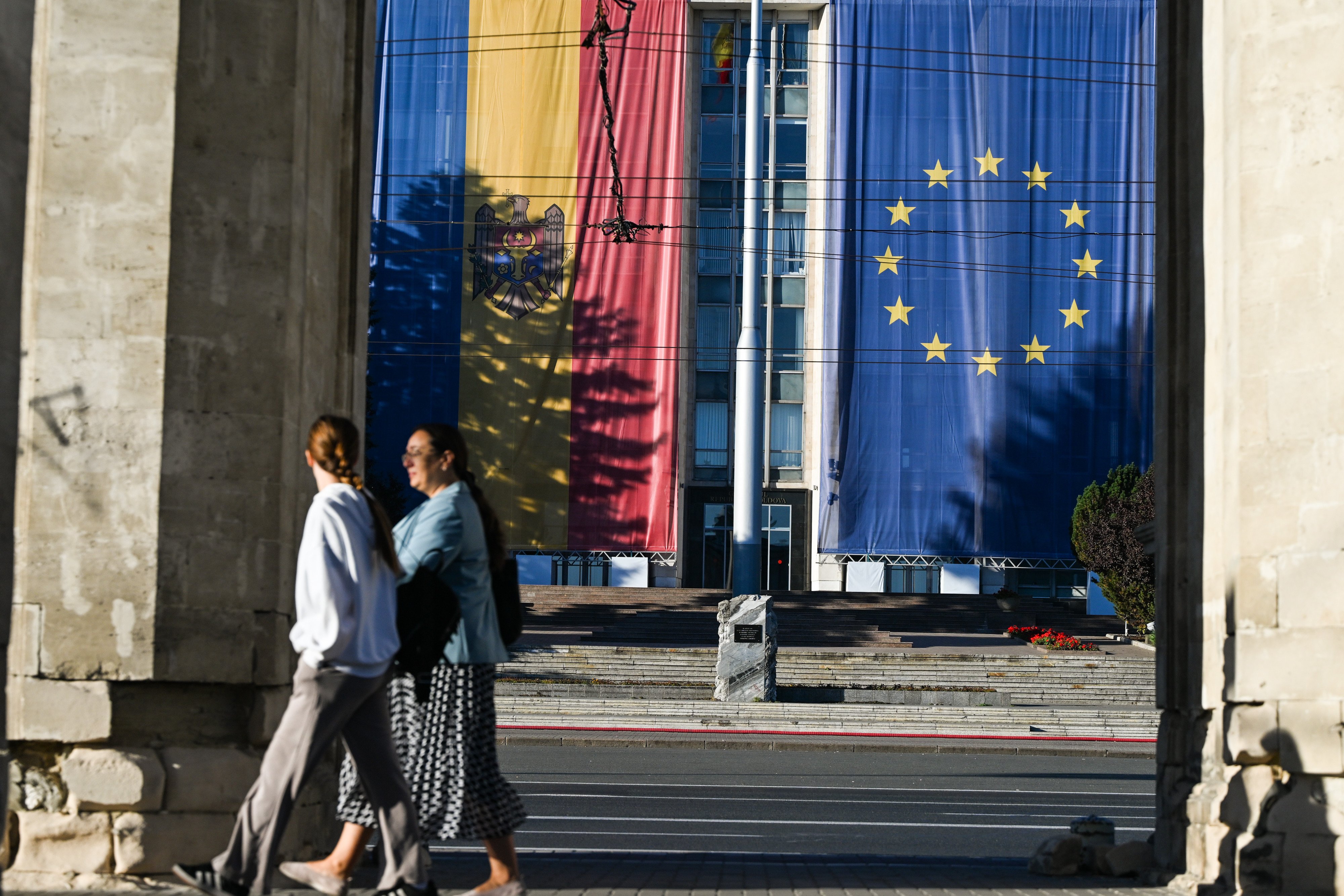
Moldova has dismantled a cross-border network that trained young men and women in secret camps in Bosnia and Serbia for Russia-backed destabilization operations targeting France and Germany, according to Politico on April 6.
Participants in the network were reportedly trained in operating drones, handling incendiary devices, and evading law enforcement during protests.
We bring you stories from the ground. Your support keeps our team in the field.
At the same time, Moldova is offering support to European countries preparing for elections, proposing cooperation in countering Russian disinformation and destabilization campaigns.
Stanislaw Secrieru, national security adviser to Moldova’s president, said the country is ready to share its experience in addressing Russian interference.
“Moldova has—through trial and error—tested and successfully implemented counter-strategies. We can share expertise on countering illicit finance, fighting disinformation, cybersecurity, and protecting the integrity of electoral processes,” he said.
The investigation also suggests that Moldova was used as a testing ground for tactics later intended for broader use across Europe.
-52f52035036987f8f3faff85844af10d.jpg)
According to earlier report by Politico, Russia-linked recruitment and training networks used Moldova to pilot methods of destabilization, including efforts tied to unrest, sabotage, and political disruption. Moldovan authorities traced attempts to recruit citizens into these operations, describing the scheme as part of a wider hybrid campaign associated with Moscow.
Officials warn that the techniques tested in Moldova could be replicated in other European countries, particularly in politically sensitive periods such as elections.
One case cited in the report involved Maxim Rosca, who was stopped by Moldovan authorities on October 11, 2024, while crossing the border from Romania in a minibus. A search of the vehicle uncovered Serbian and Bosnian currency, flashlights, SIM cards, USB drives, drone components, virtual reality headsets, and radio control equipment.
In court testimony, Rosca said recruiter Prizenco provided little detail about the assignment beyond offering payment of between $300 and $500. Within weeks, he was sent to training camps in Bosnia and Serbia, where participants were instructed in drone operation, the use of incendiary devices, and methods to evade law enforcement during protest activities.
In a separate move, Moldovan authorities have expanded their sanctions list to include six Russian nationals from the media and cultural sectors. The individuals are accused of promoting Kremlin policies and spreading pro-war narratives.
The decision was formalized by Foreign Minister Mihai Popșoi, who signed the order implementing the restrictions. According to the document, those sanctioned are identified as “disseminators of disinformation and pro-Russian military propaganda,” as well as individuals who have publicly supported the Russian military during the full-scale invasion of Ukraine.
Discuss this article:

-c439b7bd9030ecf9d5a4287dc361ba31.jpg "Photo of Katherina Popilnichenko")