- Category
- Latest news
Russia Tested Destabilization Tactics in Moldova Before Expanding Across Europe
 Prefer U24 Media on Google
- Authors

-111f0e5095e02c02446ffed57bfb0ab1.jpeg "Photo of Roman Kohanets")
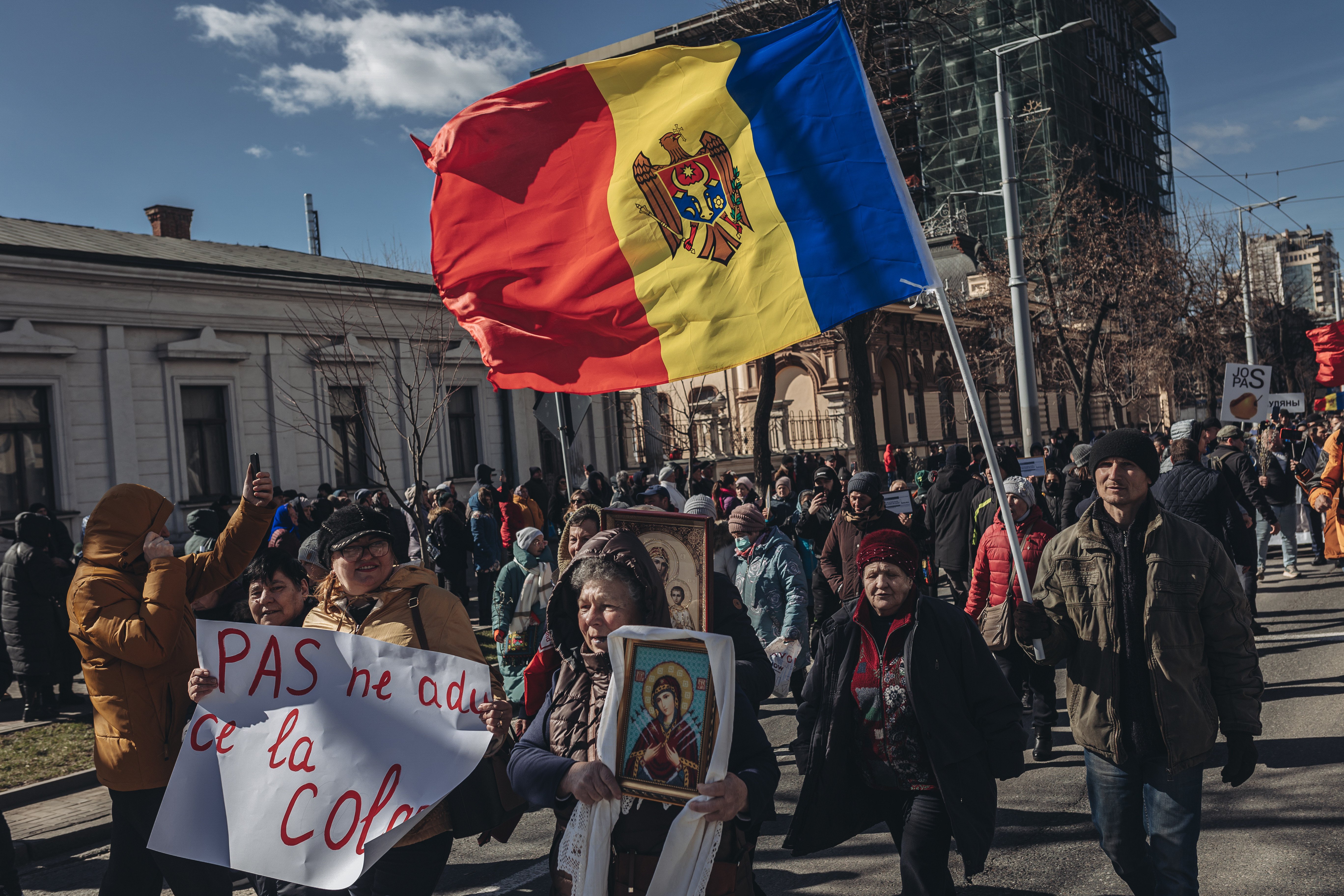
Russia-backed recruitment and training networks used Moldova as a testing ground for destabilization tactics that now worry security officials across Europe, Politico reported on March 25.
The report outlined how Moldovan authorities traced efforts to recruit citizens for operations tied to unrest, sabotage, and political disruption, framing the scheme as part of a broader hybrid campaign linked to Moscow.
Officials have argued that the methods used against Moldova could be replicated elsewhere in Europe as the Kremlin seeks to exploit vulnerable political environments beyond the battlefield.
We bring you stories from the ground. Your support keeps our team in the field.
One case highlighted in the report centered on Maxim Rosca, who came to the attention of Moldovan authorities on October 11, 2024, after he was stopped while crossing into Moldova from Romania in a Mercedes-Benz minibus.
Officers found Serbian and Bosnian currency, flashlights, SIM cards, USB drives, drone components, virtual reality goggles, and radio control units inside the vehicle.
According to Rosca's testimony in a Moldovan court, recruiter Prizenco gave him almost no details about the job, beyond a promise of payment ranging from $300 to $500.
Within weeks, Rosca ended up in training camps in Bosnia and Serbia, where participants were taught to operate drones, handle incendiary devices, and avoid law enforcement during protests.
-01d02dc01535117120d2e1505d298539.png)
Rosca also told the court that any further instructions would come from a contact in Moscow, pointing to a chain of command that investigators believe extended beyond Moldova.
Court proceedings also referenced six black single-use devices allegedly designed to drop grenades from the air.
The three other passengers in the bus received four-to five-year prison terms last month on charges of fomenting mass disorder.
Rosca, who stated he was beaten after refusing to take part in the training, testified as a witness in the case.
-ab26fdee551dadf40fa373afffd1d0f2.jpg)
Moldovan investigators have described the camps as part of a coordinated Russia-backed effort to prepare operatives for destabilization missions not only in Moldova but also in countries such as France and Germany.
Moscow has denied involvement in Moldova’s internal affairs, but authorities in Chisinau have warned that covert financing, influence operations, and trained provocateurs remain central tools in the pressure campaign.
The security concerns have also been matched by new sanctions aimed at restraining Russian information influence.
Chisinau’s approved sanctions campaign against Russian influence operations, with Moldova adding six figures from the media and cultural sphere, identified as promoters of Kremlin disinformation and military propaganda.
Those targeted include television presenters Dmitry Guberniev, Ekaterina Andreeva, and Maria Sittel; journalist Pavel Zarubin; actor and singer Roman Chumakov; and ballet dancer Sergei Polunin, under an order signed by Foreign Minister Mihai Popșoi.
Discuss this article:
-9a7b3a98ed5c506e0b77a6663f5727c5.png)

-c439b7bd9030ecf9d5a4287dc361ba31.jpg "Photo of Katherina Popilnichenko")