- Category
- Latest news
Russia Uses Telegram and Moldovan Breakaway Region to Recruit Terrorists
 Prefer U24 Media on Google
- Authors


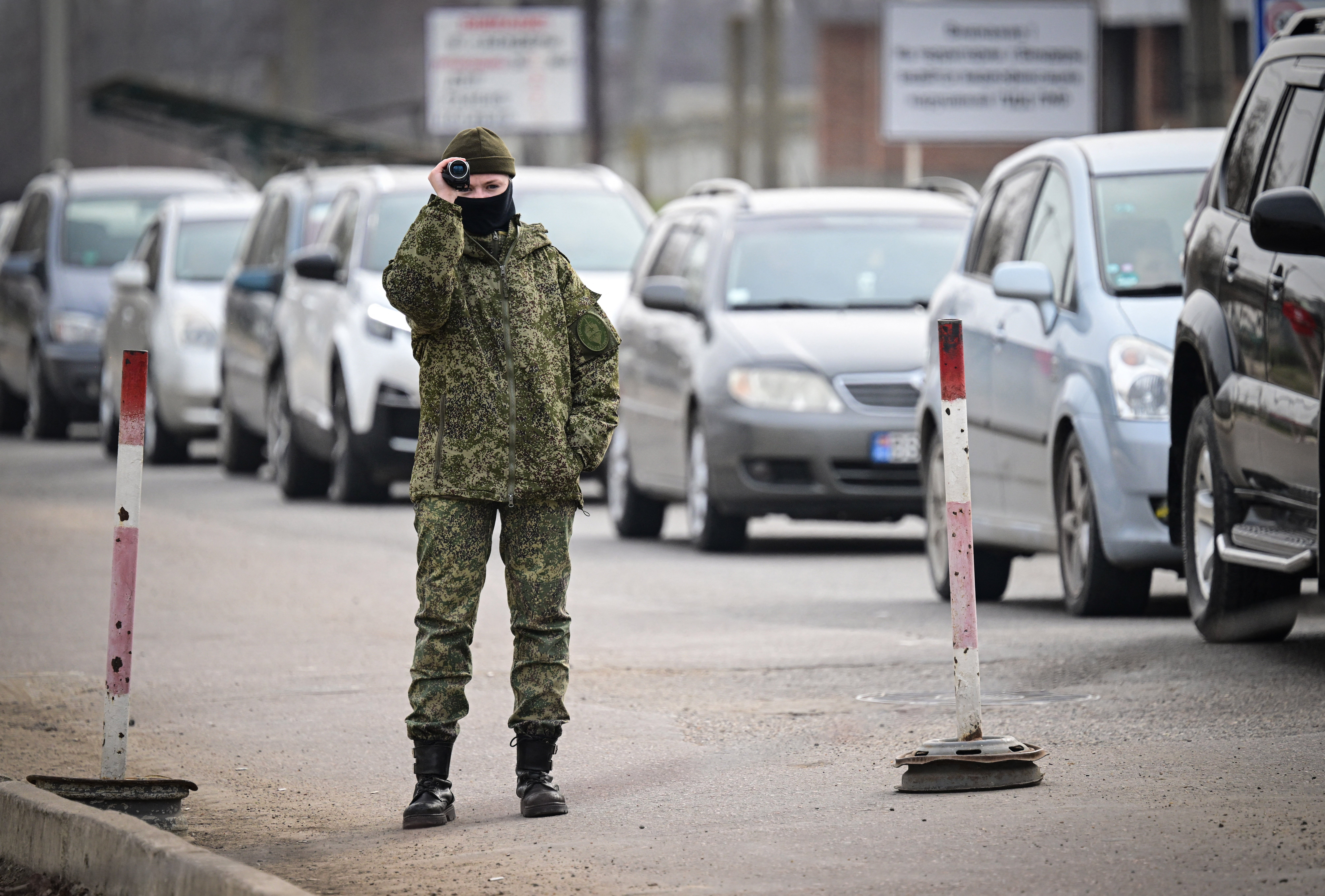
The Russian-occupied Transnistria region of Moldova has become a primary hub for “toxic” Telegram channels and the recruitment of terrorists for attacks in Ukraine. This was reported by RBC-Ukraine on March 3, following a roundtable discussion on the Transnistrian conflict.
We bring you stories from the ground. Your support keeps our team in the field.
Vitaliy Kulik, head of the Disinformation Counteraction Laboratory at KNEU , stated that Russia is actively using the territory to destabilize both Moldova and Ukraine. While the conventional military threat remains limited, the region serves as a major node for psychological operations and sabotage.
According to RBC-Ukraine, Kulik confirmed that the administration of disinformation networks and the recruitment of individuals for terrorist activities are occurring directly from Transnistria.
“The most toxic Telegram channels that spread disinformation on the territory of Ukraine are administered from Transnistria. From there, the recruitment of Ukrainians to carry out terrorist attacks takes place — and these are established facts,” Kulik stated.
-52f52035036987f8f3faff85844af10d.jpg)
The use of Telegram for recruitment has sparked a high-level debate in Kyiv regarding the platform’s future. Following a fatal attack in Lviv, Deputy Head of the Presidential Office Iryna Vereshchuk proposed a complete block of the messenger.
Per the RBC-Ukraine report, other top officials have also addressed the threat:
Kyrylo Budanov (HUR ): Has advocated for platform restrictions since 2024;
Ihor Klymenko (Interior Minister): Supports limiting the app to curb foreign intelligence activities.
Earlier, Moldovan officials warned that Russia had intensified cyberattacks, disinformation campaigns, and covert financing efforts aimed at derailing the country’s EU accession process, according to the Robert Lansing Institute.
President Maia Sandu told the European Parliament that the Kremlin seeks to influence elections, destabilize sensitive regions such as Transnistria and Gagauzia, and undermine Moldova’s pro-European course, while Brussels pledged broader support to strengthen Chișinău’s resilience against hybrid threats.
Discuss this article:
-4a56a6b482ec132402c16ef6fcabf9a2.png)

-c439b7bd9030ecf9d5a4287dc361ba31.jpg "Photo of Katherina Popilnichenko")