- Category
- Anti-Fake
Why Russia Will Do Anything to Win Moldova’s Election
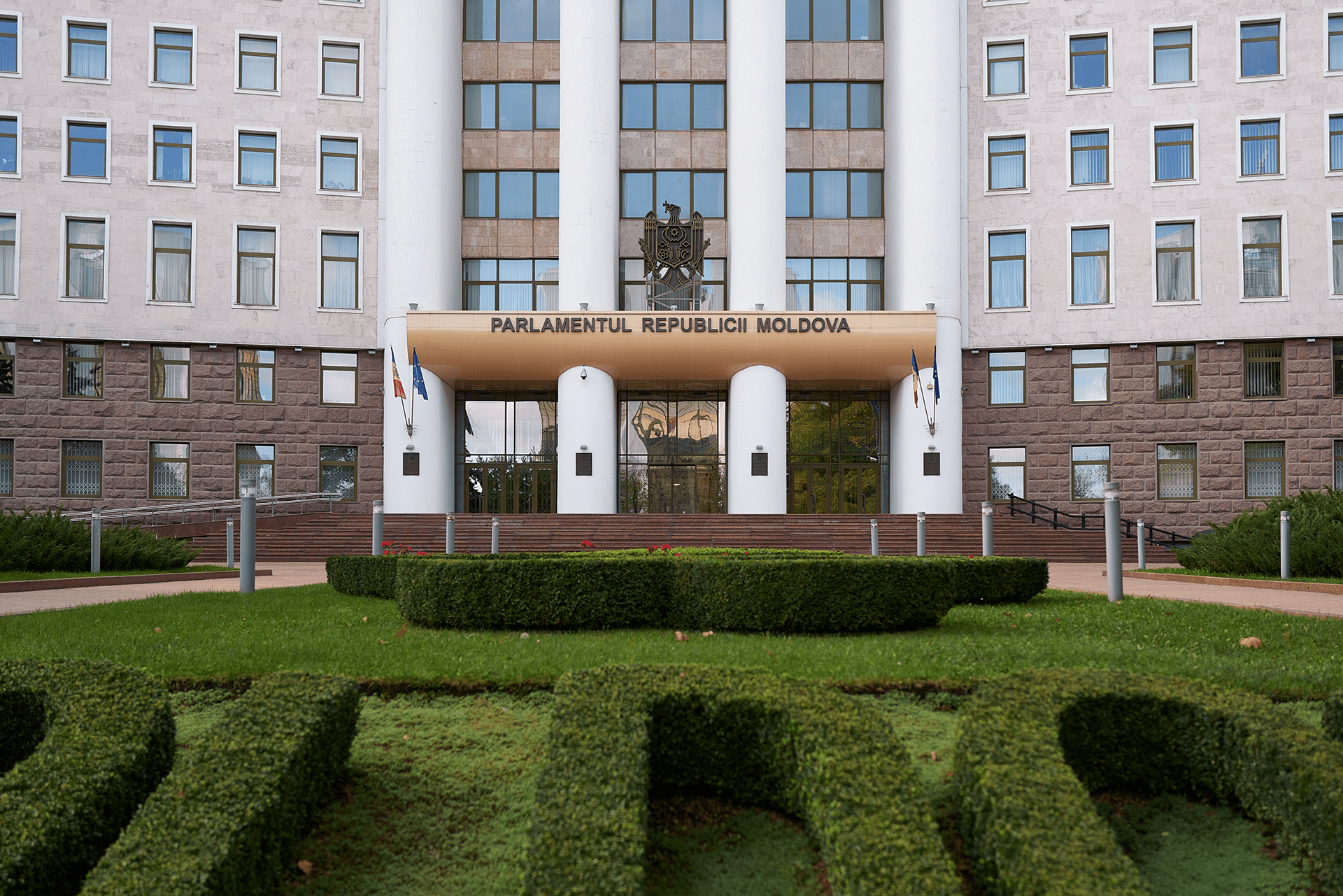
On September 28, Moldovans head to the polls in what their president calls a “final battle” with Russia. The Kremlin will stop at nothing—mass bribery, false priests, fake news farms—because the prize is enormous: a new staging ground against Ukraine and the EU.
 Prefer U24 Media on Google
- Authors

-46f6afa2f66d31ff3df8ea1a8f5524ec.jpg "Photo of Jess Daly")
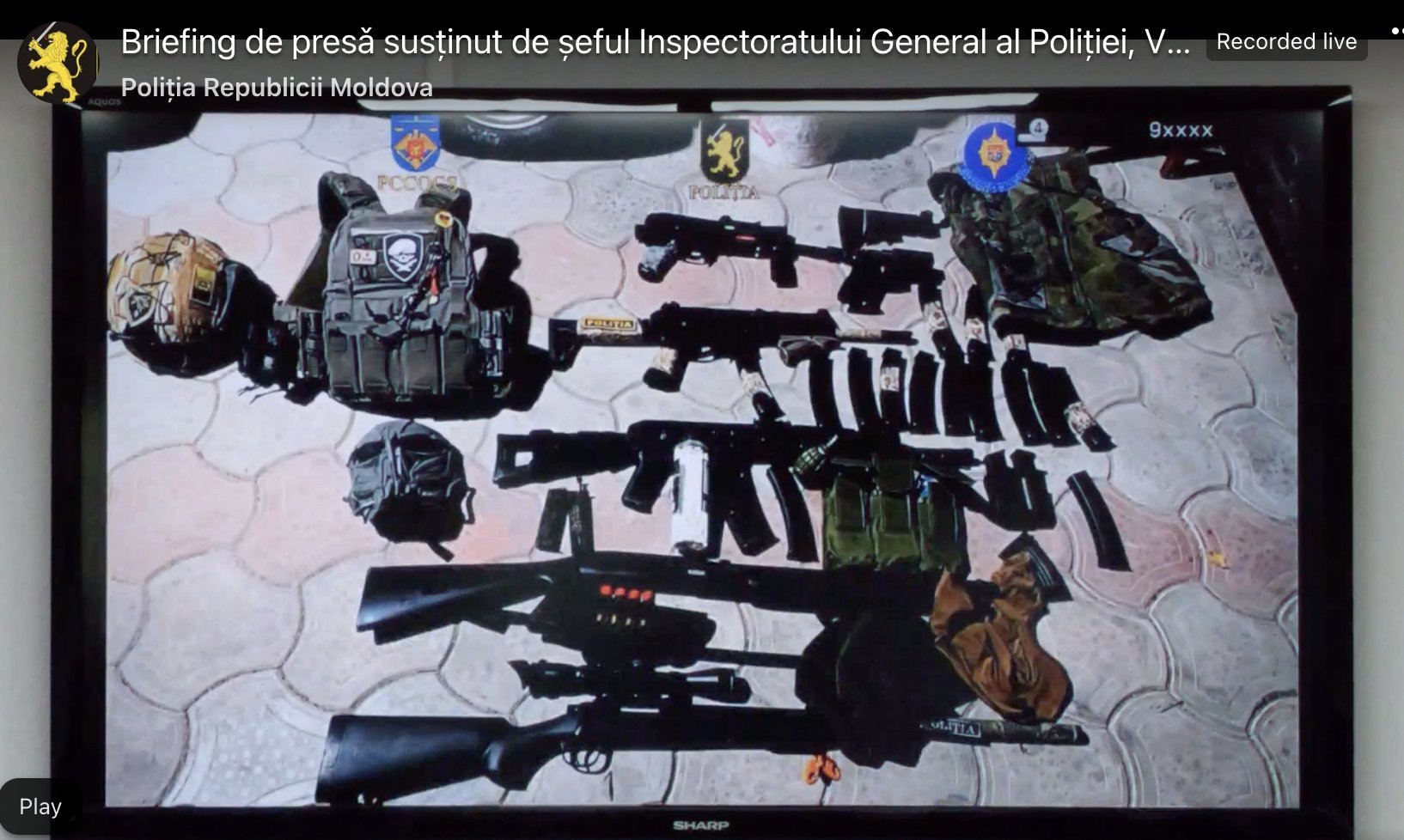
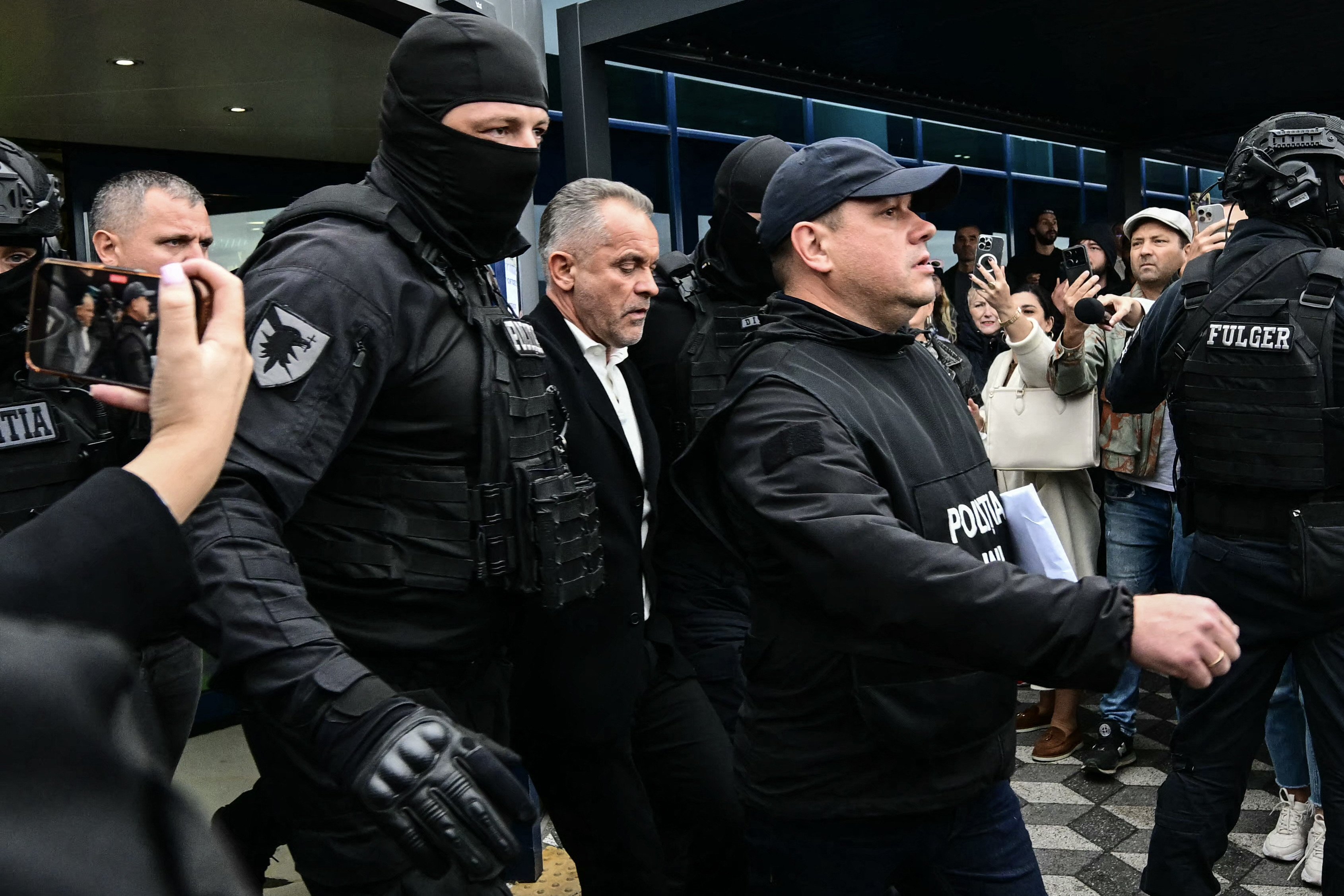
Just days ahead of the 28 September parliamentary elections, Moldovan authorities arrested 74 people over an alleged plot to organise “mass riots and destabilisation.” Police say the scheme was “coordinated from the Russian Federation through criminal elements,” highlighting the growing threat to Moldova’s democratic process.
Addressing the European Parliament, President Maia Sandu called the elections the “final battle” against Moldova’s “greatest threat: Russia,” warning that if her country’s democracy cannot be protected, no democracy in Europe is truly safe.
European lawmakers have echoed the warning. Members of the European Parliament slammed Moscow’s escalating hybrid warfare, describing it as a coordinated campaign not just to meddle, but to destabilise Moldova and turn it into a geopolitical lever against Ukraine and the EU. “The people of Moldova must choose their own future, free from Russian control,” the Parliament declared in a statement on September 21.
For decades, Russia has sought to undermine Moldova’s independence, democracy, and European aspirations. Today, its campaign has intensified, reaching a breaking point. Pro-EU and pro-Russian forces are locked in a high-stakes showdown that will determine whether Moldova continues its path toward the EU or slips back under Moscow’s grip.
The struggle is playing out on multiple fronts: disinformation operations, vote-buying schemes, manipulation of the diaspora, proxy funding networks, and energy blackmail.
-52f52035036987f8f3faff85844af10d.jpg)
Even as Moldova struck a blow against Russian influence with the jailing of Kremlin-aligned regional leader Evghenia Guțul for funnelling Moscow’s money into the banned Șor Party, experts warn the Kremlin is doubling down—deploying what they describe as a multi-vector war, with the intention of using Moldova as a base to conduct hybrid attacks on Ukraine and Europe.
What do we know about Moldova’s Parliamentary elections?
Sandu has described the upcoming parliamentary elections as the most “consequential in Moldova’s history.” The vote comes amid sharp political polarisation, economic pressures, and heightened geopolitical tensions, making its outcome critical not just for Moldova, but for wider Europe.
A total of 23 electoral contestants are registered, but three key blocs dominate the battle. Sandu’s Action and Solidarity Party (PAS), the country’s leading pro-European force, faces off against the Patriotic Electoral Bloc (BEP), the main pro-Russian coalition.
A third contender, the Alternative Bloc, founded in 2025, presents itself as pro-EU but has demonstrated a favourable stance toward Moscow. Some of its leaders have ties to the Kremlin, making it a wildcard in the balance of power. Its leader, Ion Ceban, Mayor of Chisinau, was banned from the Schengen Area in Romania in July 2025 without stating reasons for the ban.
“The Kremlin's goal is clear: to capture Moldova through the ballot box, to use it against Ukraine, and to turn us into a launchpad for hybrid attacks in the European Union,” Sandu said.
Pro-Russian BEP is currently leading the polls with 33.4%, and the current pro-European PAS party is following close behind at 31.6%, according to PolitPro electoral trends.
The stakes extend beyond Chișinău: the results will signal whether Moldova continues its Western trajectory or reopens space for Moscow’s strategic influence in Eastern Europe.
A brief history of Moldova and rising tensions with Transnistria
This year, Moldova marked 34 years of independence from the Soviet Union. But almost immediately after 1991, a Moscow-backed conflict in Moldova’s eastern region Transnistria, erupted, peaking in 1992 and killing about 1,200 people. Today, the self-proclaimed Pridnestrovian Moldavian Republic remains a grey zone dominated by local elites and smuggling. No UN member state—including Russia—recognizes it.
The brief Russian-backed war cemented Transnistria’s de facto control, maintained today by roughly 1,500 Russian troops serving as “peacekeepers” and guarding Cobasna, a large Soviet-era weapons depot.
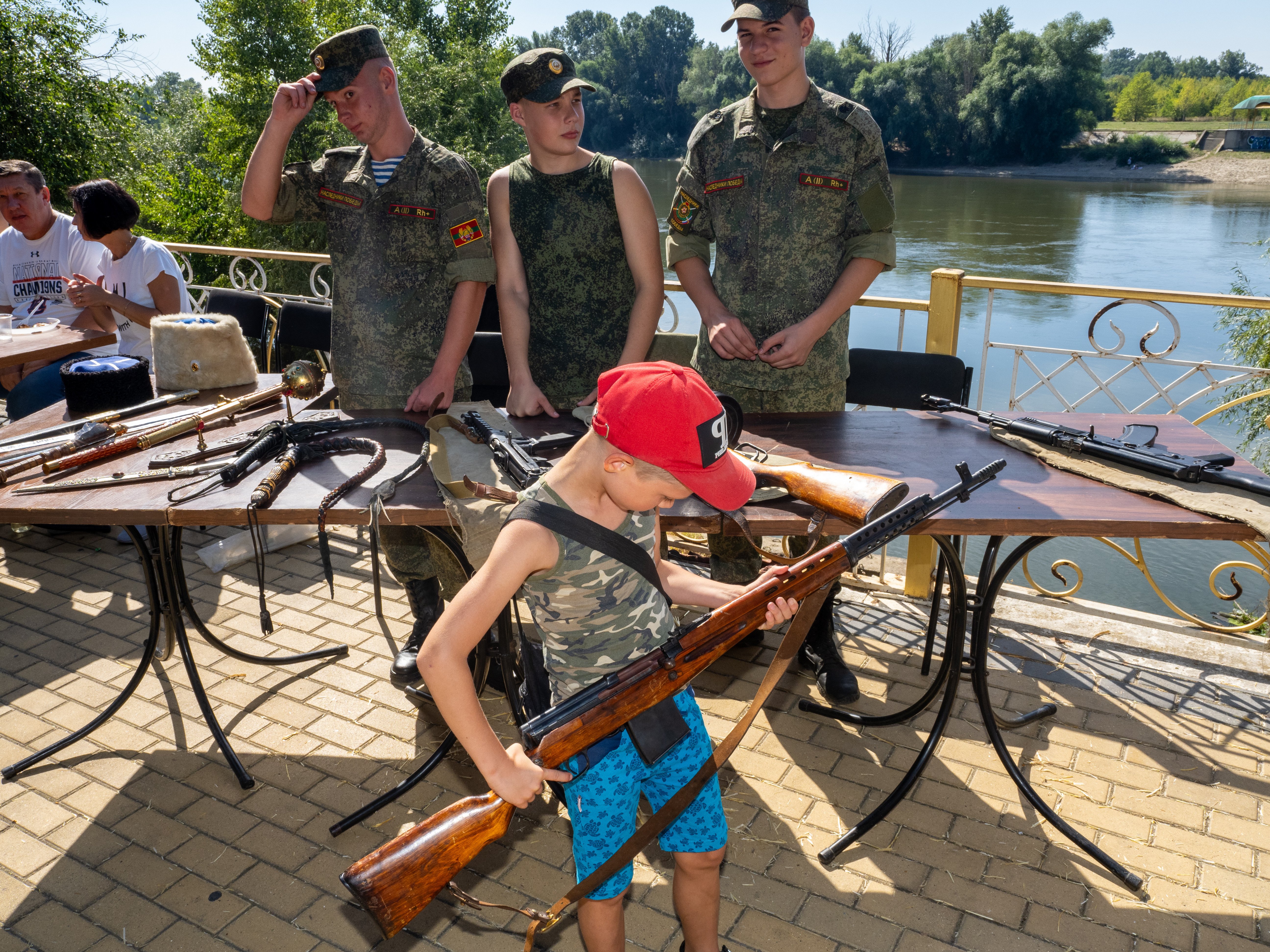
Meanwhile, in 1990, another region—Gagauzia—declared itself a quasi-state. By 1994, a compromise gave the region autonomy under Chișinău’s authority. Despite this, Moscow has continued to exert influence in both Transnistria and Gagauzia through pro-Russian politicians.
Tensions between Moldova and Transnistria have escalated in recent years, fuelled by geopolitical, economic, and security pressures. Russia’s invasion of Ukraine intensified these disputes, exposing Moldova’s reliance on Russian energy and deepening the divide between Chișinău’s pro-European government and Transnistria’s pro-Russian leadership.
The crisis came to a head in January 2025, when Russia cut natural gas supplies to Moldova and Transnistria, citing unpaid debts by the state-owned Moldovgaz. Transnistria experienced widespread heating and hot water outages. Gazprom owns 51% of Moldovgaz, the country’s sole gas supplier. Moldova offered assistance, but the region rejected it—Prime Minister Dorin Recean said Moscow wanted a “fabricated humanitarian crisis.”
Since then, Russia’s campaign has often focused on energy and “the illusory promise of cheap gas and electricity,” Eugen Muravschi, associate expert at Moldovan think tank WatchDog, says, which is very attractive for families with lower incomes.
Almost half of Transnistria’s population holds Russian citizenship and speaks Russian as a native language. Their appeals to Moscow have deepened alignment with Russia, further straining relations with Chișinău and keeping the region a flashpoint of tension.
Meanwhile, to fuel ongoing tensions, a recurring Russian false-narrative is being pushed to the forefront: that both Moldova and Ukraine are stoking armed conflict in Transnistria.
Manipulating Moldova’s diaspora
An October 2024 referendum on Moldova’s EU bid narrowly passed, thanks largely to ballots cast abroad. But the vote was far from clean. National police chief Viorel Cernautanu reported that over 130,000 Moldovans were bribed by a Russia-managed network, with oligarch Ilan Șor at the centre. Russian agents also allegedly staged hoax bomb threats at polling stations overseas.
National Security Adviser Stanislav Secrieru warned that Moscow is likely to repeat these tactics in 2025 to suppress diaspora voting. Sandu estimated Russia spent the equivalent of 1% of Moldova’s GDP meddling in domestic and overseas elections in 2024.
🚨 "We know where you live, what newsroom you work in. We can kill you." I have been receiving such calls for the last half an hour, every 5 minutes, urging me to vote for a particular candidate. Elections in #Moldova have never been like this before. 🇷🇺 putting everything on the… pic.twitter.com/DTq8qpypoh
— Denis Dermenzhi (@iamdenya_de) November 1, 2024
The Kremlin’s infamous “Matryoshka” network, known for spreading disinformation on social media, has aggressively targeted Moldova’s diaspora. In May 2025, Reset Tech reported that Sandu faced more online attacks from Matryoshka than even Ukraine’s President Zelenskyy.
An estimated 250,000 Moldovan voters live abroad, and Matryoshka has exploited AI chatbots to amplify propaganda. Newsguard (i) found the network circulated fake videos, claiming “42% of absentee ballots in Moldova’s 2024 presidential election were cast using dead voters’ identities,” falsely citing BBC and Bellingcat. The claim was further spread by the Pravda network, which infects leading chatbots to reinforce Kremlin narratives.
Russia’s disinformation operations in Moldova
WatchDog.MD uncovered a network of over 910 accounts across YouTube, TikTok, Facebook, Instagram, and Threads spreading Russian propaganda. Among them were 512 coordinated “sockpuppet” accounts using false identities and tweaking content to evade detection, amplifying the narratives of pro-Russian politicians and parties, such as;
Victoria Furtuna – Șor ally, former prosecutor, EU-sanctioned for destabilising Moldova.
George Simion – Leader of Romania’s AUR, pro-Kremlin nationalist.
Eugenia Guțul – Ex-Gagauzia governor, EU & US-sanctioned for political destabilisation.
Ilan Șor – Fugitive oligarch in Moscow, internationally sanctioned.
Calin Georgescu – Ex-Romanian presidential candidate, Kremlin-linked conspiracy theorist.
Ion Ceban – Chișinău mayor, FSB-backed in 2019
WatchDog.MD says the pro-Russian campaign is a coordinated, well-financed operation—far from spontaneous—and the accounts exposed are only a fraction of a much larger network, likely numbering in the tens of thousands across Europe.
Using the Orthodox Church as a disinformation tool
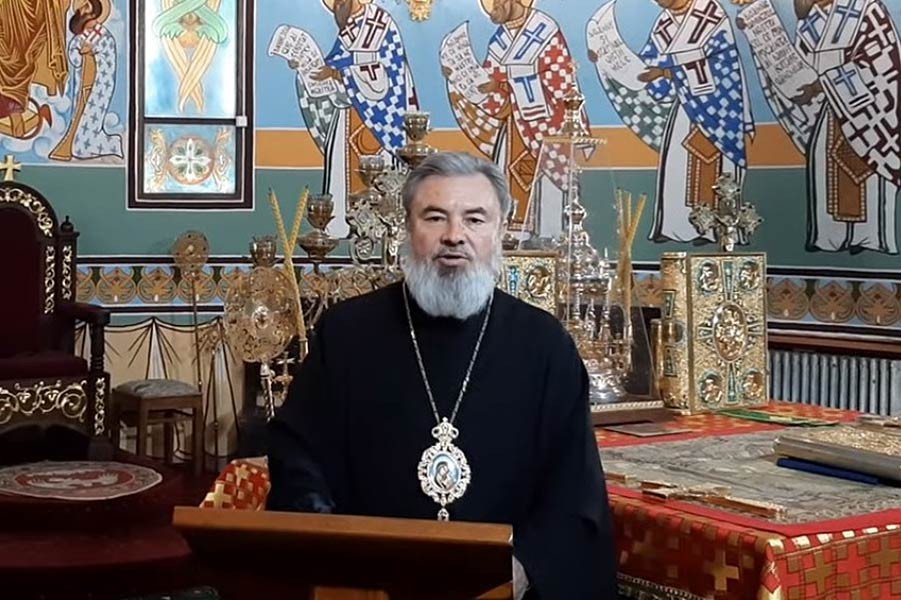
In 2024, investigators uncovered that at least 20 priests from the Orthodox Church of Moldova—affiliated with the Russian Patriarchate—were allegedly receiving money from the Russian Federation through Promsvyazbank. These funds were funnelled to activists and parties linked to oligarch Ilan Șor, while the clergy served as vehicles for spreading pro-Russian and anti-EU messaging.
One prominent example is Bishop Marchel of Bălți and Fălești, who has openly supported Victoria Furtună, a central figure in the pro-Russian disinformation network. Marchel now plays a key role in Moscow’s propaganda machine, being used to amplify false claims that Sandu and her PAS government are persecuting the Orthodox Church, according to WatchDog.MD.
Engagement farms in Africa
Reset Tech, a global nonprofit monitoring digital threats to democracy and Russian influence online since 2022, investigated RestMedia, which presents itself as committed to “exposing and addressing the critical issues shaping Europe’s future.”
In reality, RestMedia mimics investigative journalism but produces content entirely using AI tools. According to a report shared with AP, Reset Tech found that a quarter of its output focuses on Moldova, spreading Kremlin-aligned propaganda attacking Sandu, PAS, and the EU. This content is then translated and amplified across websites in multiple EU languages.
The investigation also uncovered that RestMedia pays “engagement farms” in Africa through an “amplification-for-hire” scheme. IP addresses and website metadata revealed clear links tying the operation back to Russia.
Russian Oligarch meddling
Between 30 April and 28 July 2025, the Russian Federation, working through a network led by oligarch Ilan Șor and other local political actors, sponsored 1,505 ads on Meta platforms with an estimated budget of €45,000, WatchDog reports.
On YouTube, Șor and former Moldovan journalist, Natalia Morari, known for reporting corruption before “torching her career” by having a relationship with one of "the country's most notorious and corrupt oligarchs", placed 319 ads without the mandatory political ad label, though the total cost remains unclear.
The campaigns consistently pushed two core narratives:
That the PAS government would rig the parliamentary elections in the diaspora
That the PAS government is persecuting the Orthodox Church in Moldova
Propaganda recruits for hire
A BBC undercover investigation exposed a Russian-backed disinformation network working to disrupt Moldova’s elections. Recruits were promised cash payments to flood TikTok and Facebook with pro-Russian propaganda targeting the pro-EU ruling party.
Training sessions for recruits—with titles like “How to go from your kitchen to national leader”—coached participants on spreading fake news, steering conversations during street polls, and secretly recording pro-Russian supporters.
Undercover reporters were told this was to "prevent the vote from being rigged." The BBC says this suggests that the secret recordings would be used, in the event of a PAS victory, as supposed evidence that it won unfairly.
@bbcnews A secret Russian-funded network is attempting to disrupt upcoming democratic elections in an eastern European state, the BBC has found. Russia denied it was interfering with Moldova's electoral process. #Moldova #MoldovaElection #Russia #Investigation #bbcafricaeye #BBCNews
♬ original sound - BBC News - BBC News
Investigators found recruits were paid up to 3,000 Moldovan lei ($170) a month, funnelled through Promsvyazbank, a sanctioned Russian state-owned bank tied to oligarch Ilan Șor. The network also showed links to the NGO Evrazia, which had been implicated in earlier reported scandals involving Gagauzia’s pro-Șor leadership.
False narratives pushed included claims that EU accession would force Moldovans to “change their sexual orientation” and that President Maia Sandu was involved in child trafficking. At least 90 TikTok accounts, some disguised as news outlets, have posted thousands of videos, which have collectively garnered over 23 million views since January. Analysts at the US-based DFRLab suggest the wider network may be even larger, amassing more than 55 million views.
For a nation of less than 3 million, such viewership underscores the outsized impact of these networks.
Why does Russia want Moldova?
Russia is pouring “hundreds of millions of euros” into disrupting Moldova’s elections, Sandu warned on 22 September, buying up “hundreds of thousands of votes on both banks of the Nistru river and abroad.”
Putin’s regime does not see Moldova, or any other ex-Soviet republic for that matter, as an independent country. A pro-Russian regime in Moldova would be for Moscow a legitimate restoration of its sphere of influence.
Eugen Muravschi
Associate Expert at Moldovan think tank WatchDog.md
Moscow’s aims go far beyond influencing the ballot box. Control of Moldova would allow Russia to circumvent sanctions, weaken European unity on Ukraine, amplify pressure on Romania, and even launch sabotage operations deeper into Europe. Perhaps worst of all, as Muravschi warns, “to send more Russian soldiers to Transnistria and then use the region to attack Ukraine militarily”.
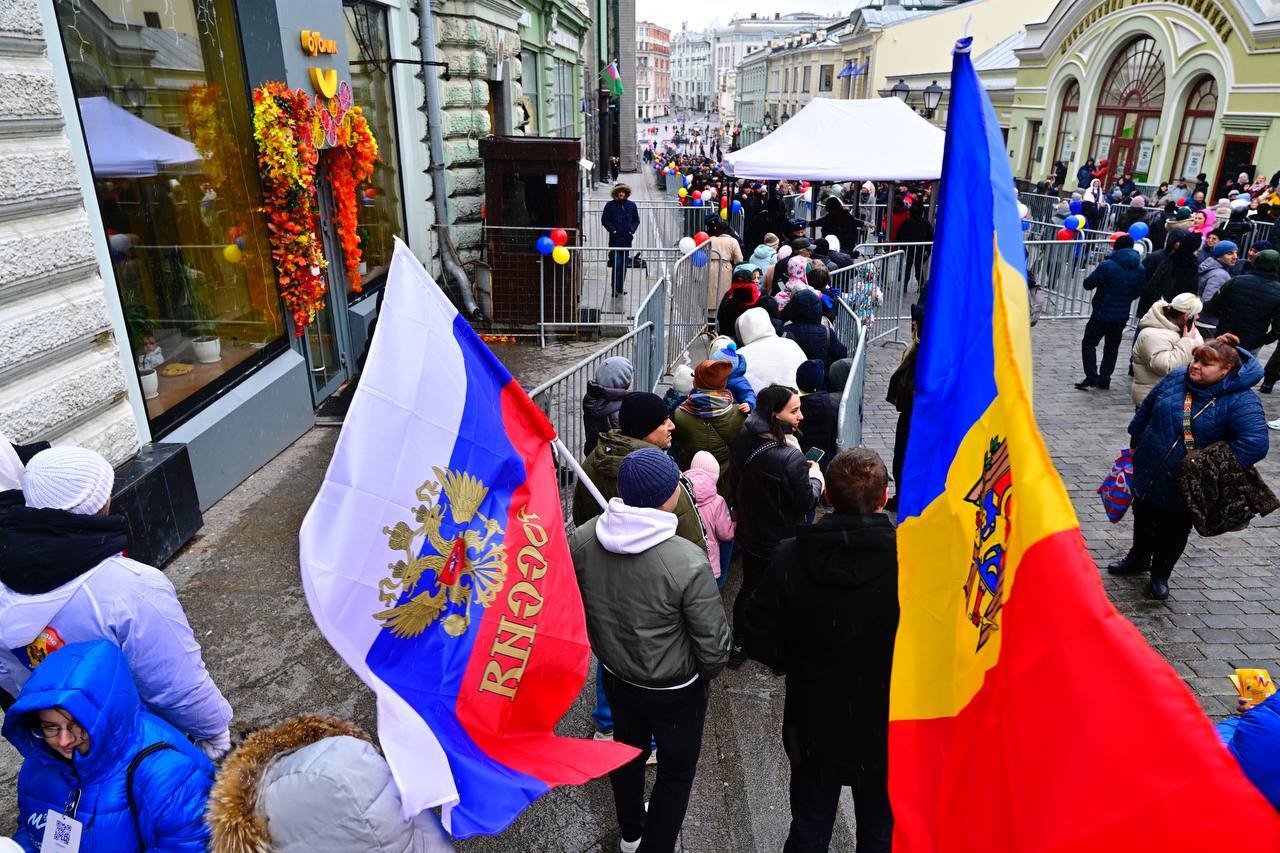
Moldova’s location on Ukraine’s southwestern border means that if Russia entrenches itself in Chișinău, Kyiv could face new pressure on its most vital Black Sea port. Odesa is Ukraine’s economic lifeline; cutting it off would strangle trade, grain exports, and access to the sea. Even without an outright offensive, the threat alone could force Ukraine to stretch its defenses further.
A Kremlin-friendly government in Chișinău would also lock Moldova into Moscow’s orbit politically, halting EU integration and entrenching Russian leverage. And with Russia already escalating hybrid attacks across Europe, Moldova could become the Kremlin’s next staging ground—a base for cheap, covert warfare that destabilises the continent from within.
For Russia, Moldova is not just another election. It is a battlefield in the wider struggle for Europe’s future—and its fate will echo far beyond Chișinău.
Discuss this article:



-72b63a4e0c8c475ad81fe3eed3f63729.jpeg "Photo of Cyril Barabaltchouk")

-074d33c70590226f6d1d6765f9d72107.png "How Pro-Kremlin Accounts Used a False Claim About UNITED24 to Target Ed Sheeran")