- Category
- War in Ukraine
Ukraine’s Drone Campaign Is Making the Sea of Azov Too Dangerous for Russia
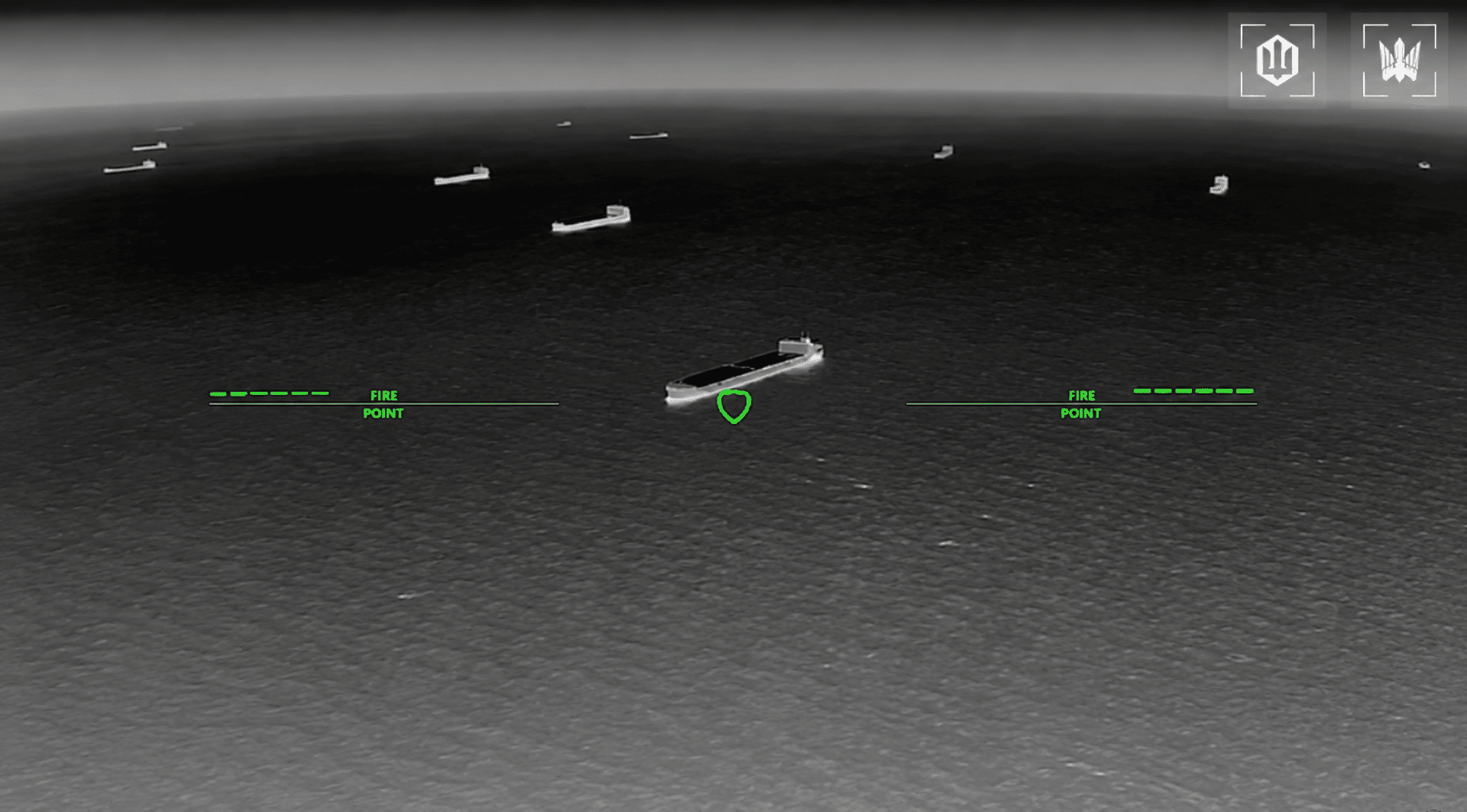
Ukrainian drones have struck 105 Russian vessels in just eight days, relentlessly targeting shipping in the Sea of Azov to isolate Crimea and disrupt Russia’s oil exports.
 Prefer U24 Media on Google
- Authors

-29a1a43aba23f9bb779a1ac8b98d2121.jpeg "Photo of Illia Kabachynskyi")
Over the course of one week, from July 6 to July 12, Ukrainian unmanned systems struck 90 Russian vessels in the Sea of Azov, including tankers, tugboats, ferries, and cargo ships.
Eight days into the operation, the total has reached 105 vessels hit.
To protect part of its fleet, Russia temporarily suspended navigation through the Don–Azov Canal and stopped accepting applications for passage through the Kerch Strait. The systematic campaign carried out by Ukrainian drone operators has produced rapid results.
Why Ukraine is targeting Russian vessels in the Sea of Azov
The overwhelming majority of Russia’s targeted vessels are river-sea class tankers—relatively small ships capable of operating both in seaports and on inland waterways. The Don–Azov Canal is one of their primary routes.
Russian shipowners have used these vessels for several purposes:
Delivering petroleum products to Crimea, as overland supply routes have been almost entirely cut off.
Exporting petroleum products to foreign markets.
Ship-to-ship oil transfers, transporting crude from the Sea of Azov into the Black Sea, where it is transferred to larger tankers.
By targeting these vessels, Ukraine is pursuing several strategic objectives simultaneously: further isolating Crimea and disrupting the export of crude oil through the Black Sea, thereby increasing economic pressure on the Russian Federation by restricting revenues from its oil and gas sector.
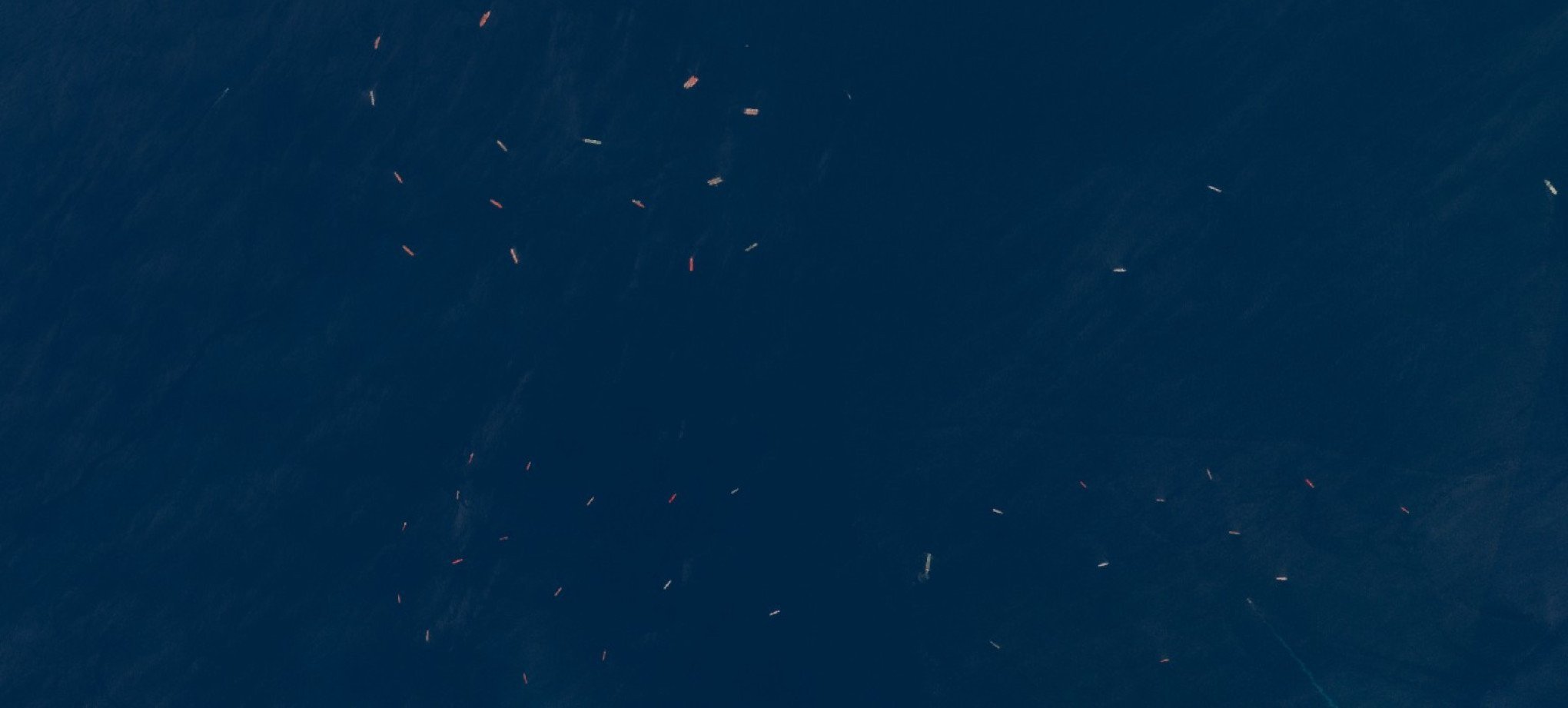
Targeting Russia’s maritime supply network
In addition to tankers, Ukrainian strikes have targeted tugboats, cargo vessels, and ferries—ships that support the overall logistics network along the occupied coastline and, among other functions, supply Russian-occupied Crimea.
Some vessels have been struck multiple times. The objective is not necessarily to sink them, but to inflict enough damage to send them into prolonged repairs, preventing them from performing their intended functions.
For Russia, the Sea of Azov is a critical logistical artery linking the occupied coastline with Crimea and supplying Russian forces deployed on the southern front. Both civilian and military cargo moves through the Kerch Strait and the Sea of Azov’s ports, including fuel, construction materials, food supplies, and components used to fortify defensive positions.
By disabling tankers that form part of Russia’s so-called shadow fleet, Ukraine is applying the same logic it has used in strikes against oil refineries deep inside Russia. The fewer vessels available to transport petroleum products, the more expensive and slower it becomes for Russia to supply fuel to occupied territories and its own military.
Another aspect of this strategy is the financial cost. These vessels belong to private companies operating in Russia, accepting considerable risks in pursuit of record profits. A drone strike halts commercial operations, sending a vessel to a repair dock instead of generating revenue. While shipowners may carry insurance, experience suggests that Russian insurers frequently refuse to cover damage caused by drone attacks. Owners of major oil refineries across Russia have faced the same problem for years. As a result, financial losses ripple throughout the entire supply chain.
Ukraine’s attacks also carry symbolic weight alongside their practical impact. After 2022, Russia sought to transform the Sea of Azov into what it viewed as an internal lake under its complete control, stretching from Mariupol to Kerch. It is now becoming a maritime space where no vessel can consider itself safe. If the pace of attacks seen over the past week continues, a Sea of Azov effectively free of Russian commercial shipping becomes a realistic objective.
Russia cannot stop Ukraine’s campaign
The worst part for Russia is that it has little it can do to counter these attacks. Protecting a vessel at sea is fundamentally more difficult than defending a fixed ground target or even an oil refinery. A tanker or tugboat is a slow-moving, lightly protected target designed for civilian operations rather than combat. Russia simply lacks sufficient means to defend against unmanned surface vessels and drones across such a vast body of water as the Sea of Azov, particularly when attacks occur almost every night and simultaneously at multiple locations.
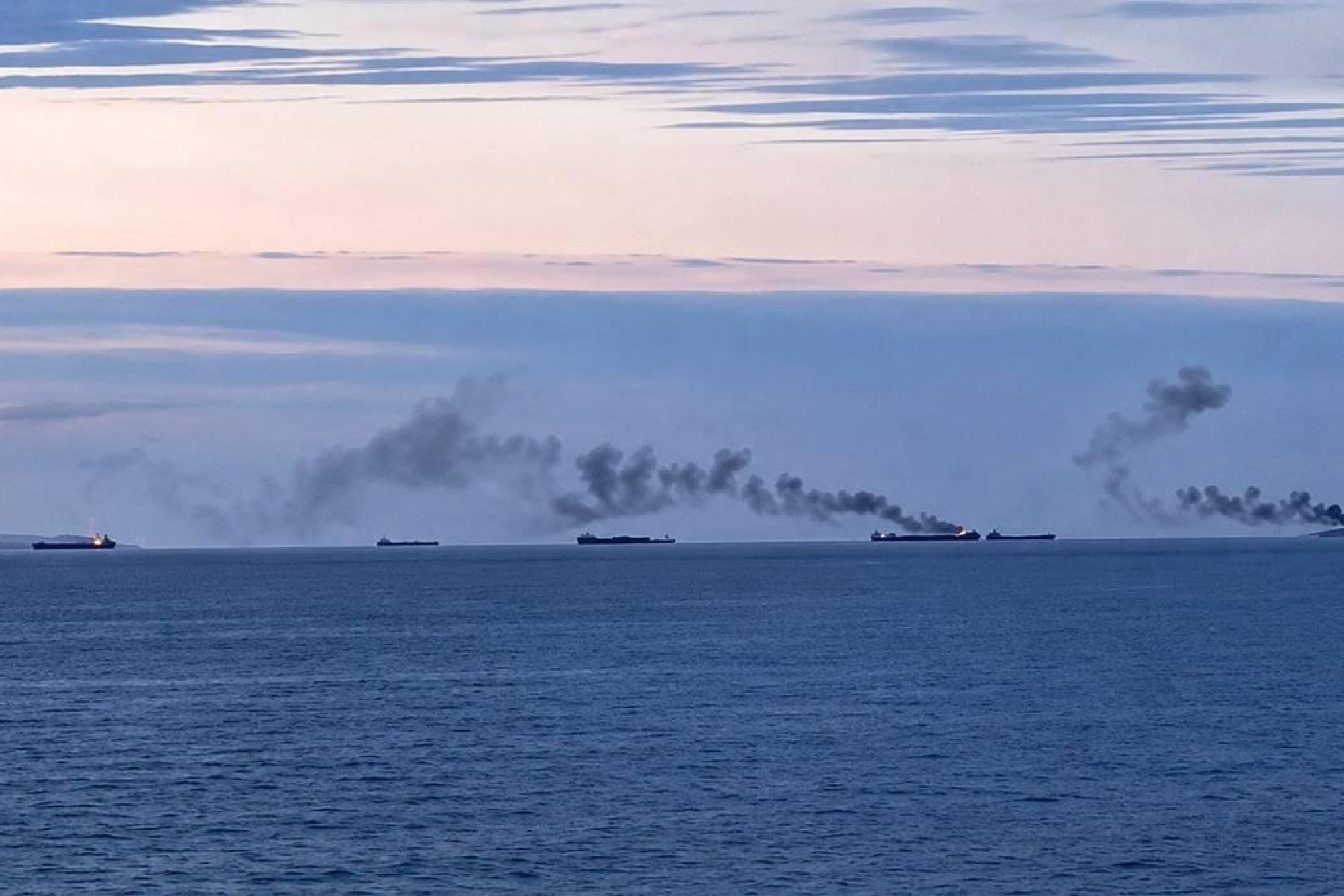
The suspension of shipping through the Don–Azov Canal is, in effect, an admission that Russia can no longer guarantee the safety of maritime traffic. The only available way to reduce losses is to scale back or temporarily halt vessel movements through the most dangerous sections. But shutting down shipping is itself costly: cargoes remain stranded, contracts are disrupted, and vessels sit idle instead of transporting fuel and goods. In other words, even without scoring a direct hit, Ukraine is forcing Russia to pay for its very presence in the Sea of Azov—whether through damaged vessels or through lost time and disrupted logistics.
Ukraine’s campaign against Russia’s maritime logistics follows the same strategy previously employed against Russian ground logistics in occupied Ukrainian territories and against oil refineries: relentless, systematic pressure. Dozens of strikes are carried out night after night, setting a pace that leaves Russia little opportunity to adapt. Rather than closing a single route, Ukraine is launching simultaneous, unpredictable attacks from multiple directions.
To sustain this level of pressure, Ukraine primarily needs resources—large quantities of drones and missiles. That is why continued financial support from international partners remains critical, enabling Ukraine to maintain the tempo of these attacks and denying Russia the time it needs to develop effective countermeasures.
Discuss this article:




-87c2fcc9eb515511a4049f71f4c02252.jpg "Geran-5 K5-K variant of the Russian drone.")