- Category
- War in Ukraine
Ukraine Hit Russian Oil Refineries Nearly 200 Times in First Half of 2026
 Prefer U24 Media on Google
- Authors


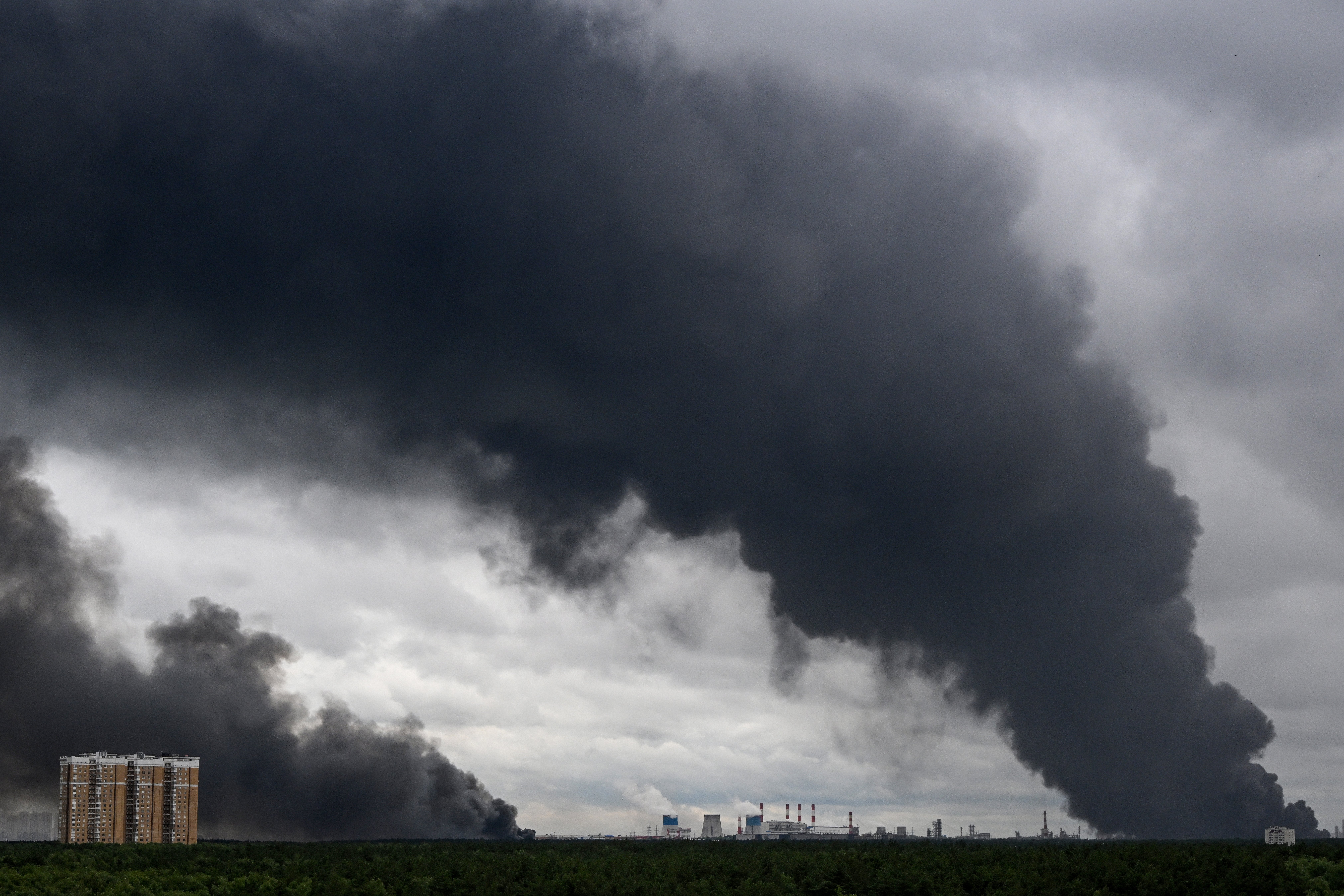
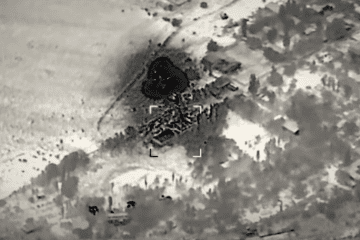
Ukrainian long-range drones have struck Russian oil refineries at least 194 times since the beginning of 2026, contributing to a growing fuel crisis inside Russia, Financial Times reported on June 5, citing its own analysis and data from Polish analytical group Rochan Consulting.
According to the report, Ukrainian strikes on Russian refineries reached a record monthly high in May, with 16 successful attacks. Overall, the number of refinery strikes during the first half of 2026 was 11 times higher than during the same period last year.
We bring you stories from the ground. Your support keeps our team in the field.
The Financial Times noted that the campaign has intensified despite Moscow's repeated claims that its air defenses intercept the vast majority of Ukrainian drones.
Official figures released by Russia's Defense Ministry claim that 63,933 Ukrainian drones were intercepted over Russian territory and temporarily occupied parts of Ukraine during the first six months of 2026.
According to the data, roughly half of those reported interceptions occurred during the last two months alone, with Russia claiming to have downed 14,195 drones in May and 17,832 in June. By comparison, monthly interception figures in January and February remained below 6,000.
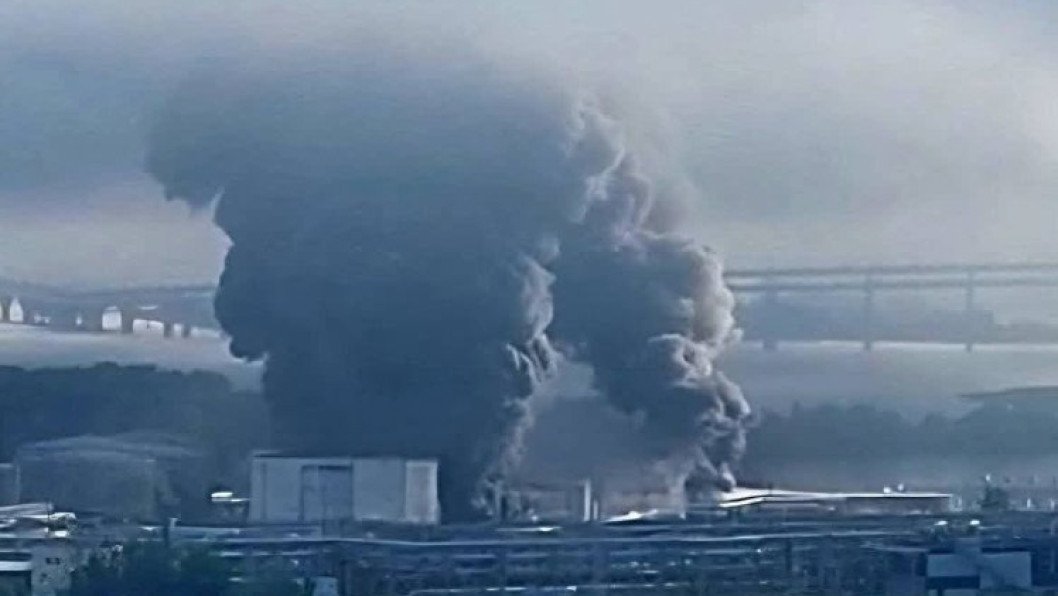
The report says the combined data on successful Ukrainian strikes and Russia's reported interceptions point to a sharp increase in both the scale of Ukraine's drone campaign and the number of drones successfully reaching strategic energy infrastructure.
“Ukraine has had a technological breakthrough, which allowed them to produce more long-range drones and increase overall mass production,” said Stefan Meister, head of the Eurasia Program at the German Council on Foreign Relations.
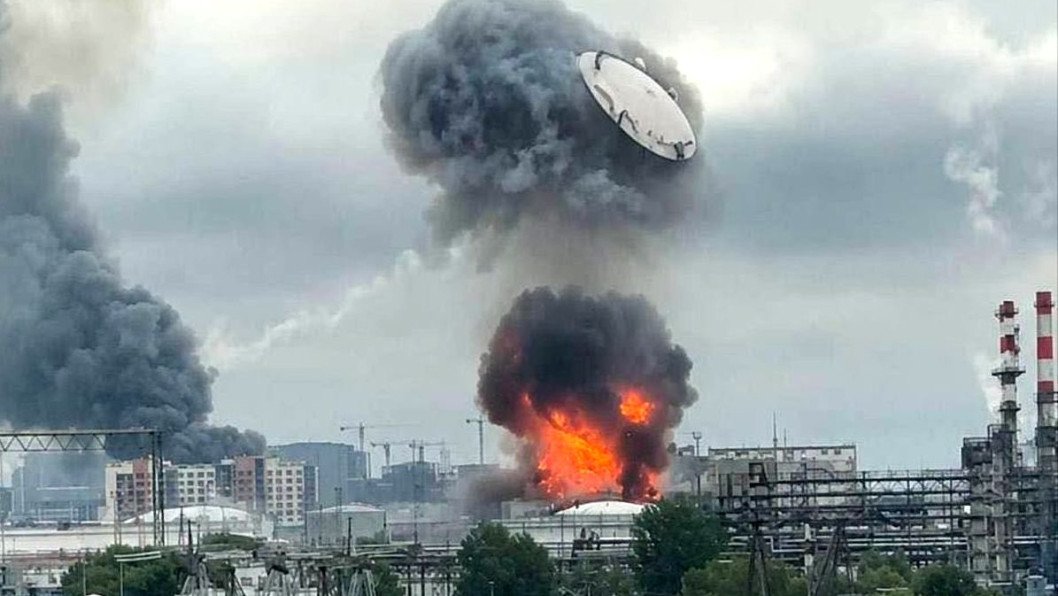
The strikes form part of a 40-day strategic campaign approved by President Volodymyr Zelenskyy and carried out by the Security Service of Ukraine. The operation is designed to intensify pressure on Moscow by targeting military facilities, defense-industrial enterprises, logistics hubs, and energy infrastructure supporting Russia's war effort.
The development comes as Ukraine launched a drone strike overnight on July 6 targeting Russia's Slavneft-YANOS oil refinery in the Yaroslavl region—one of the country's largest oil refining facilities—with local residents reporting multiple explosions at the site.
Discuss this article:


-c439b7bd9030ecf9d5a4287dc361ba31.jpg "Photo of Katherina Popilnichenko")
-72b63a4e0c8c475ad81fe3eed3f63729.jpeg "Photo of Cyril Barabaltchouk")