- Category
- War in Ukraine
One of Russia’s Largest Oil Refineries Hit as Ukrainian Drones Target Slavneft-YANOS
 Prefer U24 Media on Google
- Authors


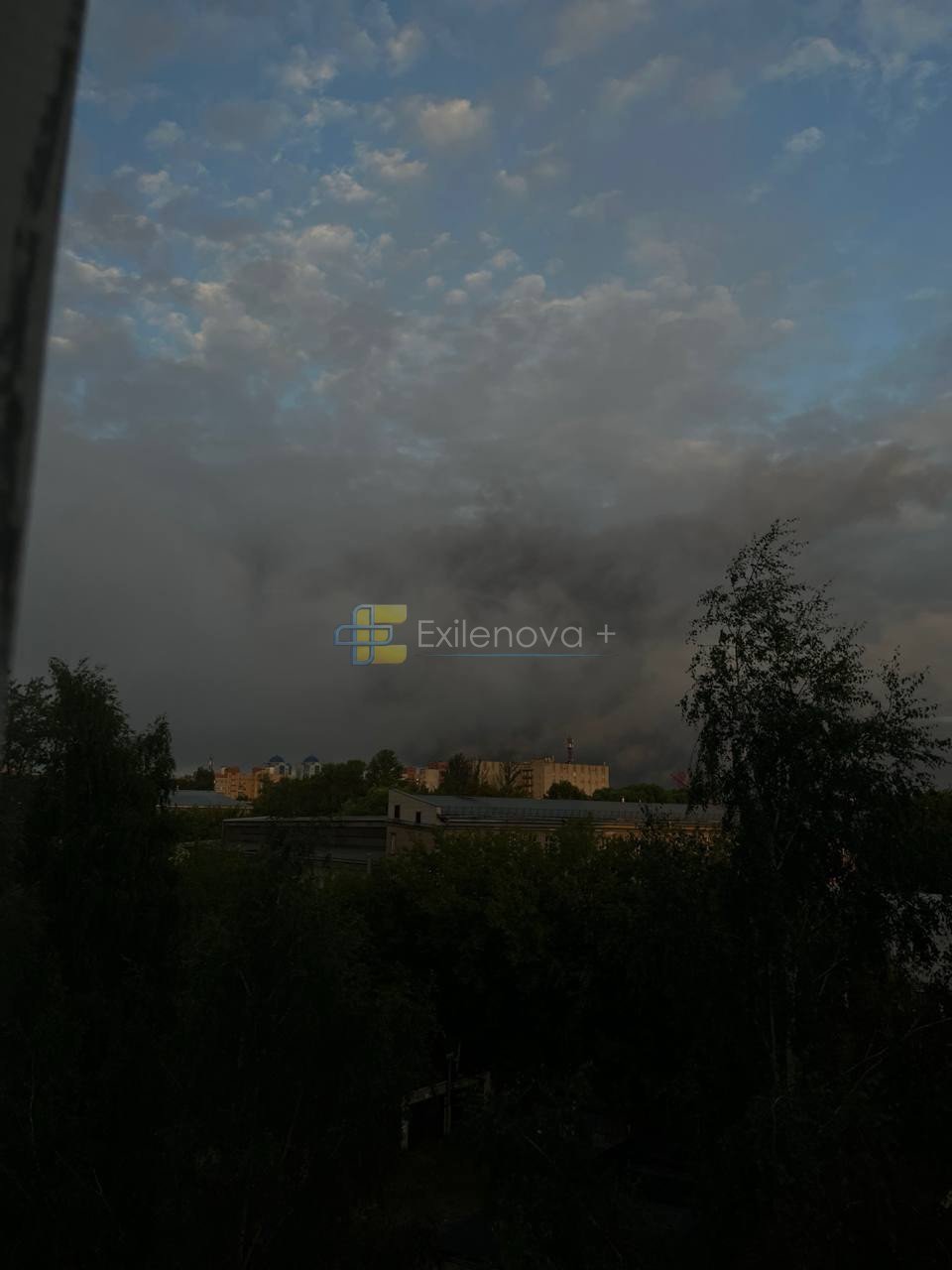
Drones targeted the Slavneft-YANOS oil refinery in Russia’s Yaroslavl overnight on July 6, with local residents reporting a series of explosions at the facility, according to Telegram channel Exilenova+.
We bring you stories from the ground. Your support keeps our team in the field.
Videos published by the channel show the aftermath of the strike near the refinery.
Yaroslavl region Governor Mikhail Yevrayev acknowledged that the region had come under what he described as an attack by “enemy Ukrainian UAVs.”
Yaroslavl. Life is good😎 pic.twitter.com/hVsVckm6Qy
— Exilenova+ (@Exilenova_plus) July 6, 2026
Yevrayev said traffic was temporarily restricted near the refinery during the attack. As a precaution, authorities closed the outbound route from Yaroslavl toward Moscow.
The restrictions were lifted after 04:00 local time, and the governor later announced that traffic had fully resumed shortly after 07:00.
Yaroslavl, locals report a successful attack on the oil refinery. pic.twitter.com/CRRatsCEDj
— Exilenova+ (@Exilenova_plus) July 6, 2026
About Slavneft-YANOS oil refinery
The Slavneft-YANOS refinery is one of Russia’s largest oil processing facilities, with an average annual refining capacity of approximately 15 million metric tons of crude oil, placing it among the country's five largest refineries.
The plant is operated by PJSC Slavneft Oil and Gas Company, 99.7% of which is jointly owned on an equal basis by Russian state-controlled energy giants Rosneft and Gazprom.
-c65beef38eb42c5c49f25778e5905100.jpg)
The attack comes amid a 40-day strategic campaign authorized by President Volodymyr Zelenskyy and executed by the Security Service of Ukraine. to increase pressure on Russia to bring its war to an end. The operation involves a series of long-range strikes targeting military facilities, defense industry sites, logistics hubs, and energy infrastructure that underpin Russia’s military operations.
Overall, according to figures released by Ukraine's General Staff on July 4, Ukrainian long-range strikes have disabled 42.74% of Russia's total oil refining capacity by design throughput. Ukrainian military officials say the sustained campaign has disrupted refinery operations, damaged fuel storage facilities, and placed increasing strain on Russia's fuel supply network.
Discuss this article:
-4a56a6b482ec132402c16ef6fcabf9a2.png)

-c439b7bd9030ecf9d5a4287dc361ba31.jpg "Photo of Katherina Popilnichenko")
-72b63a4e0c8c475ad81fe3eed3f63729.jpeg "Photo of Cyril Barabaltchouk")