- Category
- World
Escalating Black Sea Shipping Risks Push Russian Grain Terminals to Limit Deliveries
 Prefer U24 Media on Google
- Authors

-c439b7bd9030ecf9d5a4287dc361ba31.jpg "Photo of Katherina Popilnichenko")
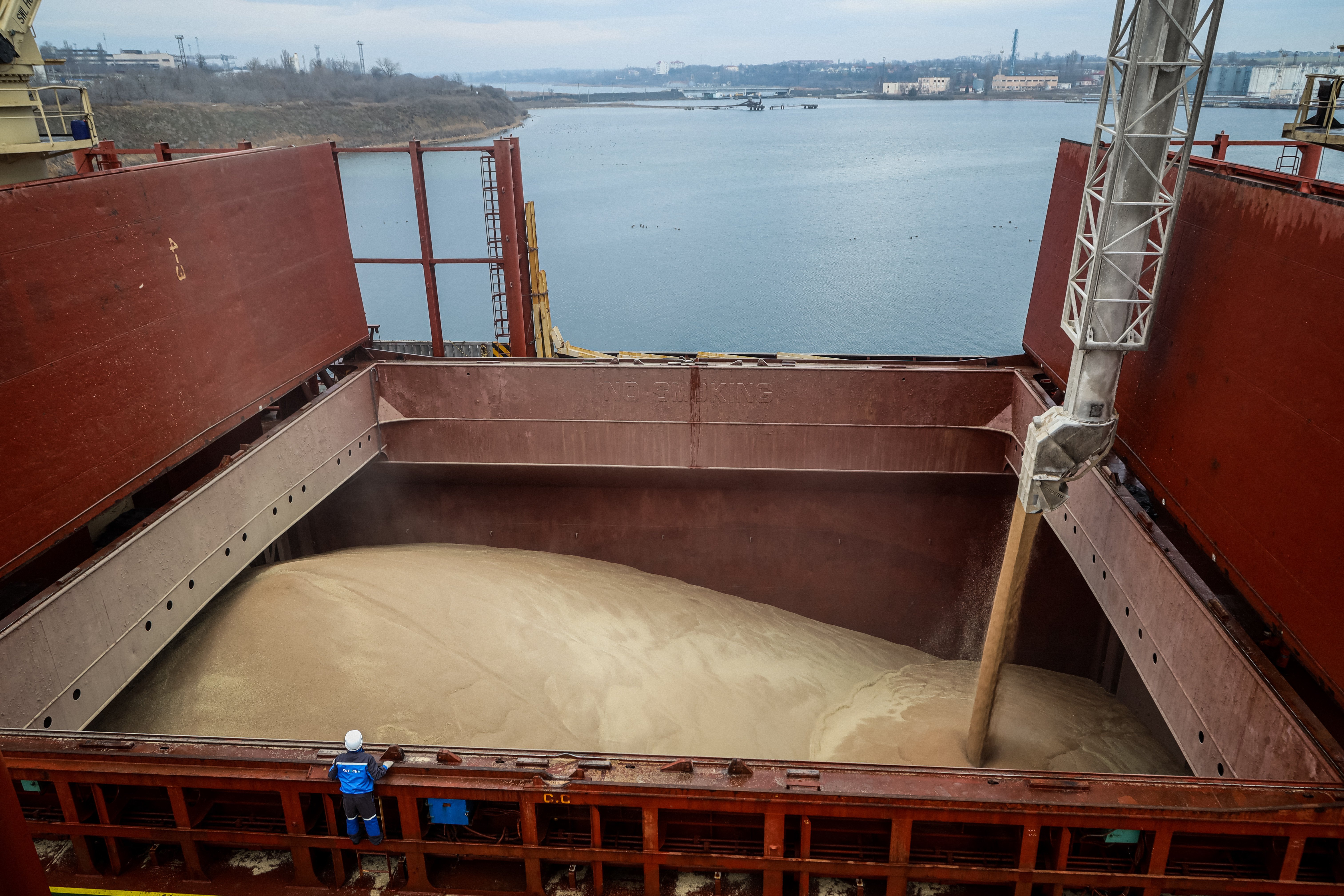
Three major Russian Black Sea grain export terminals with a combined capacity of over 20 million metric tons per year—out of Russia's total annual sea grain exports of about 50 million metric tons—have limited truck deliveries.
The restriction affects the NZT and KSK terminals in the port of Novorossiysk and the ZTKT terminal in Taman, as reported by Reuters on July 28.
We bring you stories from the ground. Your support keeps our team in the field.
The decision comes as maritime security risks rise in the Black Sea and cargo volumes increase following earlier shipping restrictions in the Sea of Azov, where about a quarter of Russia’s grain exports typically pass. Russia restricted shipping through the Sea of Azov earlier this month after Ukrainian drone strikes targeted several Russian grain vessels.
To compensate, authorities redirected grain shipments from southern regions to deep-water Black Sea terminals via trucks and rail. However, security risks near Black Sea ports have also intensified since Russia’s full-scale invasion of Ukraine.
"Risks have increased, and fewer people are willing to take bold, reckless risks," one industry source noted.

The affected facilities supply key international markets, including Egypt and Turkey. While the NZT and KSK terminals in Novorossiysk receive roughly one-third of their grain by truck and can accept rail deliveries from southern Russia, the ZTKT terminal in Taman relies entirely on truck transport, according to Reuters.
Terminal owners Demetra and Delo Group did not respond to requests for comment. Logistical pressures have built up across the region. Port Kavkaz, which was used to transfer grain from smaller Azov Sea vessels to larger ocean ships, was shut down shortly after the July 10 Sea of Azov shipping limits took effect.
Additionally, a nighttime navigation ban in and out of Novorossiysk, enacted a week ago following drone attacks, remains in place. Russian exporters are now looking for safer alternative transport routes.
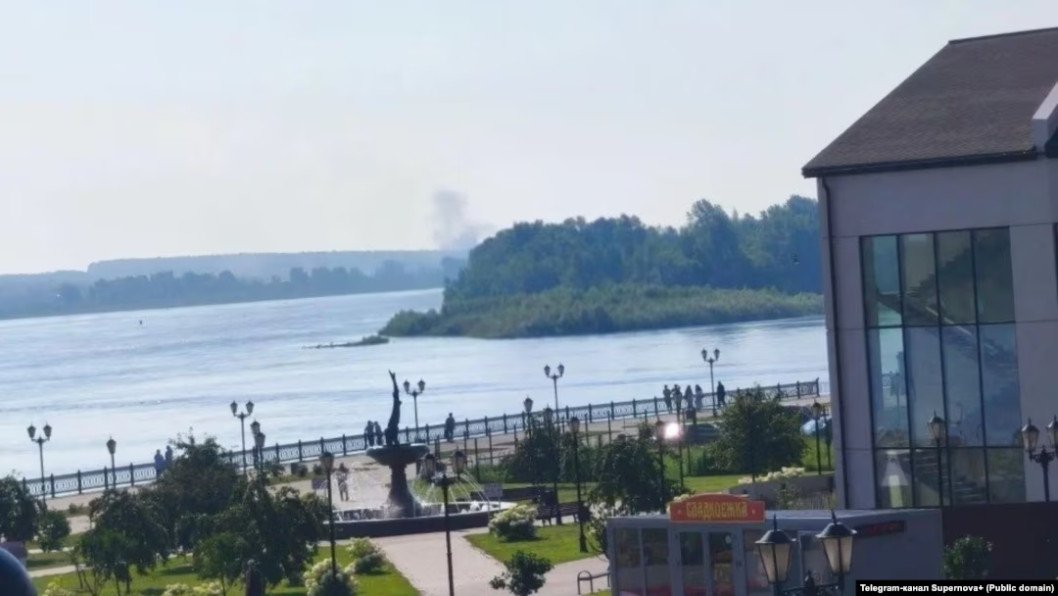
Baltic Sea ports are expected to become the primary alternative for shipments in the near future. While Caspian Sea routes remain an option, they mostly serve shipments to Iran, and volumes there have not grown since mid-July due to broader regional security risks and a recent attack on an Iranian vessel.
Over the course of a week from July 6 to July 12, 2026, Ukrainian unmanned systems carried out a systematic campaign in the Sea of Azov, striking 90 Russian vessels—including tankers, tugboats, ferries, and cargo ships—before reaching a total of 105 vessels targeted within eight days.
In response to the continuous drone attacks, Russia temporarily suspended navigation through the Don–Azov Canal and stopped processing applications for passage through the Kerch Strait to protect its fleet.
The operation targeted river-sea class tankers and support ships used to deliver fuel to Crimea, transfer crude oil into the Black Sea, and sustain Russian military logistics along the occupied coastline.
Discuss this article:



-111f0e5095e02c02446ffed57bfb0ab1.jpeg "Photo of Roman Kohanets")



-72b63a4e0c8c475ad81fe3eed3f63729.jpeg "Photo of Cyril Barabaltchouk")