- Category
- World
Russian Banks Shut Record Number of Branches Since 2017
 Prefer U24 Media on Google
- Authors

-c439b7bd9030ecf9d5a4287dc361ba31.jpg "Photo of Katherina Popilnichenko")
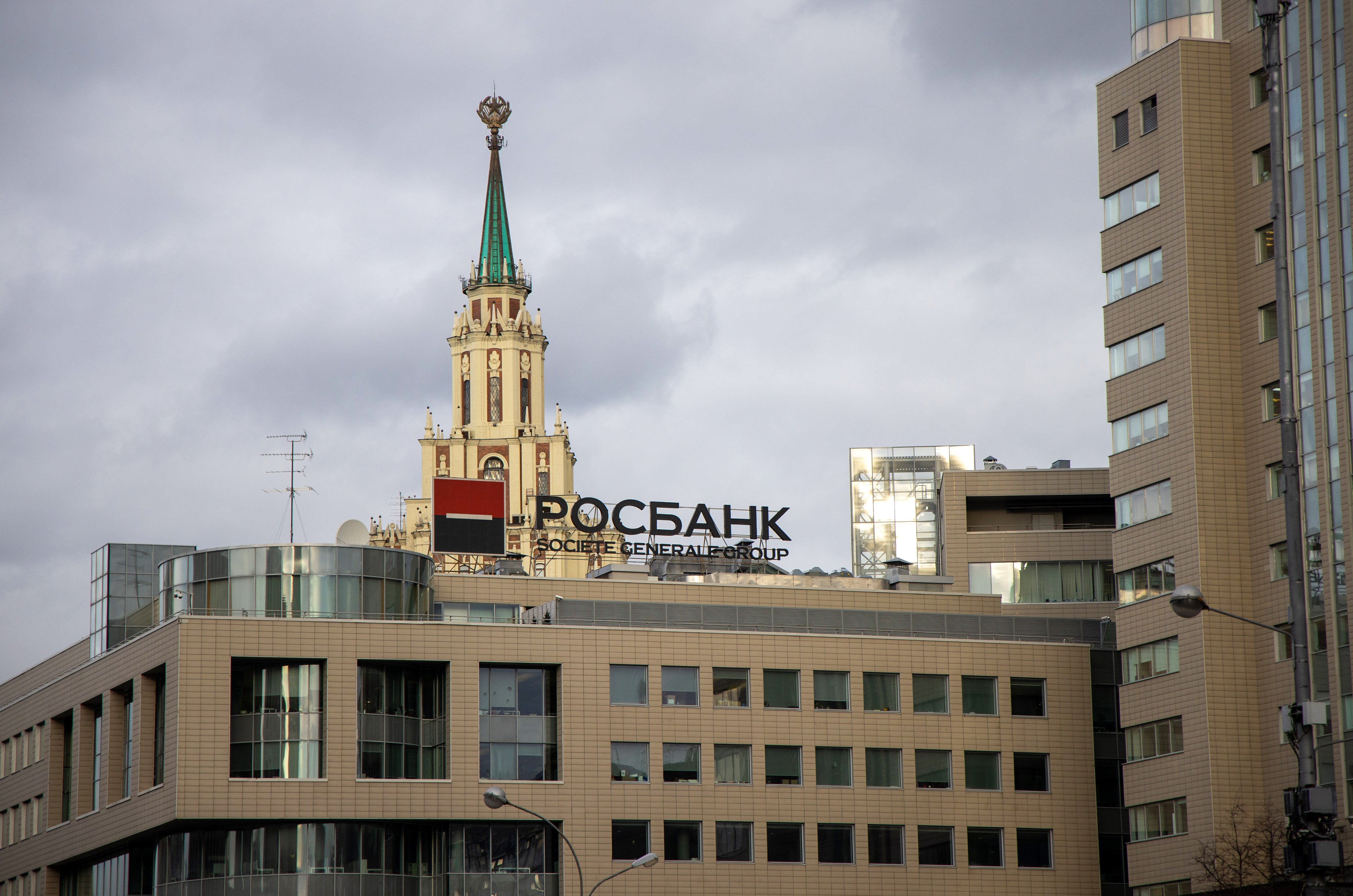
Russian banks have sharply accelerated the closure of their branch networks, shutting down 1,370 additional offices between January and August 2026.
Data from the Central Bank of Russia analyzed by Izvestia shows an average of 196 branches closing each month.
We bring you stories from the ground. Your support keeps our team in the field.
Sberbank accounted for roughly 40% of all closures, eliminating nearly 540 locations since the beginning of the year. This downsizing marks the largest net reduction in Russia's physical banking network over the last seven years.
The reduction in physical branches comes even as frequent mobile internet outages impede remote banking services. "At the same time, banks have accelerated the liquidation of branches against the background of regular shutdowns of mobile internet, which make remote service impossible," said Ilya Larin, lead credit ratings analyst at Expert RA.
Stricter oversight of financial operations has also led to a rise in account freezes, which routinely demand physical visits to resolve. "Also, due to the tightening of control over banking operations, an increasing number of Russians are facing account blocks, and to lift restrictions, they are required to visit a branch in person," added Vasily Kutin, head of analytics at Ingo-bank.
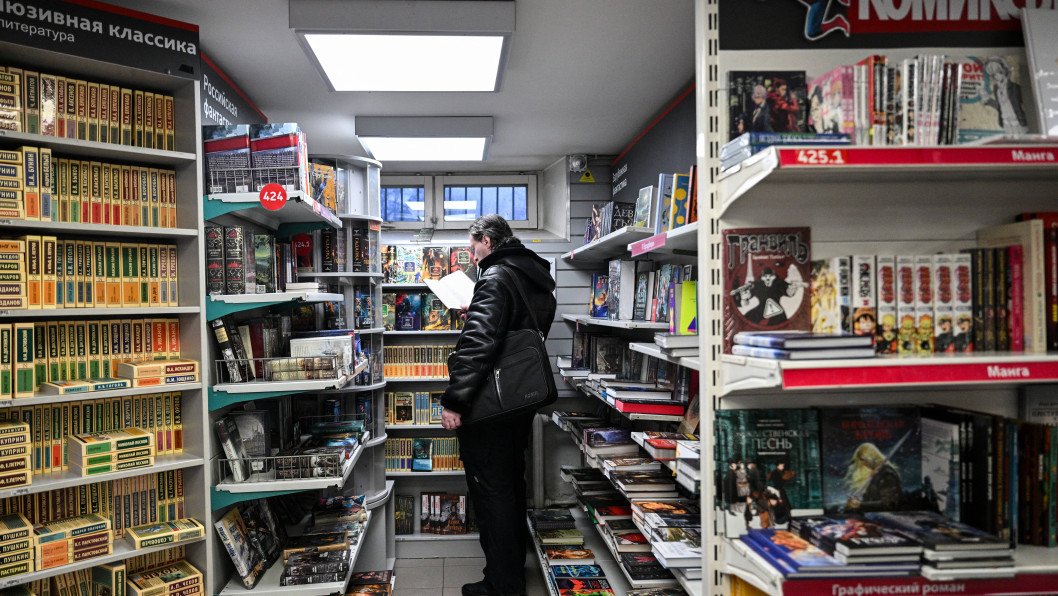
Network optimization allows financial institutions to curb expenditures amid rising operational costs and labor shortages. "At the same time, optimization of the office network reduces the costs of credit institutions that face rising expenses and a shortage of employees," said Natalia Milchakova, lead analyst at Freedom Global.
She estimated that as customers transition to digital services, the total number of physical branches could shrink by 2 to 2.5 times over the next five years, dropping to roughly 12,000 locations nationwide.
Despite these cutbacks, complete elimination of physical branches remains unlikely. "At the same time, banks will not be able to completely abandon offices. Due to the scale of the country and uneven penetration of technologies, a significant portion of customers still prefers in-person service, and part of the operations requires physical presence," noted Konstantin Borodulin, managing director of financial institution ratings at NRA.
Financial institutions must balance cost efficiency with customer accessibility across regions.
"Banks will have to look for a balance between the economic efficiency of the network and the availability of banking services for the population. Simple operations will increasingly move to the digital channel, while branches will be used primarily for complex products, consultations, and situations where help from an employee cannot be dispensed with," Borodulin concluded.
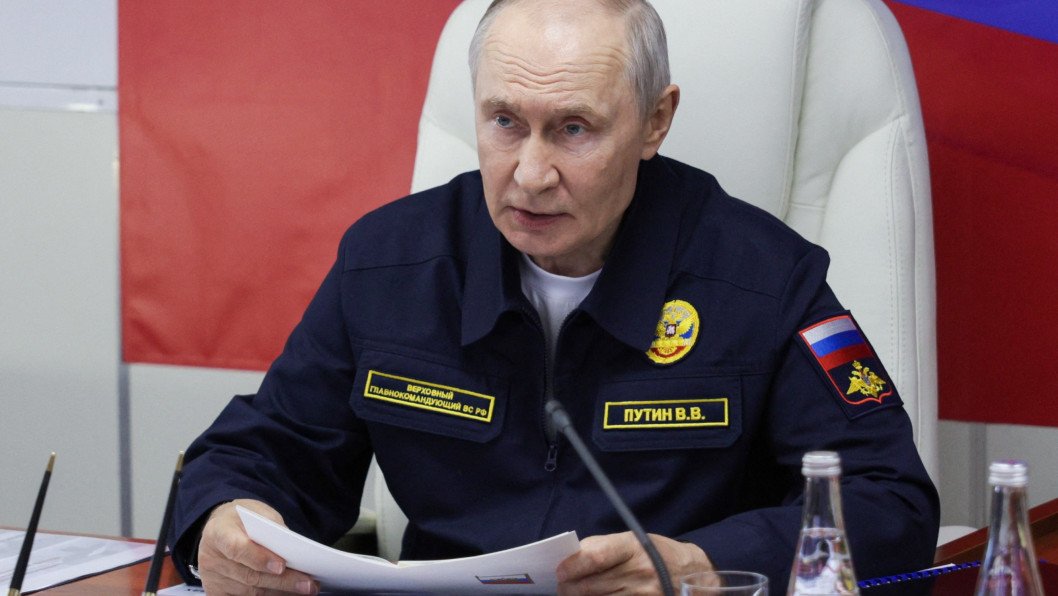
The widening deficit and mounting pressure on the national currency reflect a wider strain on Russia’s public finances.
According to a recent analysis, Russia had directed nearly every second ruble from its federal budget toward military-related spending during the first quarter of 2026.
This record surge pushed defense expenditures to 5.9 trillion rubles ($75 billion)—consuming nearly two-thirds of all government revenue during those three months—and ultimately drove the country’s cumulative federal budget deficit to approximately 6 trillion rubles ($76.4 billion) by the end of May.
Discuss this article: