- Category
- War in Ukraine
Russia Is Paying Five Times More for Every Dollar Ukraine Spends on Strikes
 Prefer U24 Media on Google
- Authors


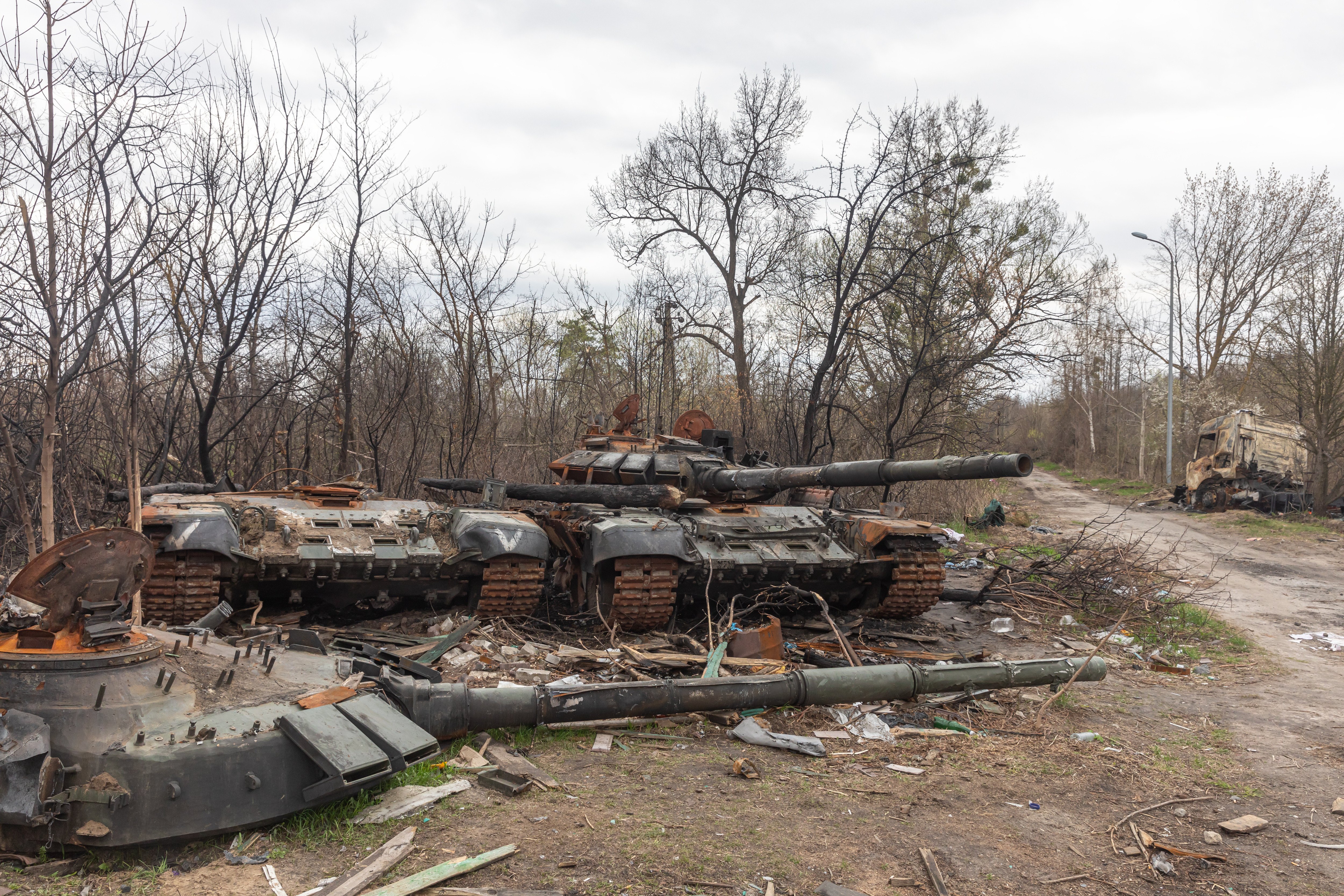
Ukraine’s Armed Forces are inflicting losses on Russia worth several times more than the cost of the weapons used to cause them, according to data tracked by the Mission Control module of Ukraine’s DELTA battlefield management system, the Ministry of Defense reported on August 17.
The numbers offer a detailed look at the economics of Ukraine’s battlefield strikes.
We bring you stories from the ground. Your support keeps our team in the field.
According to Mission Control data for June, every $1 Ukraine spent on engaging Russian targets produced approximately $5 in estimated losses for Russia.
Mission Control was launched six months ago and has rapidly become a major source of battlefield data for Ukrainian commanders.
The system now processes around 50,000 combat missions every week, along with more than 230,000 reports documenting their results.
MoD Weekly Update 🇺🇦💪 pic.twitter.com/Z7W9H8kN5K
— Defense of Ukraine (@DefenceU) August 15, 2026
Every mission is recorded, allowing Ukrainian units to examine whether an operation succeeded, identify what worked and what failed, determine why, and adjust tactics for future missions.
The system also calculates how much Ukraine spends, on average, to engage different types of targets.
In June, the average cost was approximately $3,032 per Russian servicemember targeted, $2,674 per piece of military equipment, and $1,487 per infrastructure target, according to the Defense Ministry.
For comparison, Mission Control estimates that sustaining a single Russian servicemember costs Moscow approximately $65,000.
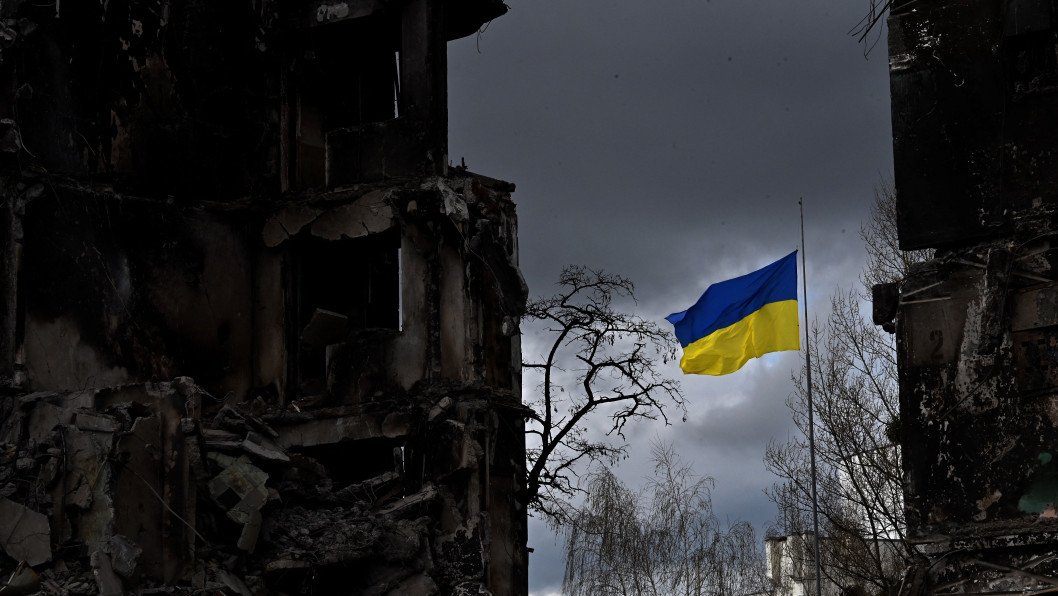
That cost disparity is particularly important for Ukraine, which is increasingly trying to maximize the battlefield effect of relatively inexpensive drones, precision weapons, and other strike systems against higher-value Russian personnel, equipment, and infrastructure.
Mission Control does more than calculate the cost of individual strikes.
The system categorizes missions by purpose, including reconnaissance, strikes, logistics, and evacuation. It also tracks how deep units operate, including missions conducted beyond 20 kilometers and 50 kilometers from the front.
Commanders can examine which weapons and systems individual units are using, how effectively they are employing them, and how much each successful engagement costs.
-18c8b7fe1b5fa5887e16c3a8eb915cba.jpg)
The platform separately records Ukrainian equipment losses, allowing military planners to determine the conditions and distances at which vehicles, drones, and other systems are most likely to be lost.
That creates a feedback loop in which battlefield performance can be measured not only by whether a target was hit, but by how much it cost, which weapon worked best, how far from the front it was used, and what Ukraine lost in the process.
Ukraine’s Defense Ministry says the growing pool of data allows units to adapt faster as battlefield conditions change and improve the efficiency of future combat missions.
Earlier, reports emerged that Russia suffered nearly 43,000 battlefield casualties in July 2026, making it the Russian military’s highest monthly loss figure since January 2025, while Ukrainian forces recorded their largest territorial gains in more than a year.
Discuss this article: