- Category
- War in Ukraine
Putin Is Dragging Russia Into Years of War With Its Biggest Mobilization Since 2022
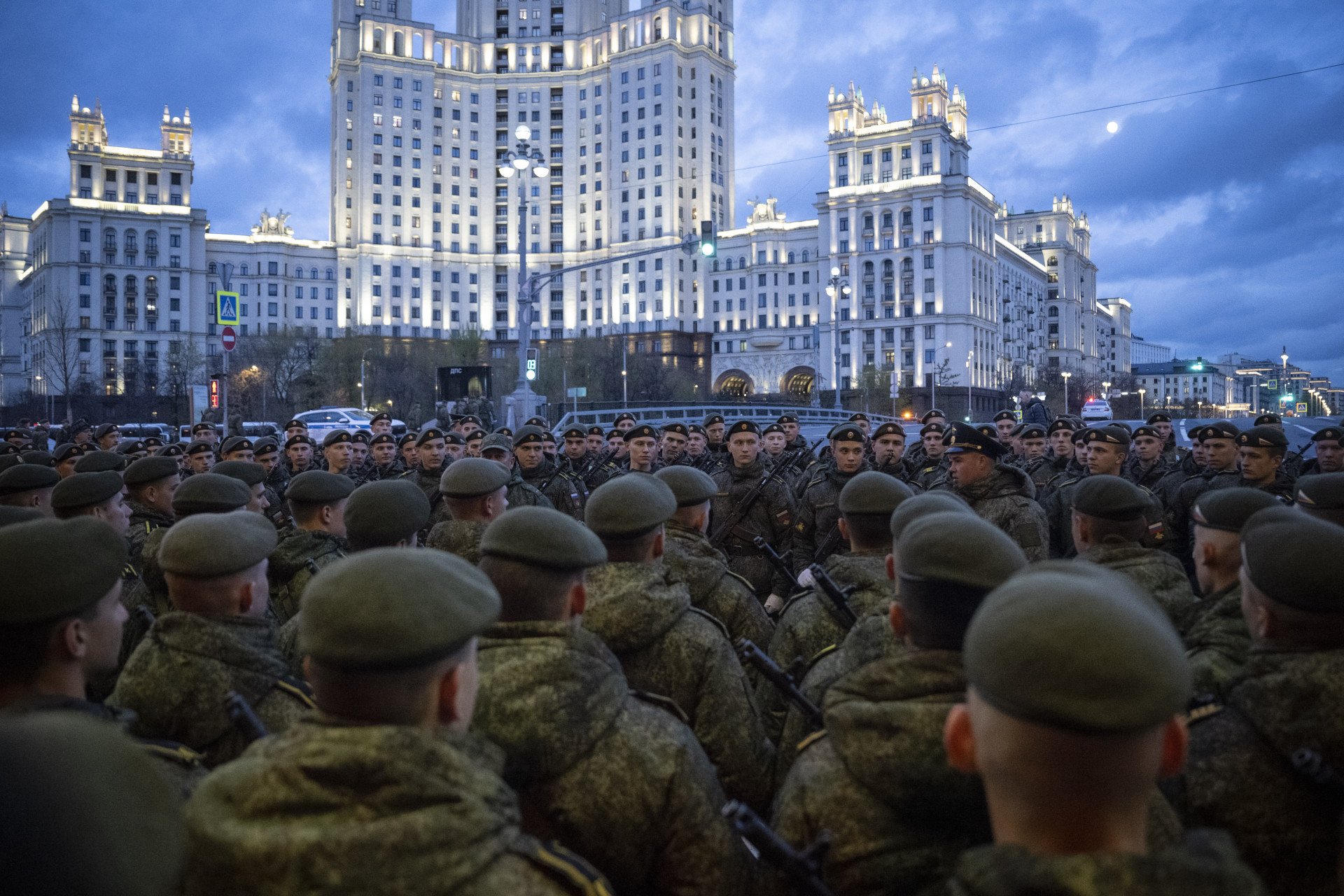
Ukrainian intelligence has detected signs that Russia is preparing a new wave of mobilization immediately after the staged State Duma elections on September 21, 2026, likely in the first days of October. The campaign could involve between 300,000 and 500,000 new recruits.
 Prefer U24 Media on Google
- Authors

-29a1a43aba23f9bb779a1ac8b98d2121.jpeg "Photo of Illia Kabachynskyi")
The reason behind this politically costly step for Vladimir Putin is the failure of Russia’s recruitment system: the contract-based model that sustained the Kremlin over the past two years is no longer keeping pace with battlefield losses.
Preparations for Russia’s mobilization are confirmed by internal Russian documents, says President Volodymyr Zelenskyy, citing a report from Ukraine’s Defense Intelligence (HUR). The new draft is expected to begin in early October.
Up to 500,000 people could be mobilized, Ukraine’s Center for Countering Disinformation estimates. Some of the recruits would be rushed to the eastern front within two weeks to fill immediate manpower shortages, while others would undergo a month of training—potentially indicating preparations for opening a new operational direction.
Preparatory measures are already visible. Russia has seen a sharp increase in job postings related to military registration and enlistment administration—positions responsible for processing new recruits into the armed forces. Such staffing increases are only necessary if authorities expect a large influx of conscripts.
Why Russia can no longer recruit enough soldiers
Russia’s first—and so far only—wave of mobilization took place in 2022 and triggered widespread public backlash. Roughly one million people left the country, most of them educated professionals who represented an important segment of the labor force. After that, the Kremlin abandoned open mobilization.
Instead, it turned to money. Throughout 2023 and 2024, Russia relied almost exclusively on contract soldiers, offering generous signing bonuses and regional financial incentives to offset battlefield losses.
That model began to falter in 2025. During the year, Russia signed 10% fewer contracts than in 2024. The decline accelerated in 2026. In the first quarter alone, the number of new contracts fell 20% year-over-year. Only 71,200 recruits received signing bonuses, despite plans to enlist at least 90,000 to 100,000 volunteers.
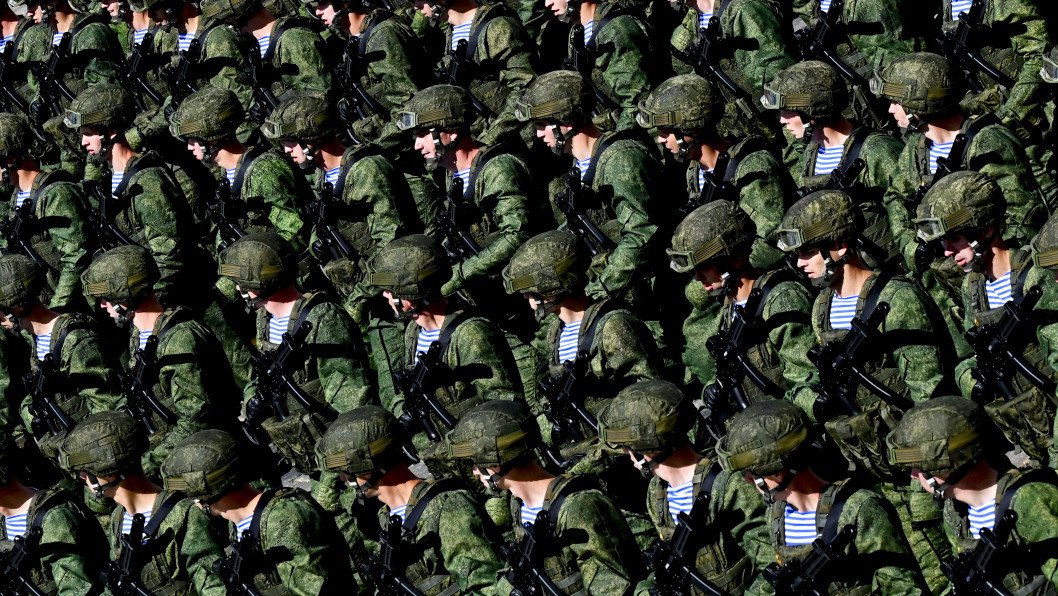
By spring, the flow of volunteers willing to sign contracts had dropped by roughly one-third compared with the same period in 2025. Instead of 1,500 to 1,700 new contracts per day, recruiters were signing only 800 to 1,200. For the first time since the full-scale invasion began, the size of Russia’s force fighting in Ukraine stopped growing.
By early July, recruiters had failed to meet even half of the annual recruitment target, while daily enlistment figures continued to lag behind previous years. Out of a planned 204,500 contracts for that point in the year, only about 195,000 had actually been signed.
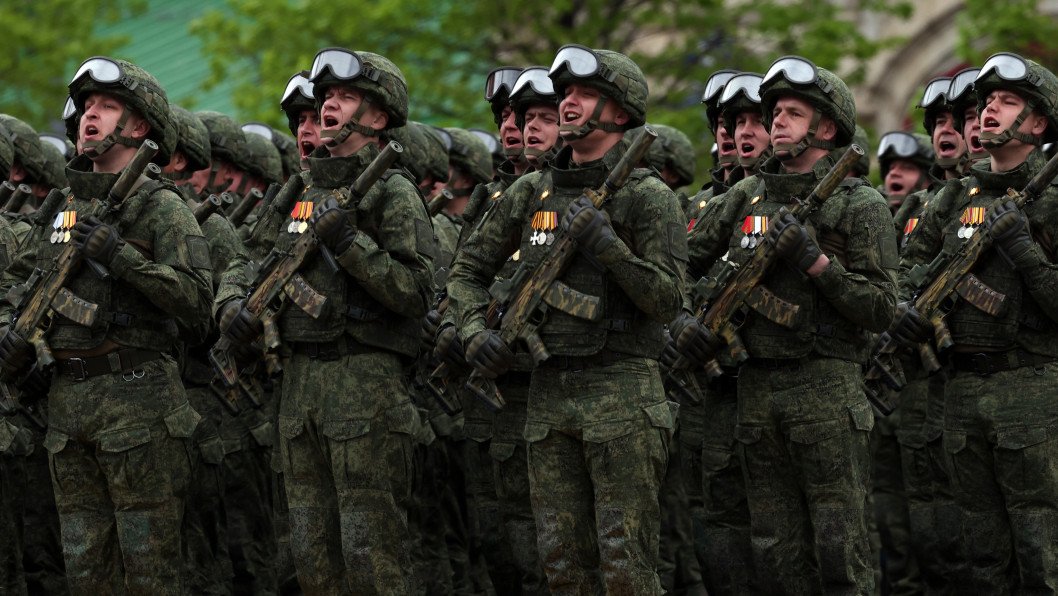
Another figure is equally revealing. Russia suffered approximately 196,700 personnel losses during the first half of 2026, says Ukraine’s General Staff. In other words, the number of newly recruited contract soldiers had almost completely converged with the number of troops lost. Contract recruitment is no longer generating a net increase in manpower and, during some periods, has barely been sufficient to replace battlefield casualties.
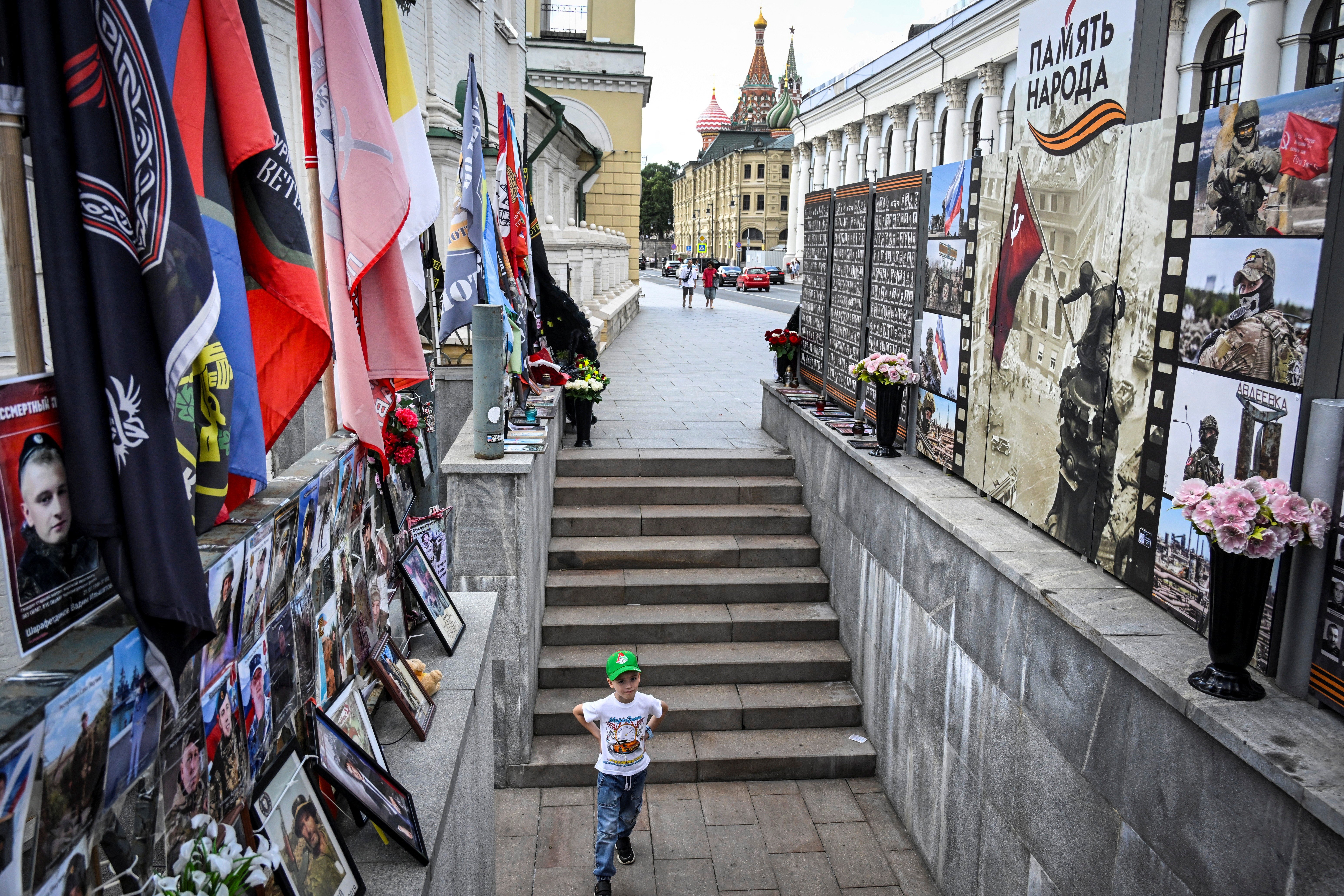
This marks a turning point not seen since the beginning of the full-scale invasion. Russia entered the war with roughly 200,000 troops committed to the campaign before rapidly expanding its force in Ukraine to more than 700,000 personnel.
Expanding Russia’s army despite mounting losses
It is no longer a secret that Russia’s offensive in Ukraine has stalled. During the first six months of 2026, Moscow failed to achieve the kind of visible results Putin had hoped for. The campaign has become slow and extremely costly. Russia has yet to fully capture the Luhansk region, while in the Donetsk region, casualties per square kilometer have reached extraordinary levels—more than 300 to 400 troops for every square kilometer gained.
The spring offensive alone cost the Kremlin approximately 100,000 killed and wounded while producing little to show for it. Russian forces now capture no more than about 100 square kilometers each month and, in some areas, are losing previously seized territory to Ukrainian counterattacks.
Putin believes that mobilizing an additional 300,000 to 500,000 troops could reverse the course of the war and provide fresh momentum for his military campaign. That is why the Kremlin appears willing to accept the domestic political costs of another mobilization, despite the negative public reaction it is likely to provoke.
The process is expected to begin in early October, immediately after the State Duma elections at the end of September. The Kremlin’s preferred political parties will already have secured their seats, while candidates advocating an end to the war have reportedly been removed from the ballot.
The decision to wait until after the election suggests the Kremlin still sees mass mobilization as politically risky, despite years of wartime propaganda.
At the same time, Putin continues to expand the Russian Armed Forces on paper through a series of presidential decrees. Since the start of the full-scale invasion, he has signed six such decrees, with the pace accelerating noticeably in recent months. Three of the six have been issued within the past six months alone.
-d62a94f8a4f6bf6854753cdee5a9431f.jpg)
In July 2026, the authorized strength of the Russian Armed Forces increased to 2,426,130 personnel, including 1,535,000 active military service members. Before the war, Russia’s military was authorized at roughly 1.9 million personnel, with just over one million active troops.
The combination of declining contract recruitment and steadily expanding authorized force levels points logically toward mobilization. The larger official military structure creates vacancies that voluntary recruitment can no longer fill, leaving mobilization as the only way to rapidly close the gap without admitting that the contract-based system has failed.
Would 500,000 more Russian troops change the war?
Mobilizing hundreds of thousands of additional troops would provide Putin with a larger reserve pool, but it would not solve Russia’s fundamental problem. The war has become too technologically advanced for sheer manpower alone to determine the outcome. The battlefield’s so-called kill zone is now saturated with drones, meaning that larger assault formations would likely produce only higher Russian casualty rates. Even today, attempts to break through Ukrainian defenses using large concentrations of armored vehicles have consistently failed: the equipment is destroyed, and the soldiers are killed.
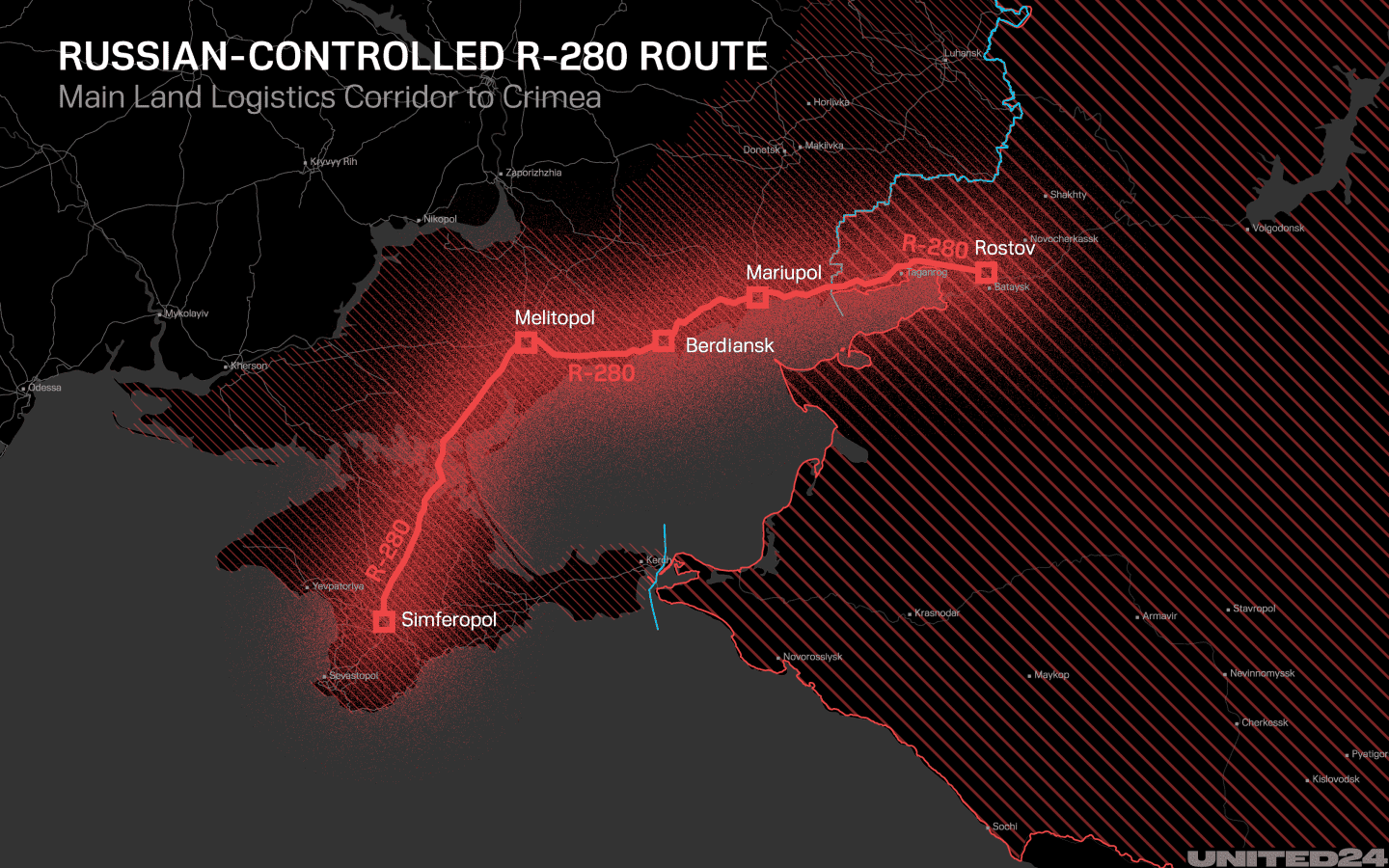
Ukraine is steadily increasing the cost of the war for Russia as Putin faces a growing logistical challenge—simply transporting these additional troops to the front. Ukraine’s “logistics lockdown” campaign has proven increasingly effective, with Ukrainian drones dominating the skies over occupied territories and disrupting the movement of both personnel and military supplies.
Finally, and just as importantly, the Kremlin would still need to train, equip, and arm hundreds of thousands of new soldiers. By the end of July, Russia’s federal budget deficit had already reached 6.5 trillion rubles ($78.5 billion). Maintaining a significantly larger military would require even greater financial resources, while higher oil prices alone are no longer generating sufficient revenue to sustain the war effort.
Recent polling has recorded Putin’s sharpest decline in approval rating in more than two years, while public trust has also fallen. Although Russian opinion polls should be treated cautiously, the trend suggests the war is becoming harder for the Kremlin to keep at a distance from everyday life. Fuel shortages, repeated airport disruptions caused by Ukrainian drone attacks, internet restrictions, and growing economic pressure are increasingly affecting the Russian society.
Whether the Kremlin can preserve domestic support after another mass mobilization remains an open question. Unlike in 2022, Russians have now lived with the consequences of the war for more than four years, while the promise of a quick victory has long since faded.
From Ukraine’s perspective, a new Russian mobilization would underscore the need for even stronger military preparedness. That means expanding supplies of weapons capable of eliminating Russian forces at every stage of their movement toward the front—including long-range strike systems, medium-range strike drones, and missiles capable of destroying airfields, ammunition depots, and other critical military infrastructure. This is where continued support from Ukraine’s international partners remains essential.
Discuss this article:


-111f0e5095e02c02446ffed57bfb0ab1.jpeg "Photo of Roman Kohanets")