- Category
- War in Ukraine
Russia Beats and Blackmails Men Into the Army as Recruitment Collapses, WSJ Reports
 Prefer U24 Media on Google
- Authors


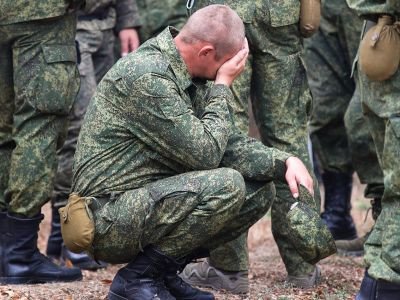
Russian authorities are increasingly using police raids, physical violence, and threats of fabricated criminal charges to force men to sign military contracts as voluntary recruitment for the war against Ukraine slows, The Wall Street Journal reported on August 3.
We bring you stories from the ground. Your support keeps our team in the field.
Military recruiters working with police have detained fighting-age men on streets, near their workplaces, or during supposed document checks in several Russian regions, according to WSJ. Some detainees were then taken to recruitment centers, where they were allegedly beaten or threatened until they agreed to join the military.
In one documented case in Russia’s Penza region, a man was summoned to a police station under the pretext of verifying his documents. Recruiters were waiting for him inside and subsequently transported him to a military enlistment office, where he was beaten, WSJ reported.
-d62a94f8a4f6bf6854753cdee5a9431f.jpg)
The man was reportedly removed from the facility shortly before undergoing a military medical examination, after which reversing the enlistment process would have become significantly more difficult.
Russian blogger Stanislav Morozov, who has documented coercive recruitment practices, said many of the men he interviewed signed contracts after security officers threatened to plant drugs on them and open criminal cases.
Similar recruitment operations have been reported in several parts of Russia, including Tatarstan and the Amur, Yaroslavl, Kaluga, Voronezh, and Arkhangelsk regions. Some regional authorities have also introduced referral payments for residents who bring potential recruits to enlistment offices.
The payments can reach 100,000 rubles, or approximately $1,300, for each person who signs a contract, according to WSJ. The programs supplement signing bonuses that in some regions already exceed the average annual local salary.
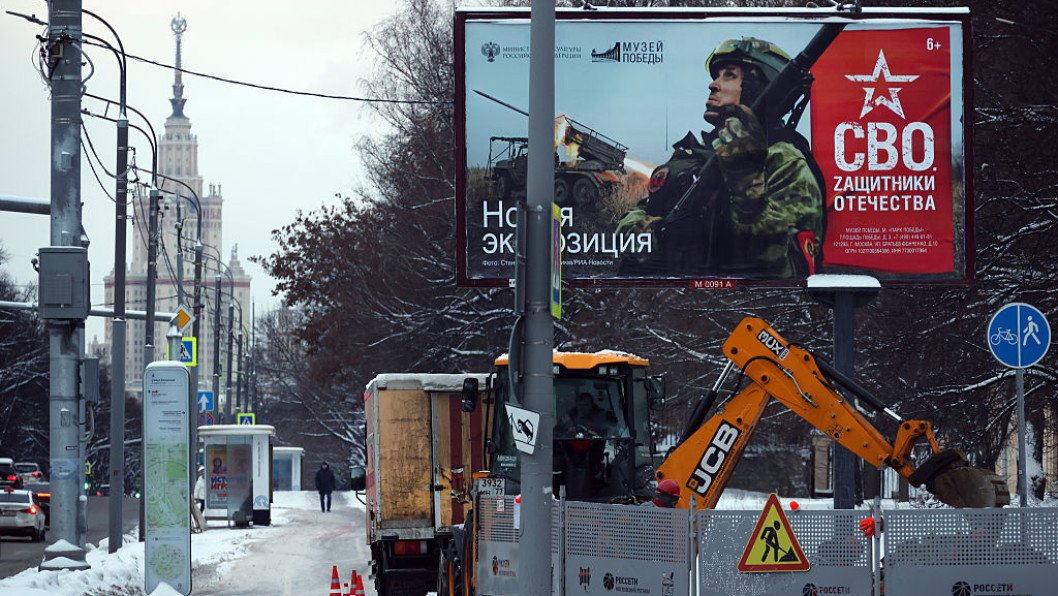
Despite the financial incentives and coercive measures, Russia’s recruitment system is struggling to compensate for battlefield casualties. Western assessments cited by the WSJ estimate that Russian forces are sustaining between 30,000 and 40,000 killed and wounded personnel each month.
Russian Security Council Deputy Chairman Dmitry Medvedev said approximately 200,000 people signed military contracts during the first half of 2026. He had previously claimed that more than 210,000 recruits joined during the same period in 2025.
The Wall Street Journal reported that US officials believe the Kremlin is considering another round of compulsory mobilization, potentially after Russia’s State Duma election on September 20.
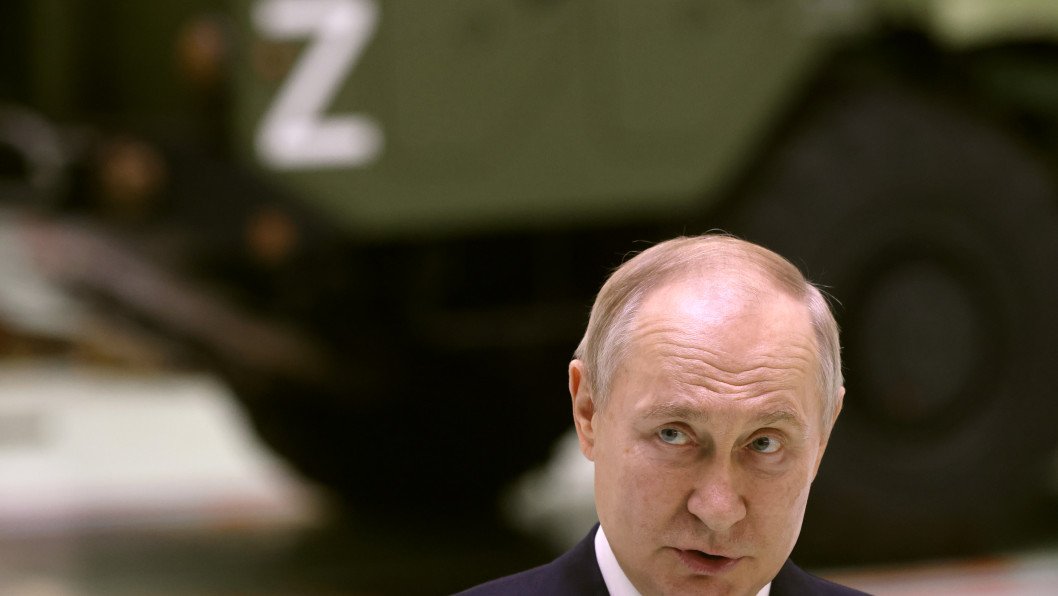
The measure could expand recruitment to men with limited military experience or those who have no intention of joining voluntarily. Russia’s first mobilization campaign in September 2022 focused largely on reservists and people with previous military service.
Ruslan Pukhov, director of the Moscow-based Centre for Analysis of Strategies and Technologies, said another mobilization could become necessary if Russian leader Vladimir Putin continues pursuing the occupation of the entire Donetsk and Luhansk regions.
“If Putin decides to stick to his demands to capture all of Donbas, he may have no other choice but to announce mobilization,” Pukhov told WSJ.
The newspaper noted, however, that the domestic political risks of another mass call-up could outweigh its immediate military benefits. Russia’s 2022 mobilization prompted protests and led hundreds of thousands of people to leave the country.
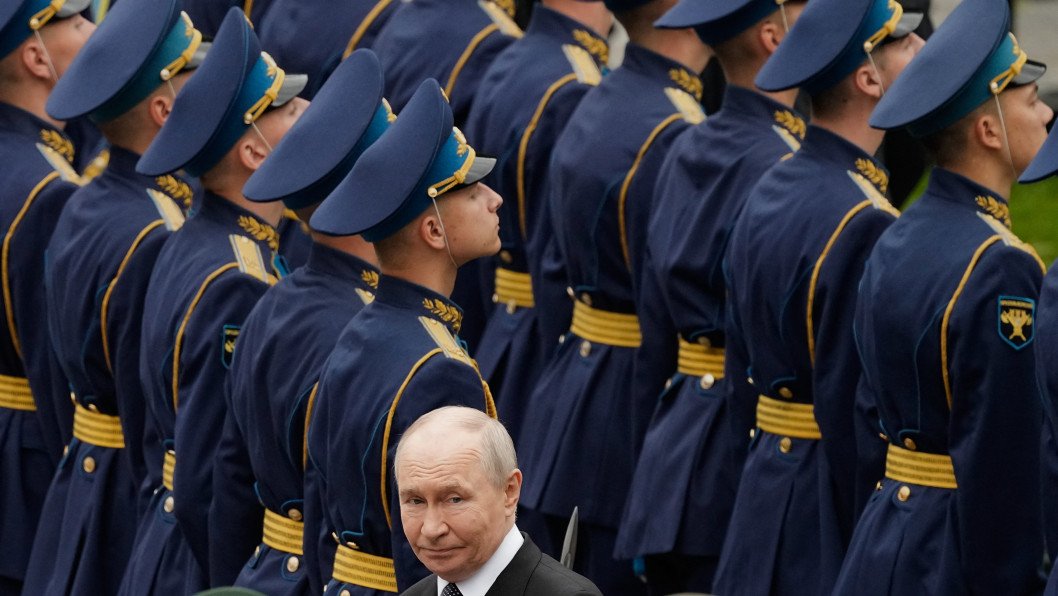
Some Russians now say they would resist a renewed mobilization. Dmitry Rogin, a 53-year-old Russian reserve officer who could be called up, told WSJ: “As soon as they give me a weapon, I will shoot those who mobilized me.”
In November 2025, Putin signed legislation allowing reservists to be deployed for military operations without a formal mobilization declaration. Analysts have assessed that the Kremlin could use the mechanism to conduct smaller, gradual call-ups while avoiding the political consequences of announcing another nationwide mobilization.
Ukrainian President Volodymyr Zelenskyy said in July that Russia had recruited approximately 221,000 contract soldiers since the beginning of 2026 but had lost around 225,500 troops during the same period. Zelenskyy said Ukrainian intelligence expected Moscow to consider mobilizing between 300,000 and 500,000 additional personnel after the parliamentary election.
Discuss this article:
-9a7b3a98ed5c506e0b77a6663f5727c5.png)

-f8b795e6bf1d73fc2fdbfd74f5e7ea96.jpeg "Massive flames and thick black smoke rise from the Omsky Kauchuk chemical plant in Russia following a Ukrainian drone strike on October 24, 2026. (Source: Exilenova+)")