- Category
- War in Ukraine
Putin Just Expanded Russia’s Military Again. It’s the Sixth Time Since 2022
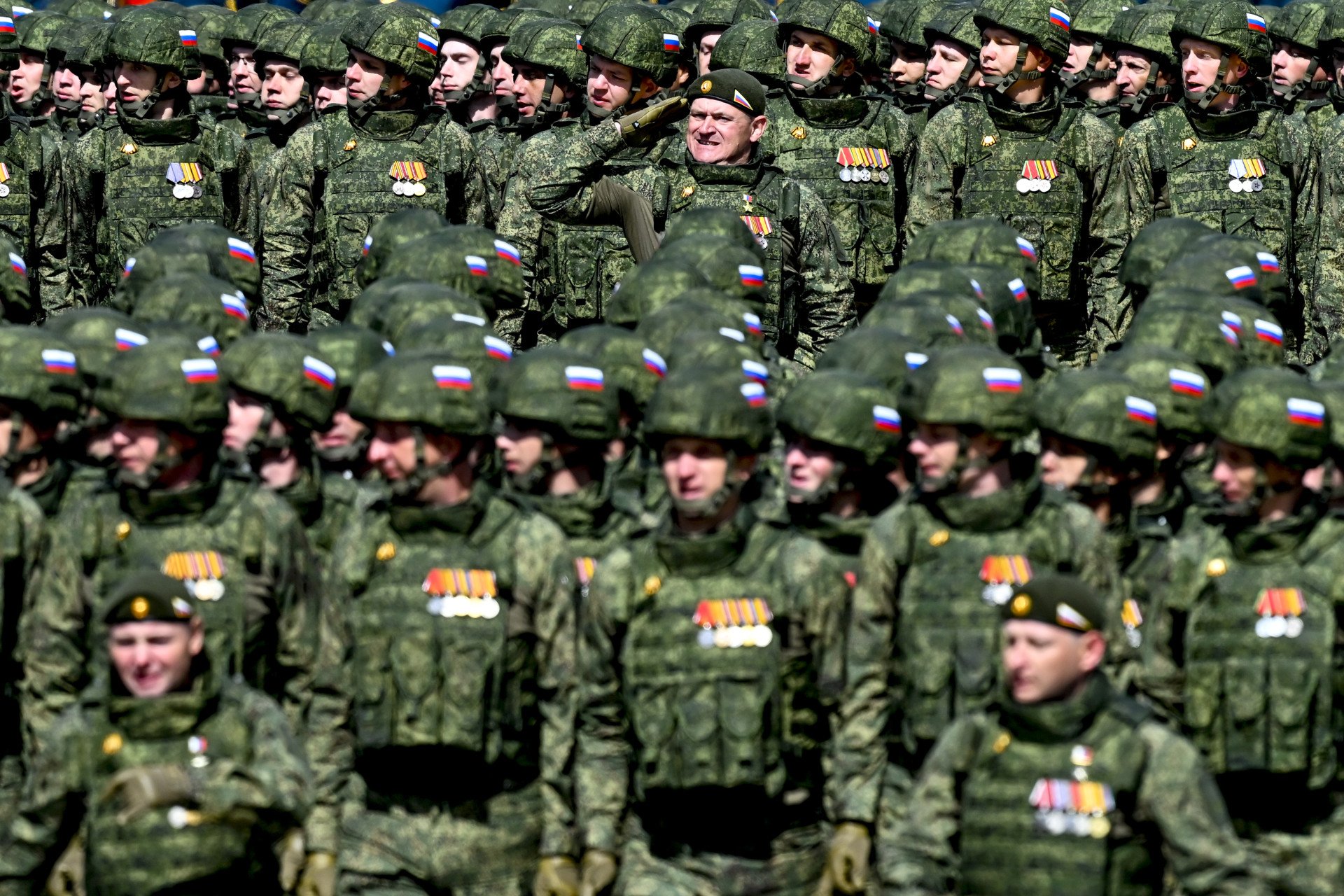
Putin has now signed six decrees expanding Russia’s Armed Forces since launching the full-scale invasion of Ukraine. The Kremlin’s continued expansion sends a clear message: Russia is not seeking de-escalation but is building its military to sustain and potentially widen it.
 Prefer U24 Media on Google
- Authors

-29a1a43aba23f9bb779a1ac8b98d2121.jpeg "Photo of Illia Kabachynskyi")
Russian leader Vladimir Putin signed a decree on July 27 increasing the authorized strength of Russia’s Armed Forces to 2,426,130 personnel. The decree raised the number of service members by 25,000—to 1,535,000. The adjustment follows a previous decree issued on June 12, which set the authorized number of service members at 1,510,000.
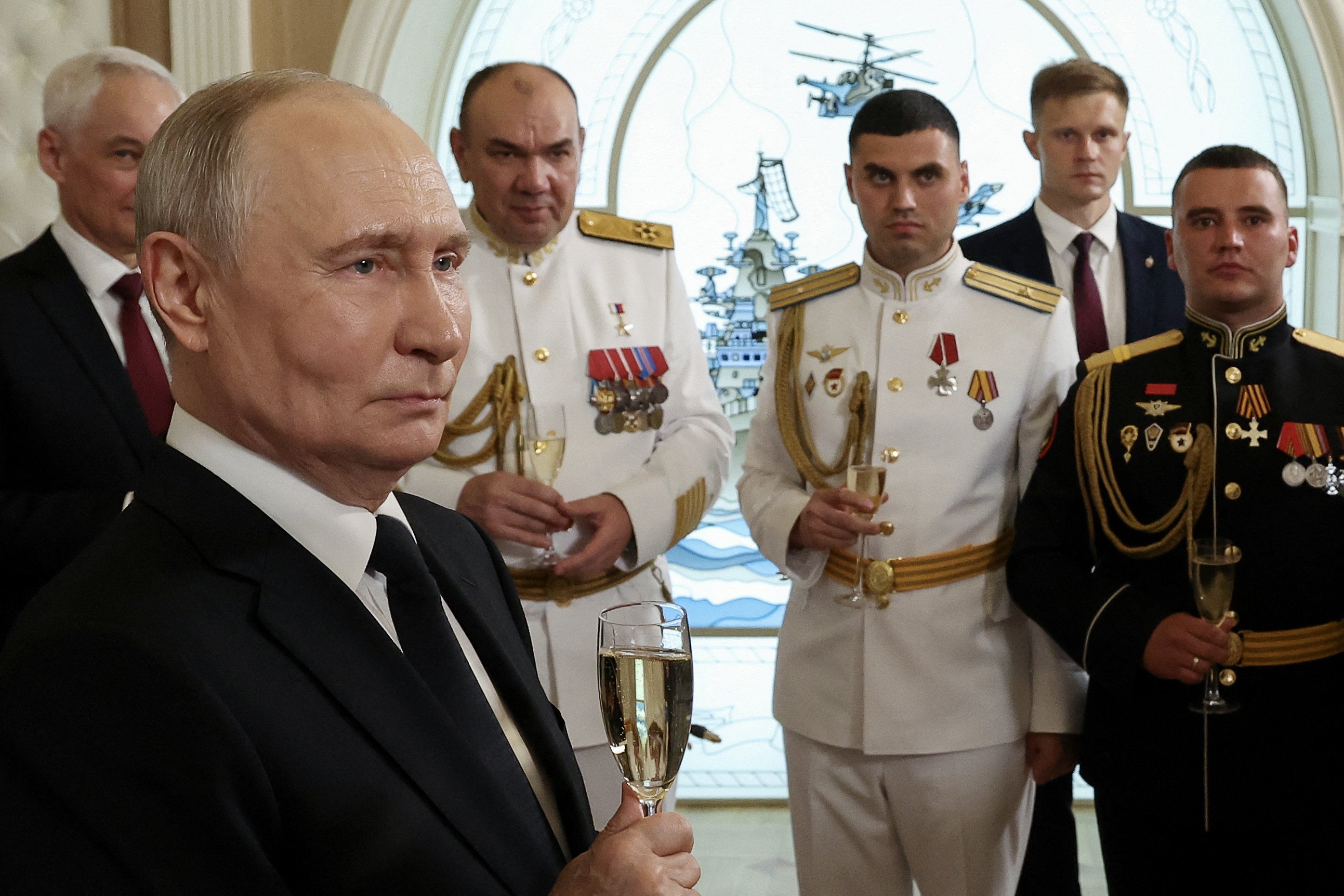
It is the sixth such decree since the start of Russia’s full-scale invasion of Ukraine and the third in just the past six months.
The increase shows Russia is not merely replacing battlefield losses from the war in Ukraine but is actively seeking to expand its armed forces by every available means. Its combat force continues to grow steadily.
How Russia’s army has grown since the full-scale war
Each presidential decree contains two separate figures that are often confused. The “authorized strength” refers to the total number of positions within the Armed Forces, including civilian employees of the Ministry of Defense. In other words, it reflects the military’s formal, administrative size. The “number of military personnel” refers specifically to uniformed service members—the soldiers themselves, those who fight. While both figures generally increase, the second number more accurately reflects Russia’s growing military capability. It demonstrates that the expansion is not merely bureaucratic but represents a real increase in combat power.
Before the full-scale invasion, under the last pre-war decree issued in 2017, Russia’s Armed Forces had an authorized strength of approximately 1.9 million personnel, including just over one million service members. Since then, both figures have risen dramatically.
August 2022 — Authorized strength increased by 137,000 to 2,039,758 personnel, including 1,150,628 service members.
December 2023 — Authorized strength increased by another 169,372 to 2,209,130 personnel, while the number of military personnel rose to 1,320,000.
September 2024 — Authorized strength increased by 180,000 to 2,389,130 personnel, including 1.5 million service members.
March 2026 — Authorized strength increased by another 2,640 personnel.
June 2026 — Authorized strength grew by an additional 7,360 to 2,399,130, while the number of military personnel rose to 1,510,000.
July 2026 — Authorized strength increased to 2,426,130 personnel, with the number of military personnel reaching 1,535,000.
In other words, during just the first five months of 2026, the Kremlin revised the size of its armed forces three separate times—a pace not seen since the first years of the war.
More than an administrative reform
The Kremlin has presented the latest increases as administrative measures, citing the creation of new military districts, formations, and units as part of a military reform announced back in 2023. The July decree, in particular, is linked to the establishment of military construction units. In other words, Russia’s military leadership seeks to portray the expansion as an organizational adjustment rather than a boost in combat strength.
However, the numbers speak for themselves: Russia’s military continues to grow.
By July 2026, compared with the pre-war level, the authorized strength of Russia’s Armed Forces had increased by roughly half a million personnel—from 1.9 million to 2.43 million.
The number of active military personnel has grown even more significantly, rising from just over one million to 1.535 million—an increase of approximately half a million service members.
The actual number of people involved in Russia’s war effort is even higher. Over more than four years of fighting, Russia has suffered more than 1.4 million killed and wounded. Not only have those losses been replaced by new recruits, but the armed forces have also expanded by nearly half a million additional personnel since 2022.
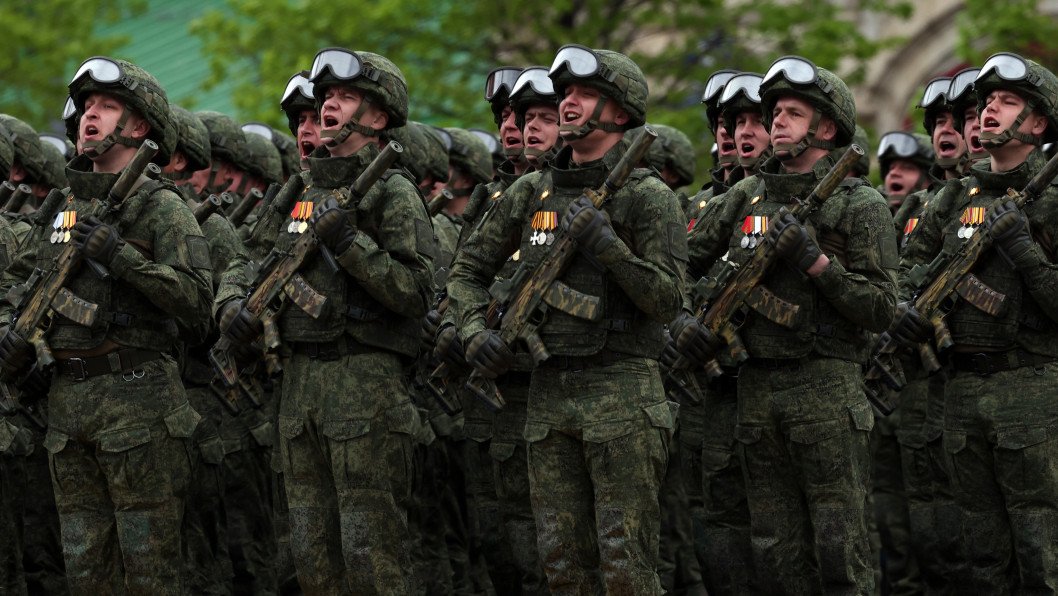
Beyond the military itself, civilian participation in the war effort has also expanded. Logistics operations rely heavily on civilian truck drivers, railway workers, cargo handlers, and other transport personnel. Military production capacity has likewise grown dramatically in recent years. Shahed drones are assembled around the clock in three shifts, with thousands produced every month, while large-scale manufacturing of tanks, artillery shells, and other military equipment continues to expand. The war has spread across virtually every sector of Russian society.
What Russia’s military expansion means for Ukraine and beyond
Russia’s continued military expansion points to one conclusion: Moscow is not contemplating de-escalation or demilitarization. Countries do not expand their armed forces when they are preparing to negotiate peace. This is a signal not only to Ukraine but also to Europe, the United States, and the broader world.
Throughout the war, Putin has not signed a single decree reducing the size of Russia’s military. Every decree has expanded it, with the intervals between increases growing progressively shorter. At the same time, Russia continues its so-called “hidden mobilization,” recruiting contract soldiers through generous financial incentives rather than announcing another formal draft. Analysts—and even some voices within the Russian government—have discussed the possibility of a new mobilization wave as early as this fall, after the September State Duma elections.
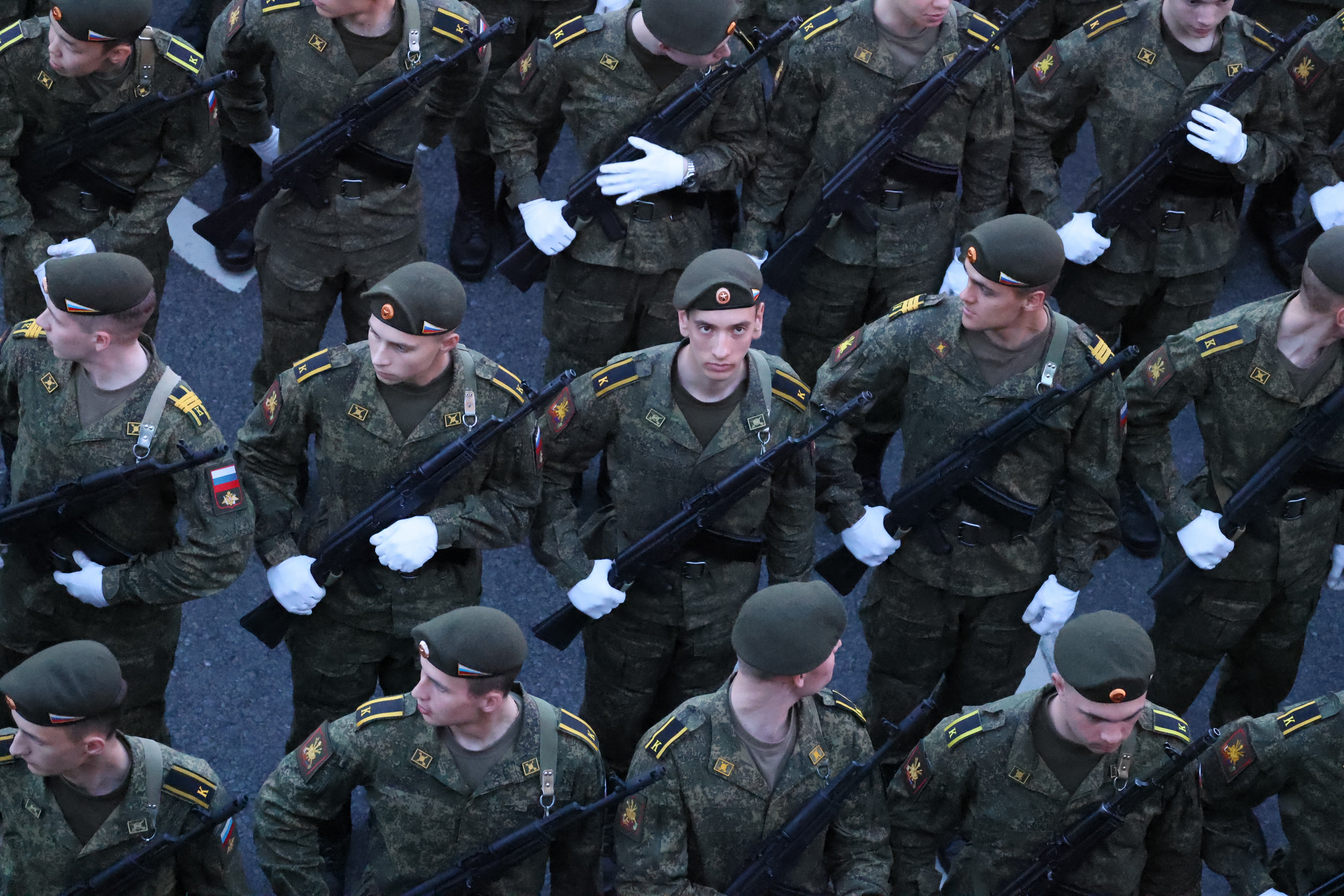
There is a well-known literary principle known as Chekhov’s gun, introduced by the writer Anton Chekhov. Its premise is simple: if a gun hangs on the wall in the first act of a play, it must eventually be fired. There is every reason to suspect that Putin is not expanding Russia’s military so that this gun will remain hanging on the wall forever.
Discuss this article:


-c439b7bd9030ecf9d5a4287dc361ba31.jpg "Photo of Katherina Popilnichenko")