- Category
- War in Ukraine
Russia’s Occupation Drives Luhansk Coal Industry Toward Collapse as Production Set to Plunge 65%
 Prefer U24 Media on Google
- Authors


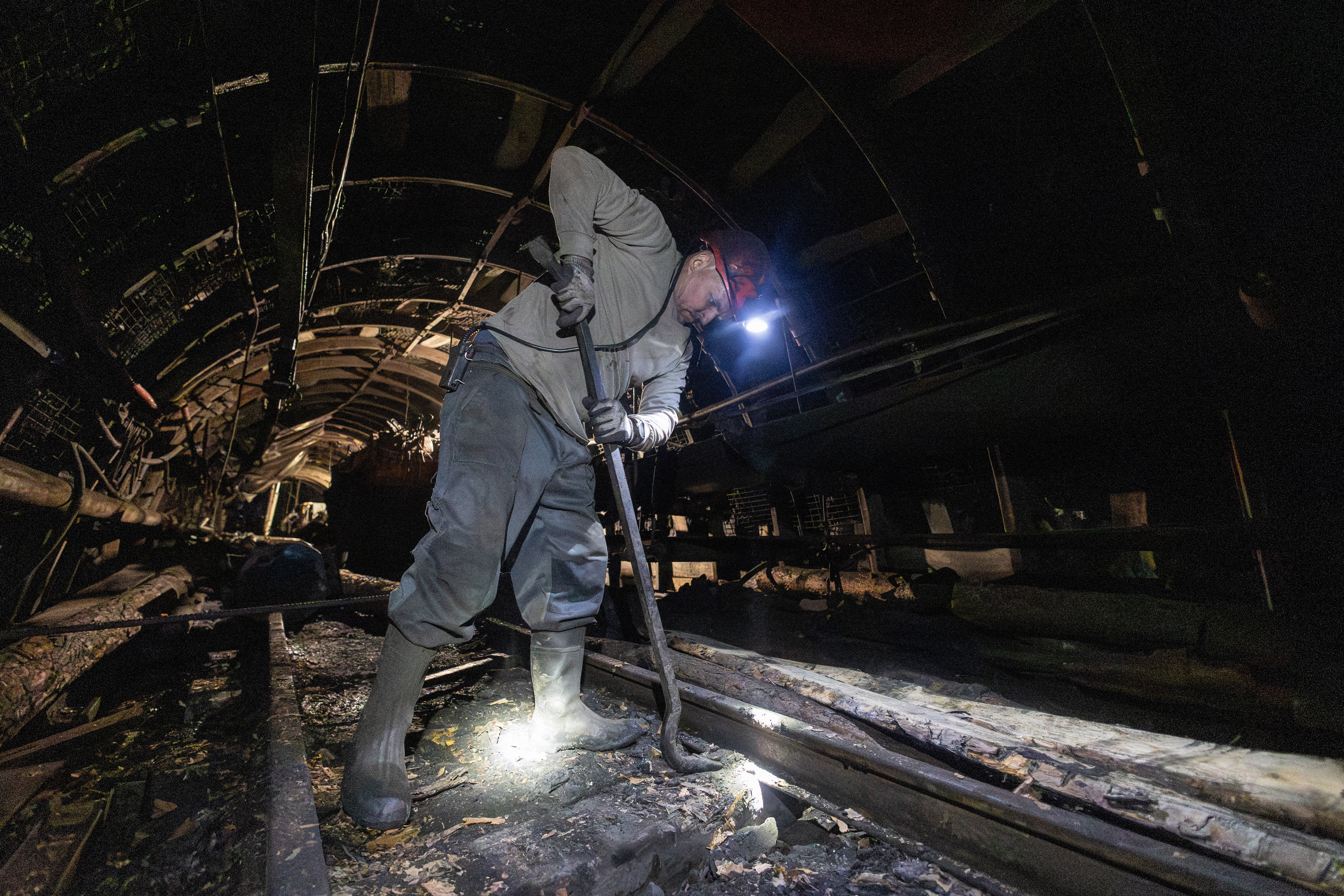
Coal production in the temporarily occupied Luhansk region is expected to decline by 65% in 2026 compared with the previous year, as years of underinvestment, mine closures, and deteriorating industrial infrastructure push the region’s coal industry toward collapse, according to Ukraine’s Defense Intelligence (HUR).
Ukrainian intelligence reported on November 10 that Russia’s management of industrial enterprises in the occupied territories has led to a prolonged economic crisis, particularly affecting coal mining, historically one of the region’s most important industries.
We bring you stories from the ground. Your support keeps our team in the field.
According to HUR, the industry has experienced declining production, worsening technical conditions, widespread mine closures, and mounting wage arrears, which the agency attributed to years of resource exploitation without adequate investment in modernization.
The deterioration has extended beyond coal mining, affecting metallurgy, chemical production, mechanical engineering, energy generation, and coke manufacturing.
HUR warned that the decline has contributed to widespread industrial shutdowns, the departure of working-age residents, and growing environmental risks across Russian-occupied parts of the Luhansk region.
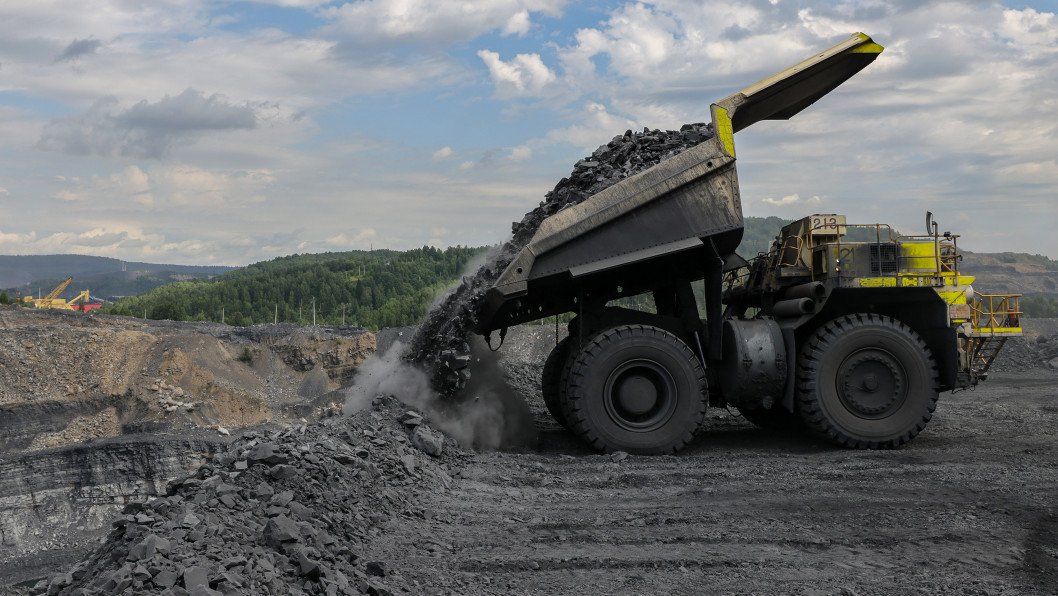
Among the latest indications of the industry's difficulties is the cessation of operations by the Russian company Donetskiye Ugli, alongside a significant deterioration in the financial and operational performance of the so-called Rodina Fuel and Energy Complex.
The latter controls the seized Bilorichenska coal mine, one of its principal assets, and requires at least 1.5 billion rubles in additional financing to continue operating, according to Ukrainian intelligence.
The difficulties facing individual mining companies reflect a broader contraction across the region's coal industry.
HUR reported that Russian occupation authorities anticipate a 65% reduction in annual coal production in 2026 compared with 2025. The agency added that the occupation administration is also unlikely to meet its planned coal production targets for 2027.
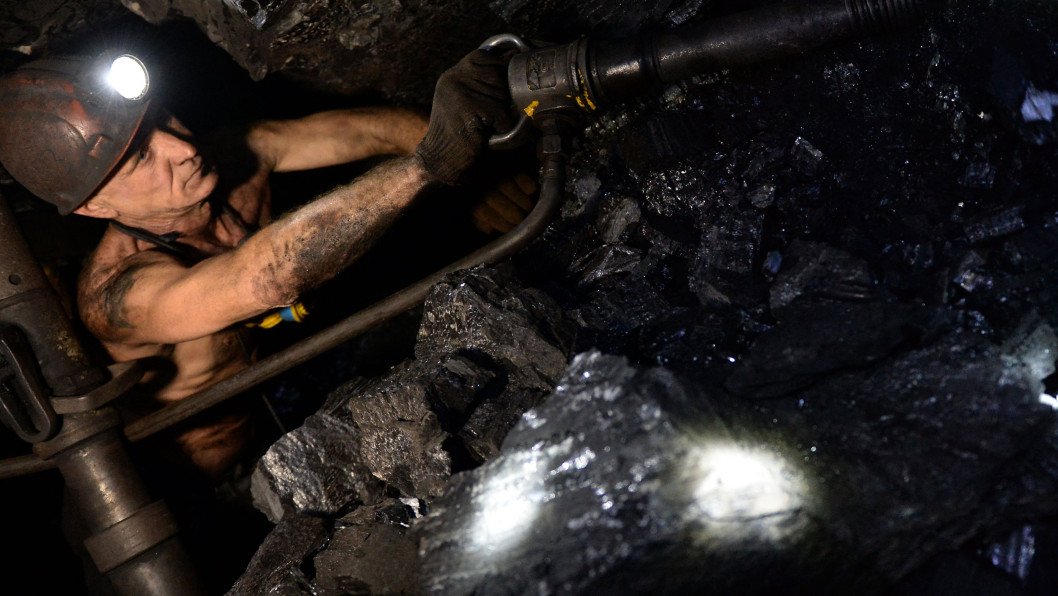
According to Ukrainian intelligence, the Russian-installed administration itself has acknowledged several factors contributing to the industry's decline, including severe funding shortages, difficulties obtaining loans, growing corporate debt, and a lack of qualified personnel.
Other challenges include mine closures and operational problems at active coal faces, further limiting the ability of mining enterprises to maintain production. HUR attributed these problems to the long-term consequences of Russian occupation, arguing that years of insufficient investment and deteriorating industrial management have undermined the region's economic foundations.
The decline in coal mining has also had broader consequences for other sectors of the local economy. According to the intelligence agency, processing facilities and chemical enterprises have been forced to suspend operations, while the regional energy sector continues to experience worsening conditions.
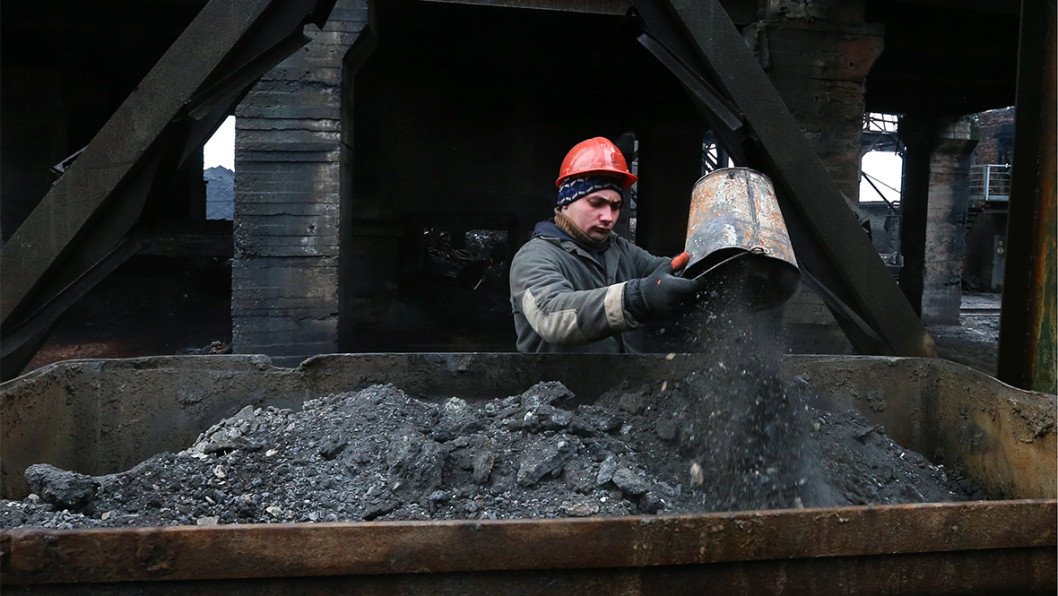
These developments have placed additional pressure on residents of the occupied territories, particularly those dependent on industrial employment. Job losses and prolonged delays in wage payments have contributed to declining living standards, while limited employment opportunities and unstable incomes have prompted residents to leave the region in search of work and better living conditions.
Beyond the economic consequences, Ukrainian intelligence warned that the deterioration of the coal industry poses significant environmental risks, particularly as abandoned and inactive mines become increasingly vulnerable to flooding.
According to HUR, the shutdown of mine drainage and water treatment systems allows underground water to accumulate, creating risks of groundwater contamination, land subsidence, and structural damage to buildings.
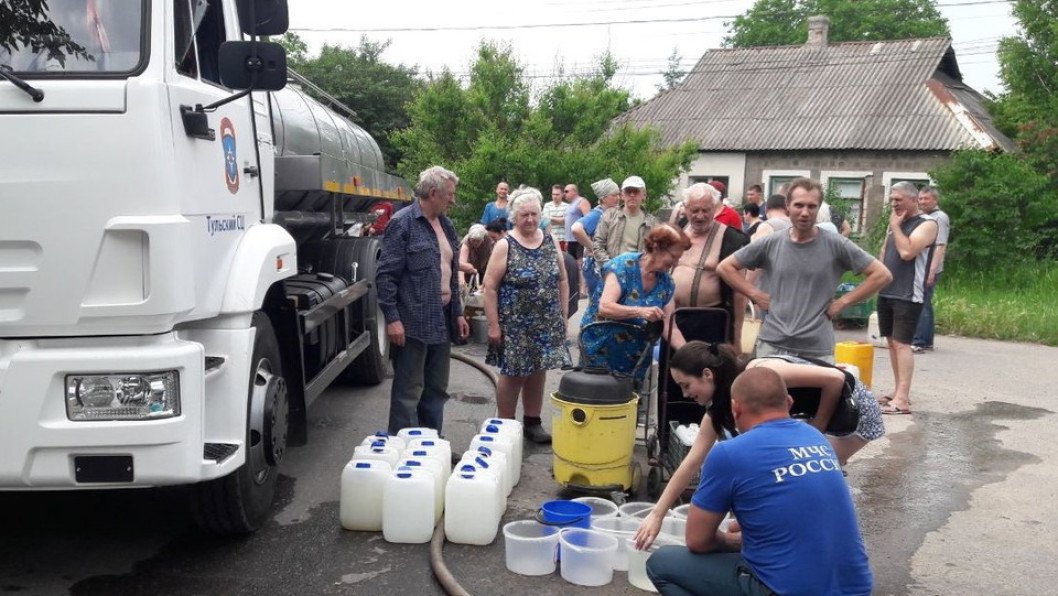
The agency warned that these processes could lead to broader environmental degradation across extensive areas of the occupied region.
As mines flood, concentrations of iron, sulfates, chlorides, and heavy metals in mine water can increase, posing additional risks to surrounding ecosystems. If contaminated water enters soils and underground aquifers, it could affect agricultural land and restrict its future use, according to Ukrainian intelligence.
The deterioration of industrial infrastructure in occupied Luhansk comes amid broader problems with essential services across other Russian-controlled territories of Ukraine, where repeated utility disruptions are increasingly affecting residents.
In temporarily occupied Berdiansk, recurring electricity and water outages have raised concerns about the risk of acute intestinal infections. On August 28, Petro Andriushchenko, head of the Center for the Study of Occupation, reported that the local branch of Russia’s consumer protection agency, Rospotrebnadzor, had urged residents to take preventive measures.
Discuss this article: