- Category
- Latest news
Donetsk Occupation Authorities Propose Using Heavily Polluted Mine Water to Takle Ongoing Crisis
 Prefer U24 Media on Google
- Authors


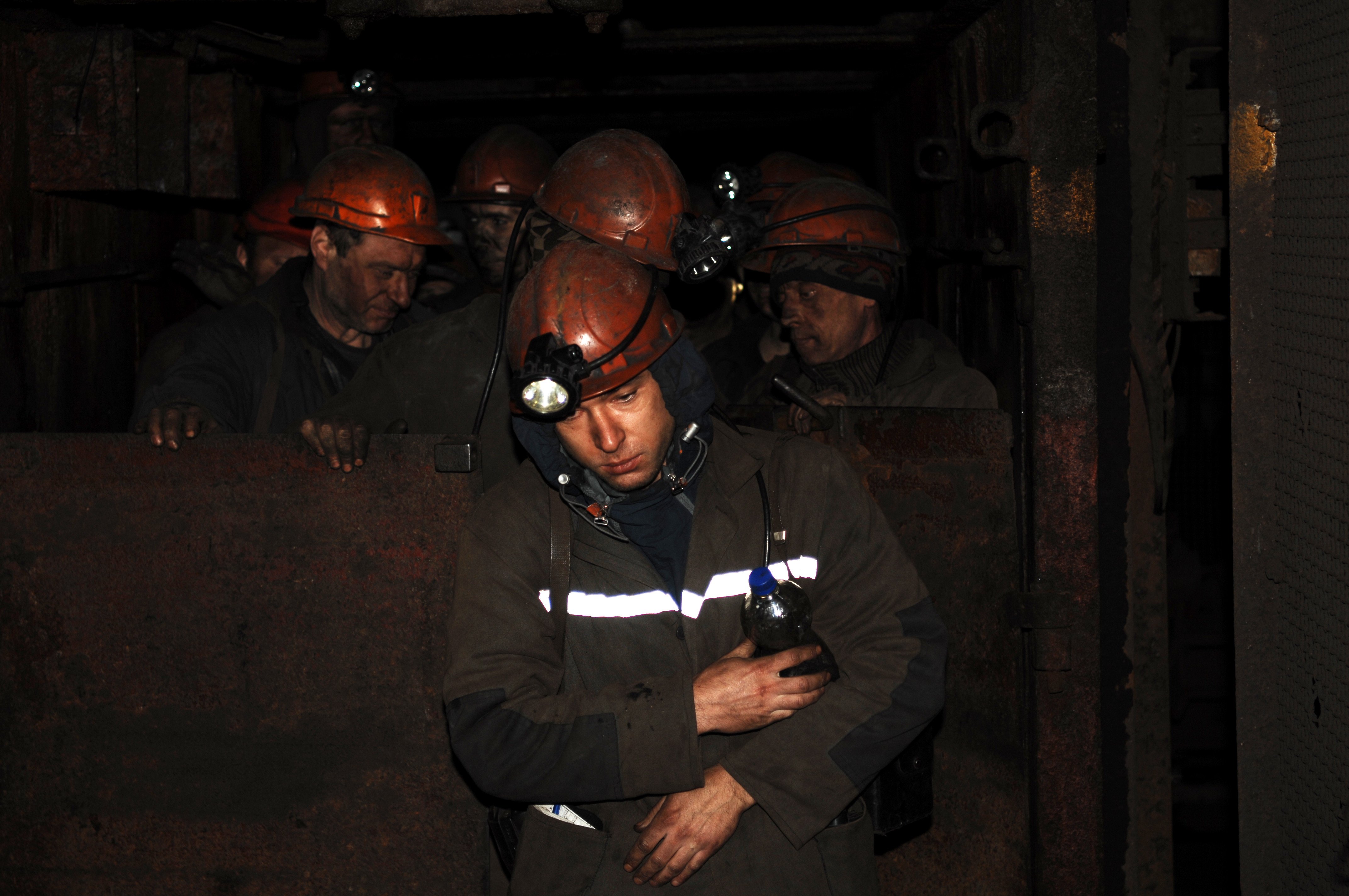
In the midst of an ongoing water supply crisis, Andrii Chertkov, the so-called “First Deputy Prime Minister” of the self-declared Donetsk People's Republic (DPR), announced plans to use mine water as a solution to the region’s water shortage.
This was reported by the Center for Countering Disinformation (CCD) on April 1.
We bring you stories from the ground. Your support keeps our team in the field.
Chertkov’s proposal, which he presented as an “innovative approach” to resolve the region's water scarcity, suggests utilizing mine water to supply the population. This initiative is being positioned as a response to the severe water deficit affecting the area under Russian occupation.
However, experts have raised serious concerns about the safety of mine water for human consumption.
“The problem is that mine waters contain heavy metals, salts, bacterial impurities, and sometimes even radioactive elements. While purification is theoretically possible, in practice, it is an extremely costly and complicated process,” CCD noted.
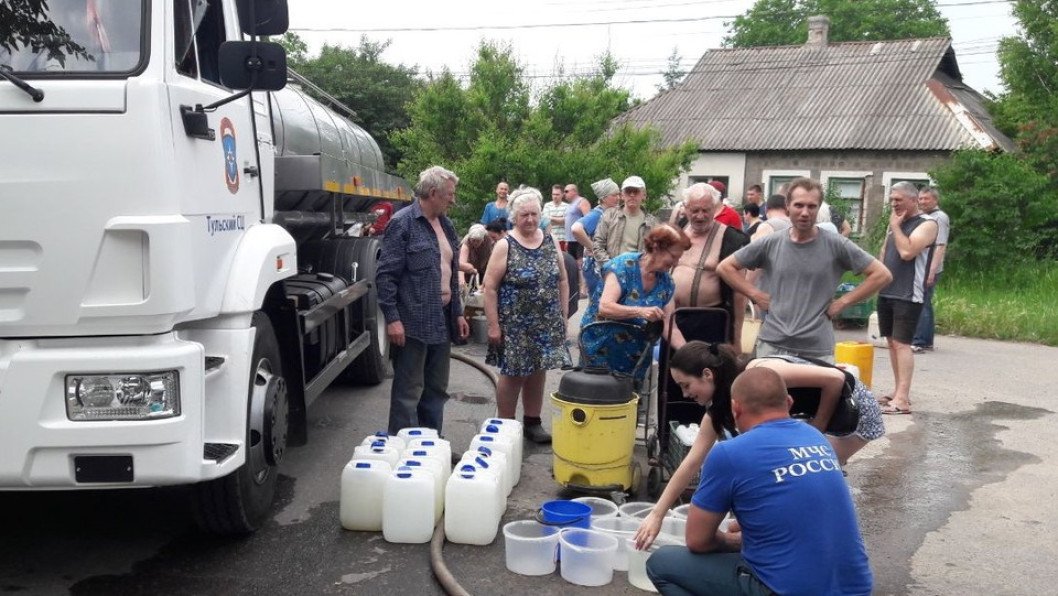
The Russian officials have repeatedly proposed such “experimental solutions” to address the water supply issue. However, none of these ideas have come to fruition, primarily because these projects require substantial funding and specialized expertise.
For example, in November 2025, Russian authorities in the temporarily occupied Donetsk region have initiated an information campaign to prepare residents for the use of mine water as a supposed “alternative” to clean drinking water. In the face of a growing water crisis, Olena Nikitina, an adviser to the head of the DPR, claimed that mine water is “suitable for drinking.”
However, this statement comes amid widespread concern, with analysts from Ukraine’s Center for National Resistance warning that Russia is attempting to legitimize the use of mine water as a “temporary solution,” effectively replacing the region's destroyed water infrastructure with a toxic substitute.
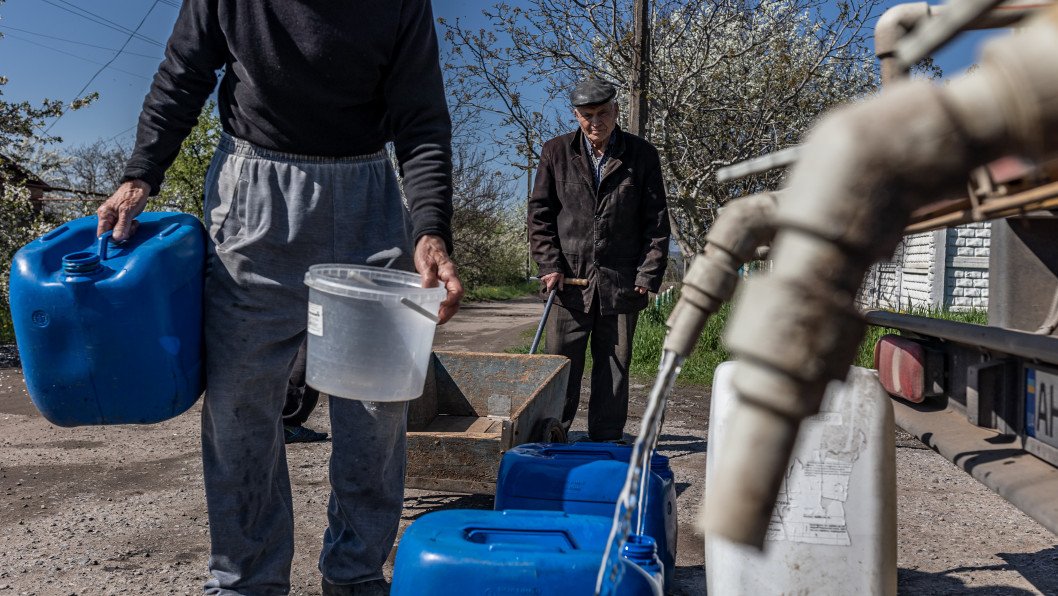
The situation is complicated further by the risks of radiation contamination. One such site, the YunKom mine, was the location of a 1979 underground nuclear explosion. According to the report, in 2018, Russian authorities ceased pumping water from the mine, leading to the flooding of mine workings and raising the risk that a radioactive capsule could be compromised. Specialists have raised alarms that underground radiation could seep into the groundwater, making any attempts at purification technically impossible.
With the Siverskyi Donets–Donbas canal destroyed, water intakes now located in active combat zones, and essential infrastructure either ruined or neglected, the Russian forces are attempting to present contaminated mine water as a feasible solution to mask the environmental and humanitarian disaster that is unfolding.
Later, in winter, freezing temperatures have exacerbated an already dire water supply crisis in the Russian-occupied areas of Ukraine's Donetsk region, leaving entire neighborhoods without access to clean drinking water.
Many settlements were completely without tap water, with barrels used for water delivery freezing or running out, while the situation worsened due to power outages and heating issues.
Discuss this article:



-111f0e5095e02c02446ffed57bfb0ab1.jpeg "Photo of Roman Kohanets")