- Category
- Latest news
Russian-Held Donetsk Region Plunges Into Crisis Amid Infrastructure Breakdown
 Prefer U24 Media on Google
- Authors

-111f0e5095e02c02446ffed57bfb0ab1.jpeg "Photo of Roman Kohanets")
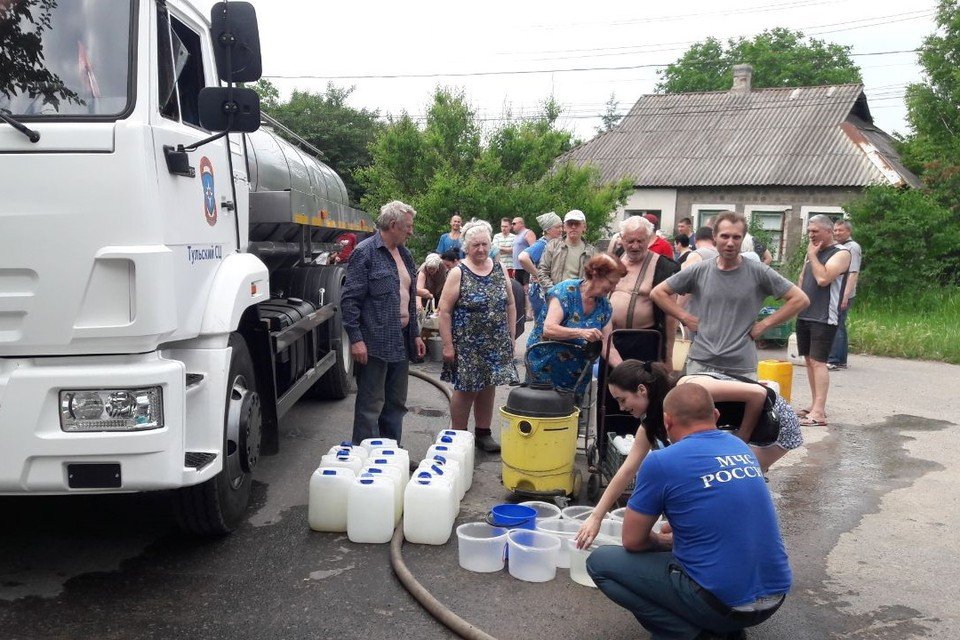
Russia-controlled territories in Ukraine’s Donetsk region are facing an acute water shortage after Kyiv cut off supplies to areas under occupation, forcing Moscow-installed authorities to ration access and consider desalination solutions.
The water crisis in Mariupol and surrounding towns is escalating due to the Ukrainian government’s decision to halt water delivery through the Siverskyi Donets-Donbas canal, which had long served both Ukrainian-controlled and Russian-occupied parts of the Donetsk region. The canal, now entirely under Ukrainian control, is no longer providing water to the Russian-held areas.
The Russia-installed head of the Donetsk region, Denis Pushilin, acknowledged that desalination plants may be constructed to address the water scarcity. In late July, he visited Crimea to inspect desalination infrastructure and assess its feasibility for Mariupol. However, no official plans or financing mechanisms have been confirmed.
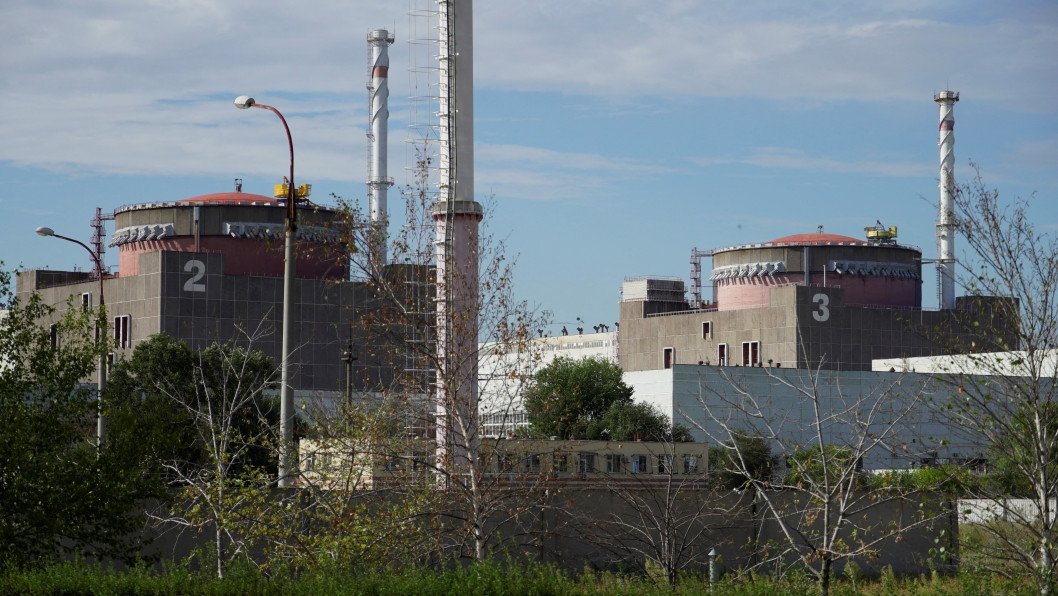
Mariupol, once home to more than 400,000 people before Russia’s full-scale invasion, has suffered massive infrastructural damage. Although occupation authorities claim reconstruction is ongoing, local reports suggest that much of the city remains in ruins with limited access to basic utilities, including water.
In a statement issued via Telegram, Pushilin argued that Ukrainian actions amounted to “water terrorism,” while Kyiv has maintained that it is under no obligation to supply utilities to occupied areas, particularly while Russia wages an aggressive war.
Russian state media have begun emphasizing the water crisis as evidence of Ukraine’s alleged mistreatment of civilians in occupied zones, although humanitarian organizations stress that occupying powers are responsible under international law for providing basic services in territories they control.
This is not the first time water infrastructure has become a strategic asset in the war. In 2014, Ukraine dammed a key canal supplying Crimea, cutting off water access after Russia’s illegal annexation. The blockade was lifted only in 2022 following Russia’s renewed invasion and occupation of the region.
In January 2024, the UN Office for the Coordination of Humanitarian Affairs warned that essential water infrastructure across frontline regions in Ukraine remains a top target of attacks and that civilians are bearing the brunt of deliberate service disruption by military actors on both sides.
Earlier, it was reported that Mykolaiv has endured a severe water crisis since April 2022, when a Russian missile strike destroyed the main pipeline supplying the city with fresh water from the Dnipro River.
Discuss this article:


-c439b7bd9030ecf9d5a4287dc361ba31.jpg "Photo of Katherina Popilnichenko")