- Category
- Latest news
Russian Strike on Ukrainian Hydropower Plant Triggers Pollution Crisis in Moldova
 Prefer U24 Media on Google
- Authors


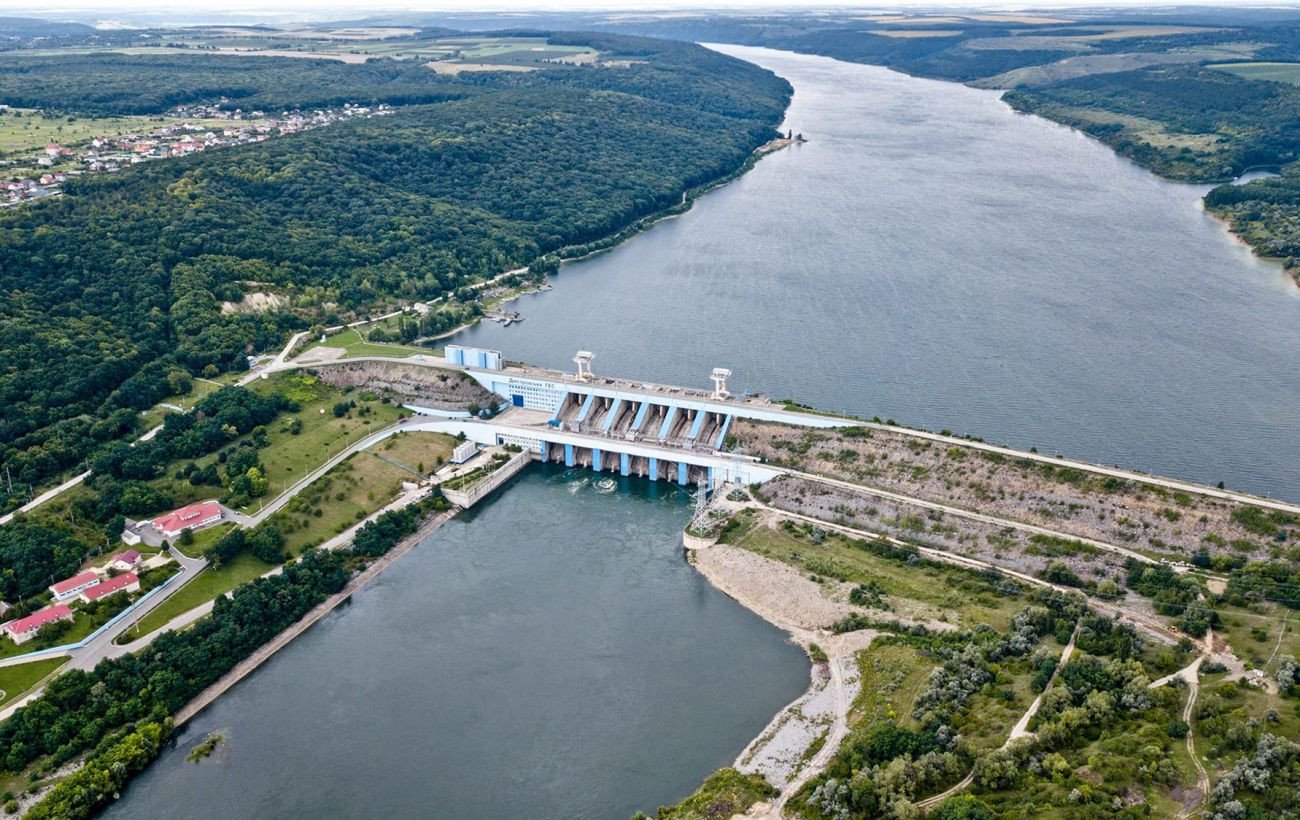
Moldova has declared a 15-day environmental alert after pollution in the Dniester River, caused by a Russian strike on a hydropower facility in Ukraine, raised concerns about the country’s water supply, according to Moldovan officials on March 16.
We bring you stories from the ground. Your support keeps our team in the field.
The contamination reportedly followed a Russian attack on the Novodnistrovsk hydropower plant in Ukraine’s Chernivtsi region on March 7, which led to a fuel spill into the Dniester River. The river flows from Ukraine into Moldova and serves as a key source of drinking water for the country.
According to Moldovan President Maia Sandu, the spill poses a direct risk to Moldova’s water supply.
Russia’s attack on Ukraine’s Novodnistrovsk hydropower plant has spilled oil into the Nistru River, threatening Moldova’s water supply.
— Maia Sandu (@sandumaiamd) March 15, 2026
We declared environmental alert and are acting to protect our people. Russia bears full responsibility.
According to Moldovan Prime Minister Alexandru Munteanu, the government introduced a state of environmental alert in the Dniester basin for 15 days after pollution began moving downstream toward Moldovan territory.
“Russia’s war against Ukraine is having increasing consequences that directly affect us. The attack on Ukraine’s energy infrastructure caused a wave of pollution moving along the Dniester River and reaching the territory of the Republic of Moldova,” Munteanu said in a statement on Facebook.
During a government meeting, Moldovan authorities approved emergency measures aimed at limiting the impact of the contamination. These include mobilizing additional state resources, monitoring water quality across affected areas, and restricting water intake in sectors where pollution levels exceed acceptable standards.
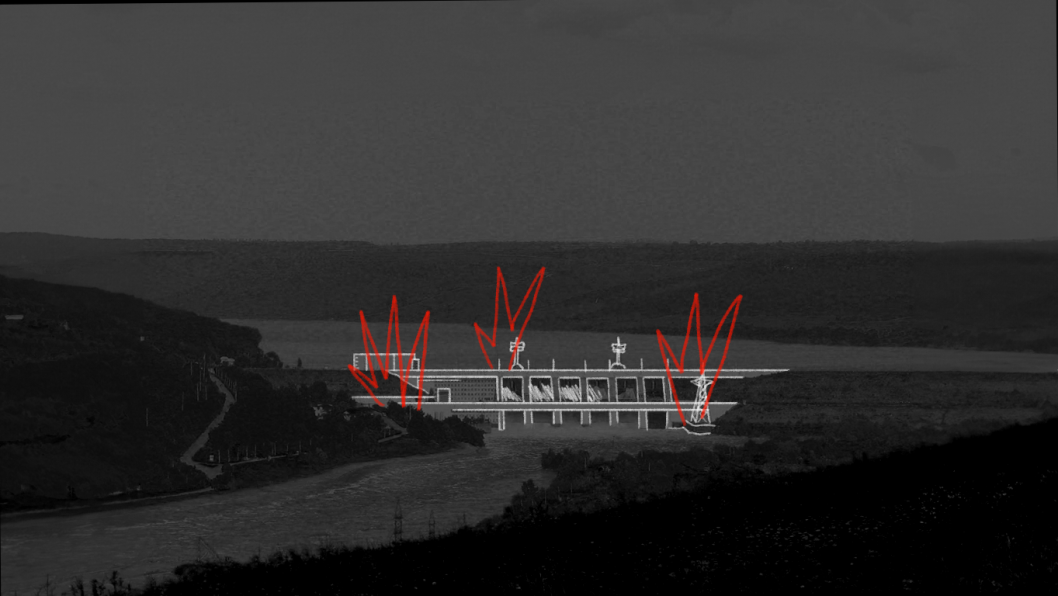
According to Munteanu, elevated concentrations of petroleum products and aromatic hydrocarbons have been detected in water samples between the Moldovan locations of Naslavcea and Soroca. He noted that pollution continues to arrive in waves, making it difficult to predict how the situation will evolve.
“Even if in some locations values temporarily return within acceptable limits, the substance continues to arrive in waves, making it difficult to accurately forecast developments,” he said.
The Moldovan government has also requested support from the European Union and is coordinating with Ukrainian authorities to raise the issue with international organizations. Officials in both countries have called for international condemnation of the attack on energy infrastructure that triggered the pollution of the Dniester River.
The ecological disaster on the Dniester River was part of a much larger and more devastating campaign of environmental destruction waged by Russian forces. It was previously reported that Moscow had committed over 7,000 documented environmental crimes in Ukraine since the start of the full-scale invasion of Ukraine in 2022, causing an estimated $85 billion in ecological damage.
Discuss this article:
-4a56a6b482ec132402c16ef6fcabf9a2.png)