- Category
- Latest news
Moldova Faces Massive Toxic River Spill Triggered by Russian Strike
 Prefer U24 Media on Google
- Authors

-72b63a4e0c8c475ad81fe3eed3f63729.jpeg "Photo of Cyril Barabaltchouk")
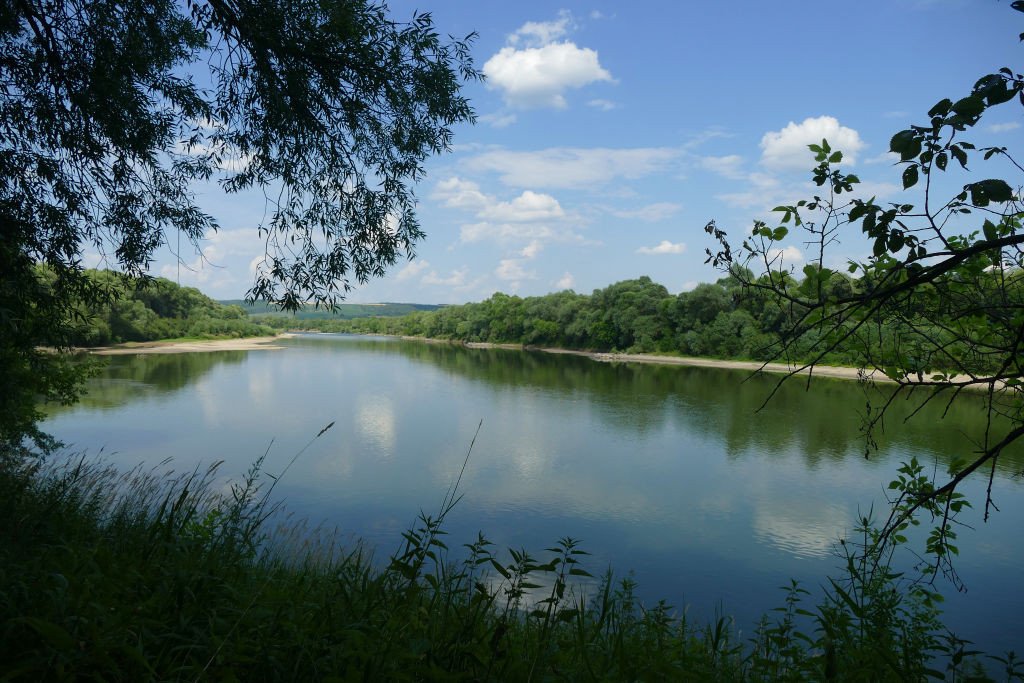
Moldova has urgently requested assistance from the European Union to combat a massive fuel spill in the Dniester River, triggered by a Russian military strike, NewsMaker reported on March 13.
The ecological crisis began after a March 7 Russian attack on Ukraine’s Dniester Hydroelectric Power Plant caused a significant leak of technical oils and rocket fuel, which has since flowed downstream across the Moldovan border. Moldovan Prime Minister Alexandru Munteanu announced that the government has appealed to European partners for specialized equipment to capture the oil and mobile stations to test water quality.
We bring you stories from the ground. Your support keeps our team in the field.
In response to the escalating threat, Moldova has deployed its National Army to establish a crisis management camp in the Soroca district, working alongside emergency teams and specialists from neighboring Romania and Ukraine to install protective barriers and straw filtration systems.
The toxic spill is threatening critical water supplies across northern Moldova. Environment Minister Gheorghe Hajder warned that several settlements, particularly around the village of Naslavcea where a “yellow alert” was issued, could face severe drinking water shortages, NewsMaker wrote.
Authorities are testing the river every six hours to monitor the contamination levels and have strictly banned all fishing on the Naslavcea–Dubăsari stretch of the river until at least April 1.
Ukrainian officials are condemning the cross-border contamination as a deliberate act of environmental warfare. Dmytro Lubinets, the Ukrainian Parliament Commissioner for Human Rights, stated that by attacking hydroelectric infrastructure on a transboundary river, Russia is intentionally provoking a humanitarian crisis in two nations simultaneously.
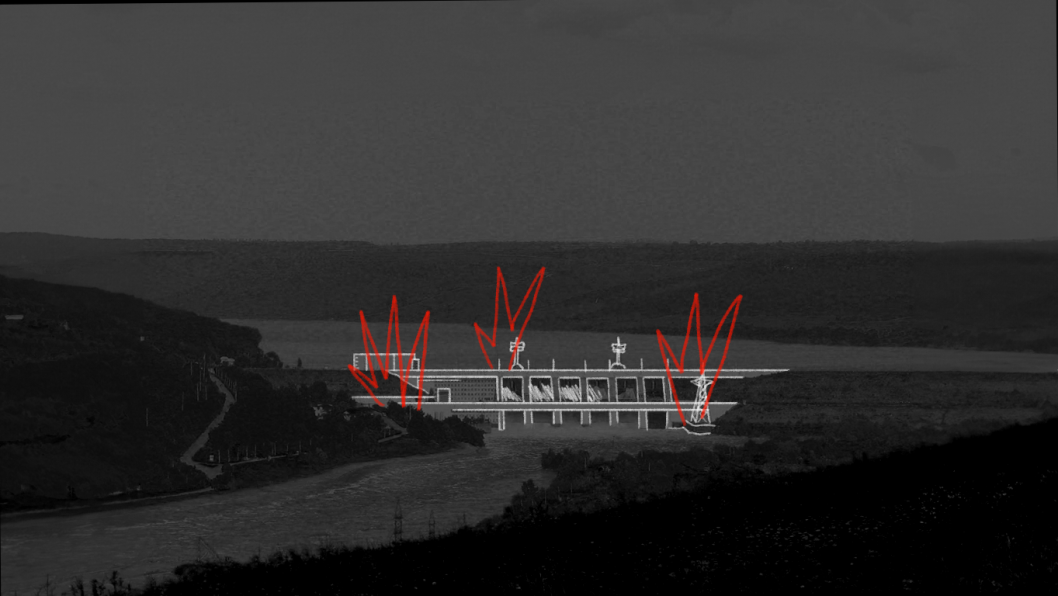
Calling the destruction of drinking water sources a gross violation of the Geneva Conventions, Lubinets announced he is preparing official appeals to the United Nations, demanding an immediate international response to what he described as Russian environmental terrorism.
“I am already drafting letters to the UN demanding that this fact be documented and that a clear international response be issued. The world has no right to remain silent. Russia’s aggression against the environment is a challenge to the civilized world. If there is no uncompromising response today, Russian terror will poison other European rivers tomorrow,” he stressed.
The ecological disaster on the Dniester River was part of a much larger and more devastating campaign of environmental destruction waged by Russian forces. It was previously reported that Moscow had committed over 7,000 documented environmental crimes in Ukraine since the start of the full-scale invasion of Ukraine in 2022, causing an estimated $85 billion in ecological damage.
By systematically targeting critical infrastructure—including striking every single hydroelectric station in the country—Russia consistently weaponized environmental catastrophes to inflict maximum harm. The resulting toxic spills, scorched forests, and flooded communities not only decimated Ukraine’s biodiversity but also created severe, long-term transnational hazards that threatened the drinking water and agricultural stability of neighboring nations like Moldova.
We bring you stories from the ground. Your support keeps our team in the field.
Discuss this article:
-4a56a6b482ec132402c16ef6fcabf9a2.png)