- Category
- War in Ukraine
Ukraine’s Bullet Interceptor Gains Chemical Booster to Outpace Jet-Powered Shaheds
 Prefer U24 Media on Google
- Authors

-c439b7bd9030ecf9d5a4287dc361ba31.jpg "Photo of Katherina Popilnichenko")
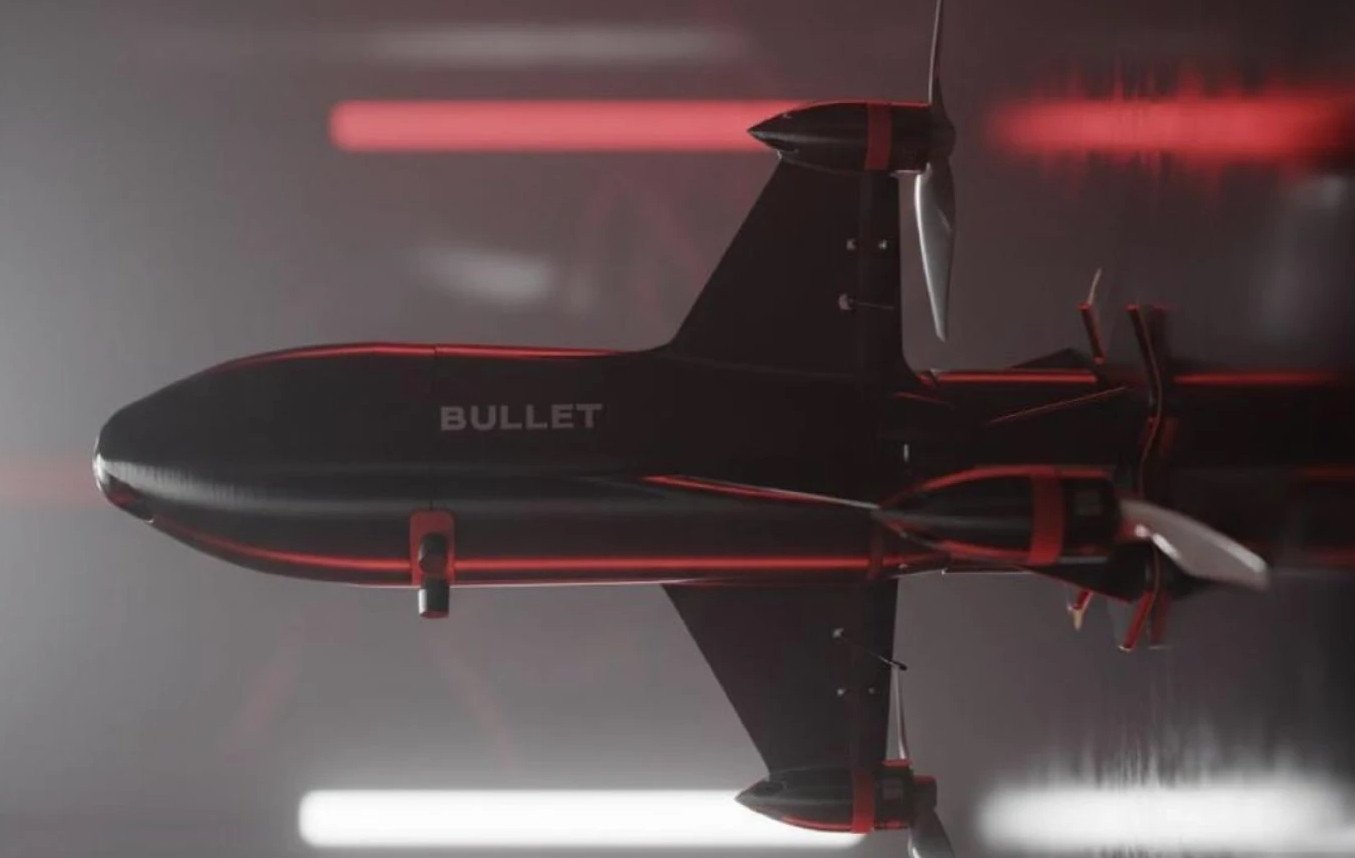
Ukrainian drone developers General Chereshnya and STRIX have successfully integrated a chemical booster into the Bullet interceptor drone, a design modification specifically created to counter the growing threat of jet-powered Shahed drones.
These new enemy threats are capable of reaching speeds of up to 600 kilometers per hour, forcing Ukrainian engineers to rapidly upgrade existing aerial interception systems, according to Militarnyi on June 4.
We bring you stories from the ground. Your support keeps our team in the field.
The developers confirmed that the Bullet drone, a platform already proven in previous operations, underwent significant structural modifications to accommodate the new booster technology. The lower section of the drone was redesigned and reinforced to handle the additional stress and acceleration provided by the launch system.
Unlike traditional jet-powered propulsion, the system integrated into the Bullet relies on a chemical booster that releases a large amount of energy during combustion. This component is built directly into the airframe, meaning there is no need for parts to be jettisoned after the booster burns out.
Representatives from General Chereshnya explained that this advancement simplifies the task for operators by ensuring a rapid startup.
The additional thrust allows the interceptor to quickly reach the necessary altitude and speed required to close the gap with jet-powered Shahed or Geran drones, while simultaneously preserving battery life for the terminal phase of the mission.
This technical upgrade follows a newly signed strategic partnership between General Chereshnya and STRIX.
The companies aim to scale the production of advanced defense technologies, focusing on artificial intelligence and specialized solutions to neutralize various modifications of Iranian-designed strike drones during Russia’s full-scale invasion of Ukraine.
Previously, the Ukrainian Defense Forces planned to receive 8,000 Octopus-100 interceptor drones, which were designed to bolster air defense capabilities and increase the success rate of neutralizing aerial threats.
Developed within the Armed Forces of Ukraine with support from the British government, the project utilized an automatic guidance system specifically engineered to intercept Shahed-type loitering munitions. To facilitate large-scale production, the government granted licenses to 29 Ukrainian companies, including TAF Industries and UNWAVE, and successfully addressed early challenges regarding the supply of critical components.
Following successful test flights conducted in January 2026, the joint initiative aimed to establish a scalable, affordable defense solution that would be produced at a rate of approximately 2,000 units per month.
Discuss this article: