- Category
- War in Ukraine
Ukraine Just Tested a Pink Missile That Could Shape Europe’s Future Air Shield
 Prefer U24 Media on Google
- Authors


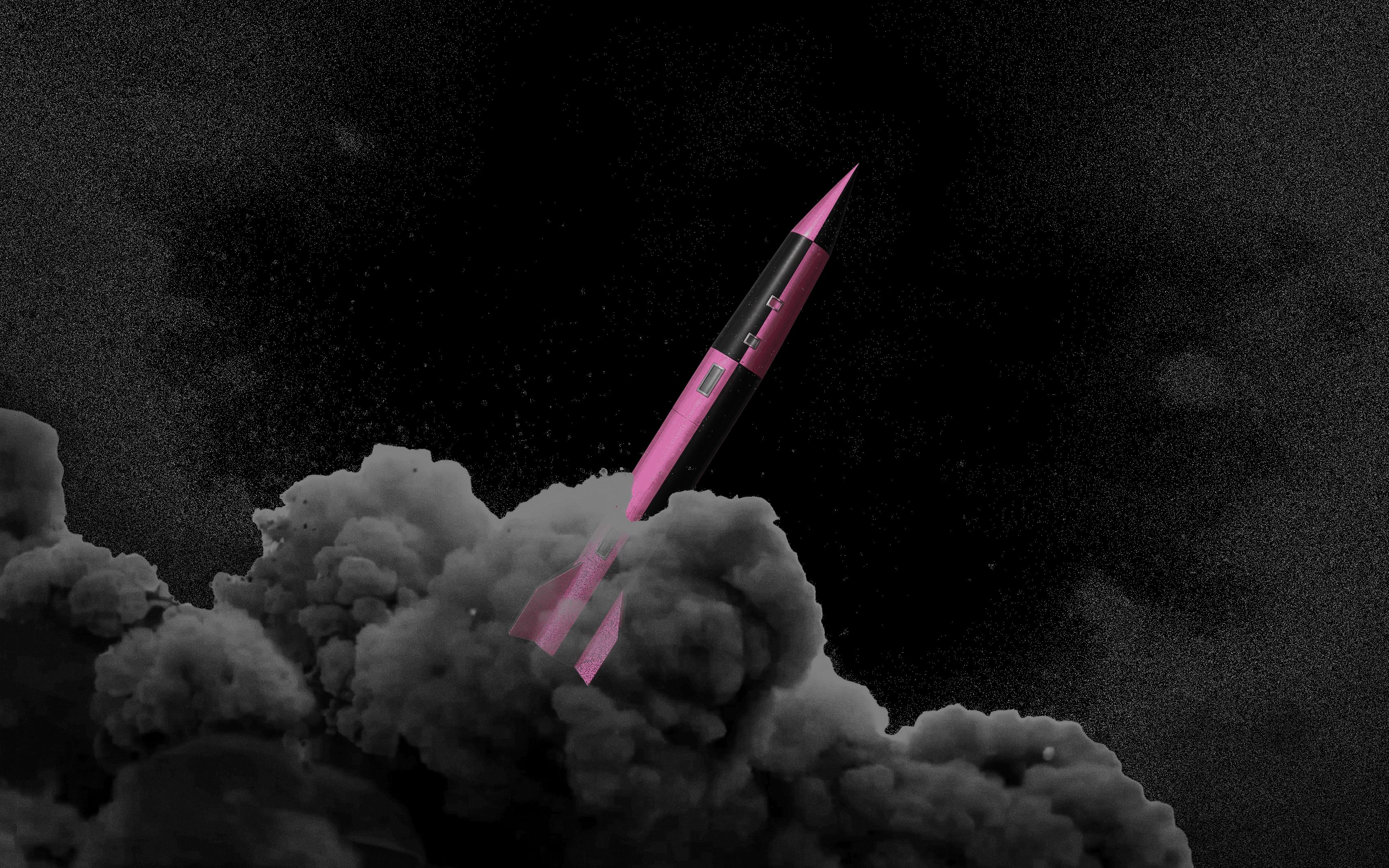
Ukraine’s FP-7.x missile has completed its first fully guided flight, a test that could become a key step toward building FREYJA—Europe’s future interceptor designed to hunt ballistic missiles.
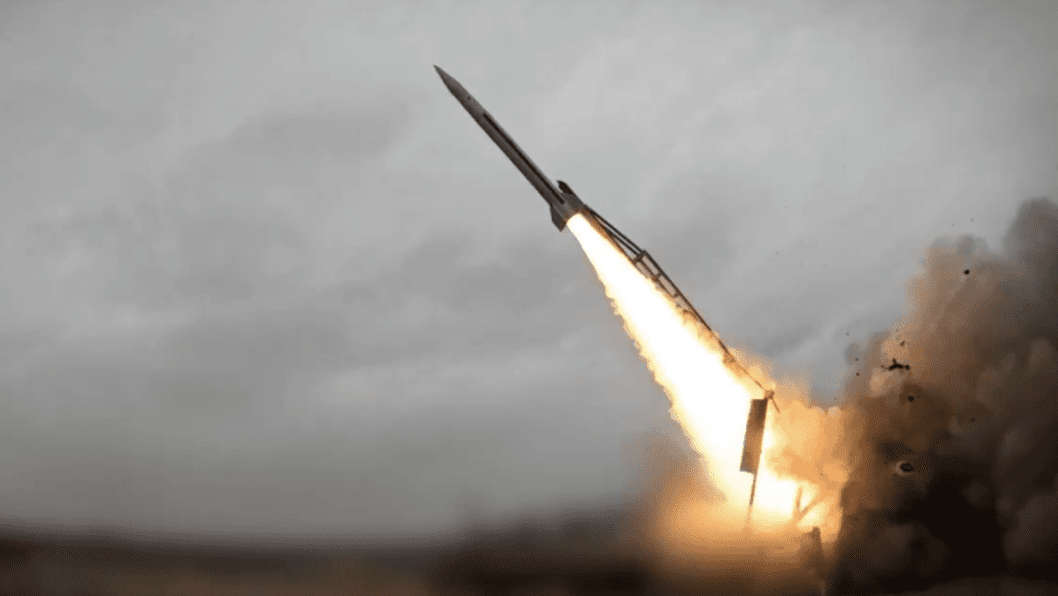
A newly released video shows the second known launch of Ukraine’s FP-7 ballistic missile, a test that may be crucial for the future FREYJA anti-ballistic interceptor being developed for Ukraine and Europe, according to Defense Express on June 3.
The FP-7 missile, developed by Ukrainian company Fire Point, completed its second successful launch and its first fully guided flight.
We bring you stories from the ground. Your support keeps our team in the field.
The video was published by Fire Point’s Chief Technical Officer, Iryna Terekh. The missile’s first test launch took place in late February.
The latest launch matters because the missile used in the test was not a standard FP-7, but the FP-7.x variant. This version is expected to form the basis of the future FREYJA missile interceptor platform.
According to Terekh, the FP-7.x performed a fully controlled maneuvering flight during the test. In the published footage, the missile can be seen adjusting its course after launch, and it likely carried out additional test maneuvers beyond what was shown on video.
🔴 Ukraine's Fire Point tests new missile for upcoming anti-ballistic system
— UNITED24 Media (@United24media) June 3, 2026
Company technical director Iryna Terekh confirmed the successful fully-guided maneuvering flight of the FP-7.X missile, a platform designed to serve as the foundation for the future FREYJA… pic.twitter.com/uZtcL0acsi
That maneuverability will be one of the key factors determining whether the future system can intercept ballistic targets such as Russia’s Iskander-M missiles. To reliably destroy a ballistic missile, an interceptor cannot simply detonate nearby. It must strike the warhead directly under the so-called hit-to-kill principle.
That level of precision becomes even more difficult when the incoming ballistic missile is maneuvering at several times the speed of sound. The ability of FP-7.x to rapidly correct its course will therefore be central to the effectiveness of the future FREYJA system.
The test also featured a noticeable visual detail. Unlike during the first launch, some elements of the FP-7.x were painted pink. This may have been a reference to Fire Point’s FP-5 Flamingo missile, which was also painted in a similar color during one of its tests and later received the name Flamingo.
As with the FP-5, the pink coloring on the FP-7.x likely had a practical purpose as well, making the missile easier to track visually and helping recovery teams locate debris after impact.
According to current plans, the FREYJA interceptor is expected to reach speeds of 1,500 to 2,000 meters per second. It will be 7.25 meters long, with a fuselage diameter of 0.53 meters.
Like the standard FP-7 ballistic missile, FREYJA’s body is expected to be made from composite materials, which should help reduce production costs.

The broader anti-aircraft missile system is planned around ready-made solutions already available in Ukraine and Europe. That approach is intended to shorten development time and lower program costs, both of which are critical for Ukraine as it seeks to build a stronger anti-ballistic defense capability while Russia continues launching ballistic missile attacks.
Earlier, Ukraine’s Fire Point said nearly all components of its FP-7.x interceptor missile, developed as part of the FREYJA air and missile defense project, are manufactured inside Ukraine.
Discuss this article:






-efa69d4733b5af9f7cd0a642f85424a6.jpeg "Thick black smoke rises from the heavily damaged Proton-Electrotex plant in Orel, Russia, following a reported strike. (Source: Exilenova+)")