- Category
- Latest news
France Wants Its Own “Flamingo”—And Renault Is Building It
 Prefer U24 Media on Google
- Authors


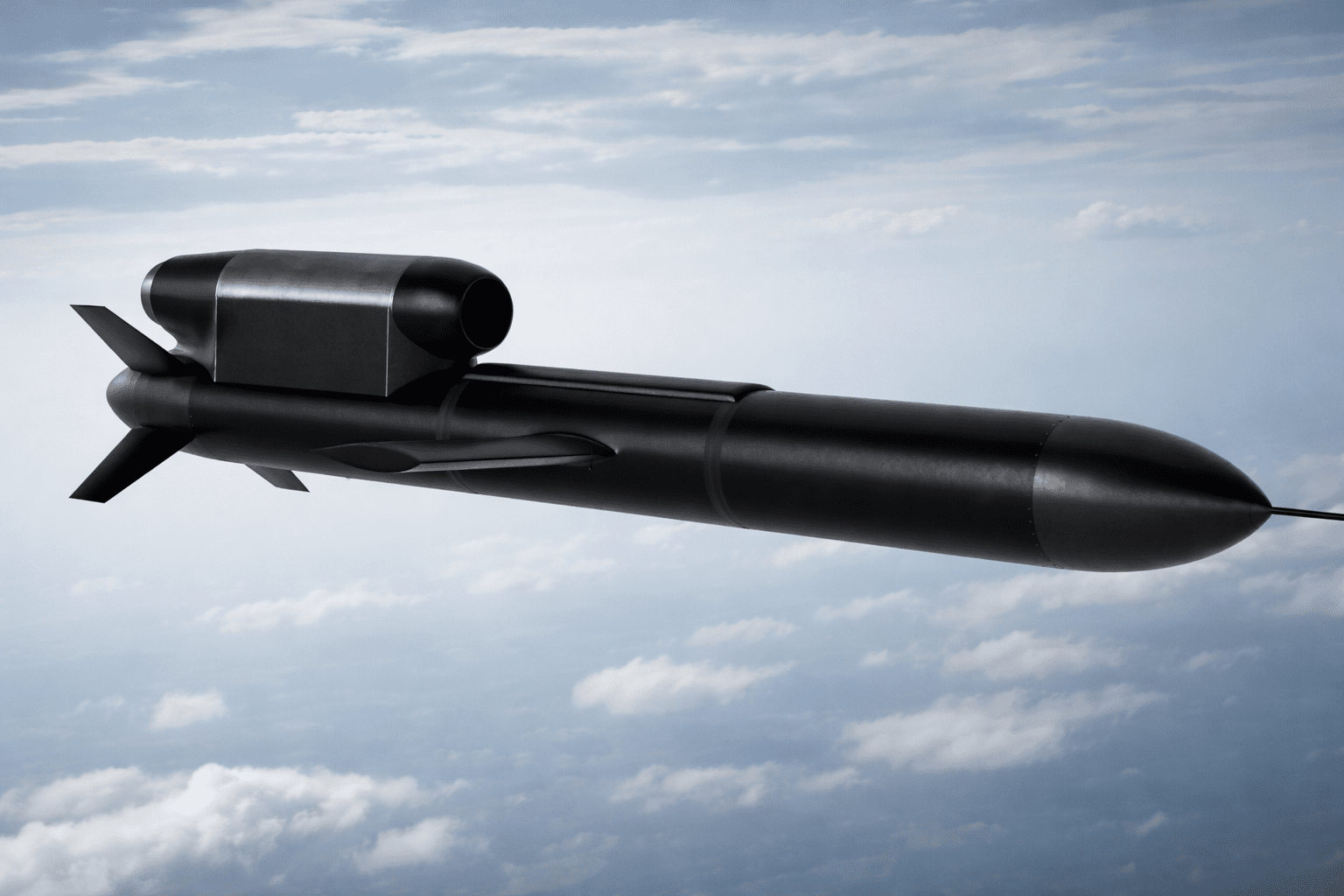
France has launched a new defense program to develop a long-range strike system modeled on Ukraine’s “Flamingo” cruise missile, with automotive giant Renault involved in the project.
We bring you stories from the ground. Your support keeps our team in the field.
According to Zone Militaire on April 12, the system—known as Chorus—is being developed by French firms Turgis Gaillard and Renault under the supervision of the country’s defense procurement agency. The initiative was confirmed by France’s General Delegate for Armament, Patrick Pailloux, during a Senate hearing.
“For drones and remotely operated munitions, within the framework of the Chorus program, conducted with Renault and Turgis Gaillard, we aim to develop the equivalent of the Ukrainian ‘Flamingo’ missile,” Pailloux said.
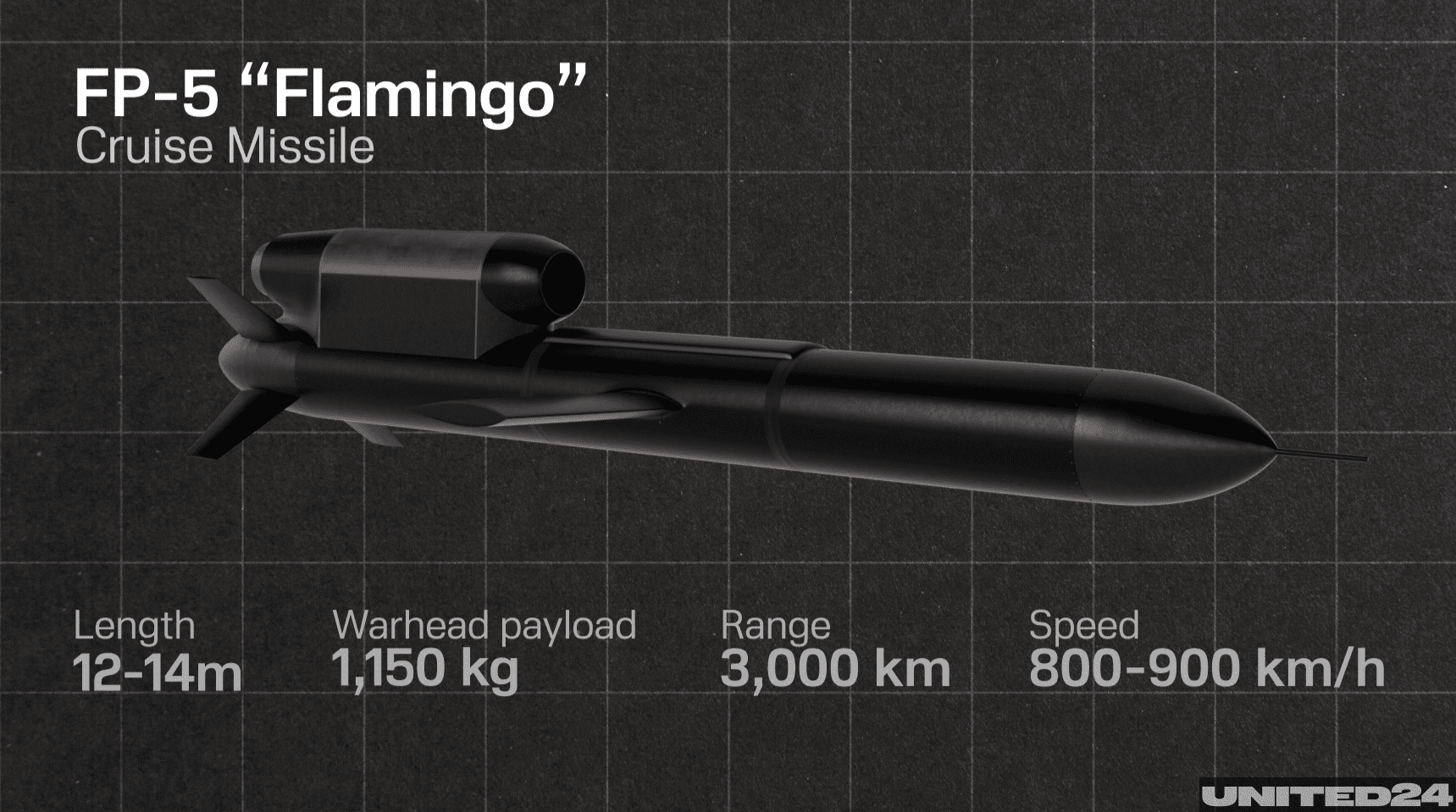
According to Zone Militaire, the planned specifications for the Chorus system include a warhead of approximately 500 kilograms and a range of up to 3,000 kilometers. The projected unit cost is about €100,000 (approximately $108,000), positioning it as a relatively low-cost option for long-range strike capabilities. Additional technical details have not been disclosed.
The program is backed by a €35 million (approximately $38 million) allocation from France’s defense procurement agency (DGA), according to Zone Militaire. Unlike traditional missile programs, Chorus is not intended for immediate large-scale deployment.
Instead, French officials describe it as a test of industrial readiness—specifically Renault’s ability to rapidly scale production of complex military systems if required.
According to Pailloux, France does not plan to procure large quantities of the system in the near term. “We will not acquire large quantities of such equipment, which will quickly become obsolete. However, this work ensures that Renault, when the time comes, will be able to produce in quantity,” he said.
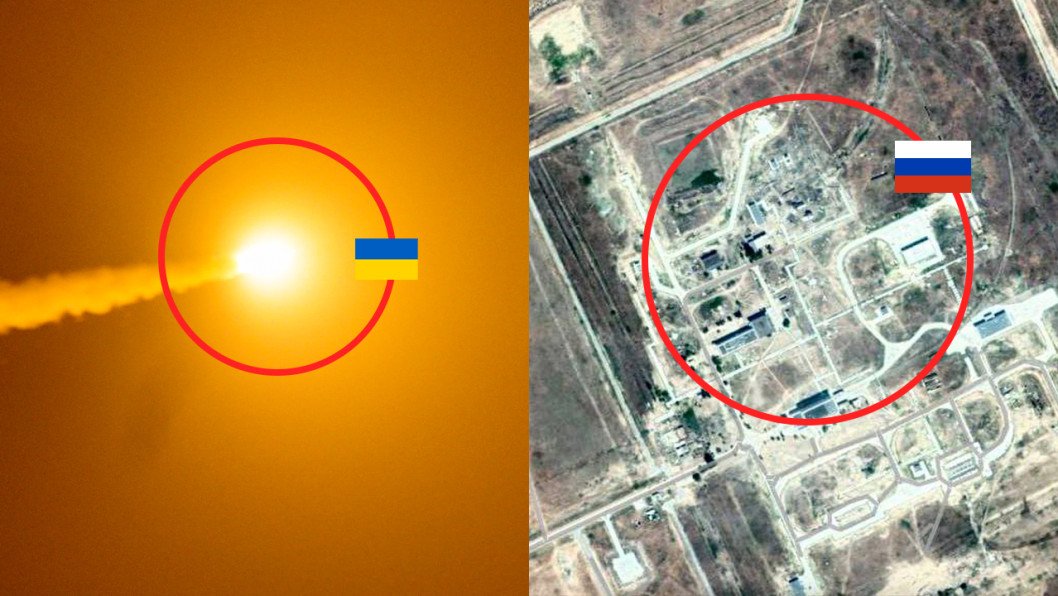
The involvement of Renault reflects a broader trend of integrating civilian industrial capacity into defense manufacturing. According to Zone Militaire, the French Ministry of Armed Forces has previously tasked the automaker with contributing its expertise in mass production, cost control, and industrial scaling to support the development of a domestic drone and loitering munition sector.
The Chorus program appears distinct from other French efforts in the same domain. Earlier this year, France ordered long-range “One Way Effector” loitering munitions from MBDA and Aviation Design, designed for tactical strikes at distances up to 500 kilometers (approximately 310 miles). Those systems are intended for operational use, including saturating air defenses and supporting cruise missile strikes.
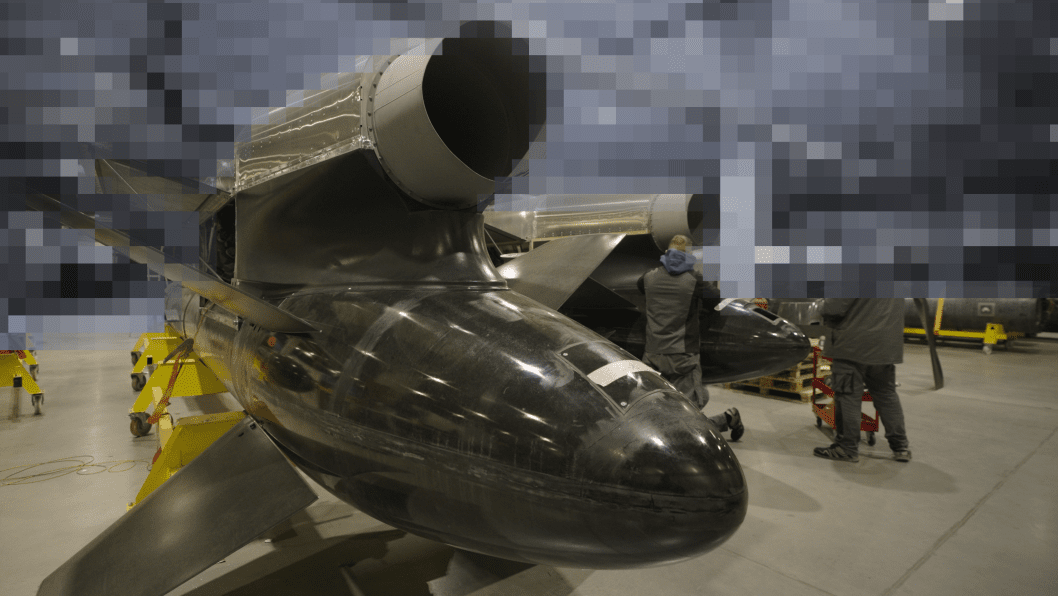
In contrast, Chorus is positioned as a longer-range system influenced by Ukraine’s battlefield experience. According to Zone Militaire, the Ukrainian “Flamingo” missile—developed by FirePoint—has significantly higher reported capabilities, including a larger payload and faster cruising speed.
Ukraine’s “Flamingo” is a long-range cruise missile developed by the private Ukrainian company FirePoint as part of the country’s broader push to create domestically produced strike systems.
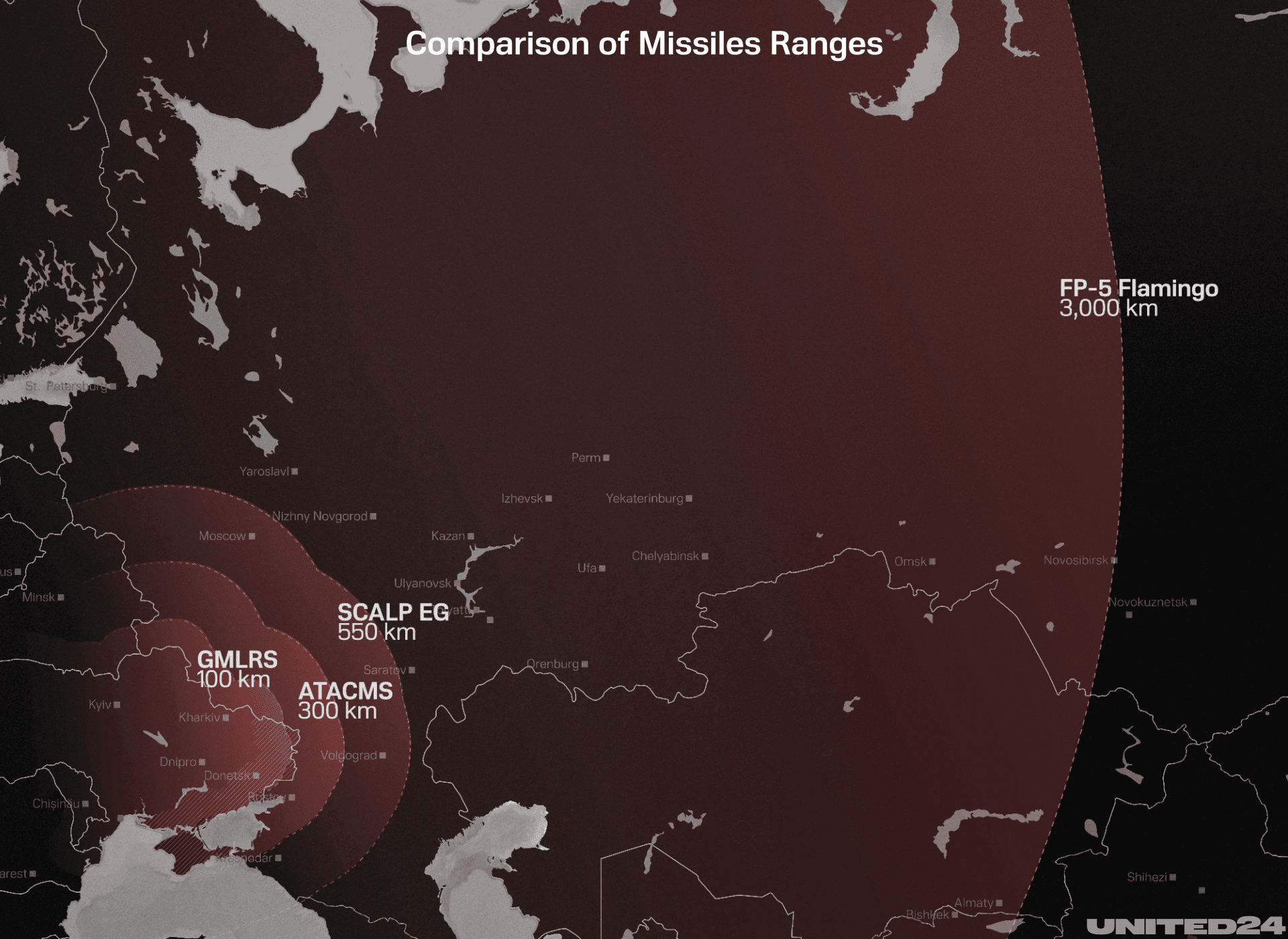
Designed for deep strikes, the missile is reported to have a range of up to 3,000 kilometers and is capable of carrying a large warhead, making it suitable for targeting high-value infrastructure far beyond the front line. Its development reflects Ukraine’s shift toward scalable, long-range capabilities that can operate independently of Western-supplied systems.

According to available descriptions, “Flamingo” is powered by a turbojet engine and can reach subsonic cruising speeds of approximately 850–900 km/h. It is designed to fly at relatively low altitudes to reduce detectability, following a profile similar to traditional cruise missiles but with an emphasis on cost-efficiency and simplified production.
Compared to legacy Western systems, the focus is less on high-end precision engineering and more on achieving mass deployment at a lower price point.
Earlier, Ukraine’s Fire Point said it was developing an air-launched ballistic missile based on its FP-9 system, aiming to extend the range of its existing 800-kilometer platform by deploying it from aircraft.
Discuss this article:
-9a7b3a98ed5c506e0b77a6663f5727c5.png)


-c439b7bd9030ecf9d5a4287dc361ba31.jpg "Photo of Katherina Popilnichenko")