- Category
- War in Ukraine
Russia Can’t Export Its Oil from the Baltic—Ukrainian Drones Strike Ports 1,000 km Away Three Times
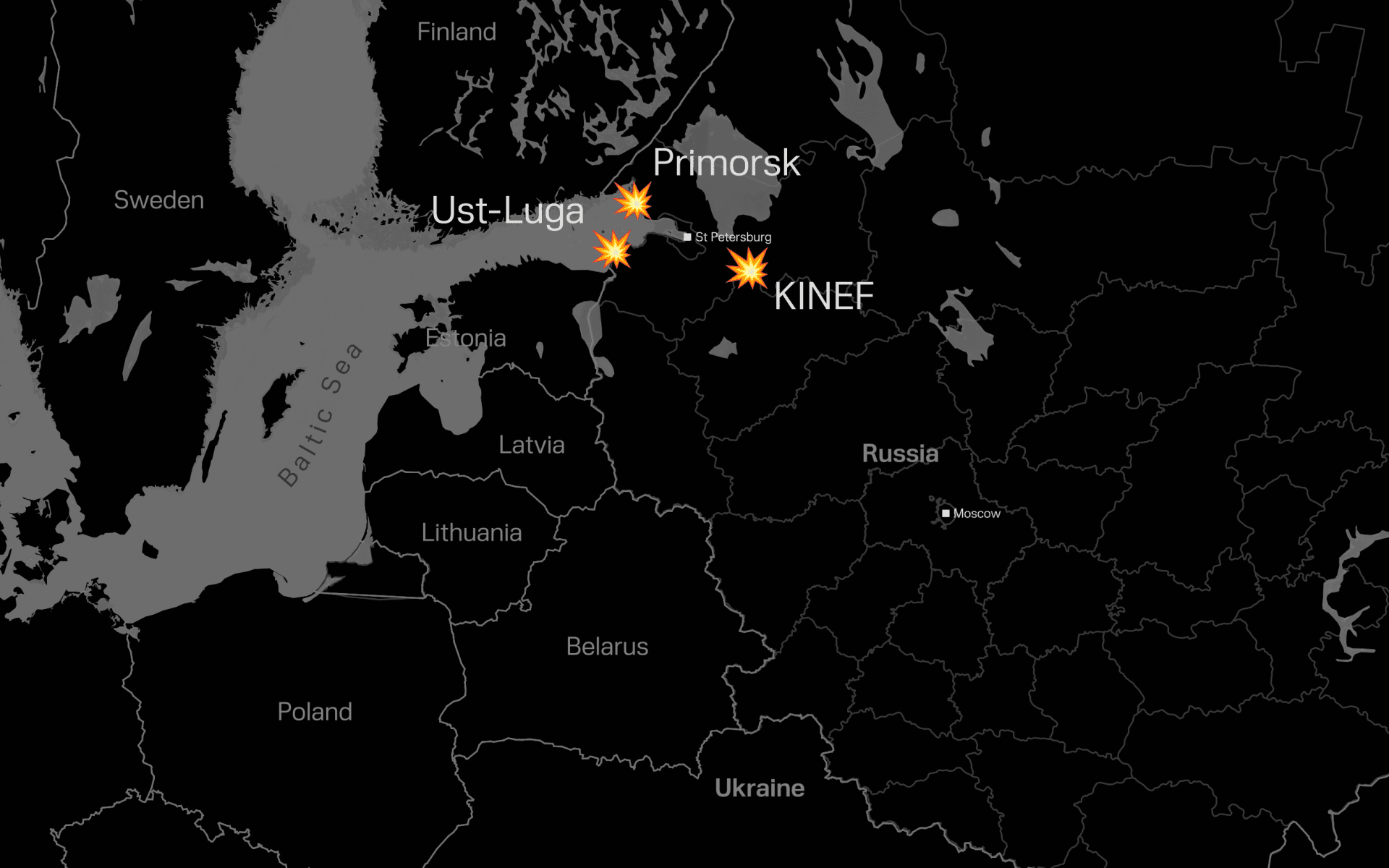
For three straight days, Ukrainian drones flew over 1,000 kilometers into Russia and hit the same critical targets again and again, shutting down key oil export hubs along the Baltic Sea.
 Prefer U24 Media on Google
- Authors

-29a1a43aba23f9bb779a1ac8b98d2121.jpeg "Photo of Illia Kabachynskyi")
Russia exports a significant share of its energy resources to other countries through the Baltic Sea, and several key ports geared toward that trade are located in the Leningrad region. In particular, the two largest are:
Primorsk
Ust-Luga
Last year, Ust-Luga exported 32.9 million tons of petroleum products, while Primorsk exported 16.8 million tons. These are Russia’s main export ports in this region. And at this moment, neither of them is operating.
Three strikes in a row
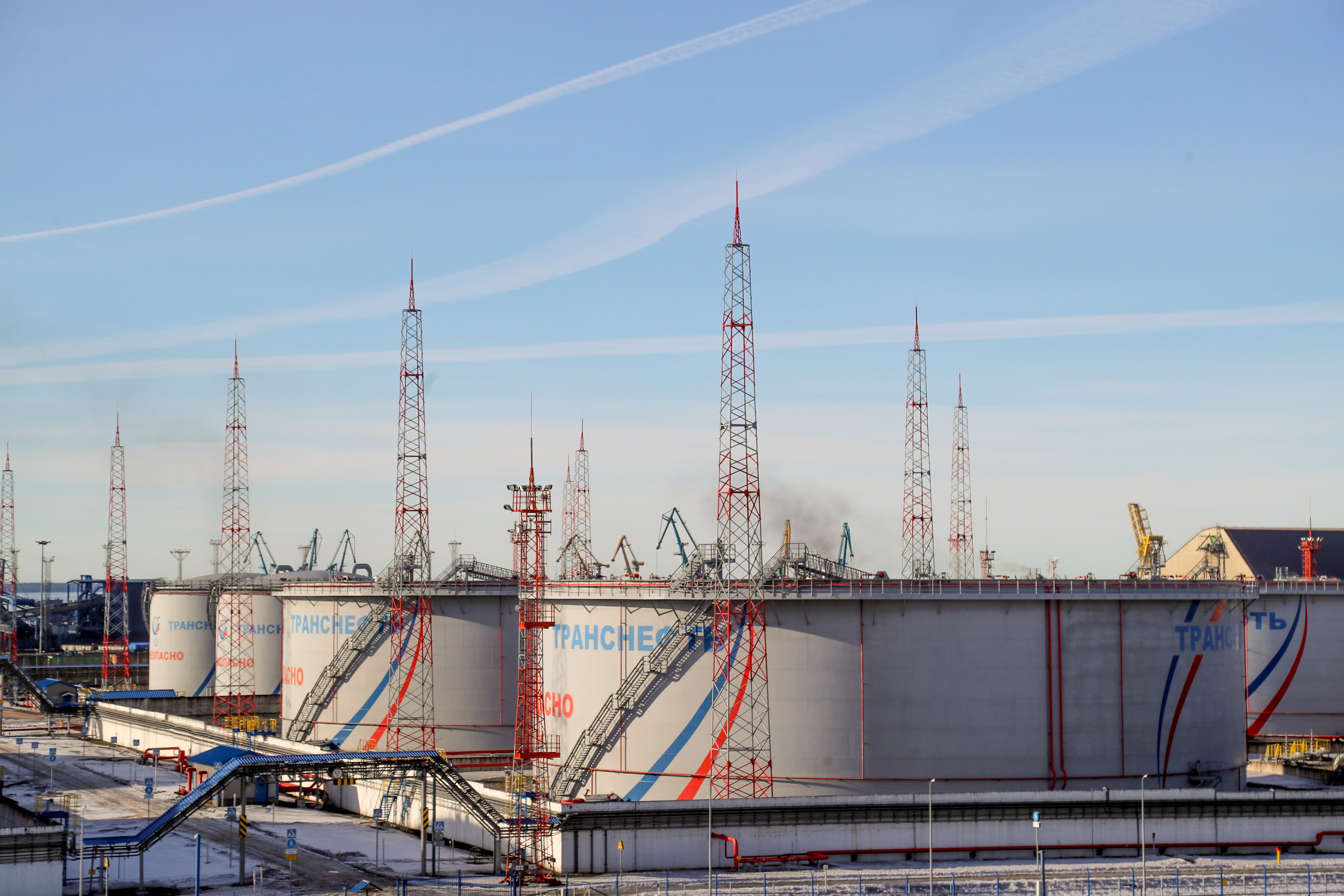
For several days now, both the port of Primorsk and the port of Ust-Luga have been burning after being hit by Ukrainian drones. In Ukraine, the operation was jokingly dubbed “The Unmanned Systems Forces Fly to the White Nights.”
The operation was carried out by the Unmanned Systems Forces on March 23 and 25, and on March 26, a strike was also launched against the Kirishinefteorgsintez (KINEF) refinery, one of Russia’s largest oil refineries.
The first strike, on March 23, targeted the port of Primorsk and halted its operations. It was followed on March 25 by strikes on the port of Ust-Luga. Despite statements by Russian officials claiming Russian drones had been intercepted, both ports have now suspended loading operations, while crews are working to extinguish fires that have spread across vast areas. According to videos posted publicly, the fires still have not been brought under control.
Magyar’s update.
— 414 Magyar's Birds (@414magyarbirds) March 26, 2026
Or: the Birds of the USF heading for the White Nights.
The Bermuda-like Leningrad oil triangle – Primorsk – Ust-Luga – Kirishi – does exist. Or how the Baltic export oil artery works (worked) – version 3.0, not final.
The Birds of the USF report:
Siberian oil… pic.twitter.com/r6HvtdfNVq
Both attacks dealt a major blow to Russian exports: the ports were capable of loading more than 1 million barrels of oil or petroleum products per day, but they have now been out of operation for several days in a row. It will take time to put out the fires, and only then can work begin on restoring the infrastructure, assuming there are no further strikes. And there is plenty to restore.
The attack on Ust-Luga alone reportedly damaged three oil tankers, five fuel storage tanks, three berths, and the facilities of Russia’s energy giant Novatek.
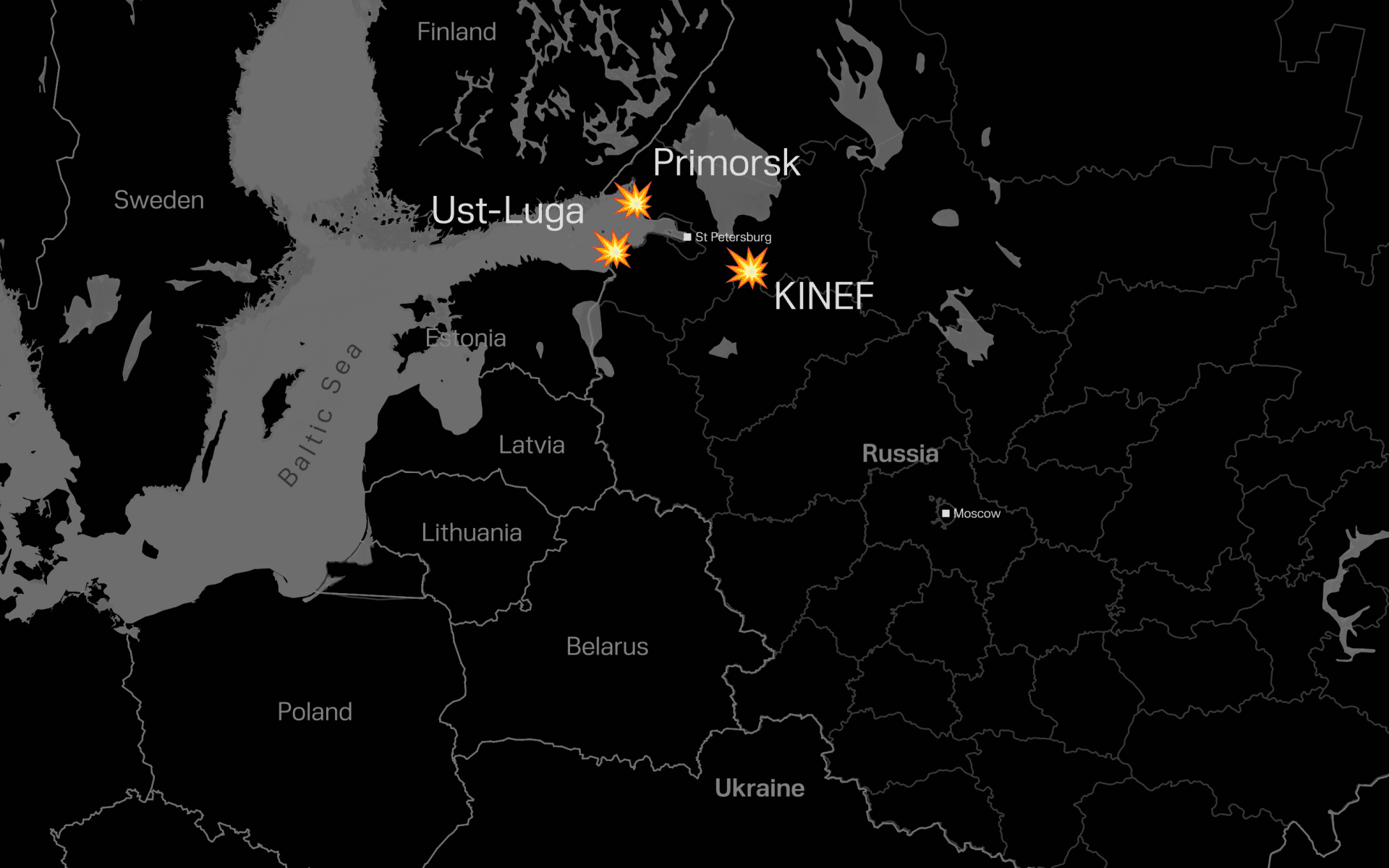
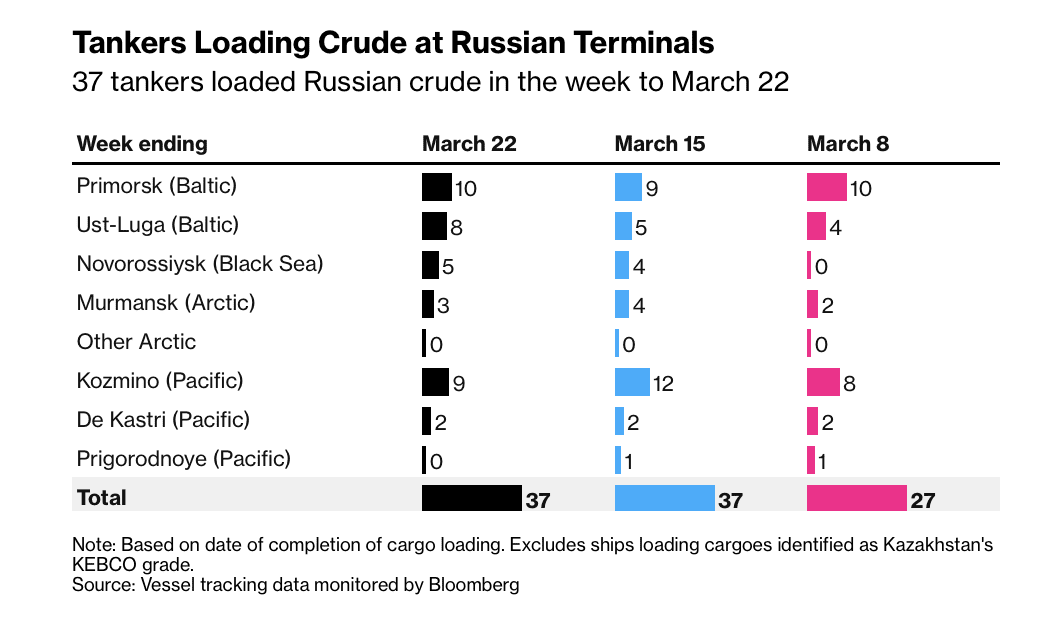
Repairs could take two weeks or more. That is suggested by the aftermath of strikes on the port of Novorossiysk: after Ukrainian drone attacks there in early March, no shipments took place, but by the third part of the month, several tankers had entered the port. As of March 22, there were 18 tankers in the ports of Primorsk and Ust-Luga. That is nearly half the capacity of all Russian ports combined. Now, such shipment volumes should not be expected from these ports for at least several weeks.
Deepstrike domination
The strike was difficult to carry out—more than 1,000 kilometers (620 miles) from Ukraine’s border. Despite that distance, dozens of Ukrainian drones managed to cover it three times in a row in less than three days, consecutively striking two ports and a refinery.
The fact that such an operation was successfully carried out three times in succession points to the preparedness of Ukrainian UAV operators and to the weakness of Russian air defenses in the event of actual combat operations.
While Russian officials attribute the fires to falling debris, it is clear the strikes were precise—fires of this scale do not result from debris alone.
Also telling was the strike on the Russian patrol icebreaker Purga, Project 23550, which was also damaged in the March 25 attack. The drone struck precisely at the waterline, after which the icebreaker began to flood and, in effect, sank, damaging a nearby vessel. Incidents like this are clear evidence of how successfully Ukraine is carrying out its military operations in places where the Kremlin does not expect them.
The objective of these actions remains the same: to make sure Moscow does not have the money to continue the war.
Discuss this article: