- Category
- War in Ukraine
How Ukraine Turned the War Back on Russian Soil: A Timeline
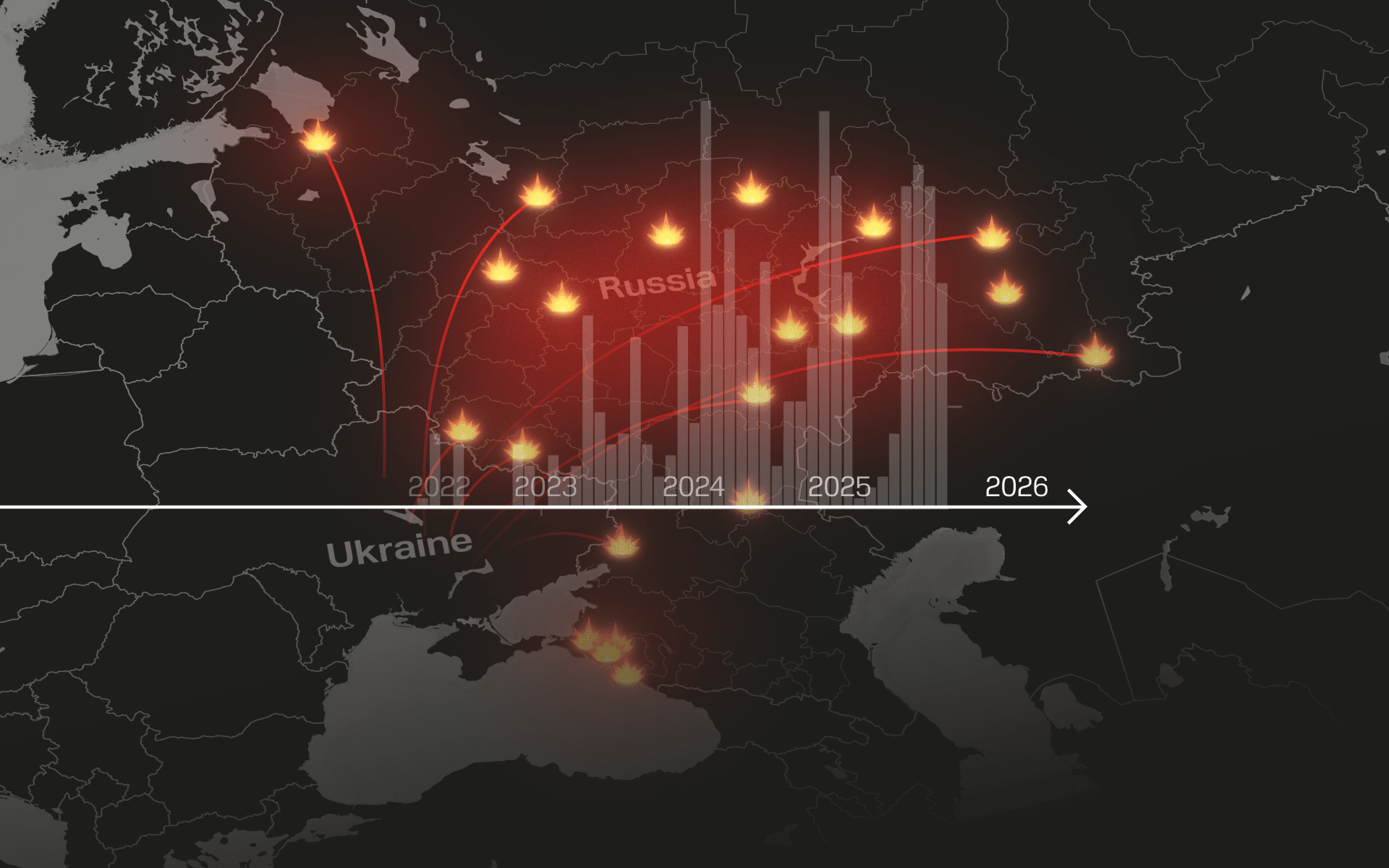
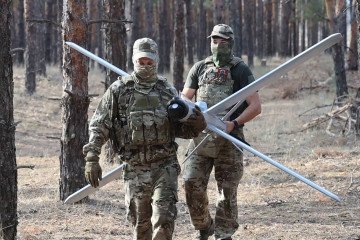
Russia is routinely hit by deep strikes; Ukraine is now capable of mass-launching drones, creating its own long-range missiles, and firing them at Russian military and oil infrastructure. Four years ago, this would have been unthinkable.
 Prefer U24 Media on Google
- Authors

-605be766de04ba3d21b67fb76a76786a.jpg "Joseph Place")
“No region of Russia can feel safe” due to Ukrainian drones, including the Ural region, Russian Security Council Secretary Sergei Shoigu said in 2026. Russia is too large to defend against Ukrainian strikes, said another official. It is now a regular part of the consequences of Russia’s invasion of Ukraine.
From partisans and early drone strikes into neighboring regions, Ukraine’s ability to bring the fight back to Russia has improved significantly, especially since Russia invaded Ukraine on a full scale. Ukraine has been growing its ability to combine asymmetric warfare, intelligence operations, long-range FPV drones, and use long-range missiles.
We lay out the timeline of Ukraine’s key attacks against the military targets inside Russia.
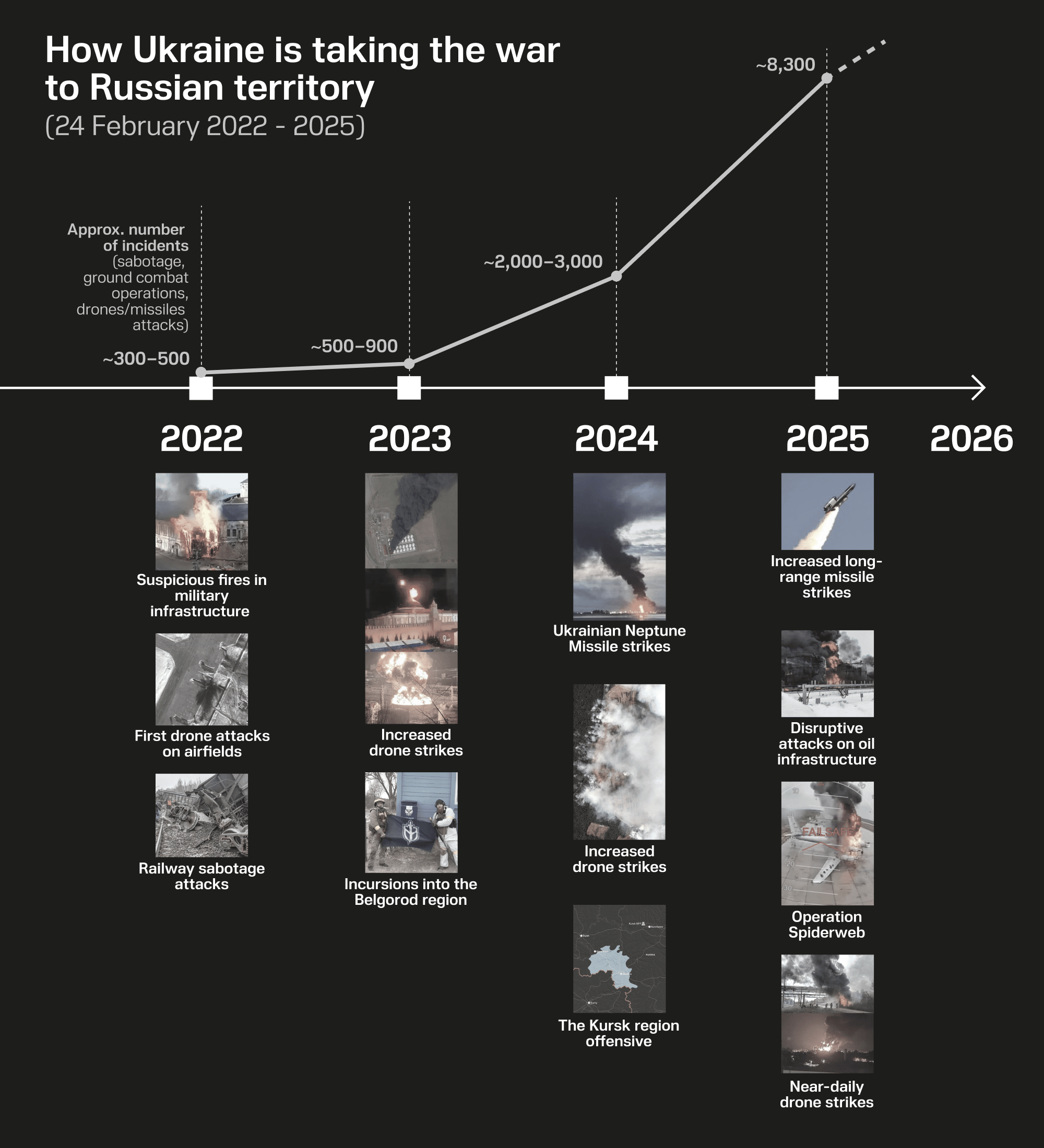
2022: Sabotage, partisans, and the first signs of reach
First rumours
Many rumored and unconfirmed attacks on facilities inside Russia, like an oil depot in Belgorod, came in 2022, not long after the full-scale invasion. Some were proven, but many of the alleged attacks were denied by Kyiv and suspected to be the Kremlin's propaganda to justify attacks on the Ukrainian civilians.
Suspicious explosions
More suspicious explosions in the border regions within Russia on oil depots occurred later, accompanied by drone strikes. Russian saboteurs also attacked rail infrastructure to delay the war effort, as did the Russian anti-war Stop the Wagon group. While this was not an attack initiated by Ukraine, these efforts brought the war into Russia in the early stages.
Engels and Dyagilevo strikes
The undisputed Ukrainian operation, however, was on the Engels and Dyagilevo airbases, both deep inside Russia and both hosting the country’s strategic bombers. The airfields experienced explosions on December 5, 2022, damaging infrastructure and aircraft like the Tu-95, despite Russian claims to the contrary. These disrupted anticipated mass attacks from bombers on Ukraine and were the deepest strikes into the country so far. Engels experienced another attack from a Ukrainian drone on the 25th. Most importantly, these early attacks were the first time that Russians felt the war come to their own territory.
2023: The rise of drone warfare
Drone manufacturing booms
In the second year of the full-scale invasion, attacks on Russia’s military-industrial complex increased, in a major part thanks to Ukraine’s FPV drone warfare. On May 3rd, drones struck an airfield in the Bryansk region, destroying two targets and damaging a third. The Kremlin itself was also attacked by a drone on the same day, though the origins are disputed. In the same month, on May 30, Moscow was attacked by eight drones. The military impacts were not major; however, it showed that Russia’s capital was poorly prepared for such strikes. An airfield in the Pskov region was also hit by drones, with two Il-76 transport aircraft destroyed and two more damaged.
Throughout 2023, drone strikes began becoming a normal occurrence in Russian regions, mostly on the borders, but not always, as the attacks on Moscow indicate. However, the number of drones was low.
Belogord region incursion
2023 was the year of the first notable ground incursion into Russia. While the forces mostly consisted of non-Ukrainian volunteers, such as anti-Kremlin Russian groups Freedom of Russia Legion and Russian Volunteer Corps, Polish and Belarusian Volunteer Corps, and the Chechen Separate Special Purpose Battalion, they brought forces into Russia for the first time on foot. This attack damaged and destroyed equipment, supported the Sumy and Kharkiv axis, and, again, had a major psychological impact on Russia, as soldiers had entered the Russian territory.
2024: Kursk offensive, oil campaign, and Russia’s Black Sea Naval defeats
Oil strikes escalate
By now, drone strikes against Russia’s war machine were continuing and increasing. Ukraine hit oil infrastructure 84 times, mostly refineries, which signified a major increase, as well as military infrastructure. In this period, Ukraine launched many long-distance strikes, using 50+ Neptune missiles and other missiles, as well as drone attacks on an air defense plant 1,300 km into Russia.
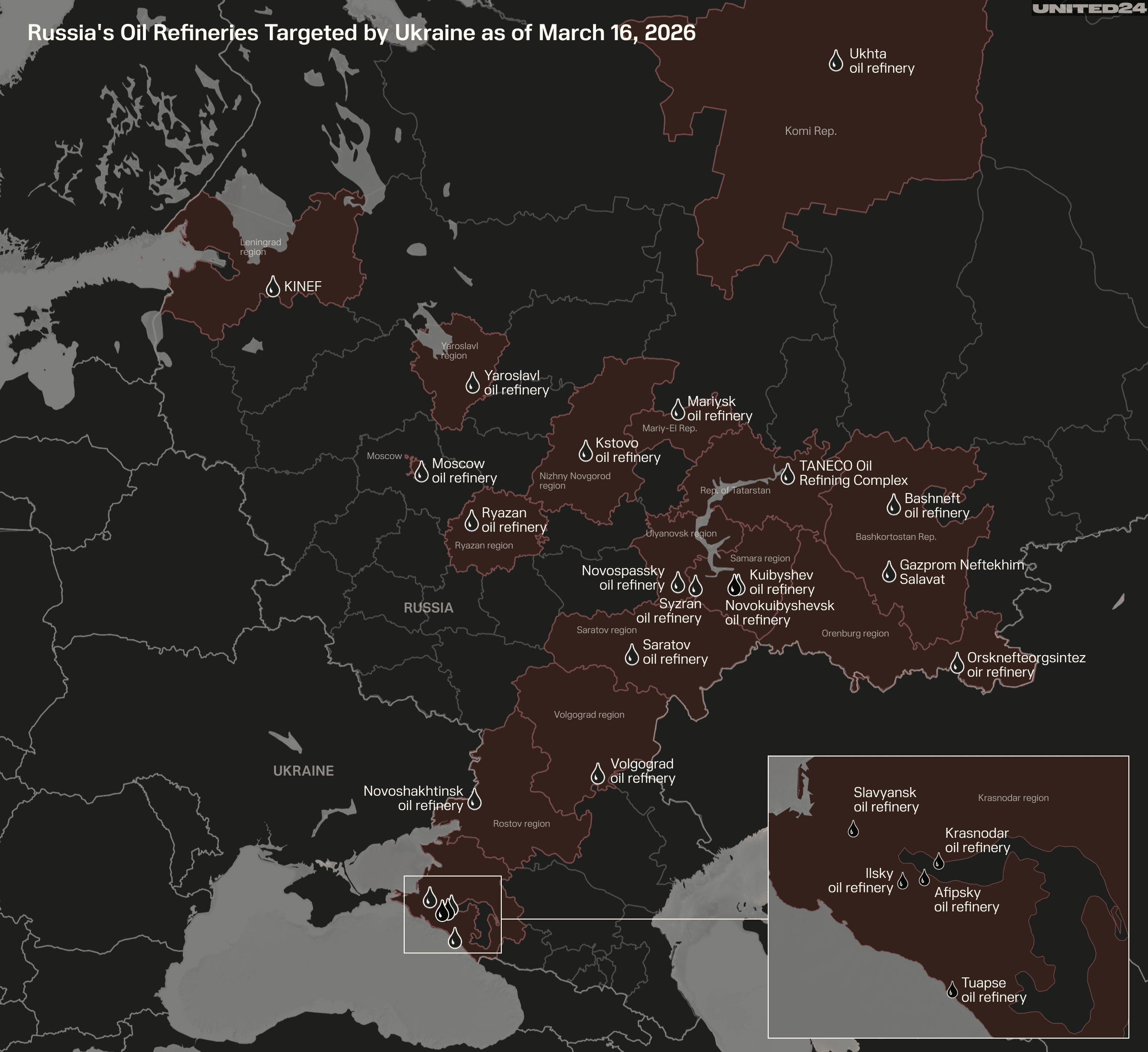
In fact, this year saw many long-distance attacks into Russia as the US and allies permitted Ukraine to use US-made missiles to strike Russian targets outside of Ukraine. The attacks increased in scale, too, with four airfields inside Russia being targeted at once. This significantly impacted the air force and military-industrial machine, requiring Russia to move equipment, missiles, and planes, causing disruptions and reducing its capabilities.
Rendering the Black Sea Fleet ineffective
By 2024, Ukraine had also made the Russian Black Sea Navy effectively unable to impact the war, after hitting a significant number of ships, from the Moskva flagship cruiser to missile ships, landing ships, and submarines. The threat of drone strikes on ships reduced Russia’s ability to operate in the Black Sea. UK intelligence assessed that 25% of the total warships had been destroyed or damaged, including the Moskva. Many Russian ships relocated from occupied Crimea. This was crucial in increasing grain and other goods exports from Ukraine by 57% in 2024. Ukraine was finally able to ship grain to other countries around the world, including for humanitarian purposes in Africa and Palestine.
Kursk region operation
Another major event is the Kursk operation. At this point, the war truly came to Russia as it was the first major operation on Russian territory. Initially, there was another incursion into Belgorod and Kursk regions in March, followed in August by the opening of a front in the Kursk region.
The goals were to redirect Russian forces, which were outnumbering Ukraine on the main frontline, to counter Russian offensives in the Sumy and Kharkiv regions, boost morale, and pressure Moscow into negotiations.
The Ukrainian forces quickly entered the Kursk region with little resistance, as the Russian soldiers there were inexperienced and outnumbered. Ukraine was able to seize strategically important towns like Sudzha, encircle troops and capture them, inflict high military casualties in Russia, and cause losses in equipment. Ukraine initially suffered few casualties and had a military presence in 83 settlements.
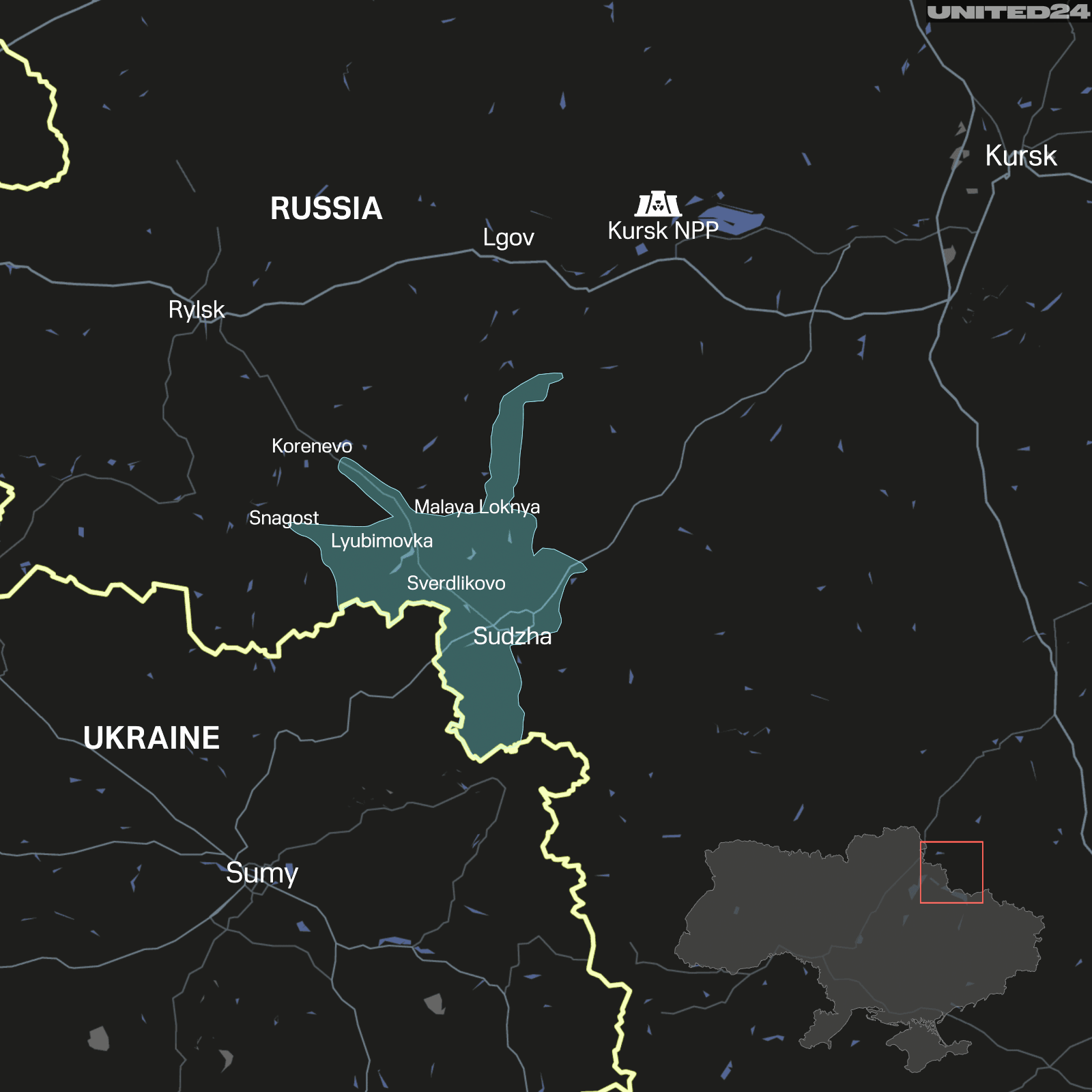
This front remained in Russian territory until April 2025. Ukrainian forces eventually withdrew, but the impacts were significant. Many Russian units and resources were diverted to Kursk, with Russia attacking its own territory more than Ukraine, and Ukraine was better able to protect Kharkiv and Sumy and reduce the disadvantage on the Eastern frontline. Russia was expected to push in these directions, and instead, Ukraine was able to prevent Russia from taking more of the Ukrainian territory.
2025-2026: Routine deep strikes, Spiderweb, domestic drones, and mass launches
Long-range oil and military attacks continue
At the start of 2025, Ukrainian drones targeted Moscow, with 240 drones being launched in total towards military and oil-related targets in Russia. Similarly large attacks took place this year, such as in December. In 2025, attacks on Russia were nearly daily. Drones hit a drone storage facility in Rostov, for example, in February 2025.
By 2025, Ukraine’s drone manufacturing had gone up significantly, from 20,000 a month to 200,000.
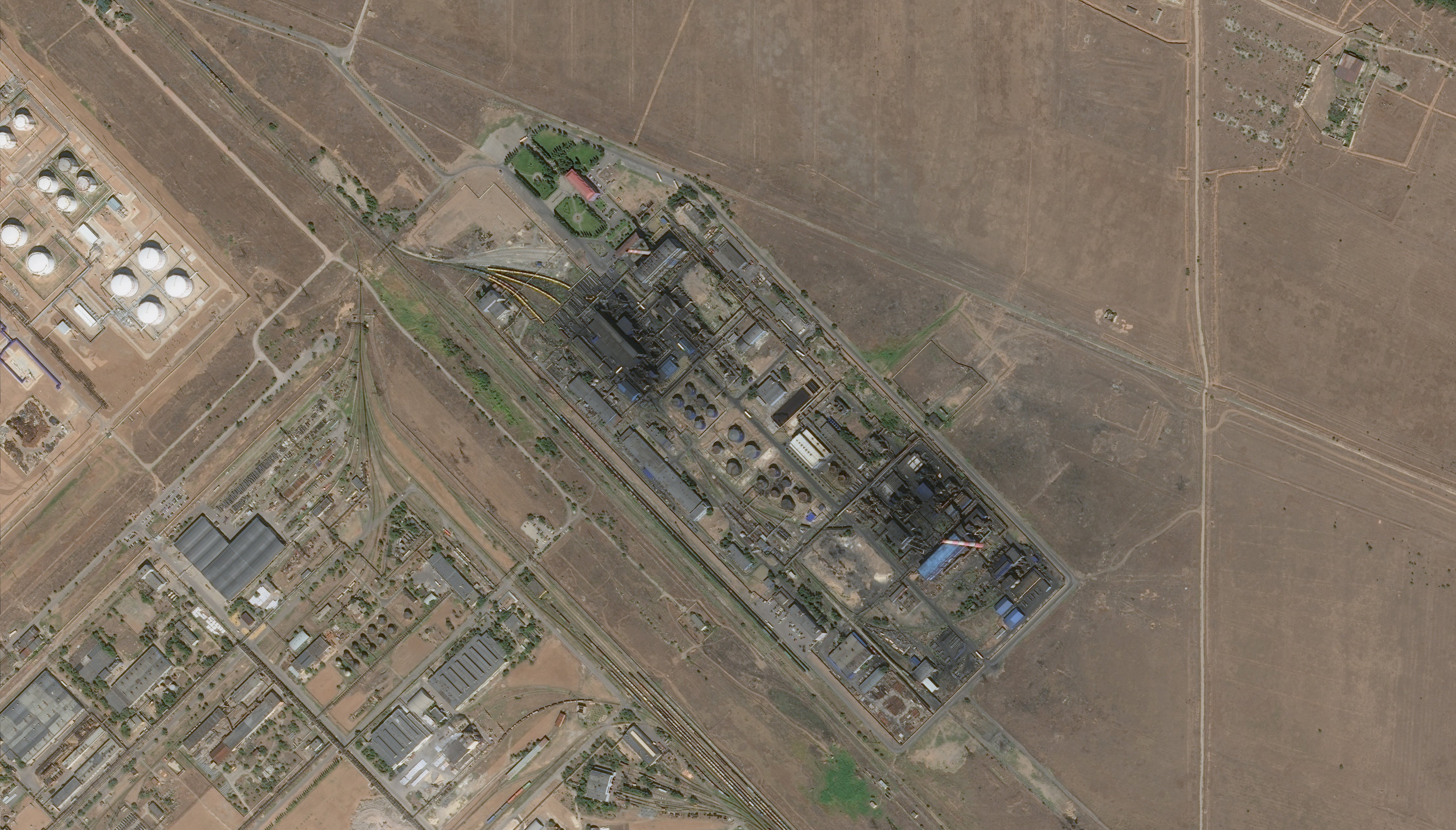
Ukraine continued its attacks on Russian oil, costing the Kremlin $12 billion, driving economic burdens on Russia, and significantly hindering its oil industry. Attacks on oil infrastructure were routine and deep inside Russia. Ukraine hit refinery, extraction, and storage facilities with drones and missiles. One unit alone destroyed $4 billion worth of Russia’s air defense with long-range drone strikes. The total of attacks on Russia was 371 in 2025.
Operation Spiderweb
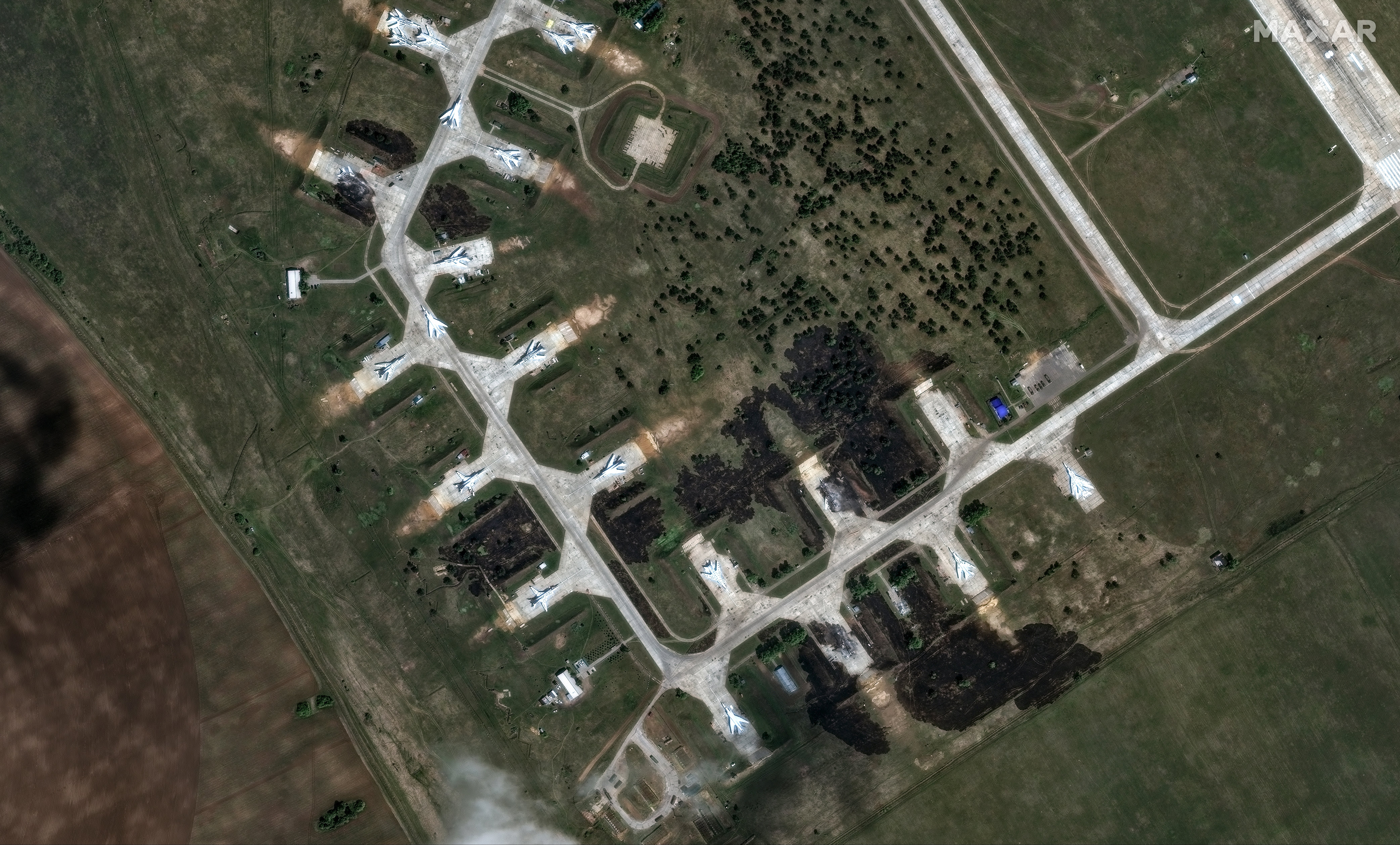
Most notably, in June, 2025, Ukraine conducted Operation Spiderweb; trucks loaded with drones were used by Ukrainian intelligence to attack multiple airfields across Russia, including deep into Siberia. Ukrainian drones destroyed several Russian nuclear-capable bombers with drones that were hidden in trucks, taking out around a third of its fleet.
The operation was planned for over a year and a half, and signaled Ukraine’s capacity for elaborate intelligence-led operations deep in Russia. Russian bombers were then overloaded and relocated further, trucks were disrupted as authorities inspected large volumes of trucks, and suspicions were at an all-time high.
Attacks on the remaining Black Sea Fleet
After forcing much of Russia’s Black Sea Fleet from occupied Crimea to Novorossiysk, Ukraine continued to attack naval vessels and related infrastructure on Russian territory. First, in December 2025, Ukraine hit Novorossiysk’s submarine port. Then, on March 1-2, 2026, Ukraine hit five warships at the Russian naval base, showing that their fleet is not safe from Ukraine’s reach.
This further enhanced Ukraine’s ability to maintain its control of the Black Sea and reduce Russian interference in the shipping of grain and other vital goods.
Increasing long-range missile strikes from Ukraine
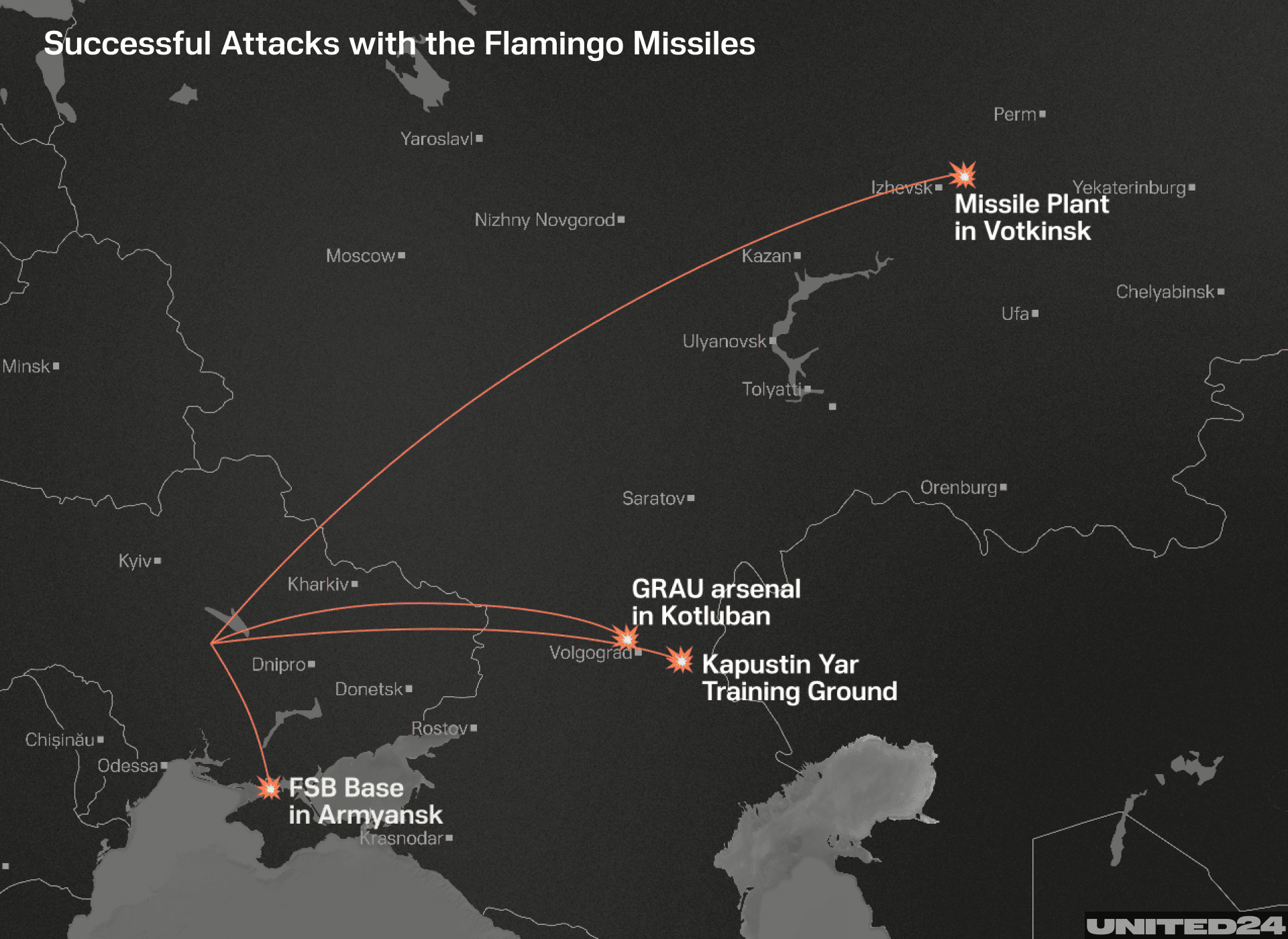
In 2026, long-range missile strikes against war-related infrastructure inside Russia have become the norm. This is thanks to Ukraine’s own development of long-range missiles like Flamingo, as well as the use of British Storm Shadows and other foreign-made missiles. Notable attacks by the Flamingo include the one on the Kapustin Yar launch site.
In February 2026, Ukraine struck Russia’s missile fuel plant in Redinko in the Tver region, and in March, Kremniy El, a microchip factory that made missile parts in Bryansk. The Ukrainian-made FP-5 Flamingo missile struck the Votkinsk Plant, a major Russian defense enterprise, in February 2026, deep inside Russia in Udmurtia. This shows how regular the attacks have become. These attacks disrupt Russia’s missile production, as the process often relies on a few key sites.
Ukraine reaches new drone records
On March 8-9, Ukraine hit a record by launching 754 drones at targets in Russia and temporarily occupied territories. On March 17, Russian media claimed to have shot down 96 Ukrainian drones. While not verifiable, the ISW noted that Ukraine struck air defense, an aircraft repair facility, and an oil depot from March 16 to 17. During the same period, Moscow experienced a massive drone attack, showing how routine attacks on Russian territory have become.
Crippling Russia’s Baltic ports and oil industry
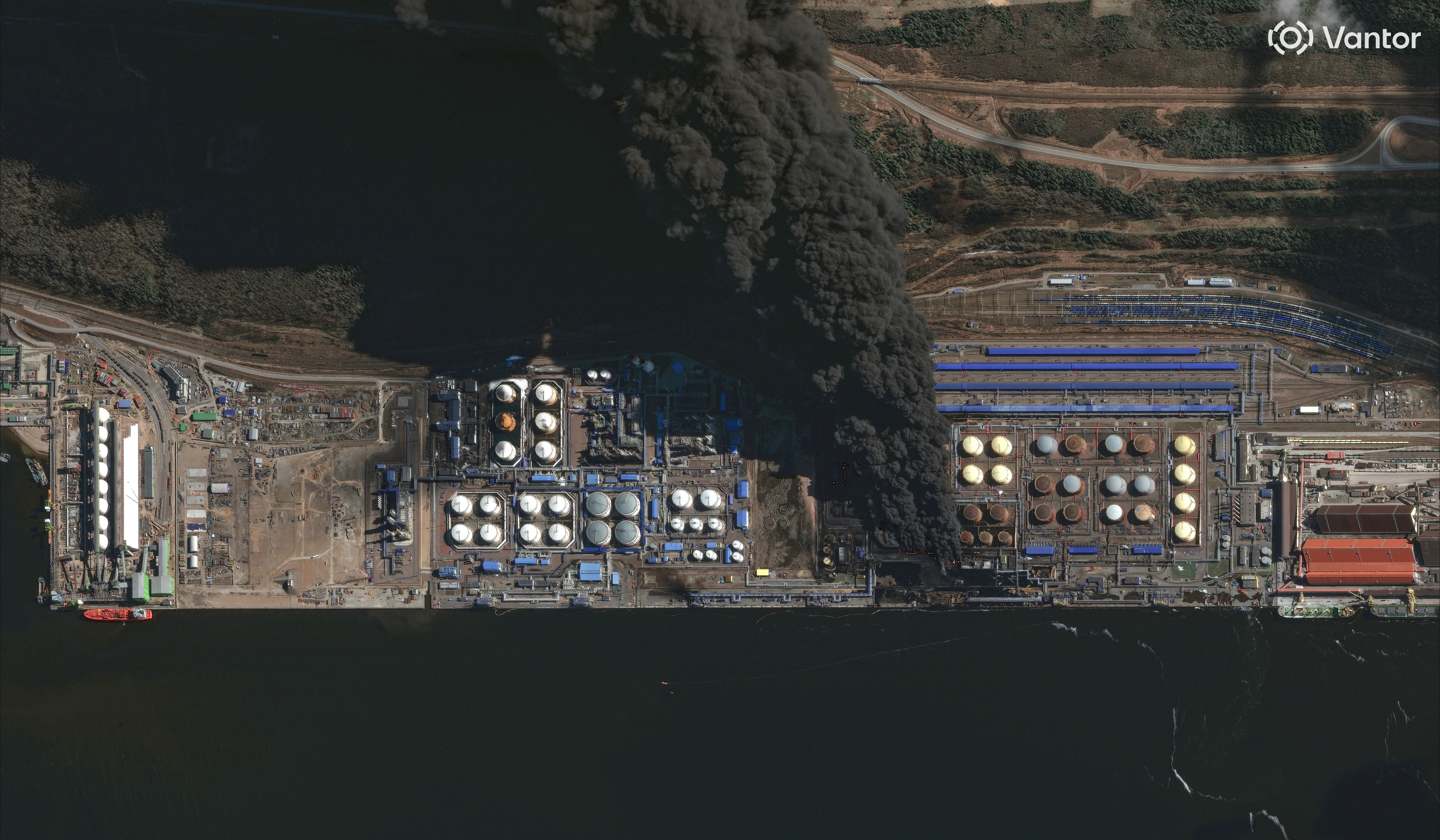
Ukraine hit ports used for the illegal export of oil in the Baltic Sea via the Shadow Fleet on March 23, 25, 26, and 31, significantly disrupting Russia's oil industry. Drones also hit refineries in the Ufa region, 1,300 km inside Russia. Also on March 26, Ukraine hit one of the largest refineries, Kirishinefteorgsintez, in the Leningrad region. On March 31, Ukraine hit one of the largest petrochemical factories in Tatarstan, Nizhnekamskneftekhim. These continued attacks on oil have reduced Russia’s capability to ship oil from key ports and have disrupted 30% of oil exports.
What changed: From defense to projection of power
While Russia continues to bombard Ukrainian cities, Ukraine has managed to cause military and economic damage in return. Strikes on oil refineries and other oil infrastructure, alongside sanctions, have driven Russian oil revenue to new lows, directly affecting its ability to wage war.
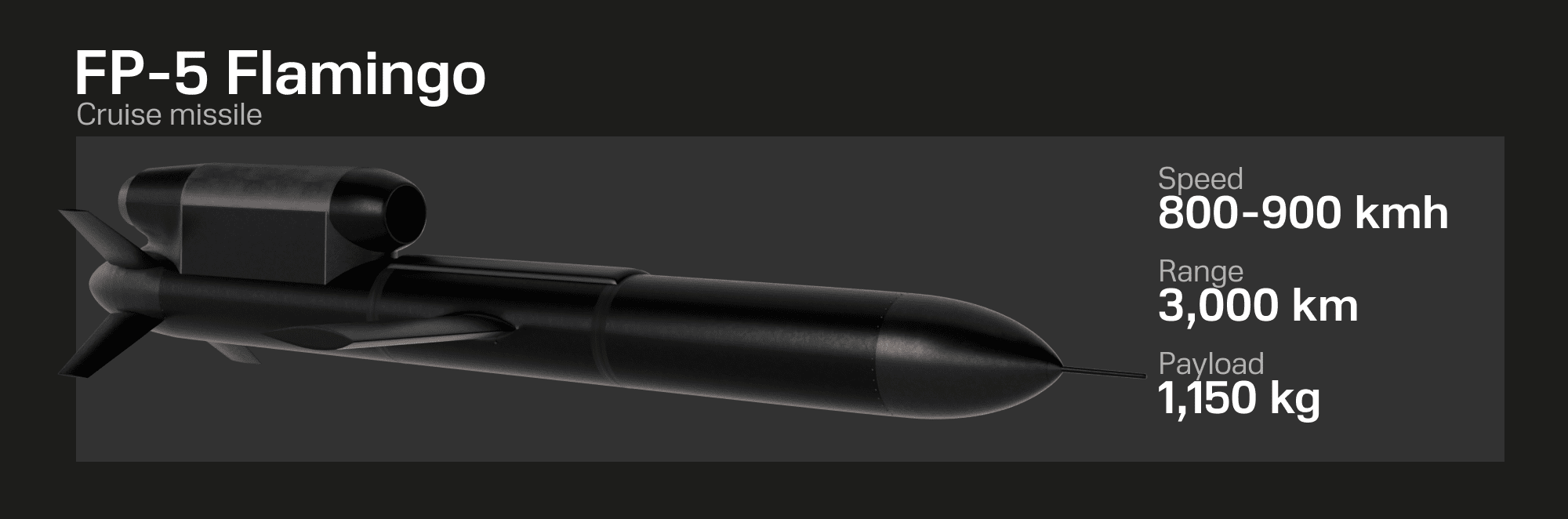
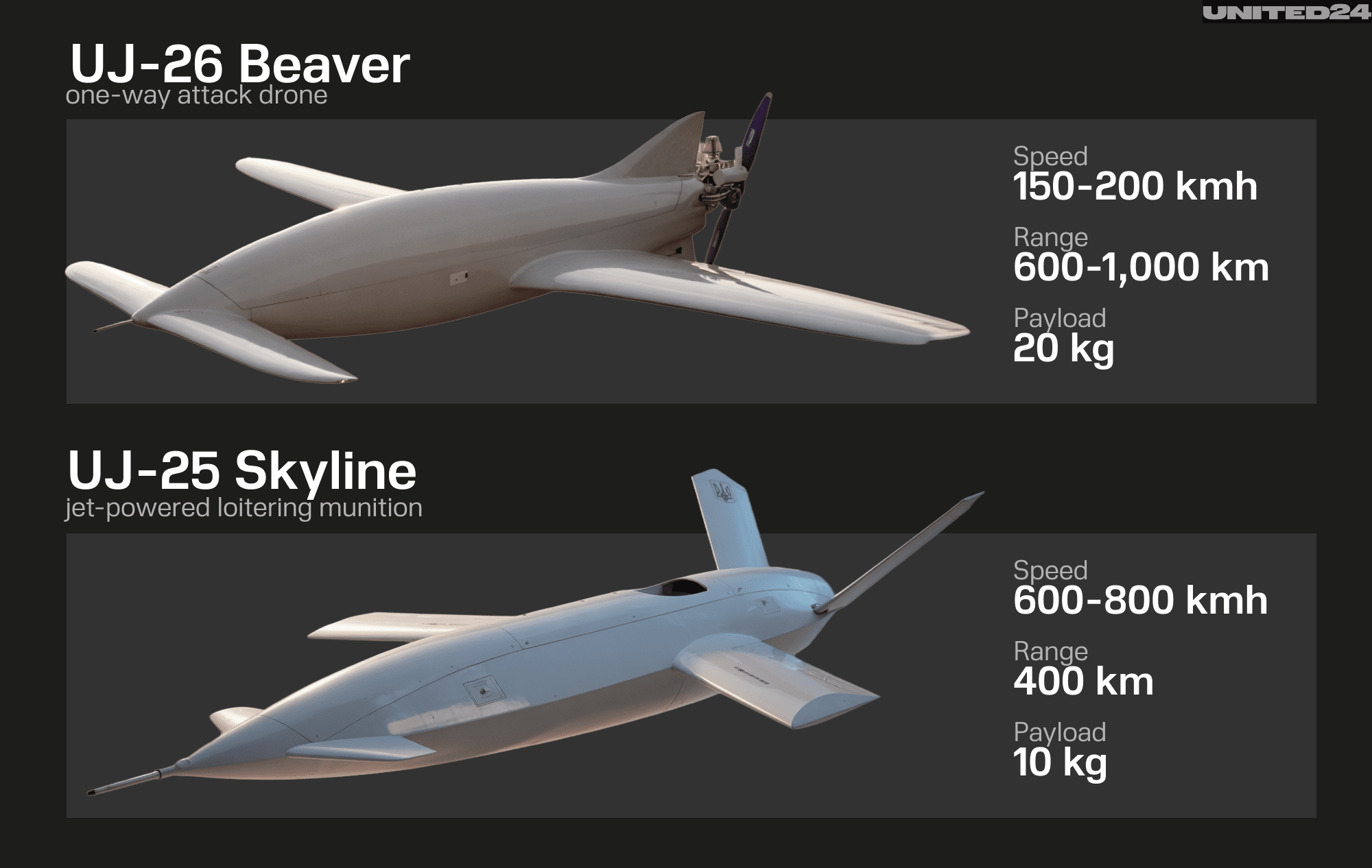
Ukraine’s domestic drone and missile production is one of the major reasons. By early 2026, output had reached up to 200 long-range strike drones per day, alongside record levels of anti-Shahed interceptors. This is in addition to the production of Flamingo and Neptune missiles, with Flamingo developing a new FP-7 ballistic one.
We can see changes over time regarding drone manufacturing in Ukraine.
2023: 800 thousand per year
2024: 2 million per year
2025: 4 million per year
2026: 5 million per year (NSDC) and up to 10 million (Kyiv School of Economics’ Estimate)
But hardware alone does not explain the shift. It reflects accumulated experience, production scale, and a deeper understanding of vulnerabilities within Russia, something that was not possible just a few years ago. It is so capable now that countries are asking Ukraine for help. Ukraine can export both expertise and thousands of interceptor drones to other countries, as countries are dealing with or anticipating drone attacks.
Four years of war, shortages, and the need to motivate and build capability have all significantly enhanced Ukraine’s defensive and offensive capabilities. Ukraine can now regularly fight back against Russia inside Russia in 2026.
Discuss this article:
-9bd5e1532102621f8fb1c4ba871a3171.png)