- Category
- Defense Tech
Turns Out, Ukrainian “Housewife Drones” Hit Hard
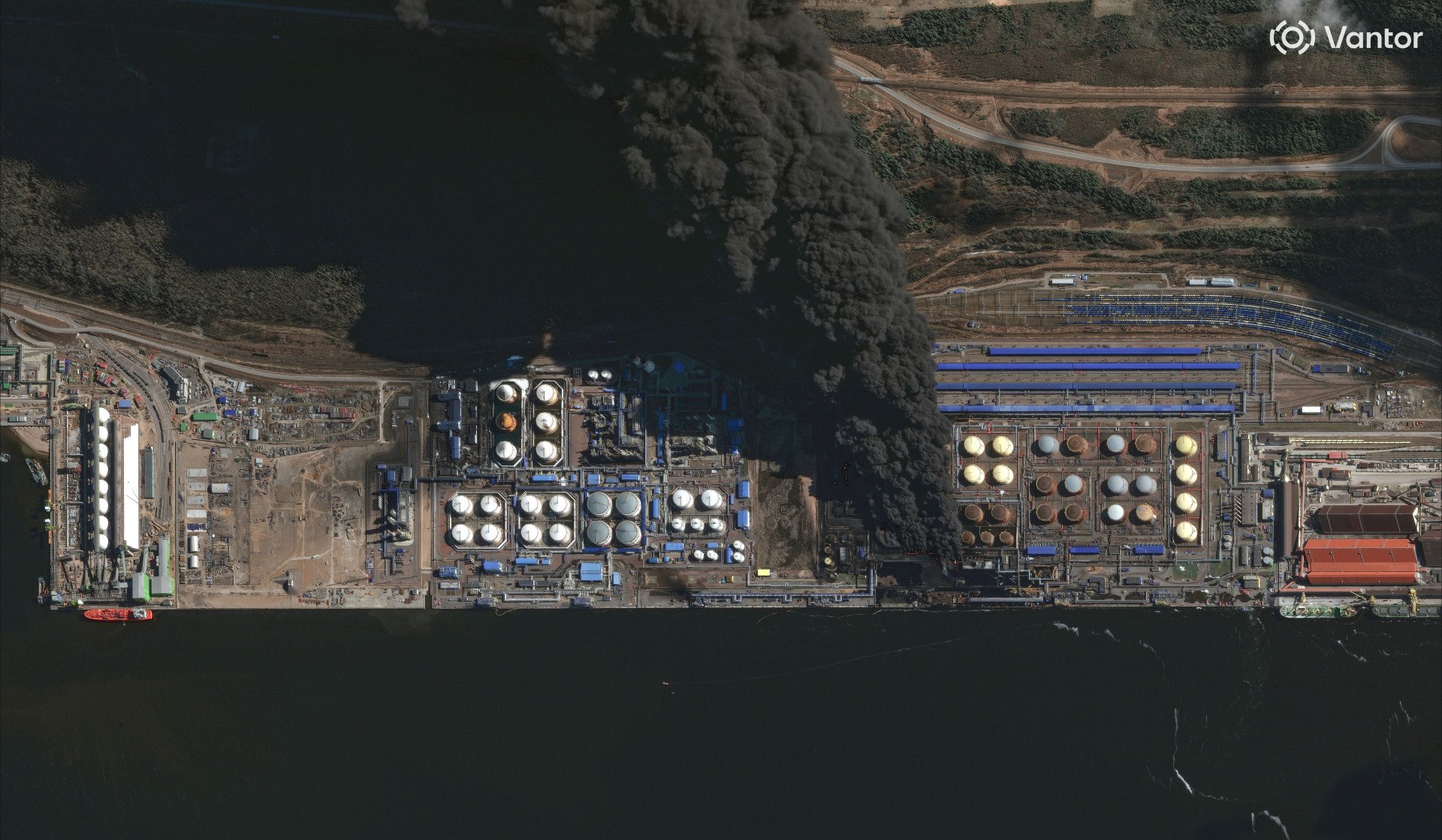
In just a few years, Ukraine’s drones have gone from improvisation to striking Russia’s oil refineries 1,500 kilometers away, destroying tens of billions of dollars’ worth of enemy and killing hundreds of thousands of invading troops. Some “housewives,” indeed.
 Prefer U24 Media on Google
- Authors

-29a1a43aba23f9bb779a1ac8b98d2121.jpeg "Photo of Illia Kabachynskyi")
Warfare has changed. Ukraine is at the cutting edge of modern warfare: in December 2025 alone, drones managed to eliminate more Russian troops than Russia lost over 10 years in the Soviet-Afghan War.
We bring you stories from the ground. Your support keeps our team in the field.
As Russia kept bombarding Ukrainian cities, Kyiv has repeatedly made the same request to Germany: long-range Taurus missiles. Yet this March, Chancellor Friedrich Merz stated plainly that there was no point in supplying cruise missiles given Ukraine’s technological progress, saying that the country is "better armed today than ever before.”
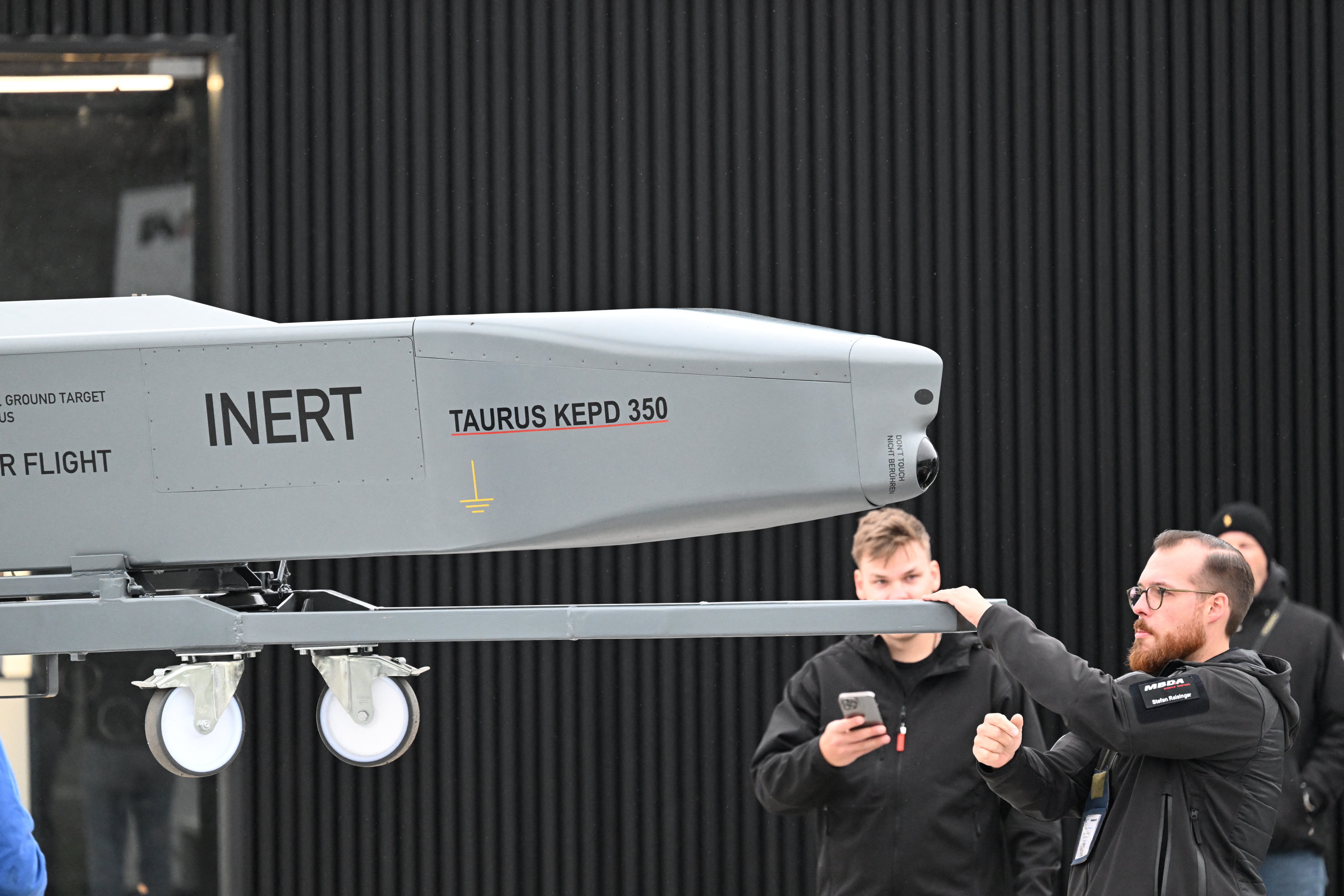
Yet Merz’s words failed to convince not so much Ukrainians as his own fellow citizens: Armin Papperger, head of Europe’s largest defense contractor, Rheinmetall, referred to Ukrainian defense tech as “Ukrainian housewives” using 3-D printers in the kitchen.
“This is how to play with Legos,” he said in the Atlantic interview, referring to Ukraine’s drones striking Russian tanks.
“In 2025 alone, Ukrainian drones carried out 819,737 confirmed strikes,” said Oleksandr Yakovenko, founder of TAF Industries, whose company produces more than 100,000 FPVs every month. “They inflicted 90% of all combat losses suffered by the Russian army—more than all other types of weapons combined.”
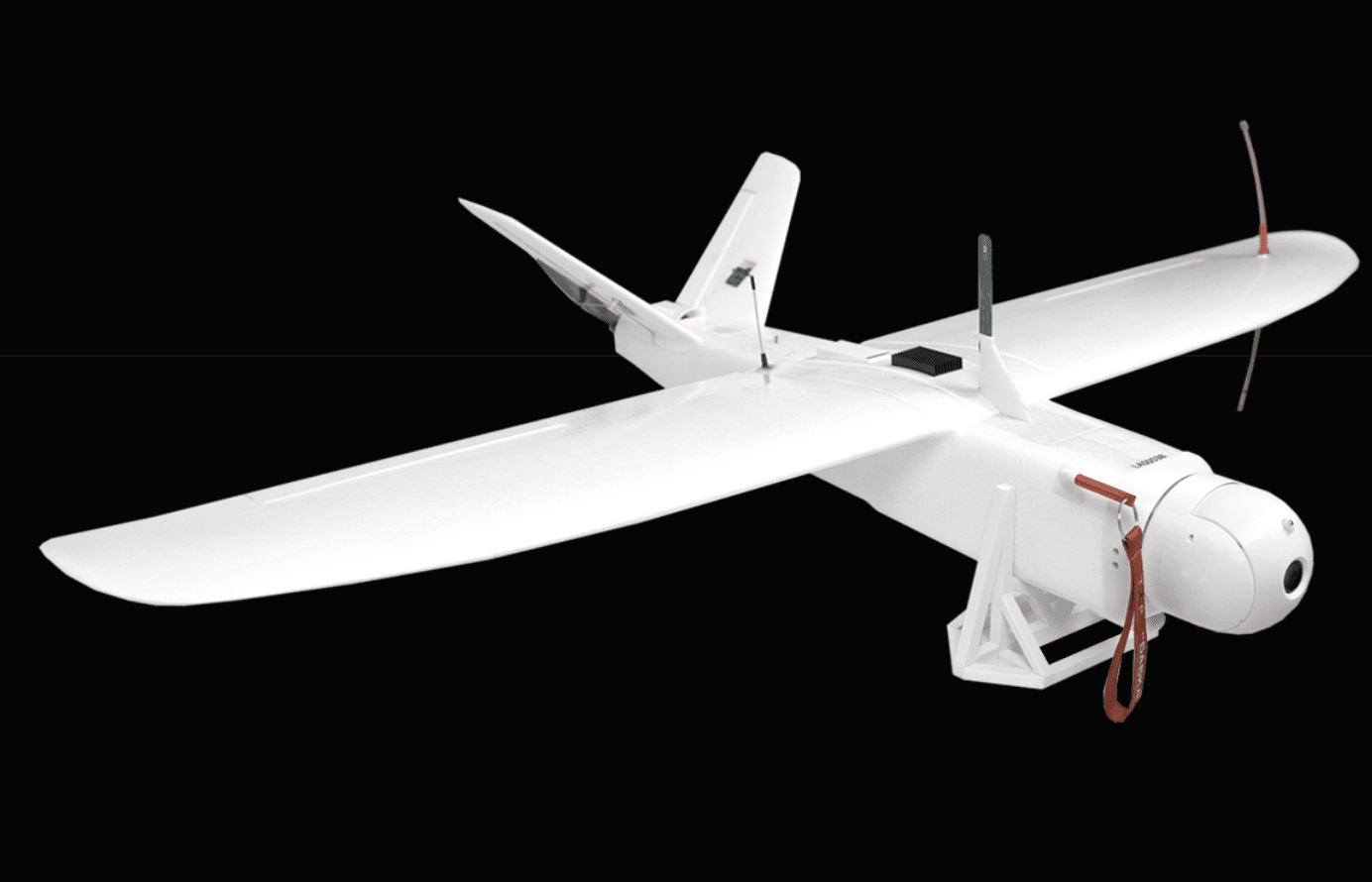
Yakovenko is one of the industry’s leaders, but many companies manufacture tens of thousands of drones each month. Some are already valued at $1 billion, while others have gone public.
UNITED24 Media’s editorial team does not understand where this comparison came from, so we will briefly explain how Ukraine’s defense industry has grown over the past five years—from Soviet-era remnants to cutting-edge technology.
For the first time in history…
On the morning of August 8, 2025б news reports said a drone struck the Russian over-the-horizon radar station known as “Voronezh-M” near Orsk, in Russia’s Orenburg region. This radar is located 1,800 kilometers from the border with Ukraine, meaning the drone flew even farther. At the time, this was the longest recorded one-way flight by a long-range drone from one point to another that successfully carried out a strike. It was created in Ukraine by Ukrainian engineers, a technology that did not even exist a few years earlier.
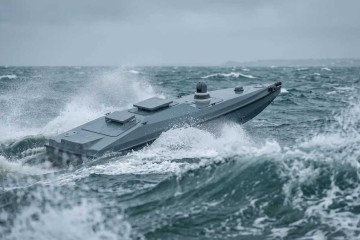
Three months earlier, on May 2, 50 kilometers off the coast of Russia’s Novorossiysk, something happened that had never occurred before in history: a Magura naval drone destroyed two Russian Su-30 fighter jets at once. Their combined value was up to $100 million, while the cost of the drones and missiles was about $5 million to $6 million. A similar operation took place on December 31, 2024: at that time, two Russian Mi-8 helicopters were shot down by a Magura drone. Overall, Ukrainian naval drones have also sunk part of Russia’s Black Sea Fleet.
Notably, Ukraine became the first country in the world not just to create a single naval drone, but an entire flotilla that managed to turn the Black Sea into a dangerous place for the Russians. From scratch. Other countries still have not managed to replicate this result. Is it even necessary to say that it was naval drones made in Ukraine that allowed access to Ukrainian ports to be restored?
After the outbreak of war in the Middle East, Ukraine signed several 10-year strategic partnership agreements with regional leaders—Saudi Arabia, the UAE, and Qatar. The reason was Ukraine’s development of interceptor drones. Today, a whole range of local companies has put their production on a mass footing, reaching up to 2,000 a day. Not a month—a day. Thanks to these drones, Ukraine is able to shoot down thousands of Russian Shahed drones every month on its own, without using expensive missiles. No one else produces them at this scale.
Ukraine’s now-famous interceptor drones, explained ⬇️
— UNITED24 Media (@United24media) March 20, 2026
🔗 https://t.co/v004pEhtHX pic.twitter.com/AIOCAQkO53
Ukraine is also fighting with robots—more than 7,000 operations a month in logistics, evacuation, and even combat missions. Ukraine has launched an entirely new track—robot warfare—and produces tens of thousands of them a year. At a time when large, heavy armored vehicles cannot hide from an $800 FPV drone, a ground robot can deliver the necessary ammunition or supplies to frontline positions.
“For the first time in history” has already become a typical feature of Ukraine’s defense industry. But what matters is not only that—it is also the speed of evolution. At the start of the full-scale war, Ukraine used Mavic drones for reconnaissance, then FPV drones, then fiber-optic FPV drones. A technology lasts a year, sometimes even less, and then needs to be replaced or modified, because the war is extraordinarily intense.
Driven by frontline needs, an entire class of middle-strike drones has emerged, capable of striking military targets at ranges of up to 200 kilometers. Thanks to these attacks, Ukraine has knocked out Russian air defense systems worth billions of dollars in the last six months alone.
In the attack on the Baltic ports of Primorsk and Ust-Luga, only Ukrainian drones and missiles were used. The strikes, which have now continued for seven consecutive days, disrupted oil exports equivalent to 12 tankers: instead of 18, only six departed from those two ports.
In recent months, Ukrainian drones have been killing the majority of Russian forces, while costing far less than artillery. Enemy columns are collapsing, and the March offensive has been derailed.
Keeping up the pace
Ukraine reacted sharply to Rheinmetall's chief's remarks. Of course, the company has nearly 150 years of history, with many chapters, but today Ukraine is living through the most intense war of the last 80 years. And that intensity also lies in how quickly technology changes, and in how well the Ukrainian army knows how to work with it.
Because of a lack of resources, manpower, and money, Ukraine had to look for technological solutions for a war against Russia and the Kremlin, with its hundreds of billions in petrodollars from the sale of oil and gas, including to Europe. These technological solutions are not about Lego or housewives. They are about making things work here and now, rather than waiting 3, 5, or 10 years to ramp up production to the necessary scale.
It is easy to talk when you are safe; it is harder when 19,000 drones hit your homes over the course of a winter. And yet in that same winter, Ukraine destroyed more than 90,000 Russian troops, mostly with drones of its own design.
But the best response to the Rheinmetall CEO’s statement is not a set of Ukrainian memes or statements by Ukrainian manufacturers. It is the countries of the Middle East: within a month, several critically important defense cooperation agreements were prepared and signed. There is reason to suspect that Ukraine’s experience in the Black Sea could also prove effective in the Strait of Hormuz.
Discuss this article:

-111f0e5095e02c02446ffed57bfb0ab1.jpeg "Photo of Roman Kohanets")