- Category
- Latest news
Sanctions and Drone Strikes Push Russian Crude Production to Seven-Month Low
 Prefer U24 Media on Google
- Authors

-72b63a4e0c8c475ad81fe3eed3f63729.jpeg "Photo of Cyril Barabaltchouk")
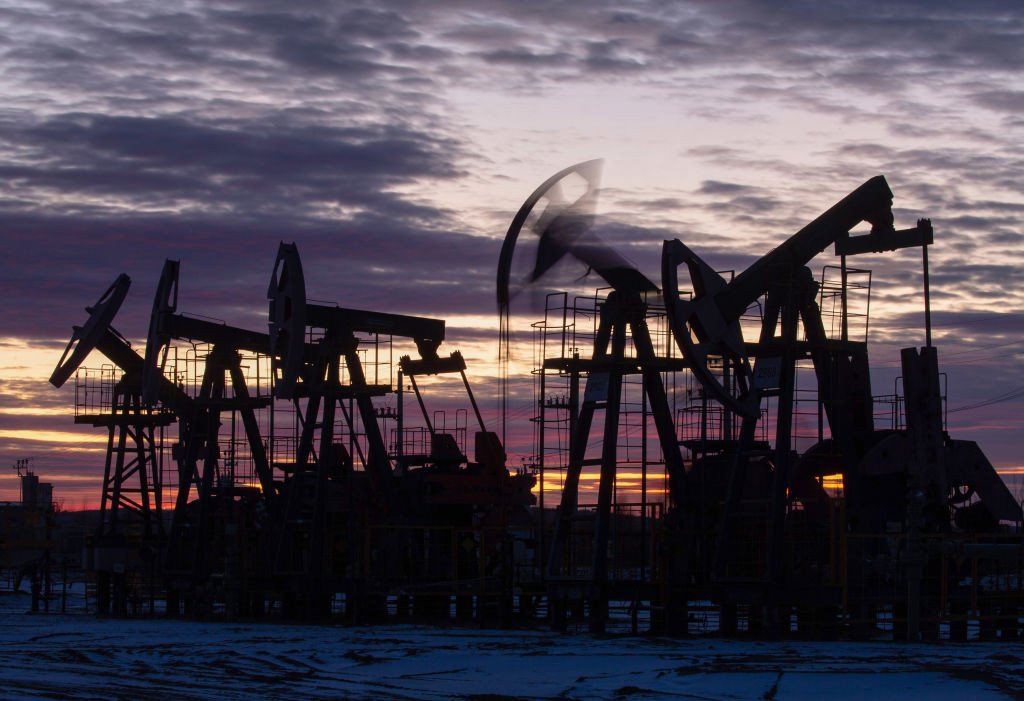
Russia’s crude oil production dropped for a third straight month in February, Bloomberg reported on March 11.
The continued decline is a direct result of tightening US energy sanctions and an ongoing campaign of Ukrainian drone strikes, which have successfully targeted and disrupted operations at key Russian domestic refineries.
We bring you stories from the ground. Your support keeps our team in the field.
According to the latest OPEC report, Russian producers averaged 9.184 million barrels per day (bpd) of crude in February, the lowest level since last August. This figure represents a decrease of 56,000 bpd from January’s already-reduced output and is 390,000 bpd below Russia’s quota under its deal with OPEC and its allies.
The decline in production is the result of pressure put on Russia’s oil industry, with millions of barrels remaining stranded on idled tankers due to dwindling demand from global buyers. The Western energy sanctions and restrictions on Russian oil exports continue to weigh heavily on the country’s oil sector, leaving much of its crude production unclaimed, according to Bloomberg.
Domestically, the refining sector faced significant setbacks as Ukrainian drone strikes temporarily halted or reduced operations at several major Russian refineries. These attacks have disrupted the country’s ability to process crude oil, further compounding the challenges in its energy market.
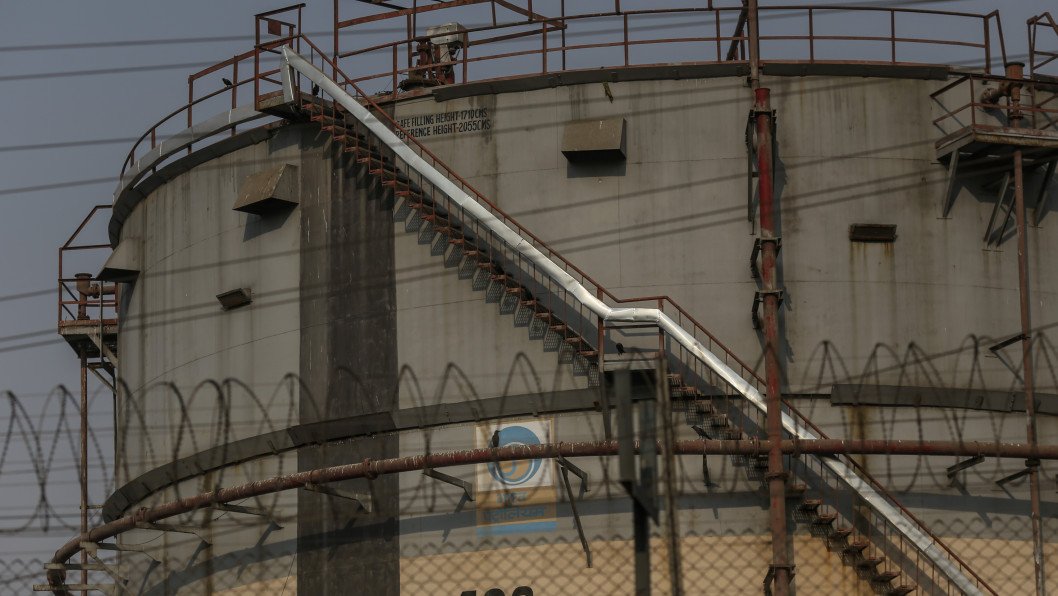
However, despite these challenges, Bloomberg wrote that there is a potential for recovery. The escalating conflict in the Middle East, which has led to the closure of navigation routes through the Strait of Hormuz, is pushing regional producers, including Saudi Arabia, to scale back their output.
This could create an opportunity for Russia to increase production in March, particularly since its crude does not require passage through the Strait to reach Asian markets.
India, which had recently reduced its oil purchases from Russia due to US pressure, has resumed buying Russian crude following a temporary 30-day waiver issued by the White House. Since the waiver was granted late last week, Indian refiners such as Indian Oil Corp. and Reliance Industries Ltd. have purchased about 30 million barrels of unsold Russian crude from the spot market.
The US may further ease sanctions on Russian oil if the flow of Middle Eastern crude through the Strait of Hormuz remains disrupted. Meanwhile, as Russia’s refinery operations recover and repair damaged facilities, the country’s oil sector is poised for an uptick in March, driven by increased demand in the agricultural sector, Bloomberg reported.
The decline in Russia’s crude output is compounded by millions of barrels of oil currently accumulating on idled tankers. As Western energy sanctions tighten, Moscow has struggled to find willing buyers for its crude, leading to a massive bottleneck at sea.
The threat of secondary US sanctions had previously effectively paralyzed Russian maritime exports, leaving vessels stranded before the recent 30-day waiver allowed Indian refiners to step in and clear some of the backlog. The buildup of unsold crude on these idle ships highlights the immediate impact of international trade restrictions on Russia’s ability to maintain its export volumes and energy revenues.
Discuss this article:
-4a56a6b482ec132402c16ef6fcabf9a2.png)