- Category
- Latest news
Russia May Be Forced to Cut Oil Output as Exports Fall and Storage Fills, Reuters Says
 Prefer U24 Media on Google
- Authors

-72b63a4e0c8c475ad81fe3eed3f63729.jpeg "Photo of Cyril Barabaltchouk")
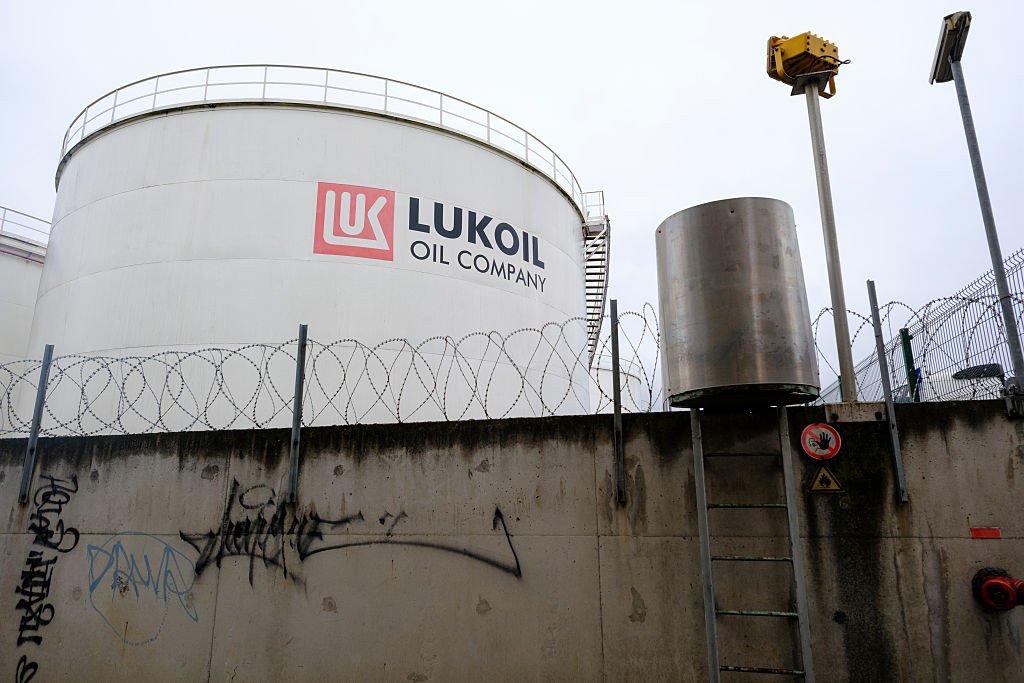
Russian oil producers could be forced to sharply cut output in the coming months as tightening pressure from US President Donald Trump and European powers restricts exports and pushes storage toward capacity, Reuters reported on February 16.
Russia has managed to keep crude exports broadly stable despite sweeping Western sanctions by redirecting most seaborne shipments to China, India, and Turkey, often using a shadow fleet of ageing tankers and offering steep discounts.
We bring you stories from the ground. Your support keeps our team in the field.
But that strategy is now under strain after Trump tightened sanctions and imposed tariffs on India over its purchases of Russian oil. At the same time, the EU introduced a ban last month on imports of fuels refined from Russian crude, Reuters wrote.
Russian seaborne crude exports fell to 3.4 million barrels per day in January from 3.8 million in December, and are tracking around 2.8 million bpd in February, Reuters reported, citing Kpler data. At the same time, the volume of Russian oil held on ships has climbed above 150 million barrels, a record high that analysts see as a sign of weakening demand.
India, the largest buyer of seaborne Russian crude last year, is preparing to curb purchases as part of a trade deal with the United States, though Indian officials have not confirmed a halt. Imports dropped to about 1.1 million bpd in January from roughly 1.7 million bpd last year, and three major refiners—Indian Oil, Bharat Petroleum, and Reliance Industries—have halted purchases.
US President Donald Trump had previously announced a major trade agreement with Indian Prime Minister Narendra Modi, in which both sides agreed to reduce tariffs and that India stops buying Russian oil and buys more from the United States and, possibly, Venezuela.
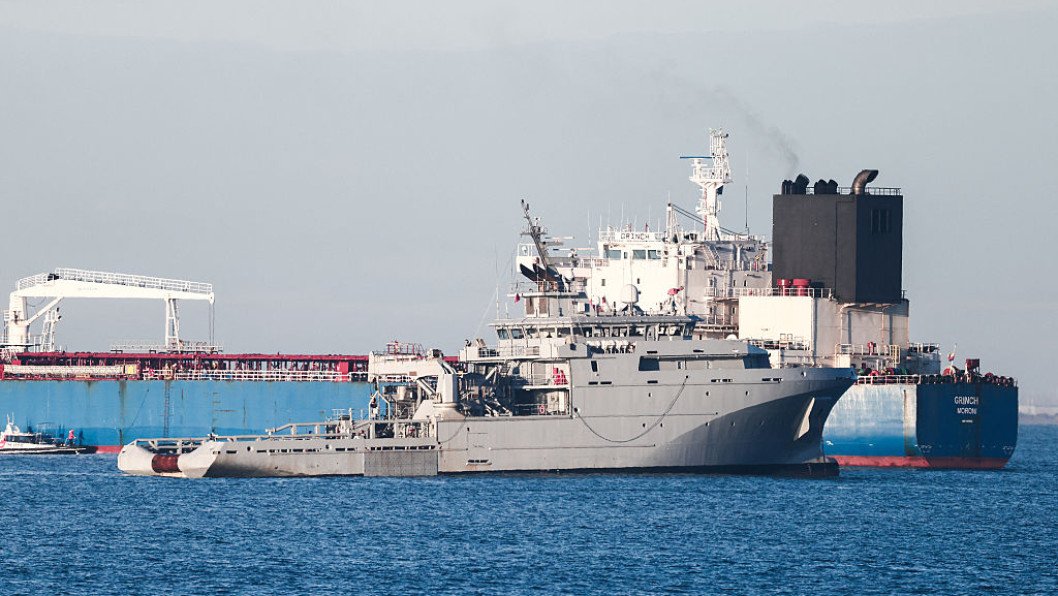
The slowdown is creating logistical strain across Russia’s oil supply chain, tying up tankers on longer routes and forcing more crude into domestic storage. Kpler estimates Russia’s onshore inventories stand at around 16 million barrels, or about 51% of capacity, with limited remaining space even when pipeline storage is considered, Reuters wrote.
With Russia producing about 9.3 million bpd—roughly half exported—constrained exports could quickly fill storage, leaving producers with few options other than output cuts. Rystad Energy estimates production could fall by up to 300,000 bpd between March and May.
Oil and gas revenues remain the Kremlin’s main source of income, accounting for nearly a quarter of federal budget receipts. Those revenues halved in January from a year earlier to their lowest level since 2020, according to Russian Finance Ministry data cited by Reuters, adding to mounting financial pressure as Russia continues its full-scale invasion against Ukraine.
Earlier, Russia has sharply increased discounts on its oil sold to India, with some cargoes recently priced as low as $22–25 per barrel, as Moscow struggles to retain buyers amid tighter US sanctions.
According to a former senior executive at a Russian energy company, refiners in India have begun refusing certain shipments due to sanctions imposed by the administration of US President Donald Trump, forcing Russian exporters to offer unprecedented price cuts to clear unsold volumes.
Discuss this article:



-111f0e5095e02c02446ffed57bfb0ab1.jpeg "Photo of Roman Kohanets")
-7647a088f8ed2b81f52ab779f3a93cd0.png "Equipment and personal gear belonging to Ukrainian troops from the 425th Separate Assault Regiment “Skelya” are transported on a small wagon through an underground gas pipeline near Kupiansk. (Source: 425th Separate Assault Regiment “Skelya”)")