- Category
- Latest news
Are Sanctions Finally Sinking Russia’s Shadow Fleet?
 Prefer U24 Media on Google
- Authors

-72b63a4e0c8c475ad81fe3eed3f63729.jpeg "Photo of Cyril Barabaltchouk")
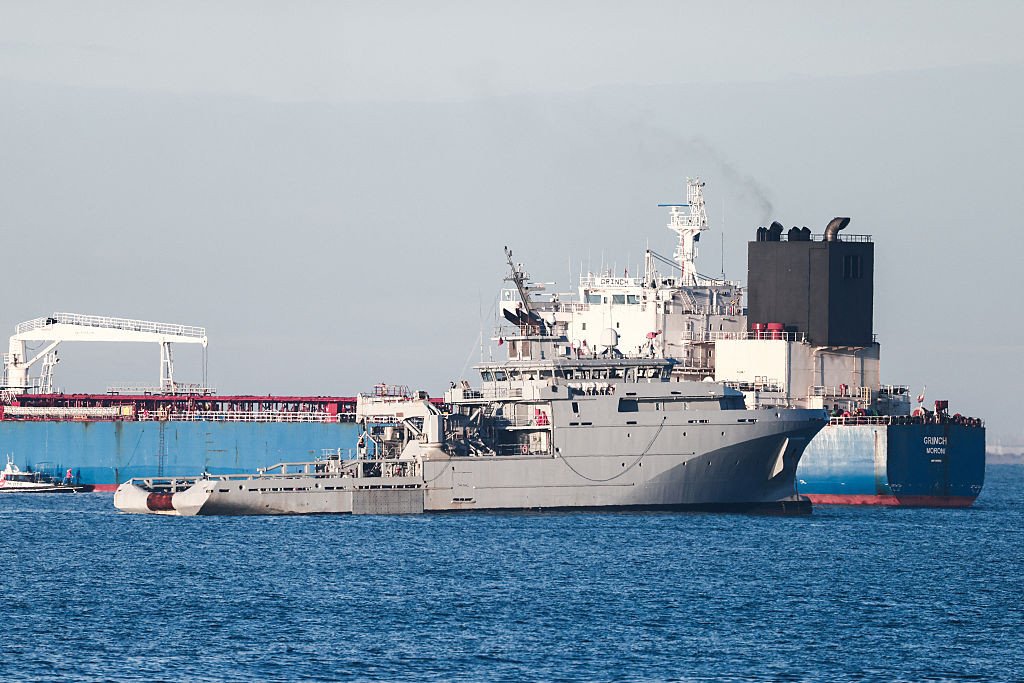
Russia’s shadow fleet of sanctioned oil tankers is coming under mounting pressure as Western sanctions take effect in ways Moscow can no longer easily evade, The Economist reported on January 28.
A tightening web of US and European measures is sharply raising the cost of operating these tankers, threatening to turn Russia’s oil shipping system into a financial liability rather than an asset.
We bring you stories from the ground. Your support keeps our team in the field.
The shadow fleet—originally pioneered by Iran and rapidly expanded by Russia after its full-scale invasion of Ukraine—now numbers nearly 700 ageing vessels dedicated to transporting embargoed oil.
These ships rely on shell companies, frequent name and flag changes, spoofed tracking data, and ship-to-ship transfers to evade detection. Until recently, this allowed Russia to keep exporting large volumes of crude to China and India despite sanctions, The Economist wrote.
That model is now faltering. Western governments have shifted from targeting intermediaries to directly blacklisting tankers themselves. In 2025 alone, 623 vessels were added to sanctions lists, compared with 225 the year before. Around 40% of tankers that carried Russian oil last year are now sanctioned by at least one government, cutting them off from insurance, certification, and compliant banking systems.
Earlier, Ukrainian President Volodymyr Zelenskyy said coordinated international pressure on Russia’s shadow fleet has already forced at least 20% of its vessels to halt operations, marking a significant blow to Moscow’s ability to export oil and finance the war.
At the same time, loopholes in flag registration are closing. Under international law, ships without a valid national flag are effectively stateless and can be boarded or seized. After pressure from the US and UK, permissive registries such as Panama and Liberia began delisting sanctioned vessels, according to The Economist.
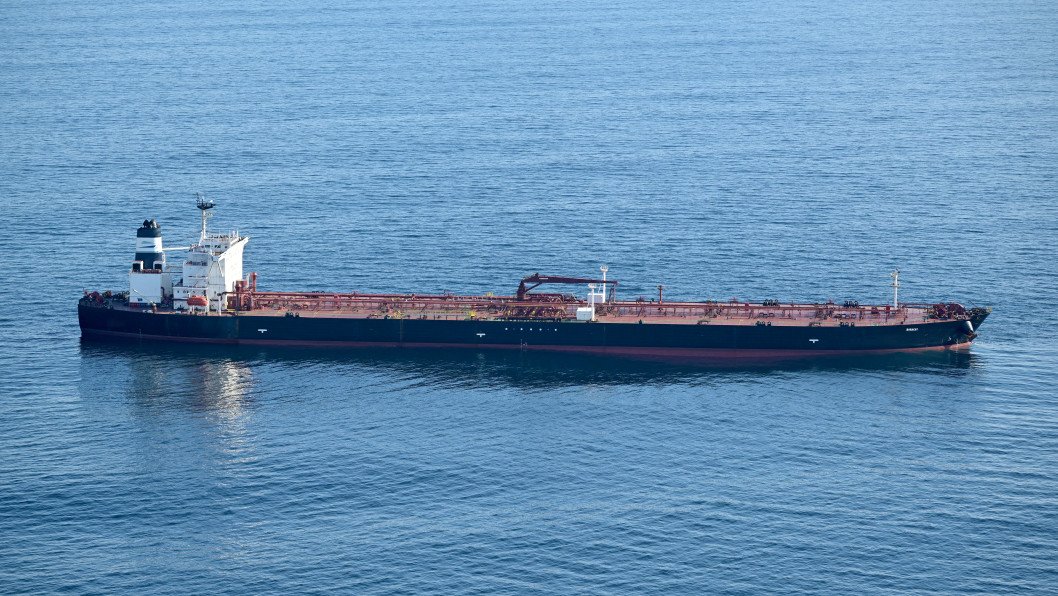
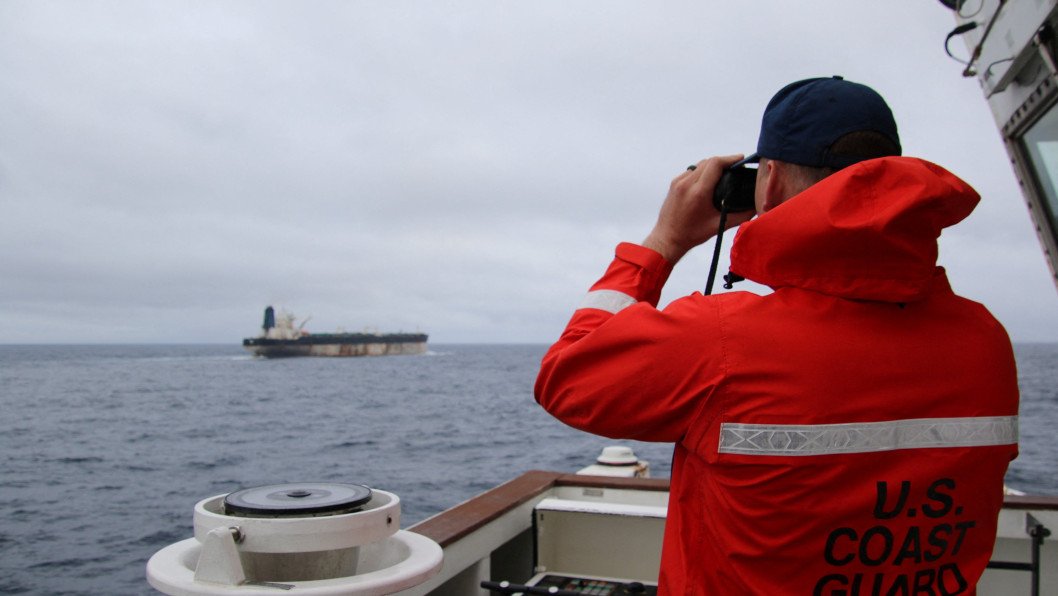
Recently, the French Navy had successfully boarded and detained the captain of one such oil tanker coming from Russia, which was suspected of flying a false flag and violating international sanctions as a part of Russia’s shadow fleet.
As a result, hundreds of shadow tankers bounced between flags—some changing registration up to six times in a year—before turning to forged certificates. Western navies have increasingly used this legal vulnerability to detain ships, including high-profile seizures in the Mediterranean, Baltic, and North Atlantic.
Operational costs are also rising sharply. Sanctioned tankers must take longer routes, conduct more mid-sea transfers, and spend more time idling offshore as buyers and ports grow wary.
According to shipping data cited by The Economist, tankers become up to 70% less productive after being blacklisted by the US. This inefficiency has pushed freight costs higher and contributed to a widening discount on Russia’s Urals crude, now trading as much as $27 below Brent —its deepest discount since early 2023.
Ukraine has added a military dimension to the pressure. Since late 2025, Ukrainian forces have struck at least nine tankers linked to the shadow fleet using naval and aerial drones and sea mines, including attacks far from Ukrainian waters.
For example, Earlier this month, four Greek-managed oil tankers heading to load Kazakh crude at the Caspian Pipeline Consortium terminal off Russia’s Black Sea coast were hit by drones.
These strikes have driven war-risk insurance premiums in the Russian Black Sea to around 1% of a ship’s value—far above normal levels—further inflating costs for Russia’s oil exports.
Facing these pressures, Russia has begun bringing more shadow-fleet vessels directly under its own flag. Since mid-December, dozens of sanctioned tankers have appeared on Russia’s maritime registry, signalling a shift toward tighter state control. But this comes at a price: Russian-flagged tankers are effectively uninsurable, and protecting them with naval escorts would drain additional resources.
The Economist concludes that while Russia may try to militarise and formalise its shadow fleet, the economics are turning against it. As sanctions, enforcement, and security risks compound, the system that once kept Russian oil flowing is increasingly expensive, inefficient, and exposed—raising the prospect that one small regulatory detail, flags and insurance, could slowly sink the fleet that props up the Kremlin’s war economy.
Previously, it was reported that German authorities had begun barring ships linked to Russia from entering the country’s territorial waters in the Baltic and North Seas.
Discuss this article: