- Category
- World
French Authorities Arrest Russian Captain of Intercepted Shadow Fleet Tanker Tagor
 Prefer U24 Media on Google
- Authors

-c439b7bd9030ecf9d5a4287dc361ba31.jpg "Photo of Katherina Popilnichenko")
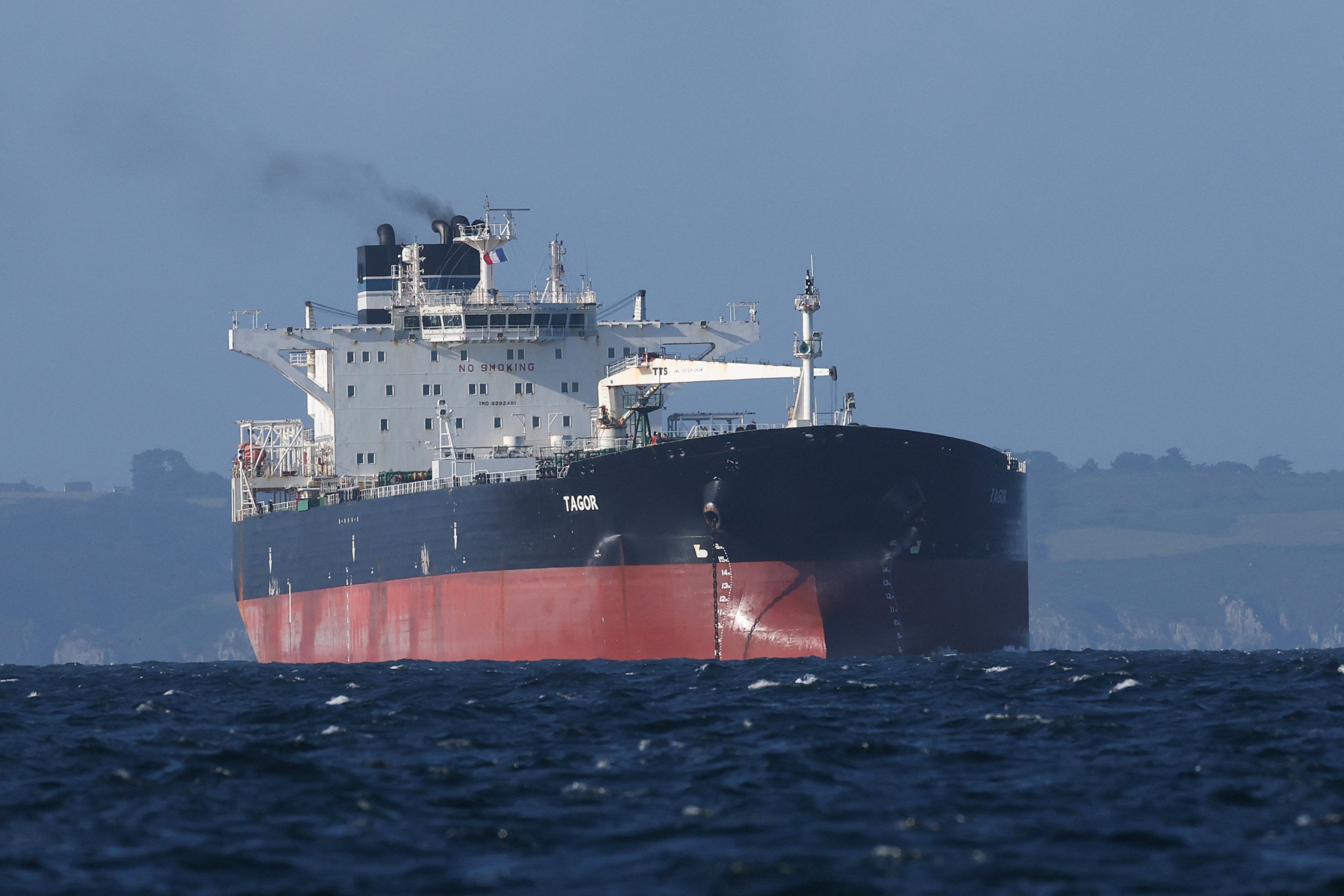
French authorities have taken the Russian captain of the oil tanker Tagor into custody following the vessel's interception off the coast of Brittany.
The tanker, believed to be part of Russia’s shadow fleet, was stopped by the French Navy on May 31, while sailing in international waters with support from British forces. The ship is now anchored in the Bay of Douarnenez in the Finistère department, where a formal investigation is underway, according to Le Monde on June 3.
We bring you stories from the ground. Your support keeps our team in the field.
Brest prosecutor Stéphane Kellenberger stated that the captain, a Russian national, faces potential penalties of up to one year in prison and a fine of €150,000 ($174,000).
These charges relate to the vessel’s lack of a valid flag and the captain’s refusal to comply with orders to stop at sea. Authorities also noted that the court may move to confiscate the tanker entirely. The owner of the vessel, who has not yet been formally identified, may face identical legal consequences.
The Tagor had departed from Murmansk and was reportedly flying a false Cameroonian flag at the time of the interception.
It is the fourth vessel seized by France since September 2025 on suspicion of belonging to the shadow fleet, a network of aging tankers used to maintain oil exports in violation of international sanctions imposed following Russia’s full-scale invasion of Ukraine.
The Russian Embassy in France has demanded "consular access be granted to the captain immediately." In a statement, the embassy rejected the charges as "baseless accusations" and called for the captain's release "as soon as possible." Russian officials have previously described such maritime detentions as illegal.
European governments initially struggled to address the risks posed by the shadow fleet, with experts noting that Baltic Sea nations often failed to prioritize environmental protection or the safeguarding of critical infrastructure.
Estonia alone suffered at least €200 million ($232 million) in damages from incidents involving power cables and data lines, yet security concerns persisted as these critical connections continued to break. Eventually, 14 countries issued a joint warning letter on January 27, 2026, which called for significantly tighter control over the Russian vessels operating in the region.
Discuss this article: