- Category
- World
Young Ukrainian Engineer Brings His 217 MPH Shahed Killer to the US Air Force
 Prefer U24 Media on Google
- Authors


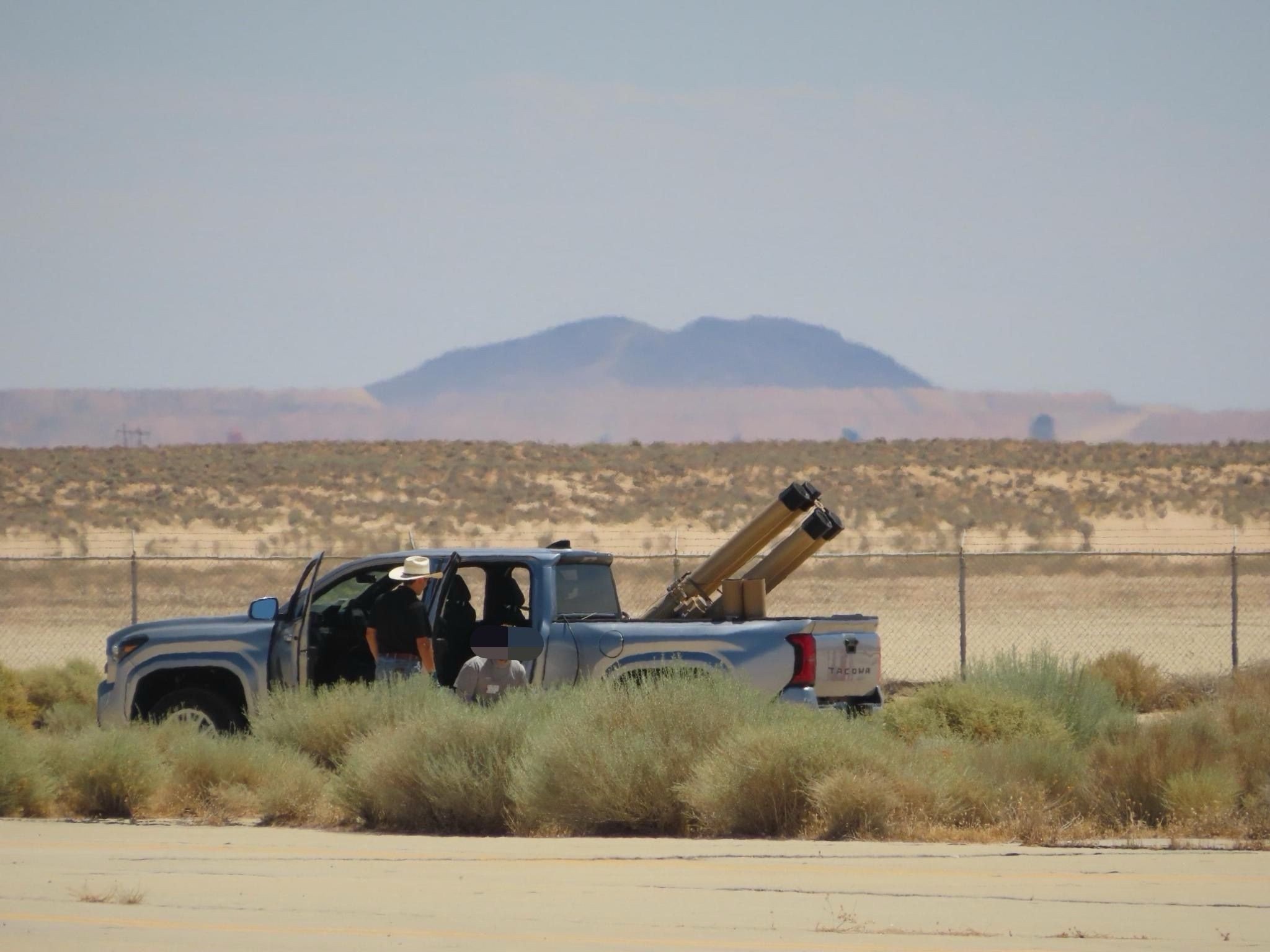
A young Ukrainian engineer who left his country after Russia’s full-scale invasion has brought a 217 mph (350 km/h) interceptor designed to hunt Shahed-type attack drones to one of the US Air Force’s main flight-testing centers.
We bring you stories from the ground. Your support keeps our team in the field.
According to Defence Blog on August 15, Yehor Balytskyi’s California-based startup Thermopylae Aerospace completed an end-to-end demonstration of its SPART interceptor at Edwards Air Force Base during the “Game of Drones 26-2” event in July.
The demonstration put SPART in front of senior Air Force Test Center leadership, including Brig. Gen. Mark Massaro, commander of the Air Force Test Center, and Chief Master Sgt. Sevin Balkuvvar.
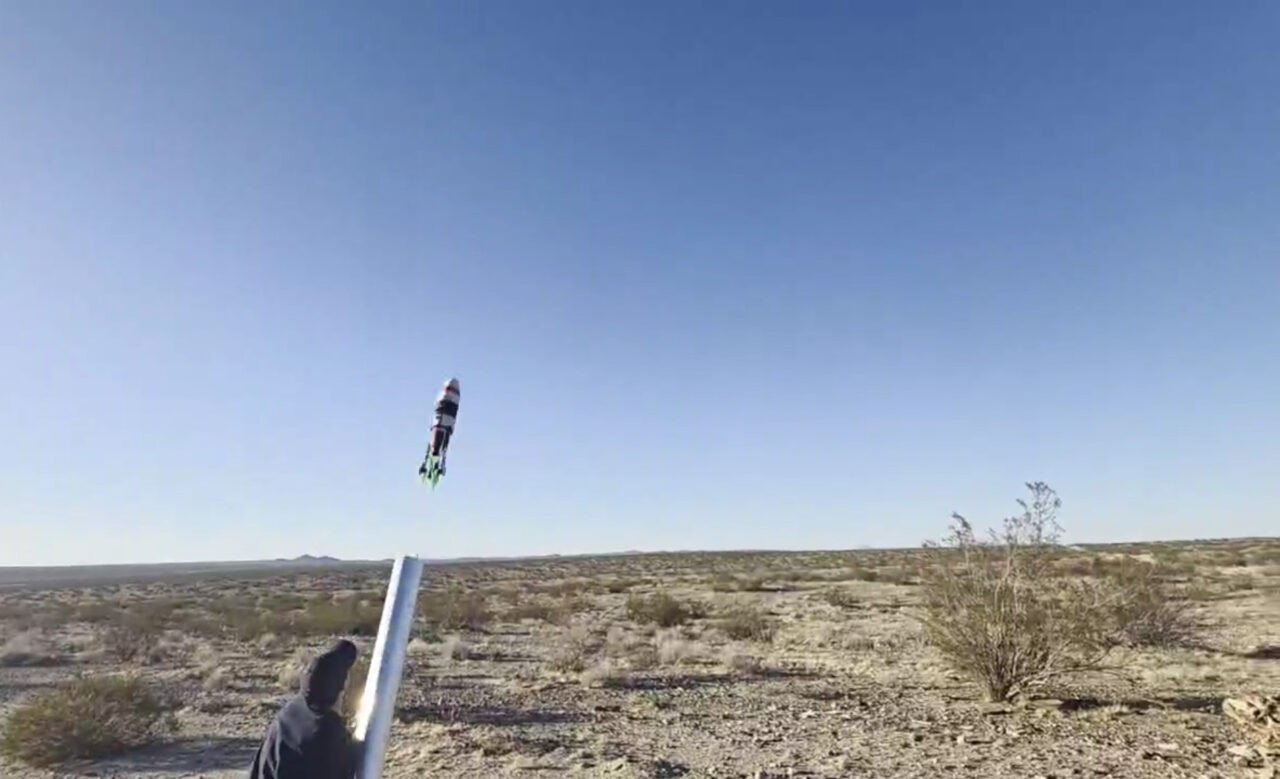
“At 412th Test Wing, Edwards Air Force Base, during Game of Drones 26-2, our lean team completed a successful end-to-end demonstration of SPART, a novel interceptor platform designed to counter big drones asymmetrically,” Balytskyi said, according to Defence Blog.
A 217 MPH interceptor built to hunt Shahed-type drones
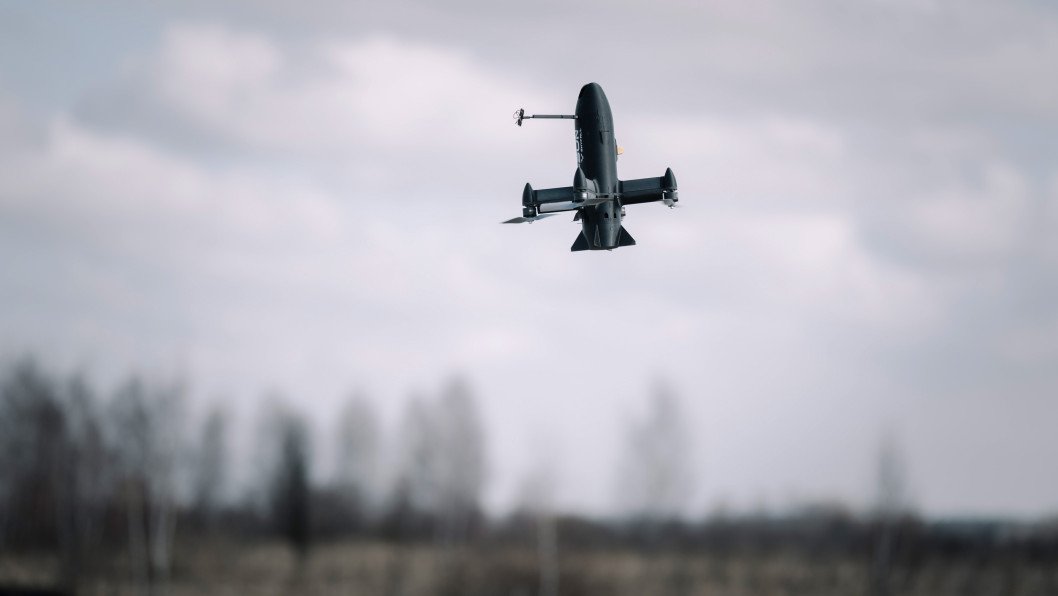
SPART is a pneumatically launched, foldable quadcopter developed specifically to intercept larger unmanned aircraft, including Group 2-class threats such as Shahed-type attack drones.
The interceptor uses thermal guidance and can reach speeds of up to 217 mph (350 km/h), with a target flight endurance of up to 20 minutes, according to specifications cited by Defence Blog.
Unlike single-use interceptors, SPART is designed with a partial-reuse capability. If it misses its target, the drone can potentially be recovered and used again.
Thermopylae also designed SPART to operate from a range of host platforms. The interceptor can be integrated with other UAVs, ground vehicles, maritime vessels, and crewed vehicles, allowing it to be deployed as part of different counter-drone configurations.
Balytskyi previously told Janes that Western counter-drone systems often rely on rocket motors and costly components, making them expensive to use against relatively cheap attack drones. Interceptor drones deployed in Ukraine, meanwhile, frequently depend on the skill of individual pilots.
Thermopylae is developing SPART as a lower-cost alternative that could be manufactured and deployed in large numbers. “We built it from the ground up in a very short period of time,” Balytskyi said. “Proud of the team for getting us here.”
From Ukraine to a US Air Force test base
Balytskyi left Ukraine at 17 following Russia’s full-scale invasion in 2022. He later founded Thermopylae Aerospace in California in June 2025, according to Defence Blog.
Five months later, the startup raised $1.6 million in pre-seed funding from investors including Naval Ravikant and Ukraine-focused venture firm UA1. The company has since expanded from a two-person operation to a team of approximately five.
SPART’s July demonstration took place as part of “Game of Drones,” a recurring testing program organized by the 412th Test Wing’s Experimental Test Force at Edwards Air Force Base in partnership with the Defense Contract Management Agency.
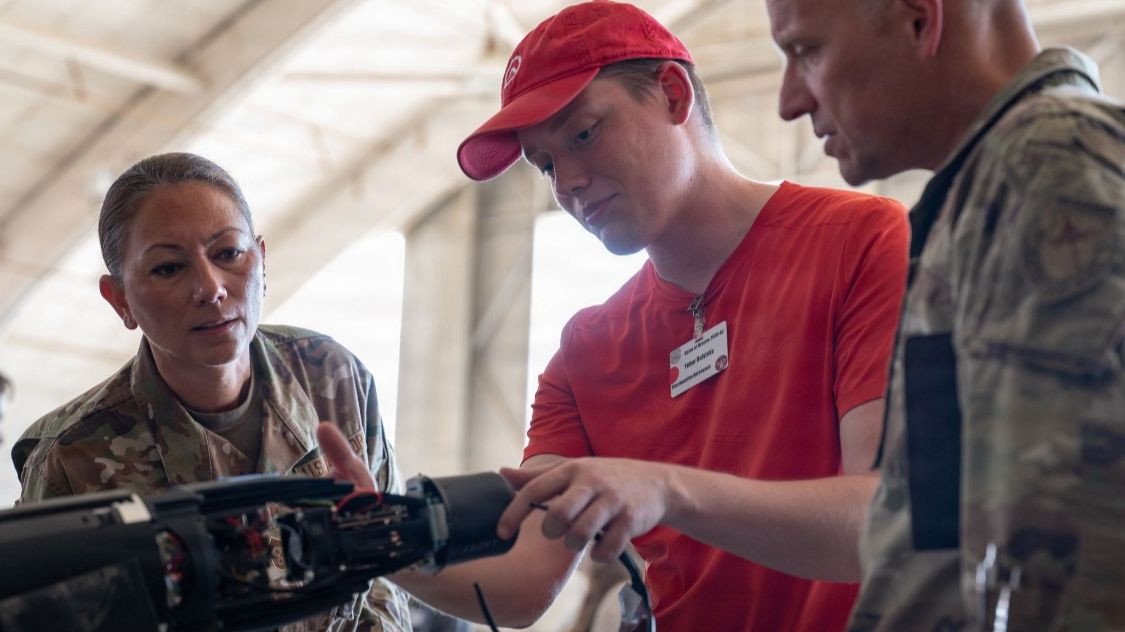
The program brings defense companies and US military engineers together for live testing of small unmanned aircraft and counter-drone technologies. The first “Game of Drones” was held at Edwards’ Rogers Dry Lake in December 2025.
The tests are part of broader Pentagon efforts to accelerate the evaluation, acquisition, and production of unmanned systems. Results can also contribute to consideration for the US military’s sUAS Blue List, which provides a mechanism for vetting small drone systems for military use.
Earlier, Ukrainian drone maker F-Drones delivered 2,000 F10 FPV drones to the US military under the Pentagon’s Drone Dominance Program, becoming the first Ukrainian drone manufacturer authorized to export systems to the United States under the initiative. The program aims to procure more than 200,000 drones for US forces by 2027.
Discuss this article:
-9a7b3a98ed5c506e0b77a6663f5727c5.png)


-c439b7bd9030ecf9d5a4287dc361ba31.jpg "Photo of Katherina Popilnichenko")