- Category
- World
EU Considers Freezing Russian Oil Cap and Restricting LNG Ships to Limit War Profits
 Prefer U24 Media on Google
- Authors

-72b63a4e0c8c475ad81fe3eed3f63729.jpeg "Photo of Cyril Barabaltchouk")
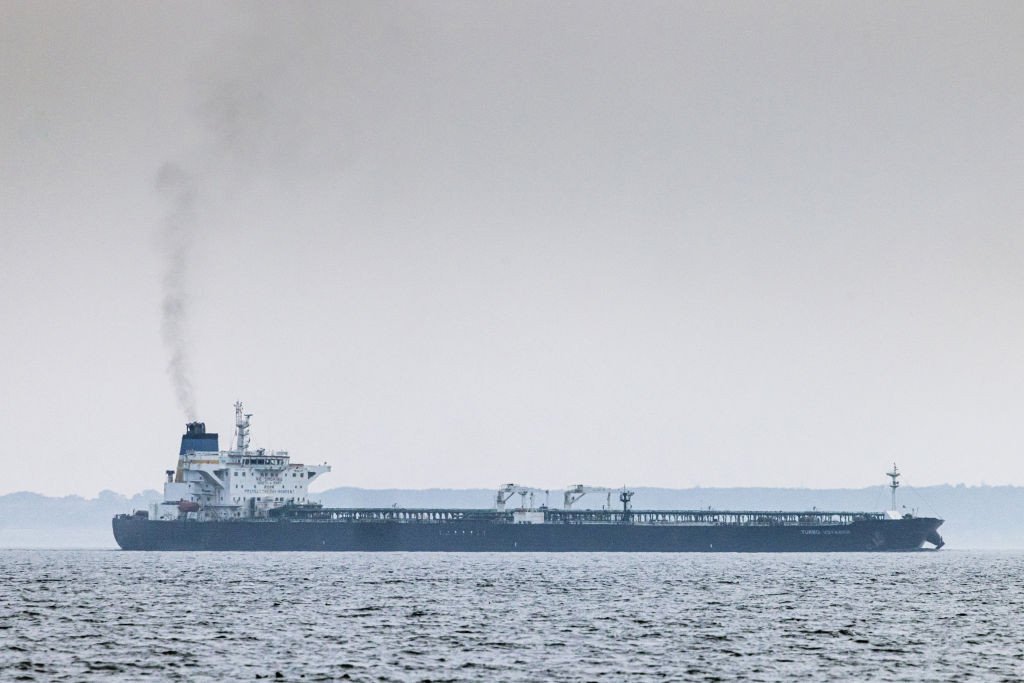
The European Union is preparing to intensify pressure on the Russian economy by advancing plans for its 21st sanctions package, which includes a proposal to temporarily freeze the price cap on Russian oil, Bloomberg reported on June 1.
Under a mechanism adopted last year, the price cap automatically adjusts every six months to remain 15% below the average market rate for Russian Urals crude. However, global oil prices have surged due to the war in Iran.
We bring you stories from the ground. Your support keeps our team in the field.
Bloomberg noted that, without intervention, the upcoming review in July would likely lift the cap to at least $65 a barrel, which is higher than the previous $60 threshold established collectively by the Group of Seven (G7).
To prevent Moscow from pocketing extra revenue from the current price surge, the European Commission is considering a plan to freeze the price cap at its current level of $44.10 per barrel.
In addition to the oil cap freeze, Bloomberg reports that the new sanctions package aims to target third-country institutions used by Moscow to circumvent existing restrictions. These include banks, oil traders, refineries, and crypto operators. The proposal also seeks to add about 20 new targets to the sanctions list and extend restrictions to ships carrying LNG.
-16518a8b24b3006e1cf7506eb20dbef5.png)
European Commission officials are currently discussing these measures with EU member states, though some components face diplomatic hurdles, according to Bloomberg. Several countries remain opposed to a full ban on maritime services unless the measure receives backing from the wider G7.
The new sanctions are being debated as Russia’s energy sector faces mounting physical pressure. Throughout May, Ukraine stepped up its drone attacks on Russian oil infrastructure, striking a record number of facilities and deliberately targeting highly complex secondary refining units that are difficult to repair under current Western sanctions, Bloomberg reported.
The proposed sanction package follows a recent report detailing a record wave of 30 Ukrainian drone strikes against Russian oil assets in May. Those attacks have forced Moscow to ban jet fuel exports and drove crude processing down to a 16-year low of 4.58 million barrels a day, reducing available premium gasoline volumes on the St. Petersburg exchange to one-third of last year’s levels.
Discuss this article:



-c439b7bd9030ecf9d5a4287dc361ba31.jpg "Photo of Katherina Popilnichenko")