- Category
- World
Estonia Deploys First Anti-Drone Shield as Security Risks Grow Along Russian Border
 Prefer U24 Media on Google
- Authors

-72b63a4e0c8c475ad81fe3eed3f63729.jpeg "Photo of Cyril Barabaltchouk")
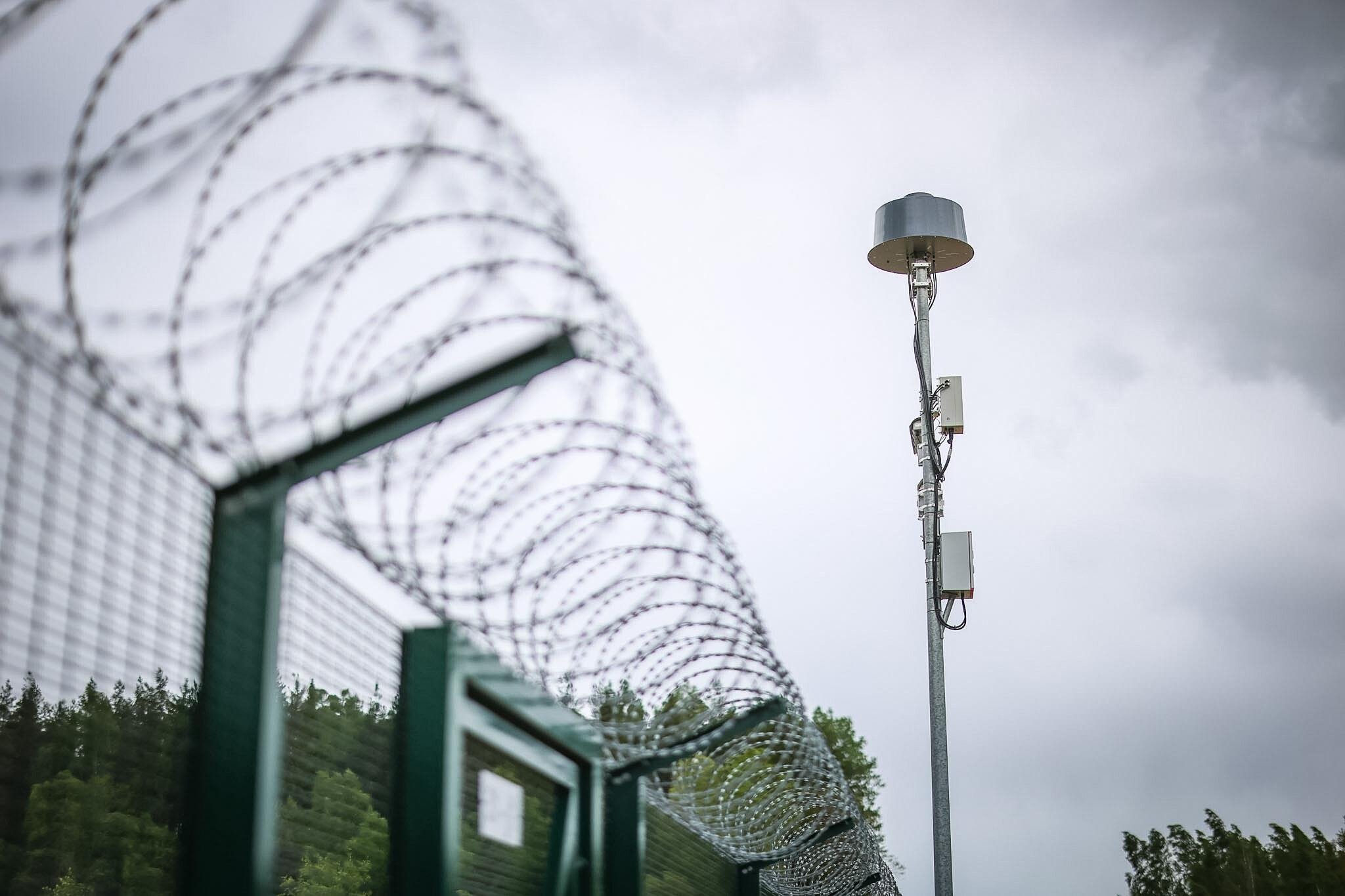
The Estonian Police and Border Guard Board (PPA) has installed its first stationary anti-drone detection and monitoring equipment along the country’s border with Russia, state broadcaster ERR reported on May 30.
The installation is indicative of the initial phase of a security initiative to cover the entirety of Estonia’s eastern border with counter-drone technology by the end of the year, ERR wrote.
We bring you stories from the ground. Your support keeps our team in the field.
According to an Interior Ministry press release cited by ERR, the first stationary devices were deployed across three specific sections of the southeastern land border, spanning the area between the Estonia-Latvia-Russia tripoint and Luhamaa. To complement these fixed installations, the PPA has also introduced mobile radar systems built on trailers, which can be dynamically relocated to secure rugged or blind spots along the boundary line.
Veiko Kommusaar, Head of the Border Guard, told ERR’s “Aktuaalne kaamera” that these mobile units are classic radar systems reconfigured specifically to track and protect against low-altitude drone threats. The mobile radar fleet cost nearly €1.3 million ($1.5 million), while the first stage of stationary equipment required an investment of €300,000 ($349,744$), with the full eastern border infrastructure slated for completion next year.
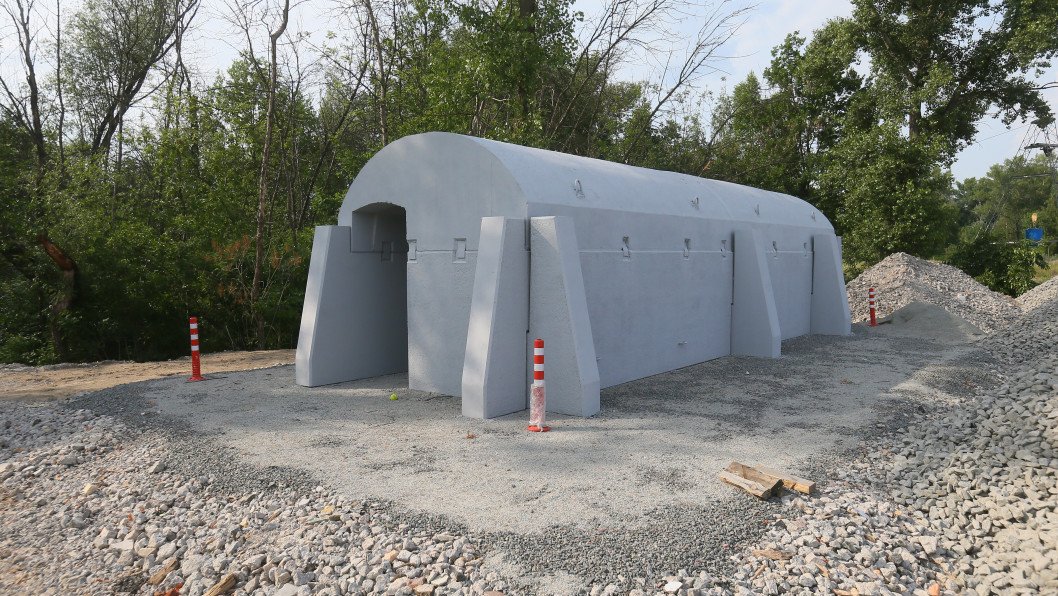
Interior Minister Igor Taro recently reviewed the progress of the border reinforcement during an inspection near the sensitive Saatse Saapa (Saatse Boot) area and the Piusa River, ERR noted. Taro confirmed that the first devices are fully operational and stated that the country is actively moving toward a comprehensive drone network that will eventually protect the whole of Estonia.
The border upgrades are being accelerated, with construction between Koidula and Saatse running well ahead of schedule and expected to wrap up by the end of this year, ERR reported. Backed by co-financing from the European Union, Estonia’s ultimate goal in the near future is to follow the defensive lessons of Ukraine by expanding these drone detection grids into major cities and vital national infrastructure to counter potential threats launched from within the country.
Latvia is also reinforcing its frontier alongside these electronic upgrades. The Latvian National Armed Forces have recently begun installing 1.5-tonne concrete “dragon’s teeth” barriers on the Russian border to block armored vehicles.
This physical fortification campaign is part of the synchronized Baltic Defence Line, a regional network stretching across Estonia, Lithuania, and Poland that is scheduled for completion by 2028.
Discuss this article:



-c439b7bd9030ecf9d5a4287dc361ba31.jpg "Photo of Katherina Popilnichenko")