- Category
- War in Ukraine
$4 Billion in Russian Air Defenses Wiped Out—Ukraine’s Elite SBU Unit Expands Deep Strikes
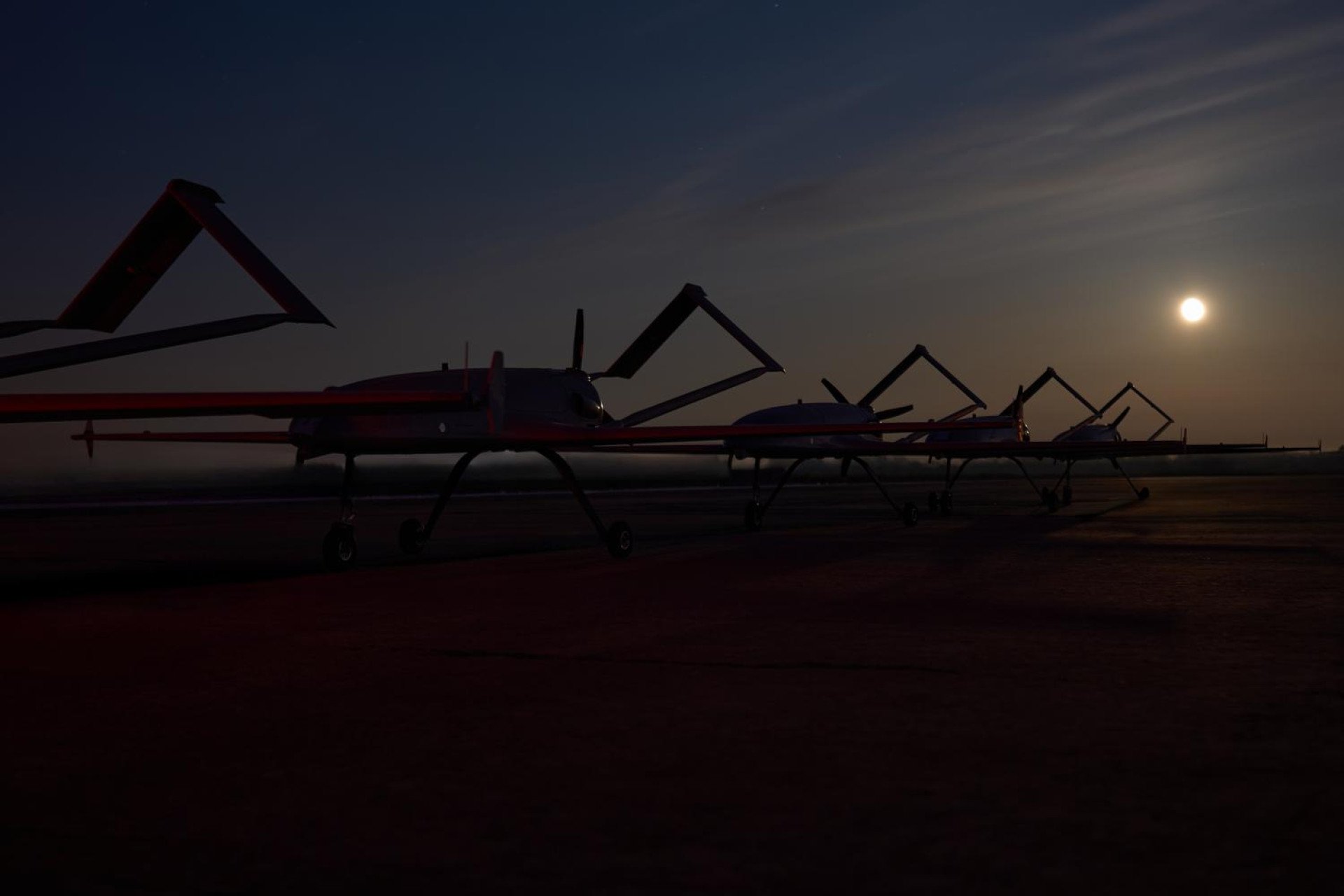
Russian air defense is often described as one of the strongest in the world—but largely because it has never truly been tested in combat. Historically, Russia has waged offensive wars against far weaker adversaries. Ukraine’s drone campaign has exposed it as largely a paper shield, untested against modern warfare.
 Prefer U24 Media on Google
- Authors

-29a1a43aba23f9bb779a1ac8b98d2121.jpeg "Photo of Illia Kabachynskyi")
Ukraine’s Security Service (SBU) reported that its Alpha Unit destroyed Russian air defense systems worth $4 billion in 2025 alone. This is an extraordinary figure, considering it refers to a single special unit rather than the entire Ukrainian Armed Forces.
We bring you stories from the ground. Your support keeps our team in the field.
Ukrainian operators struck air defense systems in temporarily occupied territories of the Luhansk, Donetsk, Zaporizhzhia, and Kherson regions; on the territory of the Crimean Peninsula; and inside Russia itself. Wherever Ukrainian long-range drones can reach, Russia is effectively unable to defend itself.
Key Russian air defense systems destroyed
A wide range of equipment was destroyed, including:
S-300 / S-350 / S-400 systems
Buk-M1 / Buk-M2 surface-to-air missile systems
Pantsir-S1 / Pantsir-S2 missile-gun air defense systems
Tor-M1 / Tor-M2 / Tor-M3 surface-to-air missile systems
Russian radar reconnaissance and targeting assets also sustained heavy losses. Among the destroyed systems were radar stations and radars critical for air target detection and air defense operations, including:
55Zh6U “Nebo-U / Nebo-M” radar systems
“Podlet” radar
“Niobium” radar
“Kasta-2E2” radar
“Gamma-D” radar
“Protivnik-GE” radar
Radar assets integrated into Buk, S-300, and S-400 systems
The 92N6 radar and others
What matters is not only the scale of destruction but the pace: all of these losses occurred within a single year. This means Russian defense plants would have to operate at an extraordinarily high tempo to close the gaps in their air defense network—or redeploy systems from other regions, leaving those areas exposed to deep-strike drone attacks from Ukraine.
A corridor to military targets inside Russia
Another narrative frequently promoted by Russia’s military leadership is that of a multi-layered air defense shield protecting its territory. As the Alpha Unit’s operations demonstrate, this is no longer the case.
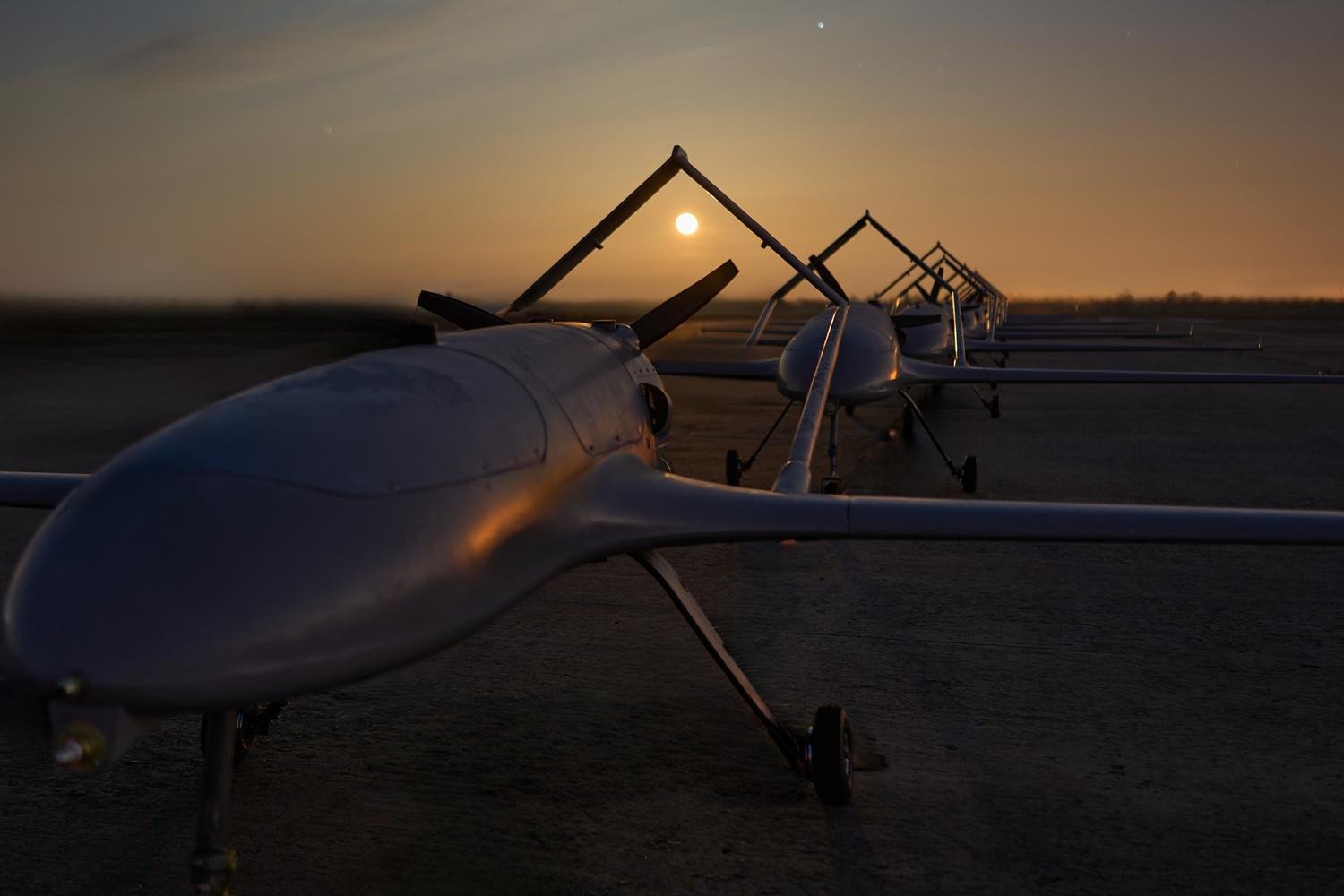
“This work produced a systemic effect: corridors were punched through Russia’s layered air defense, enabling safe passage for Ukrainian long-range drones deep into enemy rear areas—targeting military bases, depots, airfields, and other military facilities,” said SBU.
In 2025, Ukrainian drones struck 719 targets on Russian territory, causing direct economic losses estimated at $15 billion. The losses Moscow has incurred due to reduced oil exports are impossible to calculate. Another major problem for Russia’s defense industry is weapons stockpiles: Ukrainian drones destroyed several large ammunition depots, all of which now need to be rebuilt from scratch.
Another point is equally telling. All targets struck by Ukraine were military facilities, rail infrastructure, depots, airfields, and oil refineries—everything that affects Russia’s capacity to wage war. Ending Russia’s war is Ukraine’s central objective. At the same time, the Kremlin orders attacks on Ukrainian civilian infrastructure, residential buildings, and businesses. Civilian logistics and production are being destroyed, with the most severe blows aimed at the energy sector.
For Ukraine, breaching these corridors is a means of destroying military targets inside Russia, as well as logistics hubs and oil refineries. Eliminating air defense systems allows Ukrainian drones and missiles to fly farther, reaching areas deeper inside Russian territory.
The work of Ukrainian special units also demonstrates a broader reality: no matter how much Russia claims its territory is protected by air defense, drones are still reaching factories near Moscow and oil refineries in the Leningrad region—some 2,000 kilometers from the border. This is yet another myth that has now been dismantled.
Discuss this article: