- Category
- World
Russian Investment Sees Record Decline in 16 Years as Economy Faces Pressure
 Prefer U24 Media on Google
- Authors

-c439b7bd9030ecf9d5a4287dc361ba31.jpg "Photo of Katherina Popilnichenko")
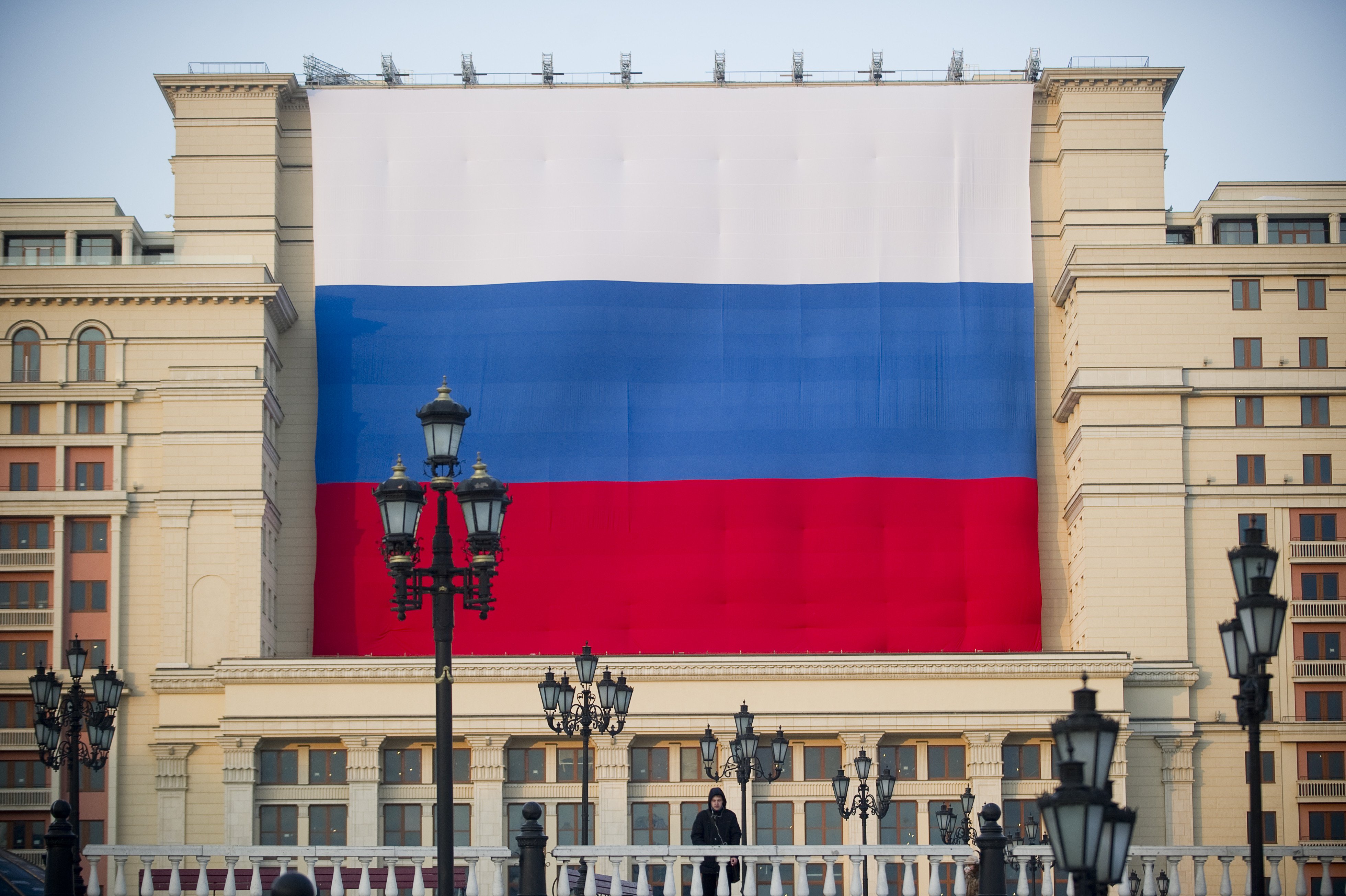
The Russian economy experienced its most significant collapse in capital investment in 16 years during the first quarter of 2026. Fixed capital investment—which tracks spending on construction, equipment, and facility upgrades—fell by 14.3% year-on-year. This decline is nearly six times sharper than the 2.5% drop recorded last year, marking the most severe contraction since the second quarter of 2009, when investments plummeted by 19.6% during the global financial crisis, according to The Moscow Times on June 4.
We bring you stories from the ground. Your support keeps our team in the field.
Igor Yurgens, chairman of the board at Expert RA, noted that major market participants have entered an "investment pause" because it is "difficult to assume how to invest, where to invest, and how much to invest."
Yurgens pointed out that both the economic and political environments are unfavorable for long-term planning, stating that geopolitics prevents the creation of three-to-five-year strategies "because everything changes every day," and the "macroeconomic environment in Russia also does not contribute to long-term planning."
Analysts at the Center for Macroeconomic Analysis and Short-Term Forecasting (CMASF) describe the downturn as an "inevitable result of the combination of long-term strict monetary policy and narrowing corporate revenues." Economic profits fell by 4% last year and declined by another 26% in the first quarter of 2026.
Furthermore, debt servicing costs are consuming one-third of the EBITDA for major industrial firms. Businesses are particularly reducing expenditures on machinery and equipment, with supply currently 16% lower than in 2024.
Dmitry Sredin, head of the market industries department at VTB Bank, highlighted the "exhaustion of the investment potential of companies." He cited Russian Academy of Sciences surveys showing the share of enterprises investing in development dropped from 63.7% in 2024 to less than 50% in 2025. Sredin added that many projects previously in active development stages have been shelved, explaining that "those projects that were at the stage of active structuring in 2023–2024 have today been put 'on the shelf'."
According to The Moscow Times, government spending is also under strain due to a budget deficit and the record-high costs associated with Russia’s full-scale invasion of Ukraine. Last year, investments from all budget levels dropped from 5.4 trillion rubles ($60B) to 5.2 trillion rubles ($57.8B), with their total share of the economy shrinking from 16.6% to 15.2%.
While most official forecasts, including those from the Ministry of Economic Development and CMASF, anticipate a decline in investment by the end of the year, they do not expect a double-digit drop. The Central Bank, conversely, has projected a potential growth of up to 2%.
-92c27f4fc4f2e6b0cd0988b258a4d8b8.png)
Minister of Economic Development Maxim Reshetnikov dismissed the Rosstat figures as a "statistical glitch," suggesting they do not align with GDP data, which contracted by only 0.2% in the first quarter. "Investments are calculated by the income method, and quarterly GDP is calculated by the production method," he stated. "I think that in two quarters we will see some synchronization, and the situation with investments should smooth out, at least statistically."
The Russian economy faced significant challenges as growth slowed sharply to approximately 1% last year, down from 4.9% in 2024, and the country’s GDP shrank by 0.2% during the first quarter of 2026. Officials attributed this contraction to a combination of high interest rates, Western sanctions, and a strong ruble, while the official growth forecast for the year remained at a modest 0.4%.
Discuss this article: