- Category
- War in Ukraine
Russia Is Hiding Fuel for Crimea in Water and Milk Tankers. Ukrainian Drones Still Find It
 Prefer U24 Media on Google
- Authors


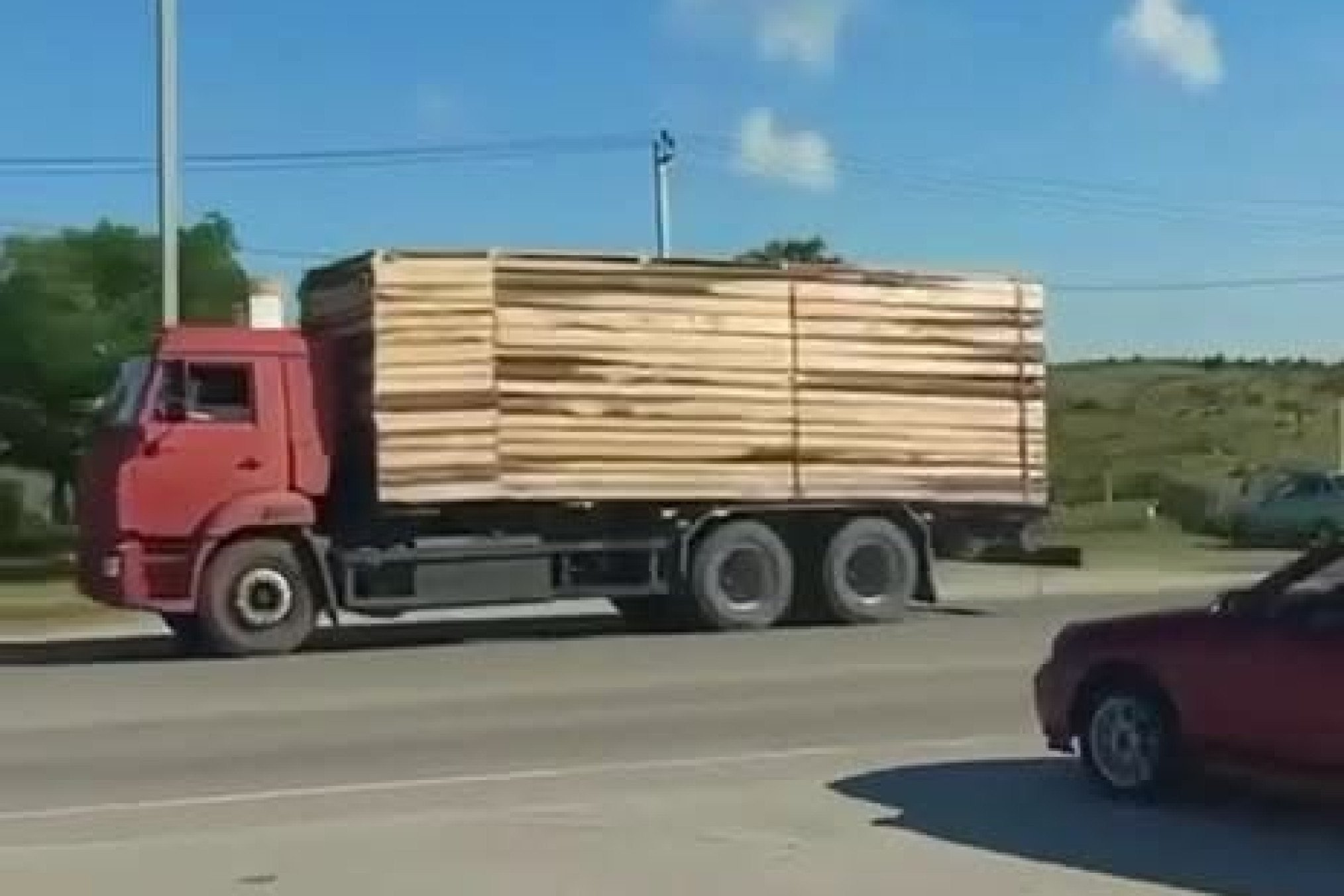
Russian forces are increasingly disguising fuel shipments as water and milk tankers in an attempt to hide military logistics from Ukrainian drones, according to Reuters, citing Ukrainian commanders on July 8.
The tactic has become familiar enough that Ukrainian operators now treat such vehicles as potential fuel carriers when they are detected on routes feeding occupied Crimea.
Russian efforts to restore fuel supplies to Crimea, already hit by power outages and shortages, are facing constant pressure from Ukrainian forces.
We bring you stories from the ground. Your support keeps our team in the field.
Drone operators continue targeting fuel trucks, even as Russia tries to hide what they are carrying, jam Starlink links used by drones, and send tankers by sea to deliver fuel to the peninsula.
Ukrainian drone operators described the tactics to Reuters reporters visiting the front line.
“We hit [road] tankers marked for water, and they caught fire because there was gasoline inside,” said Major Mykola Kolesnyk, commander of Ukraine’s 422nd Separate Regiment of Unmanned Systems fighting in Zaporizhzhia. “We hit trucks painted as milk tankers that were carrying diesel fuel.”
In Crimea, Russians disguise fuel tankers as municipal vehicles and attempt to smuggle fuel into the peninsula. However, a special diving unit of the "Omega" Center for Special Purposes still manages to detect and destroy such vehicles. pic.twitter.com/CK9l4QiBv0
— Beefeater (@Beefeater_Fella) July 6, 2026
According to Ukrainian commanders, Russian forces are now moving fuel in small tanker convoys protected by pickup trucks fitted with machine guns, while also using quieter roads to reduce the chance of detection.
Ukraine’s military intelligence told Reuters that Russia is also using small civilian cars, quad bikes, and motorcycles to move fuel, ammunition, and food toward the front and into Crimea.
Supplies are being hidden in camouflaged dugouts, abandoned buildings, and agricultural facilities. Civilian gas stations are also reportedly being used to store fuel for military needs.
For months, Ukrainian forces have been running a campaign against Russian supply routes using medium-range drones that operate behind the front line at distances of around 125 to 185 miles. These strikes have helped disrupt Russia’s “land bridge” to occupied Crimea and contributed to a major fuel shortage on the peninsula.
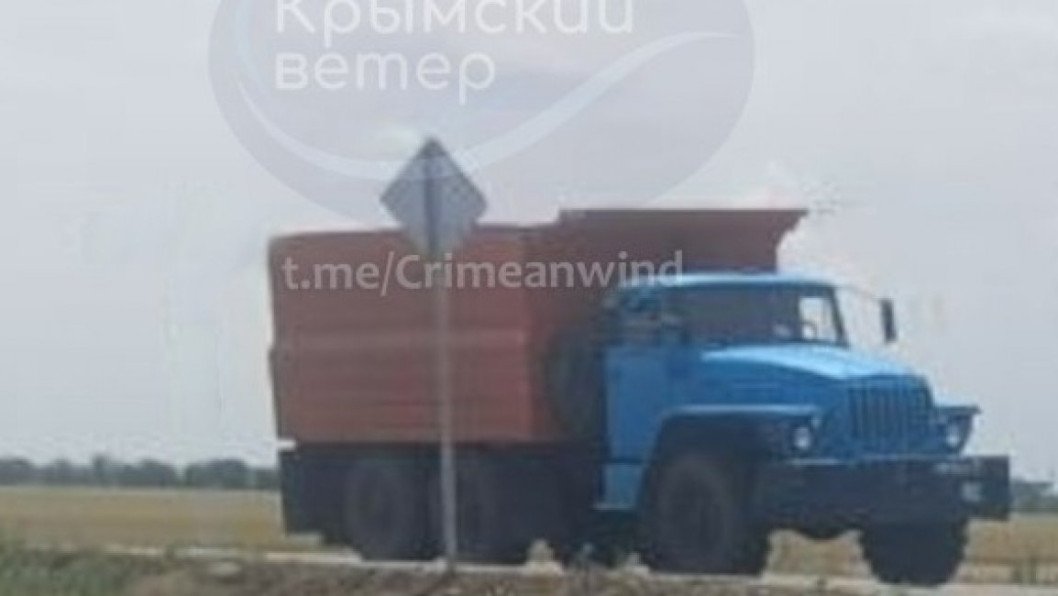
Combined with Ukrainian strikes on energy infrastructure, the pressure has triggered widespread power outages in Crimea, which President Volodymyr Zelenskyy has said could be turned into an island.
The campaign is increasingly aimed at starving Russia’s southern military network from the rear. Fuel trucks, tankers, roads, ports, depots, and energy nodes are all part of the same system that keeps occupation forces supplied.
Rob Lee, a senior fellow at the US-based Foreign Policy Research Institute, told Reuters that such operations may be the most important development in the war this year.
Previously, a lawmaker in Russia’s Sverdlovsk region proposed branding fuel speculators with a hot iron, reviving a medieval punishment to curb surging gasoline and diesel prices.
Discuss this article:



-72b63a4e0c8c475ad81fe3eed3f63729.jpeg "Photo of Cyril Barabaltchouk")