- Category
- War in Ukraine
Russian Forces Disguise Military Vehicles as Civilian Trucks Near Crimea Supply Routes
 Prefer U24 Media on Google
- Authors


Russian forces are increasingly disguising military vehicles as civilian transport near occupied Henichesk and in Crimea, apparently trying to hide logistics movements from Ukrainian reconnaissance and long-range strike systems, the Atesh partisan movement reported on June 15.
According to an Atesh agent inside Russia’s Dnepr grouping of forces, Russian troops near Henichesk have been repainting military vehicles en masse in blue, white, and red. Vehicles that previously had standard military coloring are now being made to look civilian.
We bring you stories from the ground. Your support keeps our team in the field.
Atesh said Russian occupation troops are also searching for old Ukrainian and regular Russian civilian license plates to place on military vehicles.
“This cheap trick won’t fool anyone—everyone sees everything. A white UAZ Patriot will not simply drive near the front line for no reason. In this way, the occupiers are putting peaceful Ukrainians at additional risk by masking military targets as civilian transport,” Atesh said.
The reported repainting follows earlier cases in which Russian forces used civilian-style vehicles, utility trucks, and passenger cars to move fuel and other supplies toward the front.
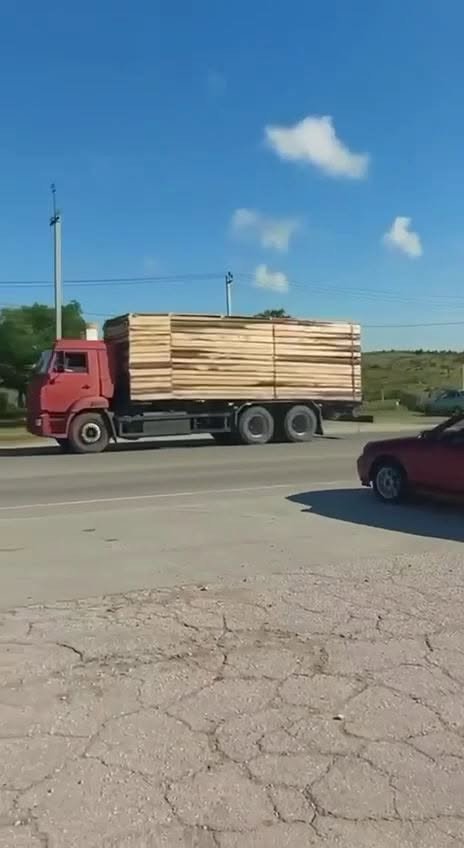
In the Crimea, the Russians started disguising military fuel trucks as civilian trucks to spare them from being targeted by Ukrainian drones.
— Status-6 (War & Military News) (@Archer83Able) June 12, 2026
"Look there it is. Look what they did. Look, what a beauty. Look how they camouflaged him. A military fuel truck, for f*ck sake," the… pic.twitter.com/Qs1iYvJfoc
In occupied Crimea, Russian troops have also reportedly begun disguising fuel tankers as civilian cargo trucks in an effort to make them harder to identify and strike.
Footage from the area showed a fuel truck altered to look more like ordinary commercial transport, without clear military markings. The move likely reflects an attempt to conceal fuel and lubricant deliveries needed to support Russian forces in Crimea and on the southern front.
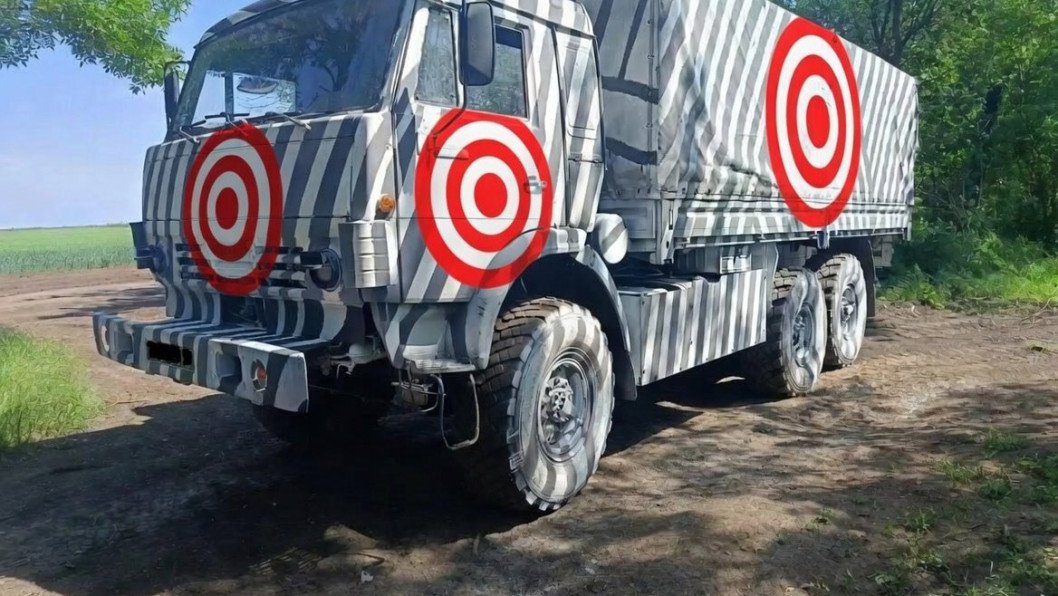
Such measures may indicate growing vulnerability in Russia’s rear logistics after repeated Ukrainian strikes on depots, crossings, railway infrastructure, checkpoints, and transport hubs leading toward the occupied peninsula.
Recently, Ukrainian strikes on Russian logistics in the Chongar direction reportedly hit the Dzhankoi checkpoint, a pontoon crossing, trucks, and a bridge over the Promoina Strait.
Ukraine has also repeatedly targeted oil depots and fuel infrastructure, treating fuel supply as one of the key elements sustaining Russia’s combat capability.
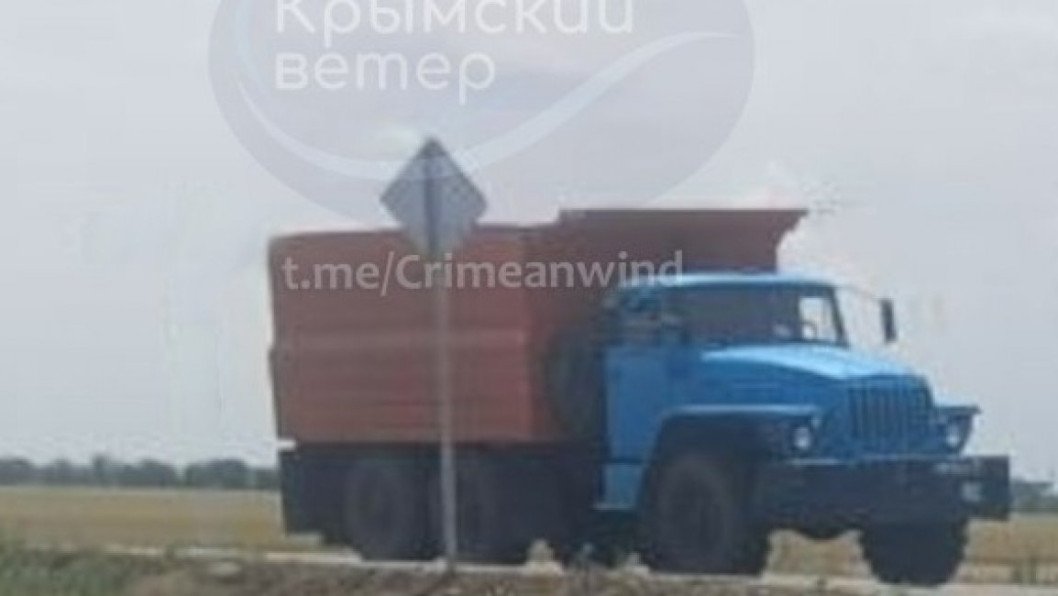
Fuel tankers remain especially valuable logistics targets because destroying or disabling them directly affects the mobility of Russian equipment, generator operations, and the ability of units to maintain the pace of combat operations.
At the same time, disguising military vehicles as civilian transport creates additional risks for civilian drivers and vehicles, making it harder to distinguish military assets from non-military traffic in areas affected by Russia’s war against Ukraine.
Earlier, reports emerged that fuel supplies effectively ran out in the Russian-occupied part of the Donetsk region, with shortages affecting both the civilian sector and Russian military units involved in combat operations.
Discuss this article:
-9a7b3a98ed5c506e0b77a6663f5727c5.png)

-29a1a43aba23f9bb779a1ac8b98d2121.jpeg "Photo of Illia Kabachynskyi")