- Category
- World
Russian Lawmaker Proposes Hot-Iron Branding Punishment for Illegal Fuel Resellers
 Prefer U24 Media on Google
- Authors

-111f0e5095e02c02446ffed57bfb0ab1.jpeg "Photo of Roman Kohanets")
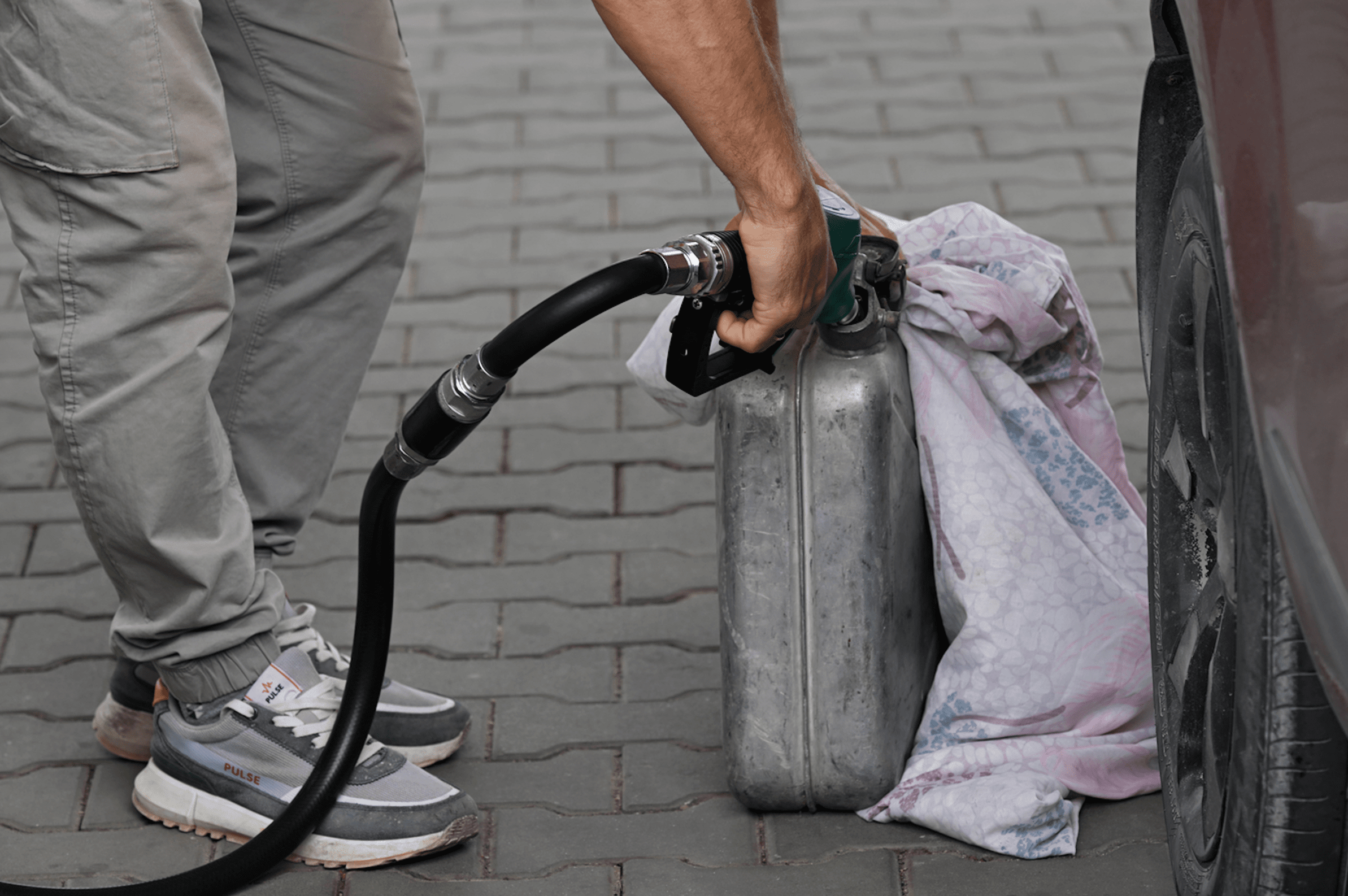
A lawmaker in Russia's Sverdlovsk region has proposed branding fuel speculators with a hot iron, reviving a medieval punishment to curb surging gasoline and diesel prices.
Vyacheslav Vegner, a deputy in the region's legislative assembly, made the remarks to the broadcaster RTVI, as reported by The Moscow Times on July 7.
We bring you stories from the ground. Your support keeps our team in the field.
“For us, the sharp increase in diesel prices due to these bugs is more painful. Here, I would act in the harshest way. I would brand speculators with a hot iron,” Vegner said.
Branding, the burning of marks or letters into a person’s body as punishment, was used in medieval Europe and remained part of the Russian Empire’s penal system until 1863.
Vegner blamed resellers operating between major producers and consumers for the spike, contrasting their rates with what he described as more acceptable prices at major companies such as Gazprom Neft and Lukoil.
“What is happening with them is beyond the pale—it simply starts to anger people,” he said.
He urged Russia’s Federal Antimonopoly Service and law enforcement agencies to investigate possible price collusion.
The lawmaker also said regional authorities had enough powers to intervene, including by seizing fuel reserves from private companies. He pointed to firms operating between producers and consumers, arguing that they had bought fuel earlier and were now reselling it at inflated prices.
“I don’t think they bought fuel at the new prices,” Vegner said.
The remarks came as Russia’s fuel shortage worsens, with Ukrainian strikes on refineries contributing to lower output and rising pressure at the pump.
Russia’s fuel shortage has worsened since early June after Ukrainian strikes in May helped push refinery throughput to its lowest level since 2009.
-c65beef38eb42c5c49f25778e5905100.jpg)
June gasoline output fell 25% to 85,000 tons per day, below the summer demand of about 110,000 tons per day.
The Moscow Times added that Russian authorities had moved to expand imports from Belarus, arrange supplies from India, and allow refineries to relax quality standards to the Euro-3 level.
The crisis shows little sign of easing. Restrictions on gasoline sales have affected more than 40 Russian regions, while about a third of national refining capacity has reportedly been idled after repeated strikes on oil infrastructure since March.
Retail fuel prices rose roughly 20% year-on-year in June, the steepest climb since 2010. The worst shortages have hit independent stations and occupied Crimea, while analysts warn that peak seasonal demand may still be ahead.
Discuss this article:
-4a56a6b482ec132402c16ef6fcabf9a2.png)