- Category
- World
Russia’s War Recruitment Helped Empty Prisons—Now Its Penal Infrastructure Is Shrinking
 Prefer U24 Media on Google
- Authors

-111f0e5095e02c02446ffed57bfb0ab1.jpeg "Photo of Roman Kohanets")
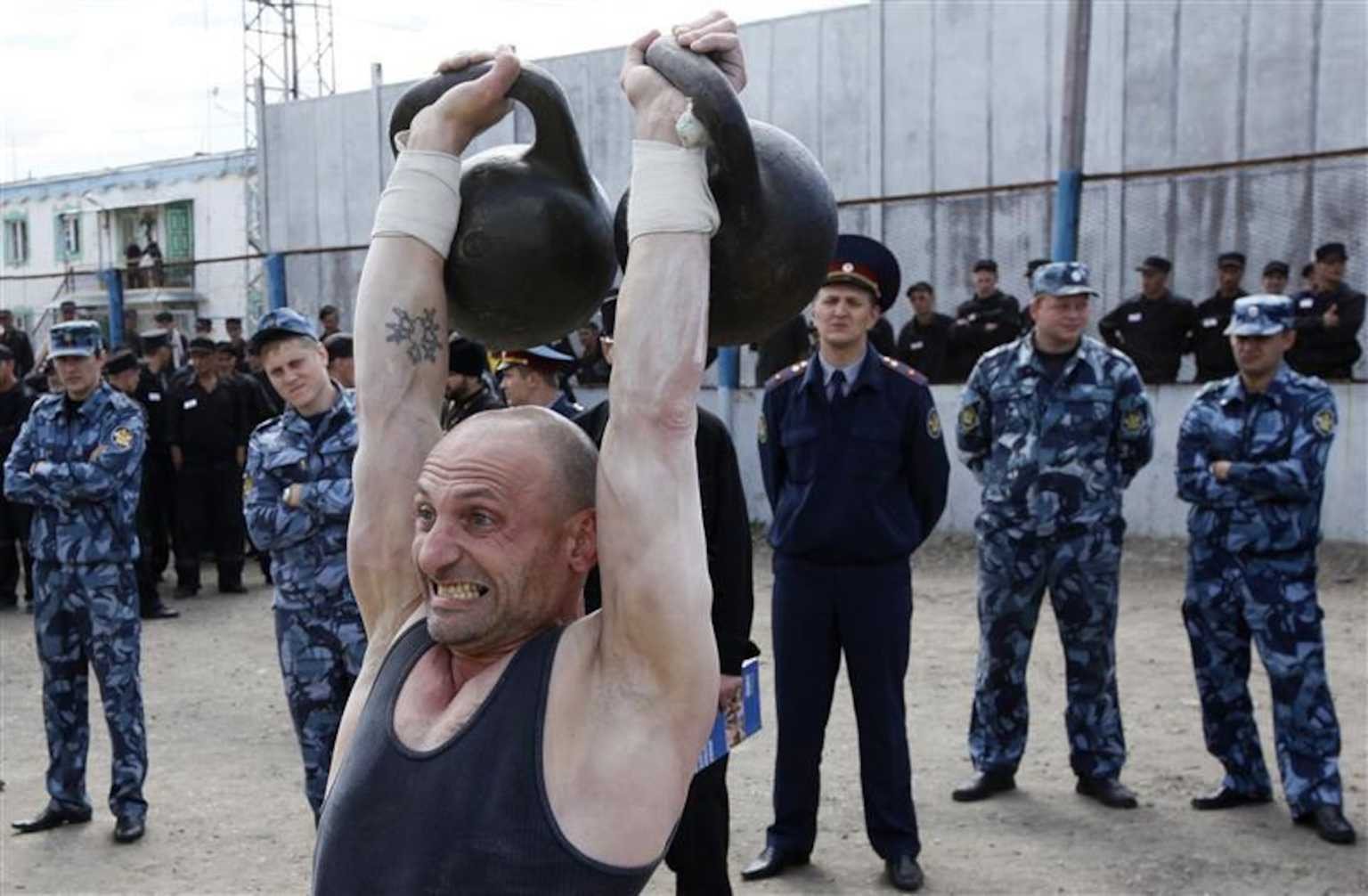
The number of inmates in Russia's Altai Krai has nearly halved over the past four years, with the region's human rights ombudsman citing military contracts for the war against Ukraine among the reasons.
The figures came from Anton Vasiliev, the Altai Krai human rights ombudsman, who presented them to the regional broadcaster Vesti Altai in comments that The Insider carried on August 17.
We bring you stories from the ground. Your support keeps our team in the field.
Over the past decade, the number of people held in the region's penal colonies fell from 15,000-17,000 to roughly 5,000-6,000, Vasiliev noted, with the population nearly halving in the last four years alone.
He pointed to three main drivers. The first is the option for inmates to sign a contract with Russia's Defense Ministry and deploy to the war against Ukraine, which brings release from criminal liability.
The second is a broad decline in registered crime, and the third is lighter sentencing for some offenses, with courts increasingly imposing suspended terms or fines for economic crimes rather than prison. Vasiliev added that the region's pre-trial detention centers are working under strain, though not overcrowded.
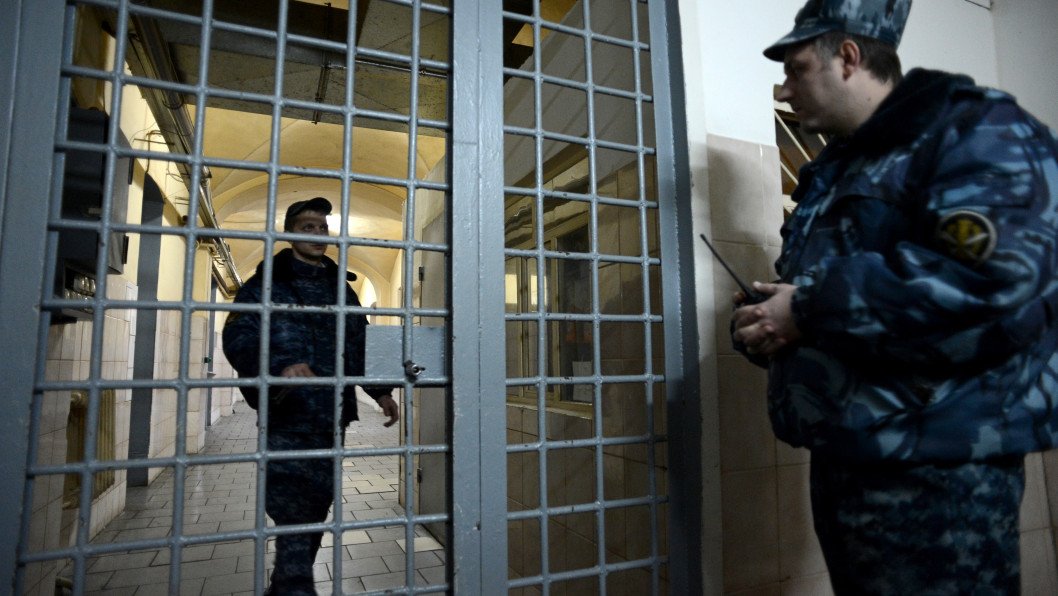
Vasiliev framed the decline as a nationwide trend, noting that in some regions it has already led to the closure of penal facilities, among them Krasnoyarsk Krai and the Sverdlovsk and Vladimir regions. Plans to shut down several colonies in Krasnoyarsk Krai were flagged in 2024 by the region's ombudsman, Mark Denisov.
The link between military recruitment and Russia's shrinking prison population has been acknowledged at the federal level. In May 2026, the head of the Federal Penitentiary Service (FSIN), Arkady Gostev, confirmed a steep national decline in the number of detainees.
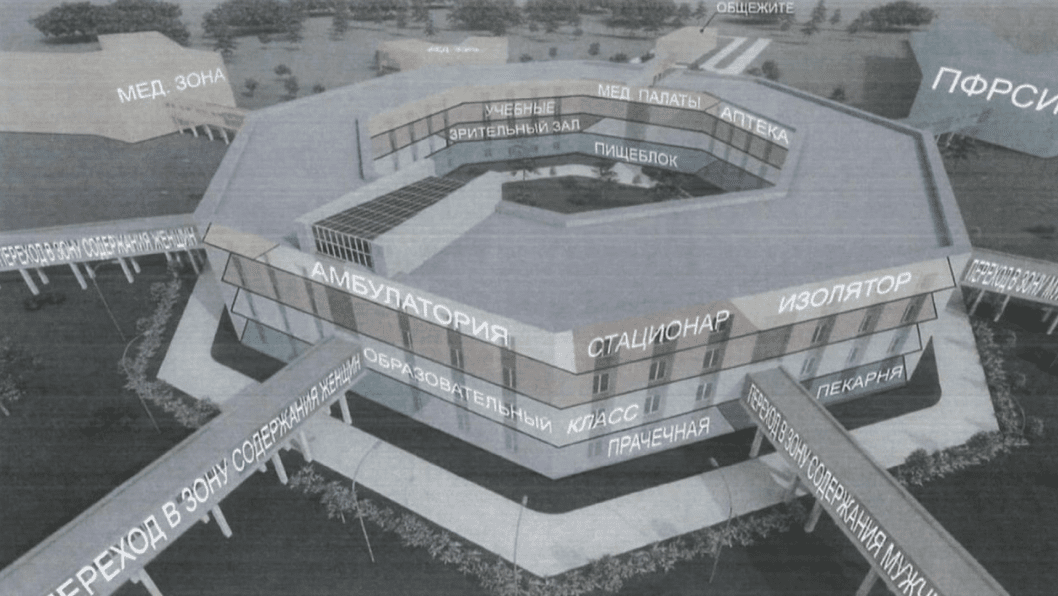
The total fell from about 465,000 at the end of 2021 to 282,000, and Gostev listed "the work to select contract servicemen" among the causes, alongside wider use of alternative punishments. Officials have released no breakdown showing how much of the decline recruitment alone accounts for.
Earlier reports indicated that the Kremlin's search for manpower to sustain the war has extended well beyond its own penal system.
Thousands of foreign nationals, many from African countries, have been lured to the front through false promises of well-paid civilian jobs, training abroad, or Russian citizenship, only to be handed Russian-language contracts and sent to the deadliest sectors of the front.
Discuss this article:


-72b63a4e0c8c475ad81fe3eed3f63729.jpeg "Photo of Cyril Barabaltchouk")