- Category
- War in Ukraine
How African Recruits Are Tricked Into Fighting on the Front Lines of Russia’s Full-Scale Invasion of Ukraine
 Prefer U24 Media on Google
- Authors

-c439b7bd9030ecf9d5a4287dc361ba31.jpg "Photo of Katherina Popilnichenko")
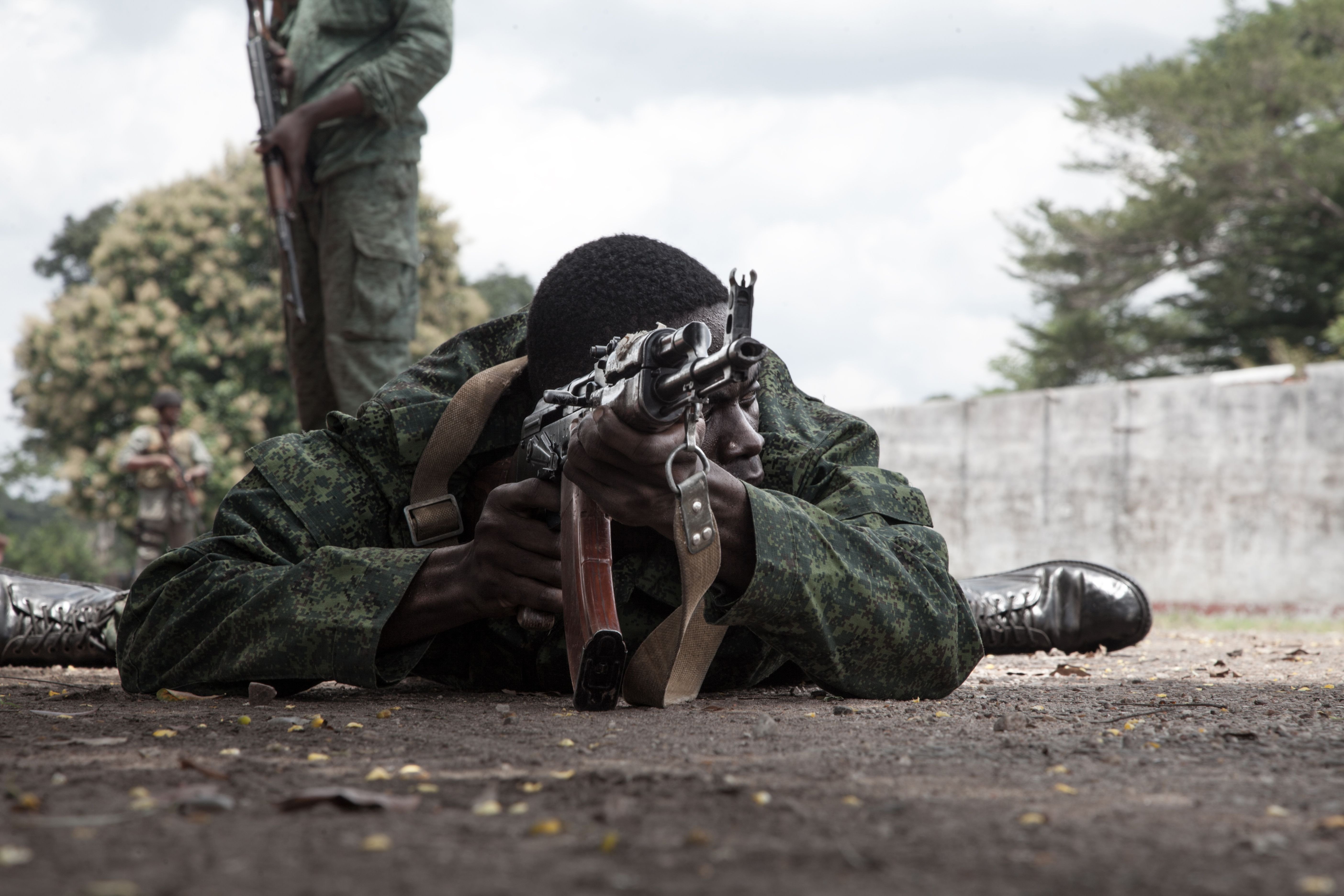
African prisoners of war in a military prison south of Lviv, Ukraine, have shared details on how they were lured into fighting for Moscow and deployed to the deadliest sectors of Russia’s full-scale invasion of Ukraine.
Most African recruits were drawn by promises of jobs, better financial futures, or Russian citizenship, while others sought to avoid visa-related imprisonment. Instead of the promised opportunities, they were sent straight to the front line and ultimately ended up in a Ukrainian military facility holding 600 prisoners of war, according to Daily Maverick on August 2.
We bring you stories from the ground. Your support keeps our team in the field.
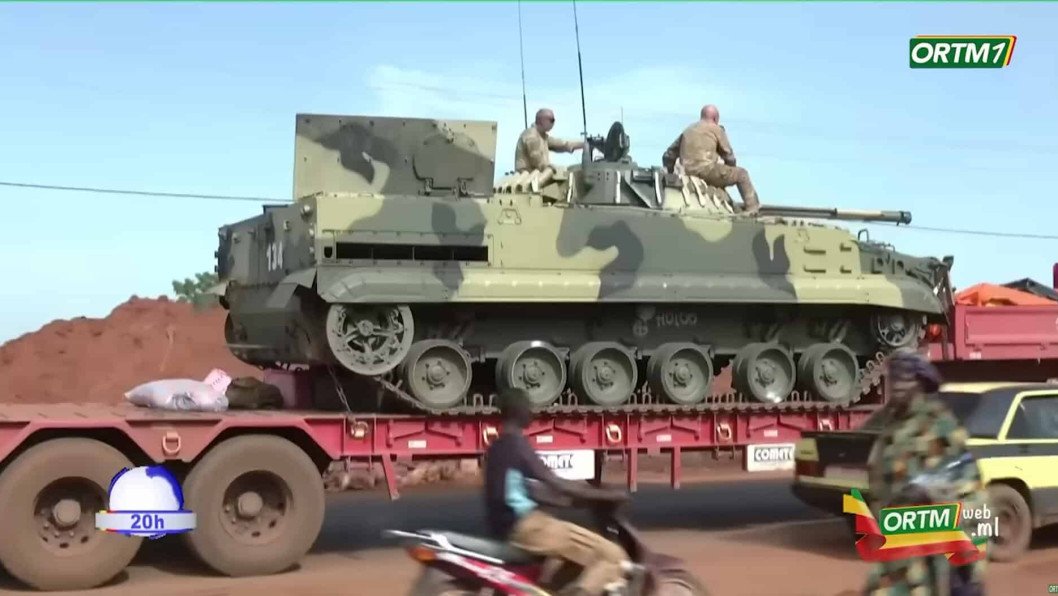
According to NATO officials, approximately 24,000 foreign mercenaries from 44 countries are fighting on the side of Russian forces, with most believed to come from Africa.
Between February 2022 and July 2026, more than 3,500 foreign nationals from over 40 countries—including Ecuador, Uganda, the US, Vietnam, India, China, Kenya, and Sri Lanka—have died fighting for Russia, along with 2,304 North Korean soldiers who mostly died in Russia’s Kursk region following Ukraine’s August 2024 offensive.
Russia has suffered over 500,000 deaths and twice as many wounded, alongside heavy casualties among foreign recruits.
TT, a 37-year-old farmer from Masvingo, Zimbabwe, was recruited through Facebook by a man going by "Mohammed Mohammed" (whose real name was Ivan). He was promised electrical engineering training in Kenya, a $20,000 signing bonus, and a $2,500 monthly salary.
After traveling through Nairobi and Istanbul to Russia in April, officials opened a bank account for him within 24 hours, took his phone, and made him sign a Russian-language contract. Following four weeks of training, he received 400,000 rubles—a quarter of the promised bonus—which remains locked in his Russian account.
By May 10, TT was placed on the front lines. The next day, he moved to his post alongside a Colombian, a Tajik, and a Kazakh fighter without being informed of the mission's goal or duration.
“We set off with four magazines, three bottles of water, and some nuts. But the drones don’t let us rise more than a few meters at a time. It’s a very dangerous game. Every 30 seconds we had to duck. Every few meters lie corpses, over a thousand corpses. People are killed while you watch. I saw it with my own eyes,” he said.
“We finished our food in three days. Then we searched the bags of dead soldiers for food and water. A three-day journey on foot took 25 days.”
By the time TT reached his destination, his three companions were dead: “I heard a big Ukrainian drone, Baba Yaga, dropping bombs around, poof, poof, poof. I ran through the thicket of trees and saw some military personnel 500 meters away. I pulled out my Russian flag to show them and said my guys were all dead. Then I saw their yellow armbands.”
TT noted that he saw seven other Zimbabweans on the Russian side, but none survived. He stated that only foreigners are sent to the front line while no Russians go there, adding that nobody cares that people are being sent to die.
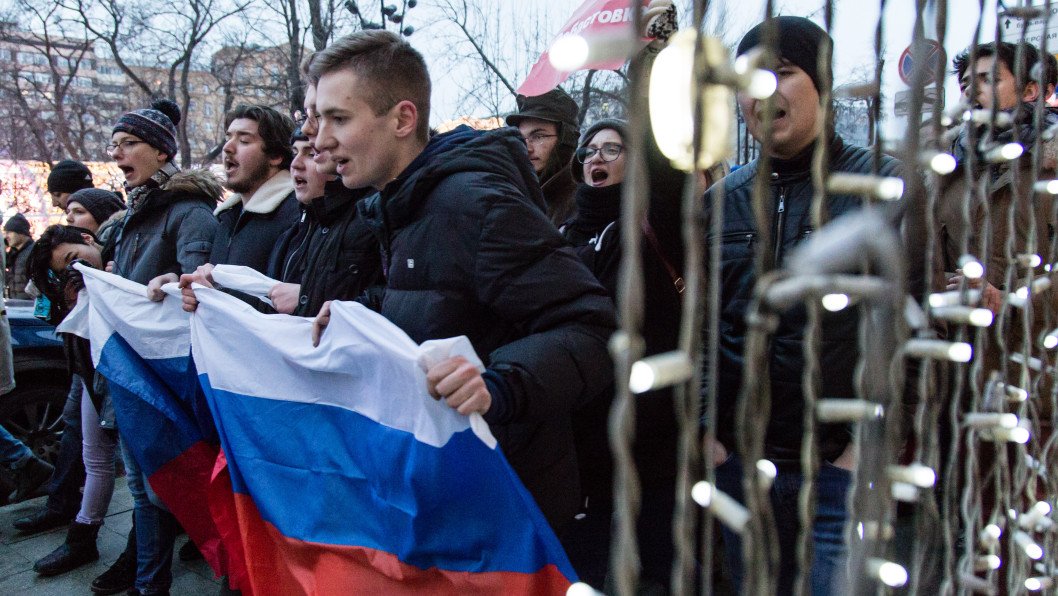
FNN, a 35-year-old from Kiambu County, Kenya, applied through an agency named Global Face in Nairobi after working as a security guard in Qatar. He flew to St. Petersburg via Istanbul on August 11, 2025.
He signed a Russian contract promising $1,700 a month and a 700,000 ruble ($9,000) bonus. He received only the bonus, which remains locked in his account.
Expecting to work as a guard, FNN was moved to Kamenko, given a uniform, and placed with recruits from Africa, Colombia, and Iraq. He and four other Kenyans were transferred to a facility holding over 500 foreign fighters.
In early November, they were deployed across the Ukrainian border.
-d62a94f8a4f6bf6854753cdee5a9431f.jpg)
Another Kenyan prisoner, 35-year-old runner KE from Mount Elgon, traveled to St. Petersburg on July 27, 2025, after being offered an opportunity to compete and work in Russia. After a week of training, he realized he was in the military.
When taken to the front line, he refused to fight because he had not received his 200,000 ruble bonus. KE was captured in late September 2025 after stepping on a landmine and hiding in a damaged building.
“It was hard to figure out who was who since everyone was in the same uniform. I was following my people, then I lost them, got confused, and stepped on a mine. Luckily, it didn't cut off my leg. I took off my backpack and weapon and lay there. Then artillery started, and I tried to hide in a destroyed house. That's where I surrendered to the Ukrainians,” KE stated.
After being lured to Russia by false promises of high-paying jobs and safe non-combat work, African recruits like Zimbabwean national Tatenda Tarwire were stripped of their documents, sent directly to the front lines of Russia’s full-scale invasion of Ukraine, and ultimately captured by Ukrainian forces—only to be excluded from prisoner exchange negotiations by Moscow.
Tatenda Tarwire, a 37-year-old Zimbabwean national, was lured to Russia after receiving promises from a Moscow-based agent of a $20,000 signing bonus and a $2,500 monthly salary.
Expecting to perform safe, non-combat labor to support his family back home, Tarwire arrived in Moscow on April 6, 2026, where Russian handlers immediately confiscated his passport and phone.
Despite assurances that foreign recruits would not be deployed to the front lines, Tarwire was sent directly to Russian-occupied areas of Ukraine, where he witnessed heavy casualties, endured severe abuse from commanders, and survived high-fatality marches through drone-covered territory before being captured by Ukraine’s Armed Forces.
Discuss this article:

-f8b795e6bf1d73fc2fdbfd74f5e7ea96.jpeg "Massive flames and thick black smoke rise from the Omsky Kauchuk chemical plant in Russia following a Ukrainian drone strike on October 24, 2026. (Source: Exilenova+)")