- Category
- War in Ukraine
"Please Don't Come to Russia": Three Foreign POWs Reveal the Human Trafficking Pipeline
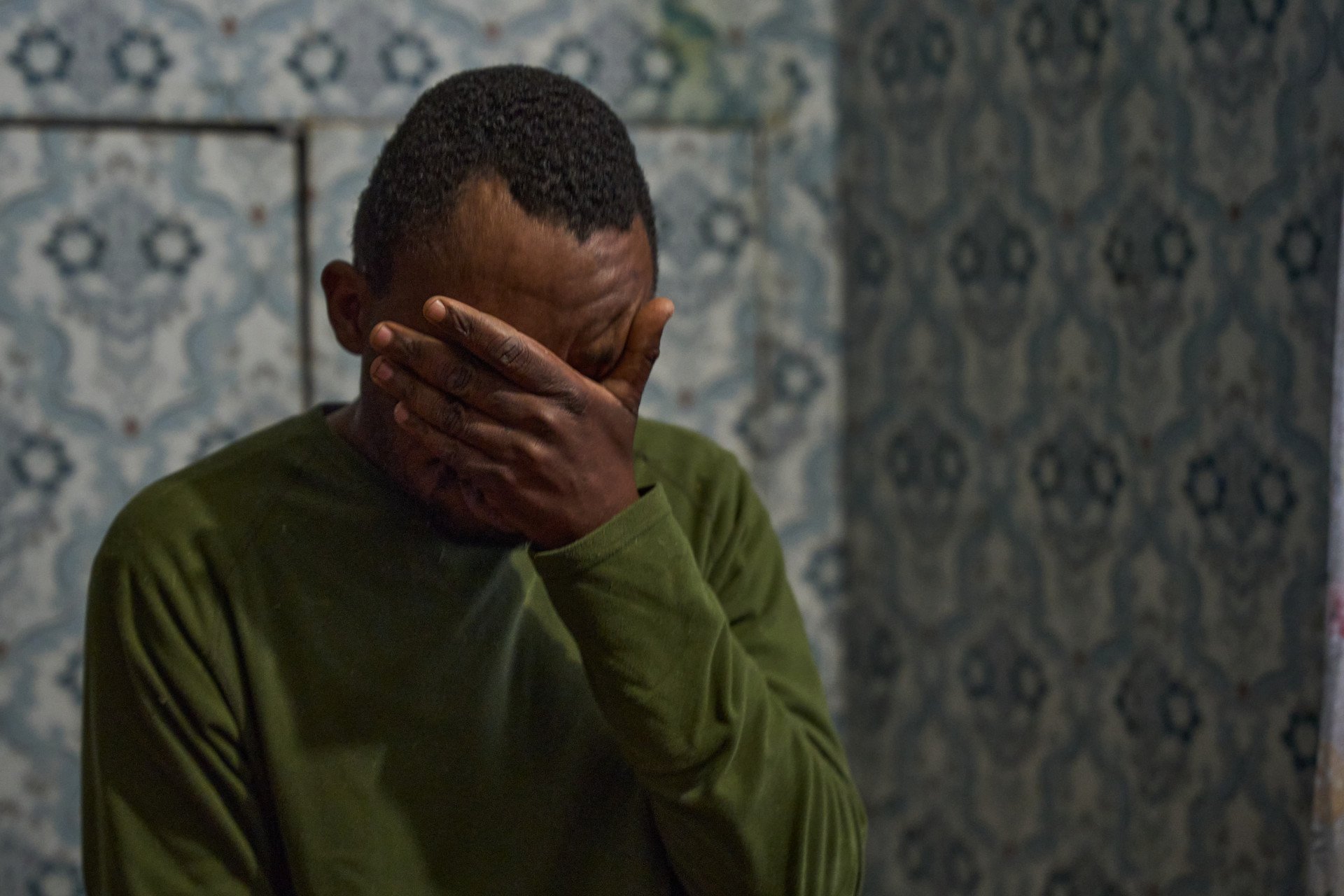
“God, please forgive your sons. Don’t let anyone come to Russia because they are just selling themselves to go and die. Nobody is coming home.”
 Prefer U24 Media on Google
- Authors



-42696701342093d1cdbc4069f0f07d6c.jpeg "Photo of Mykyta Shandyba")
When Tatenda Tarwire—a 37-year-old Zimbabwean national—received a message from a Moscow-based agent just a few months ago, he thought his proverbial ship had come in. According to him, upon agreeing to uproot himself from Zimbabwe to Russia, he immediately started dreaming of what he would do with the small fortune he would receive for the seemingly-innocuous labor he’d be providing to his Russian hosts.
How does Russia recruit foreign fighters? The reality behind the $20,000 bonus
They told me I’d get a $20,000 signing bonus after signing the contract, plus $2,500 every month for 12 months. After that, I’d be able to go back home. My wife and kids were happy thinking [their] father is going to work and get more money and we’d start [a] business. We’d build a house and maybe also buy cars like other people.
Tatenda Tarwire
Zimbabwean POW
Given that the average yearly income in Zimbabwe stands at $3,036, Mr. Tarwire firmly ignored his uncle’s repeated misgivings and cheerfully boarded his flight to Moscow, arranged by his would-be benefactors.
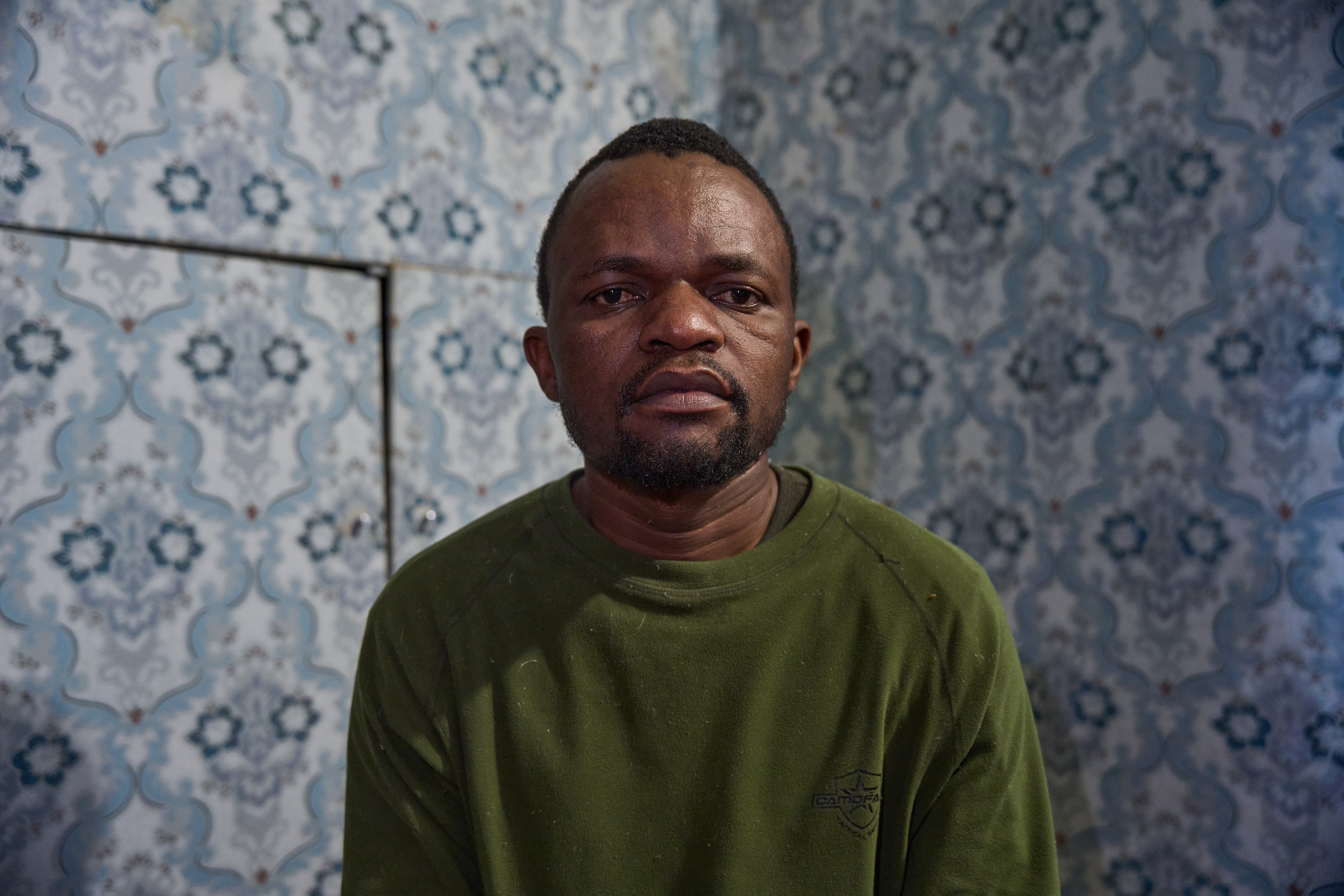
Upon arriving in Moscow on April 6th, 2026, according to Mr. Tarwire, the friendly demeanor of his hosts changed significantly; where they were once inviting and encouraging, they adopted a more forceful tone, demanding he relinquish his passport and phone to them without providing any rationale. It was in this moment that he began to pray to God, and the foreboding words of his uncle tore through his heart: “No, my friend, please don’t go."
How Are Africans Being Recruited Into Russia's War? Inside the Deceptive Pipeline
While Zimbabwe’s President Emerson Mnangagwa has openly declared his support for Russia’s full-scale invasion of Ukraine, Zimbabwe’s political opposition and Information Minister Zhemu Soda have sharply criticized Russia’s practice of luring Zimbabwean nationals under the false pretense of securing lucrative employment within Russia. The Zimbabwean legal system has also taken an aggressive stance against local recruiters for the Russian military, in one recent case even insisting that participants in this recruitment scheme stand trial at the High Court of Zimbabwe, given the gravity of the offense of human trafficking.
Although Mr. Tarwire knew he would be working a military job in Russia, he noted that he was promised by his hosts that he would be safe from the frontline dangers posed by the ongoing war.
It was that question I asked: Am I going to war or just work in Russia as a soldier? He said, no, in the front we are only sending Russian soldiers because they know the territory, they know the language. But later I realized that 98% being killed in the war are all foreigners.
Tatenda Tarwire
Zimbabwean POW
Mr. Tarwire quickly realized that he’d made an irreversible mistake when he arrived at a training facility outside Moscow and met other Africans—mostly from Cameroon, South Africa, Burundi, Rwanda, Benin, Kenya, Nigeria, and Zimbabwe as well—who had fallen into a similarly perilous situation. Desperately seeking comfort and reassurance, he asked them: “Did you get your bonus? Have you sent money home to your families?”
Most answered in the negative, telling him that they’d either never seen the money that had been promised to them, or that they’d received it, but had no way of sending it outside of Russia, owing to the strict international sanctions regime imposed upon the Russian financial system.
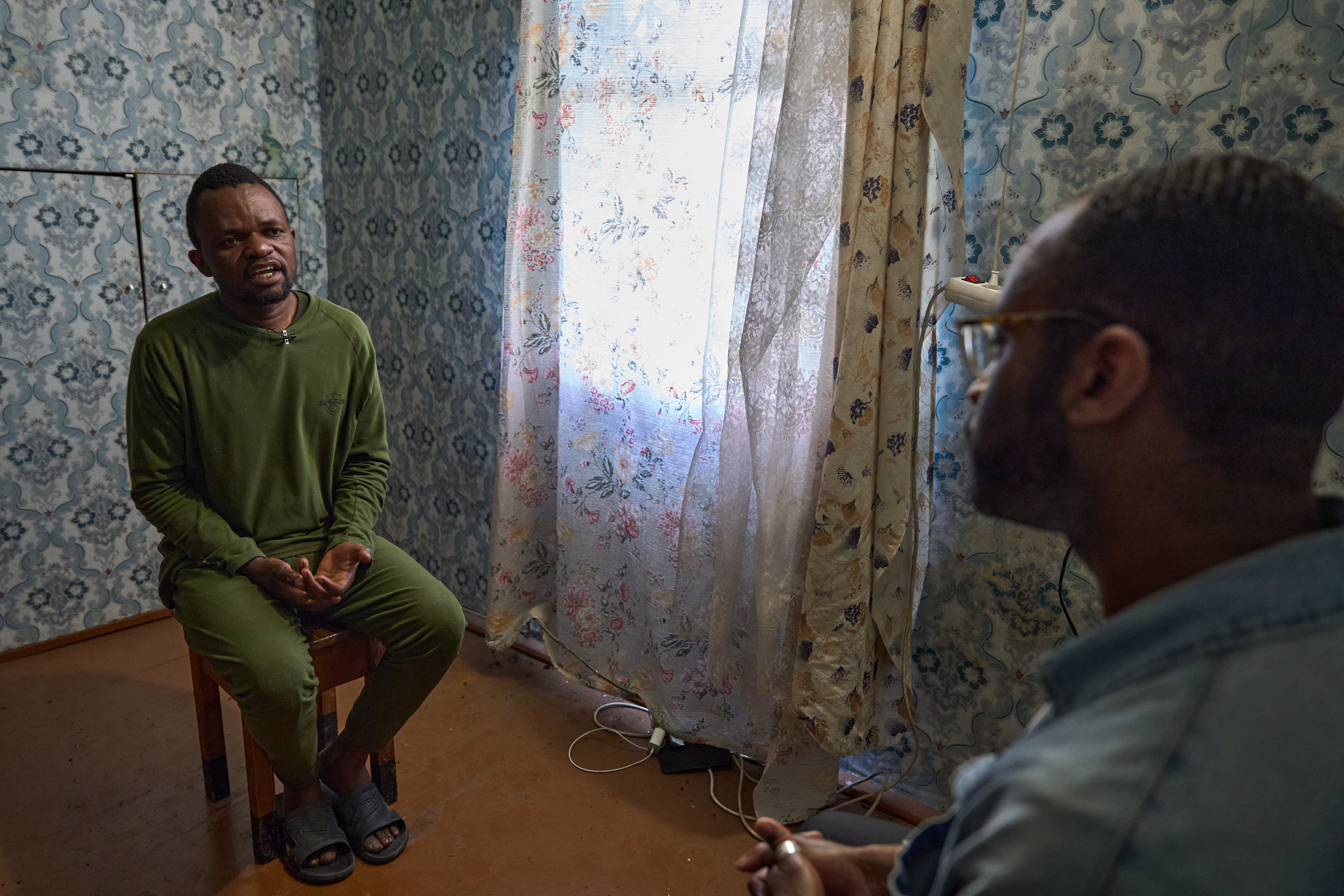
The Frontline Reality: Drone Warfare and Fields of Casualties
Before he knew it, Mr. Tarwire was sent directly to the Russian-occupied areas of Ukraine, where he detailed for me the horrors he experienced.
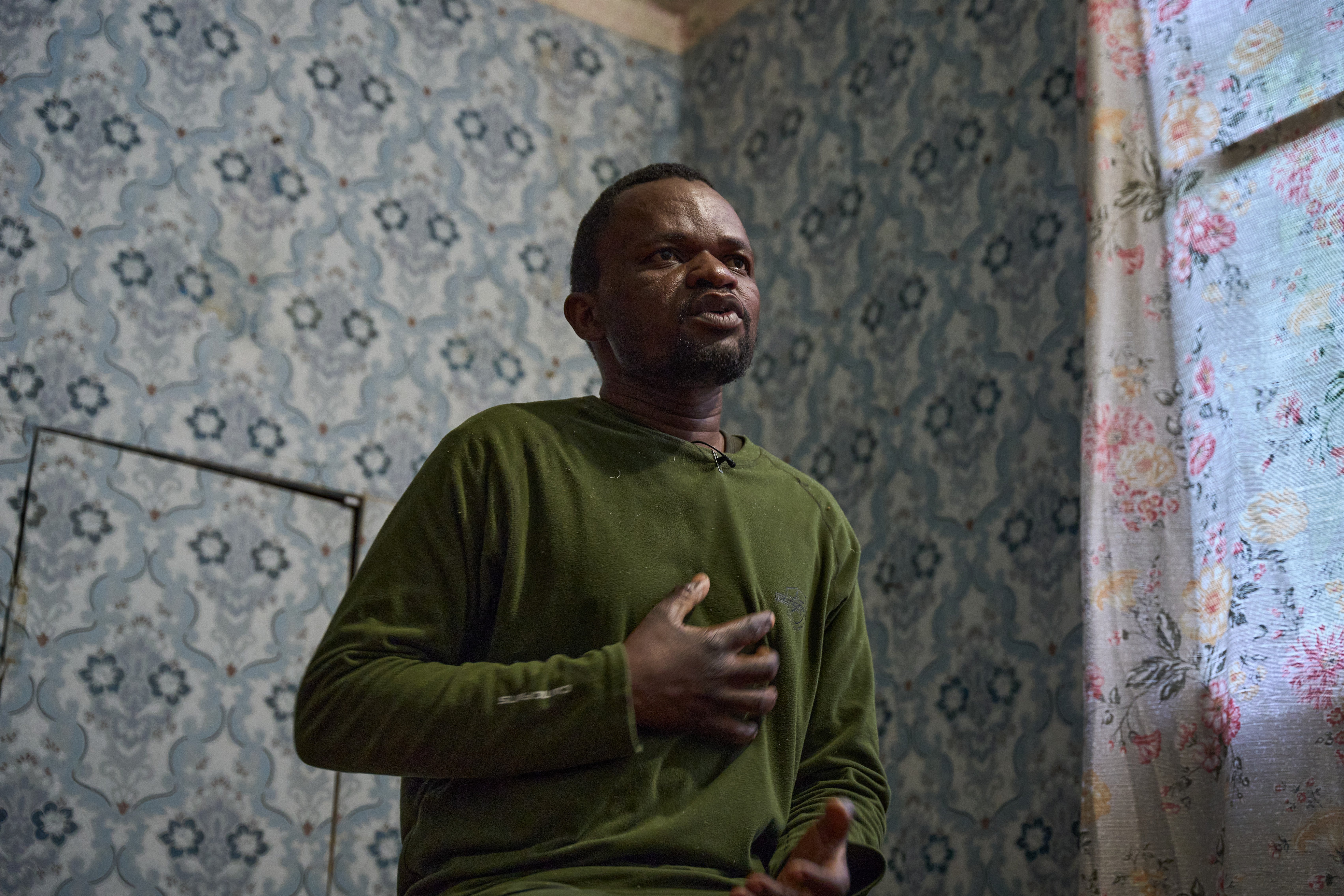
Through gasps and tears, he told stories of walking out on his first sortie and seeing fields covered in thousands of Russian corpses, and of being ordered by a Russian commander to abandon a Belarusian recruit who’d been starving for seven days and had lost his leg in combat several days prior.
He proceeded to tell me how he was forced to complete perilous marches every day through Ukrainian drone-covered territory, among other, more disturbing experiences he sobbed and shook severely while attempting to relate.
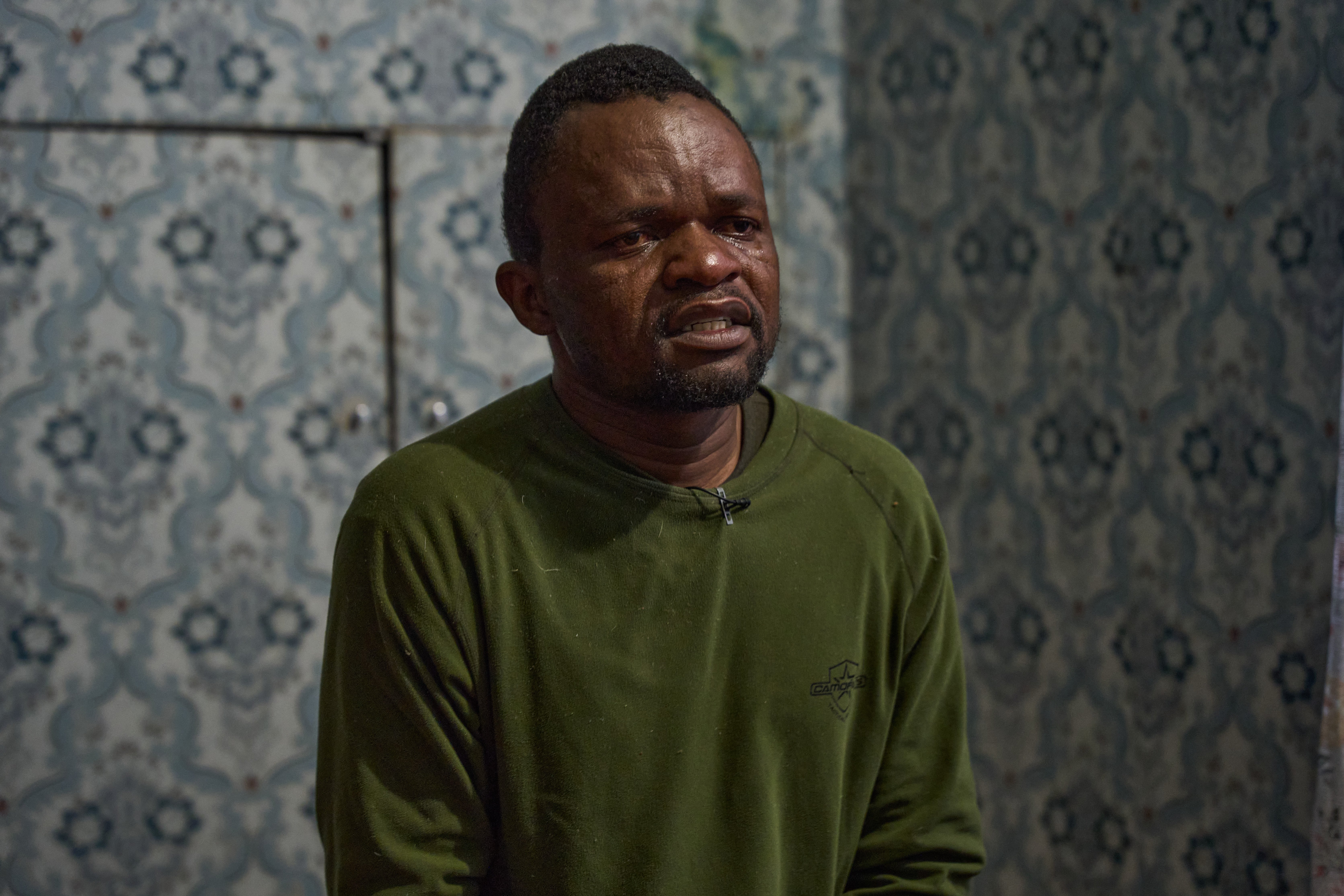
Toward the end of our conversation, Mr. Tarwire invoked God and His love, earnestly assuring me that it was only due to a higher power that he’d been granted the mercy of being captured by Ukraine’s Armed Forces. Expressing profound shame for his actions and begging for forgiveness, he took our final moments to appeal—in a plaintive voice that seemed to come from the depths of sorrow and loss—to people on the African continent, and to the Black diaspora as a whole.
My advice, my very, very, very big advice to all Africans, please don't allow your brothers or fathers to come to Russia. They are selling themselves to go and die because no one is coming back home. If you see one year is over and you see your brother or father is not calling you, you should know that he is dead. From now, may God [never] allow [anyone] to come to Russia because he is going to lose his life.
Tatenda Tarwire
Zimbabwean POW
After Mr. Tarwire wiped his eyes and lumbered to the exit, I was reminded by the next POW—a man from Peru, who’d been given the callsign “Chino” on account of his features—that these experiences are part of an organized system, as opposed to being an isolated anomaly.
How Are Latin American Workers Lured to Russia? The Deceptive Commercial Labor Front
Living in Ukraine, when we hear horror stories from the front and envision the men behind these atrocities, the perception is often sharply critical of these men, classifying them as violent invaders and willing perpetrators of war crimes.
That monstrous perception, however, stood no chance against the entry of 42-year-old Americo Valdivia Teco from Peru. Staring at the floor, he shyly ambled over to the chair across from me, noiselessly sat down, and struggled to look me in the face.
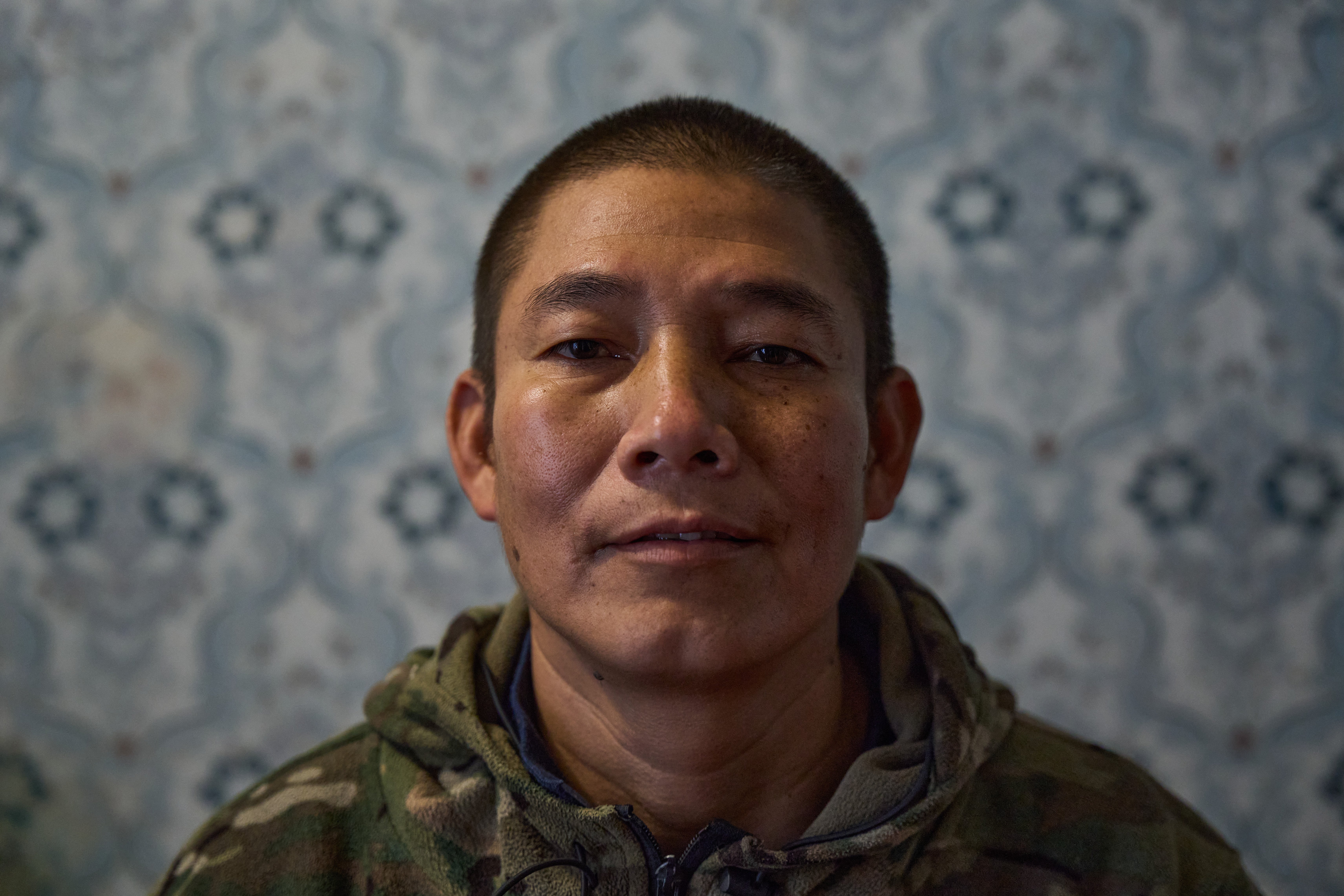
A slight man, measuring no taller than 5’5 (165 cm), unable to speak a word of English, and ending every answer with señor , Mr. Valdivia Teco—his voice just above a whisper—opened our conversation by thanking God for his life, thanking me for our time together, and ensuring me that he was being treated well, much better than during his time in Russian military service, in Ukrainian captivity. When I asked him what he felt during his days with the Russian military, he pleadingly clasped his hands together and explained.
I was always praying because I am a person who didn't come to kill. I didn't come to kill. I simply came to a job that they offered me here in Russia. So I was always asking God, because I am a believer, to take care of me.
Americo Valdivia Teco
Peruvian POW
Although Peru officially condemns Russia’s full-scale invasion of Ukraine and has done so since 2022, its citizens too have been targeted by the same predatory recruitment practices Russia uses throughout Africa.
In fact, both Peru’s Public Ministry and Prosecutor’s Office have begun treating Russia’s increased recruitment efforts within Peru as a human trafficking operation and are ramping up investigations of dozens of formal complains filed by families. Additionally, Peru’s Ministry of Foreign Affairs has sent nearly 250 official requests to Russia demanding information on the whereabouts of recruited citizens and calling for their immediate safe return.
The Shadow of COVID-19: How Financial Crises Fed the Russian War Machine
It was to these shady recruitment practices that Mr. Valdivia Teco fell prey when he was working as a contract laborer in the Sierra . After a career in the Peruvian Navy since 2002, in 2020, he tried his hand as a businessman in various fields. With the onset of the COVID-19 pandemic, all these ventures failed and regular employment opportunities within Peru dwindled. As such, he turned to contract labor to support his three children and wife, ranging from security services to agricultural work. It was during his time in the latter industry that the worst began to unfold.
I went to look for an extra job to earn extra money. In the corn harvest there, I met colleagues. A colleague [told] me, they are bringing staff to Russia. They are offering a job. We called him and he said yes, it's true. They [needed] technicians for an oil company, to take care of installations, like electricians, welders…so we saw the opportunity for work. We decided to tell him we were interested. He bought tickets for us to go.
Americo Valdivia Teco
Peruvian POW
How Does Russia Force Migrants into the Army? Inside the Passport Confiscation Scheme
Upon arrival in Moscow, Mr. Valdivia Teco told me that his passport was confiscated, and that he and two companions were ushered to a hotel, where a room awaited them, and they received meals once per day from a mysterious man. After several days of wordless food delivery and ambiguity, they were instructed to get into a taxi, by which they were taken to a building in Moscow, where they signed contracts that weren’t explained to them, in Russian, a language none of them understood.
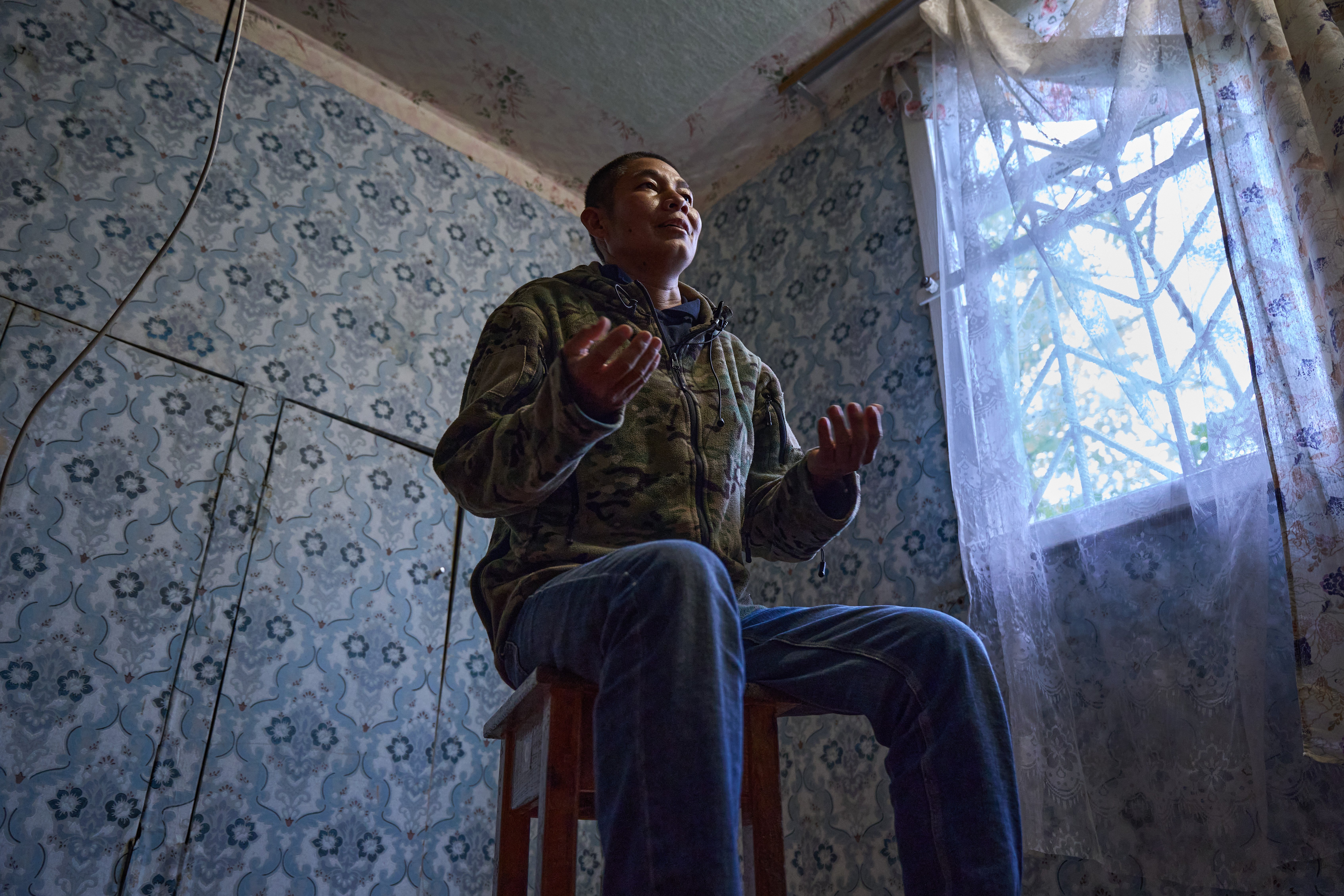
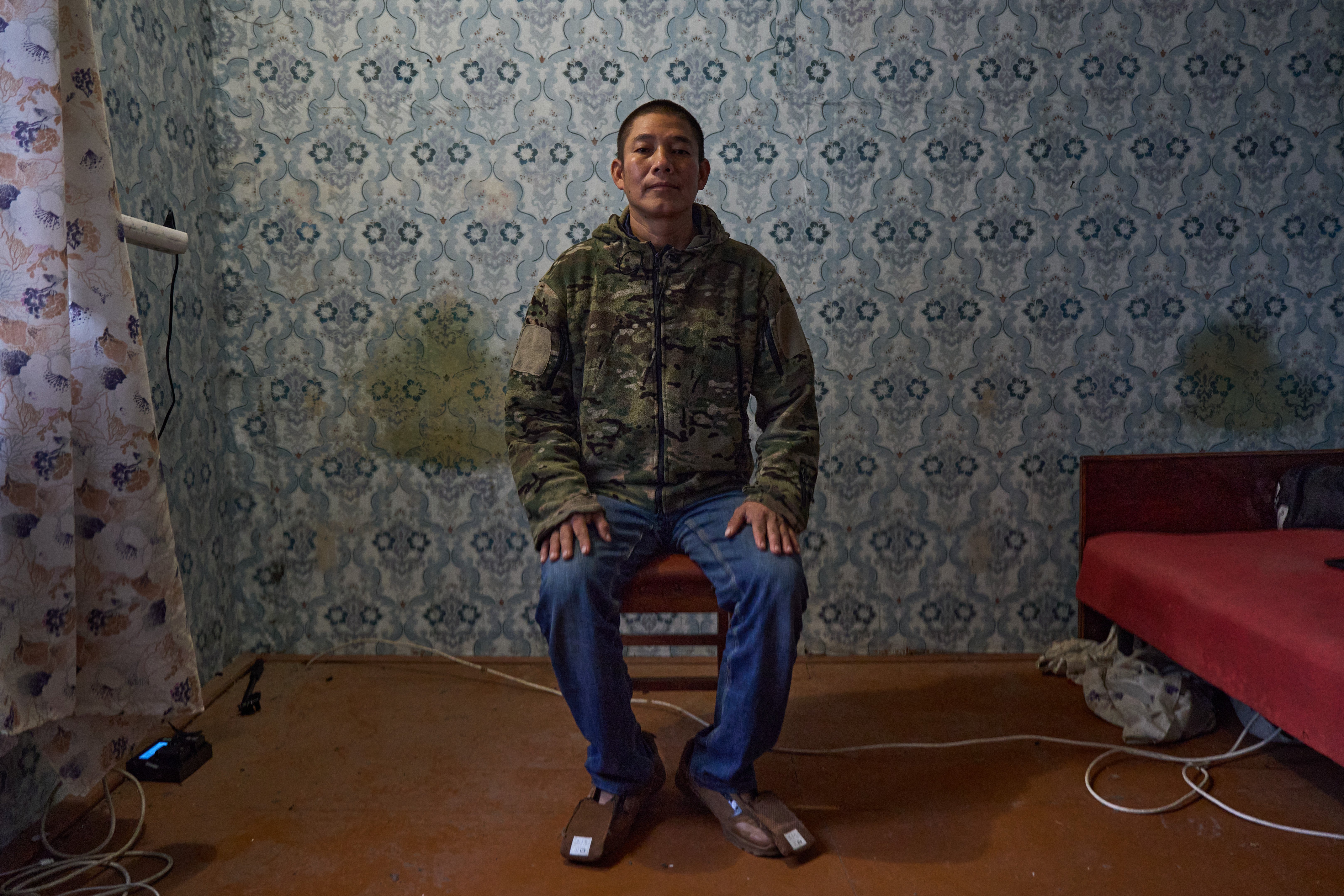
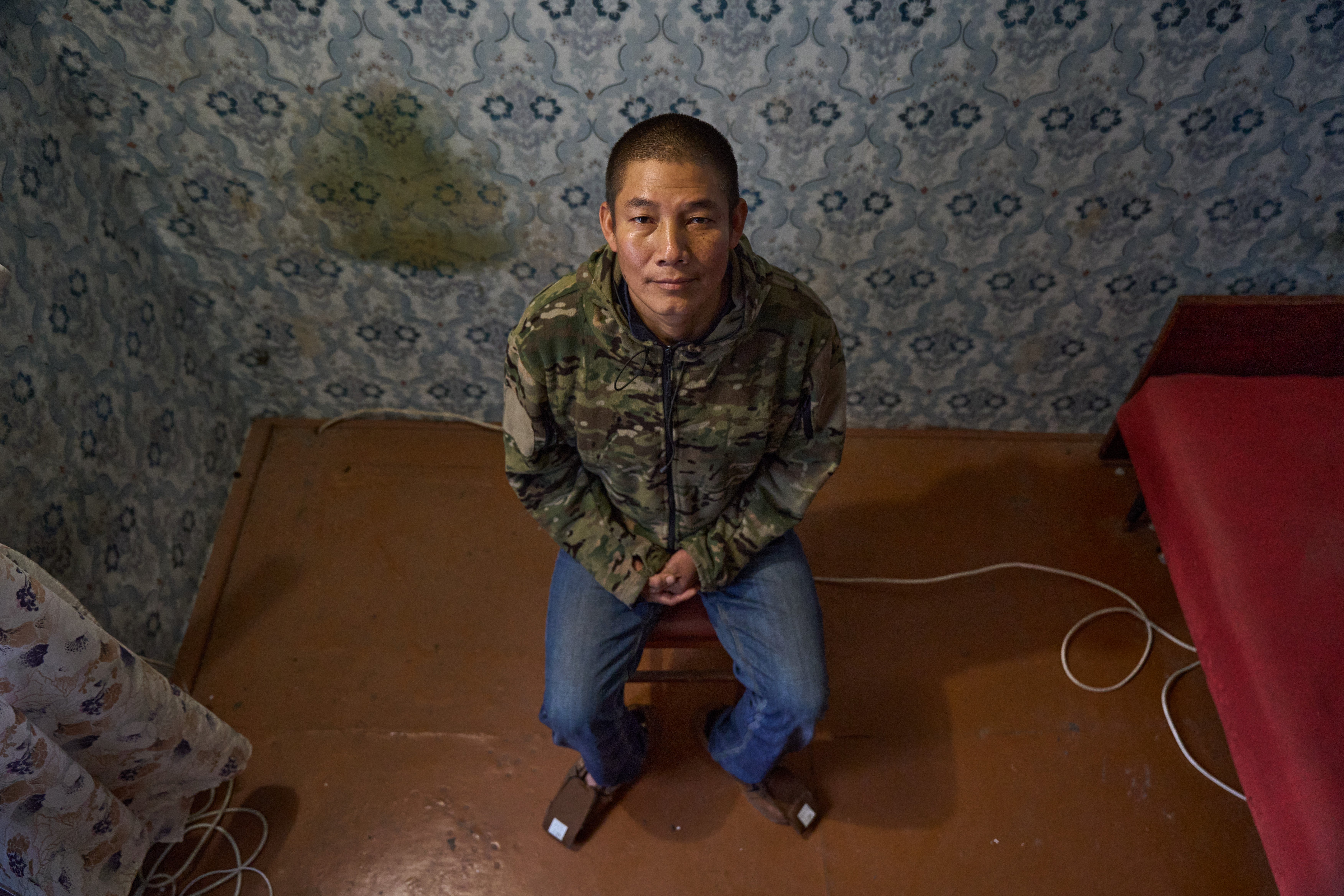
Mr. Valdivia Teco, now firmly stuck in Russia, then proceeded to explain to me the rapid series of succeeding events that found him fighting in Russian-occupied Ukraine, alongside people he could not understand, and who mocked him for his features, by bestowing upon him the callsign “Chino” :
They told us we weren't going to go to the front, but that we were going to work, for example as a cook, a carpenter, or a builder. So, we arrived at a base. They trained us for a couple of days. They took us to another base. They trained us for a couple of days. Then, one day, they told us that we had to go to the [Ukraine-Russia] border, and that when we returned, they were going to deposit a bonus. But it was all a lie.
Americo Valdivia Teco
Peruvian POW
How Are Foreign Nationals Treated? Terror and Survival in Occupied Ukraine
From the day Mr. Valdivia Teco arrived on the frontlines in Russian-occupied Ukraine, he told me that he lived in a state of constant terror. He passed his days wading through fields of corpses and beseeching God to take care of him, so that he could one day return to his family: his six year old daughter, whom he repeatedly called “his little princess,” and his eldest, a sixteen-year-old in school training to become a hairdresser in Peru.
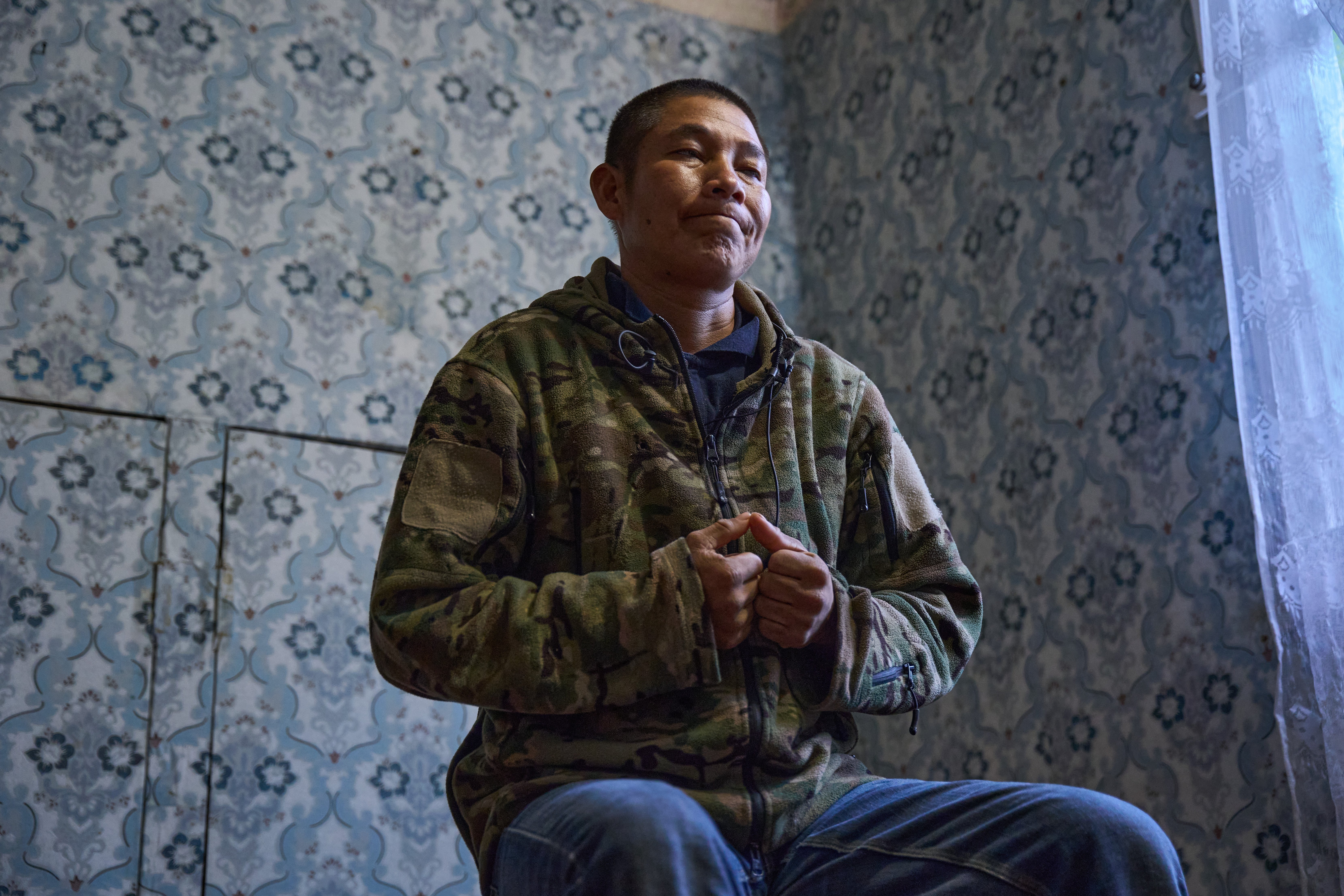
After confessing to me, with terror in his voice, the brutally violent methods with which Russian commanders would indiscriminately discipline soldiers—methods which he described as “the most inhuman things I’ve ever seen in my life”—Mr. Valdivia Teco cleared his throat to relay an urgent overture to the people of Peru, as well as to any other Latin Americans who might be similarly tricked into traveling to Russia under any pretense:
Dear compatriots, Peruvians, young Peruvians: if you hear of a job offer in Russia, inform yourself well, so you don't fall into the mistake I fell into. I made a mistake by trusting…don't come, don't come. I don't recommend it, for anything in the world. I don't even wish for my worst enemy to go through this.
Americo Valdivia Teco
Peruvian POW
Mr. Valdivia Teco ended our conversation by thanking God for his capture, and thanking me for the chance to finally express himself in his native language, given that for the majority of the preceding months, he’d spent his time having orders barked and documents coldly shoved at him in Russian. Turning to the heavens, a hopeful grin began to dawn across his face for what seemed like the first time in an eternity.
From Dhaka to the Donbas: How Are Bangladeshi Citizens Lured into Russia's Invasion Force?
Kamrul Hasan seemed to almost bounce into the interview room, unable to contain the enthusiasm that was leaping from inside his body. As the 37-year-old Bangladeshi national sat down across from me, bright-eyed and unable to sit still, I was filled with confusion and just had to ask him: Are you happy to have been captured? Are you hopeful about something?
He finally stopped vibrating, stared right at me, and with a soft smile, said: I’m so very happy. I give many thanks to Allah. Because we have life.
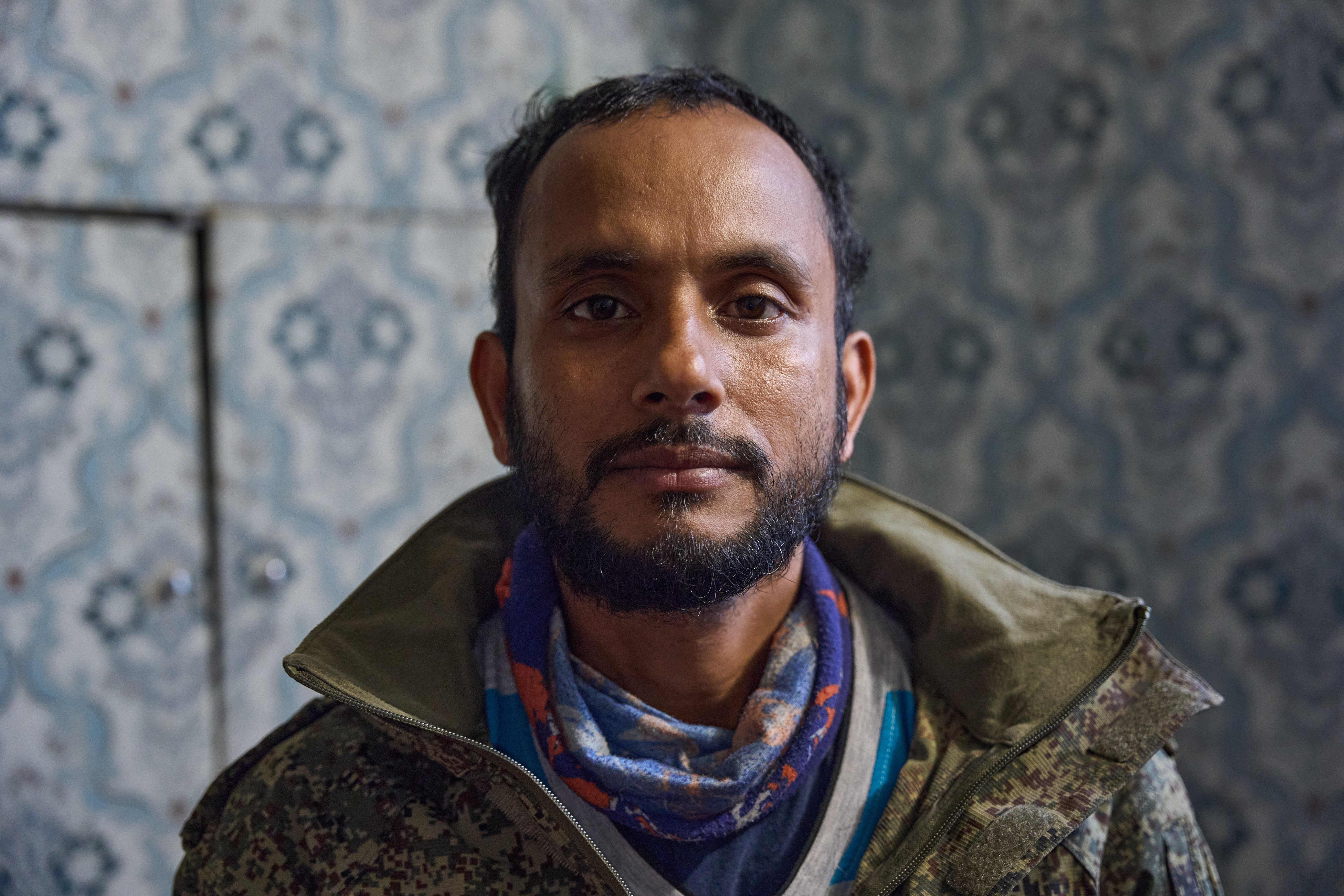
And that life is something for which Mr. Hasan has every reason under the Sun to be thankful, given his journey since July 2025.
Having originally traveled to Russia based on the promise of being granted passage to the European Union by a Russia-based “fixer,” Mr. Hasan was full of hopes and dreams for a better life and increased financial opportunities in Italy or Germany.
A Geopolitical Shift: Bangladesh Navigates International Law Violations
Mr. Hasan is far from the first Bangladeshi national to have fallen prey to fraudulent recruitment practices employed by Russian agents.
While Bangladesh originally maintained a neutral stance to Russia’s full-scale invasion of Ukraine, in 2023, it shifted its position, classifying the war was a “violation of international law,” and supporting UN resolutions that condemned the illegal referendums employed by Moscow in Ukraine’s occupied areas.
This shift has been accompanied by strong legal actions on the part of the Bangladeshi government to protect its citizens domestically.
One such protective element is exemplified by Bangladesh’s Ministry of Expatriates' Welfare and Overseas Employment revoking the licenses and confiscated the security deposits of recruiting agencies involved in fraudulent trafficking.
Bangladesh has also sought to protect its citizens by launching active investigations into trafficking networks, charging key middlemen who lured Bangladeshi men into combat roles under the guise of civilian jobs like janitors or construction workers in Russia.
One of the reasons for this clear shift centers on stories like Mr. Hasan’s, where young Bangladeshis have been lured to Moscow under false pretenses.
Like many young Bangladeshis seeking greater opportunities before him, Mr. Hasan traveled to Russia to be a worker for a “gas plant project.” After this work was finished, he told me that the workers were divided into two groups: some were selected for onward passage to the European Union, and others were selected for processing to Moscow; Mr. Hasan was numbered among the latter group, for reasons unknown to himself.
“Are We Going to Italy?” How Russia Uses Forced Conscription on Deceived Migrants
After being given part of the money that he was promised—which he had no means of transferring to Bangladesh for his family—he and a companion from Uzbekistan were then moved to a hotel, where they were held without any explanation or warrant.
It was on the next morning that his nightmare truly began to unfold, when two large men showed up at their door.
In the morning, they said “you two guys, come with me.” We went with them. But we didn’t know this Tula office was a [recruitment center]. We thought this was where we would sign our contract to go to Italy. We asked “are we going to Italy?” He said, “no you must sign this paper. Then, they took me to the Russian military Tula camp.
Kamrul Hasan
Bangladeshi POW
Mr. Hasan spent the rest of our conversation telling me about the starvation, the psychological and physical abuse, and the brutality he and his comrades faced at the hands of his Russian military commanders throughout his time in forced service. Tales of atrocity after atrocity spilled from his mouth like a waterfall of despair. When I could finally get a word in edgewise, I asked him if he felt any guilt or shame for his actions from July 2025 until his voluntary surrender to Ukrainian military personnel in Russian-occupied Ukraine.
After telling me about how afraid he was to ever speak up when his commanders gave an order, he then told me about his dear mother back in Bangladesh, who, when he was finally able to make contact with her, was able to stop crying for mere seconds to pierce him with the question: “Why did you go and jump into the fire? You understood it was fire, and yet you jumped!”
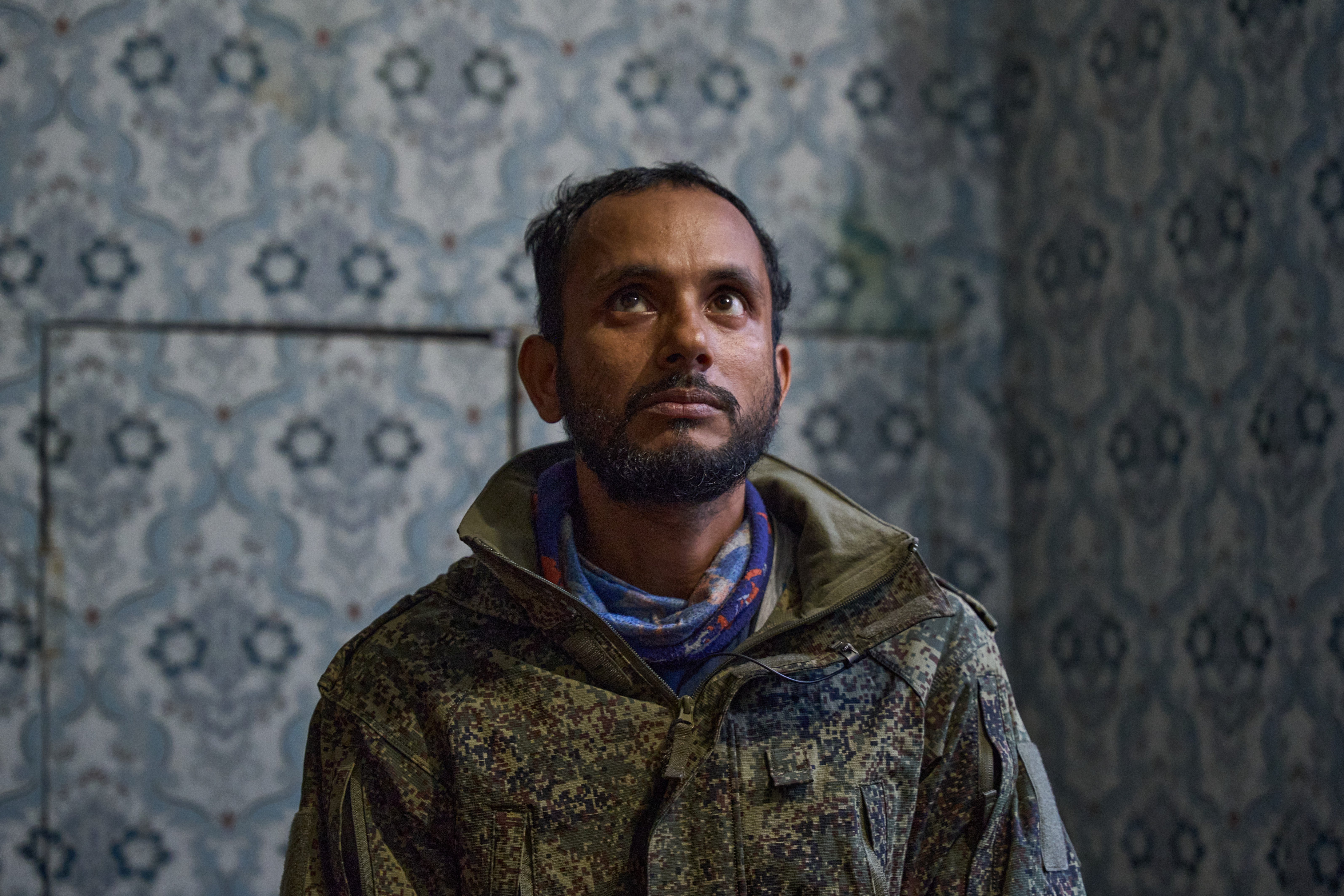
"Maybe I Don't Have True Happiness": How Does Captivity Impact Foreign Soldiers in Ukraine?
Although Mr. Hasan has chosen outward optimism in response to his circumstances, he’s far from naïve in his understanding of the present moment.
I’m actually a prisoner here, so maybe I don’t have true happiness. My face shows happiness, but it isn’t really there in my mind. I’m completely dependent now upon another country.
Kamrul Hasan
Bangladeshi POW
With his newfound appreciation for life and hope for his long journey to rehabilitation and liberation, Mr. Hasan wants nothing more than to be reunited with his family and his children. Smiling at me once more and then turning in an upward direction, he bounced out of the room as energetically as he’d entered.
How Many Foreign Nationals Have Been Recruited by Russia? The Scale of the 28,000 Pipeline
While these three men can rejoice to have survived their odysseys within the web of the Russian military-industrial complex, it’s crucial to remember that this form of human trafficking has been systematized and weaponized by Moscow globally since the start of its full-scale invasion. Many more fathers, brothers, cousins, and friends remain trapped—afraid, confused, and forced into a theater of carnage for which they lacked the knowledge to appropriately consent. Ukrainian intelligence estimates the number of these tracked foreign souls to be upwards of 28,000 from 136 countries, contributing to a silent flouting of human rights that has so far gone largely unaddressed; it is our mission to share as many of their stories—especially those from Latin America—as opportunity allows.
The exploitation of economic hardship in developing countries—many of which Russia has actively leveraged through predatory financial structures and brutal military interventions—creates a shadowy feedback loop. Socio-economically vulnerable individuals are treated like disposable commodities, then fed directly into the meat grinder of imperialism. Until proponents of justice and equity stand up and call out this global pipeline for what it is, thousands of families across Africa, Asia, and Latin America will continue to clutch silent phones. They are left hoping, wishing, and praying that their loved one will one day call and echo the sentiment of the survivors: "I’ve survived the fire; I’m coming home."
Discuss this article: