- Category
- War in Ukraine
Russia Targets 100 Ukrainian Gas Stations in One Month, Failing to Disrupt Fuel Supplies
 Prefer U24 Media on Google
- Authors

-c439b7bd9030ecf9d5a4287dc361ba31.jpg "Photo of Katherina Popilnichenko")
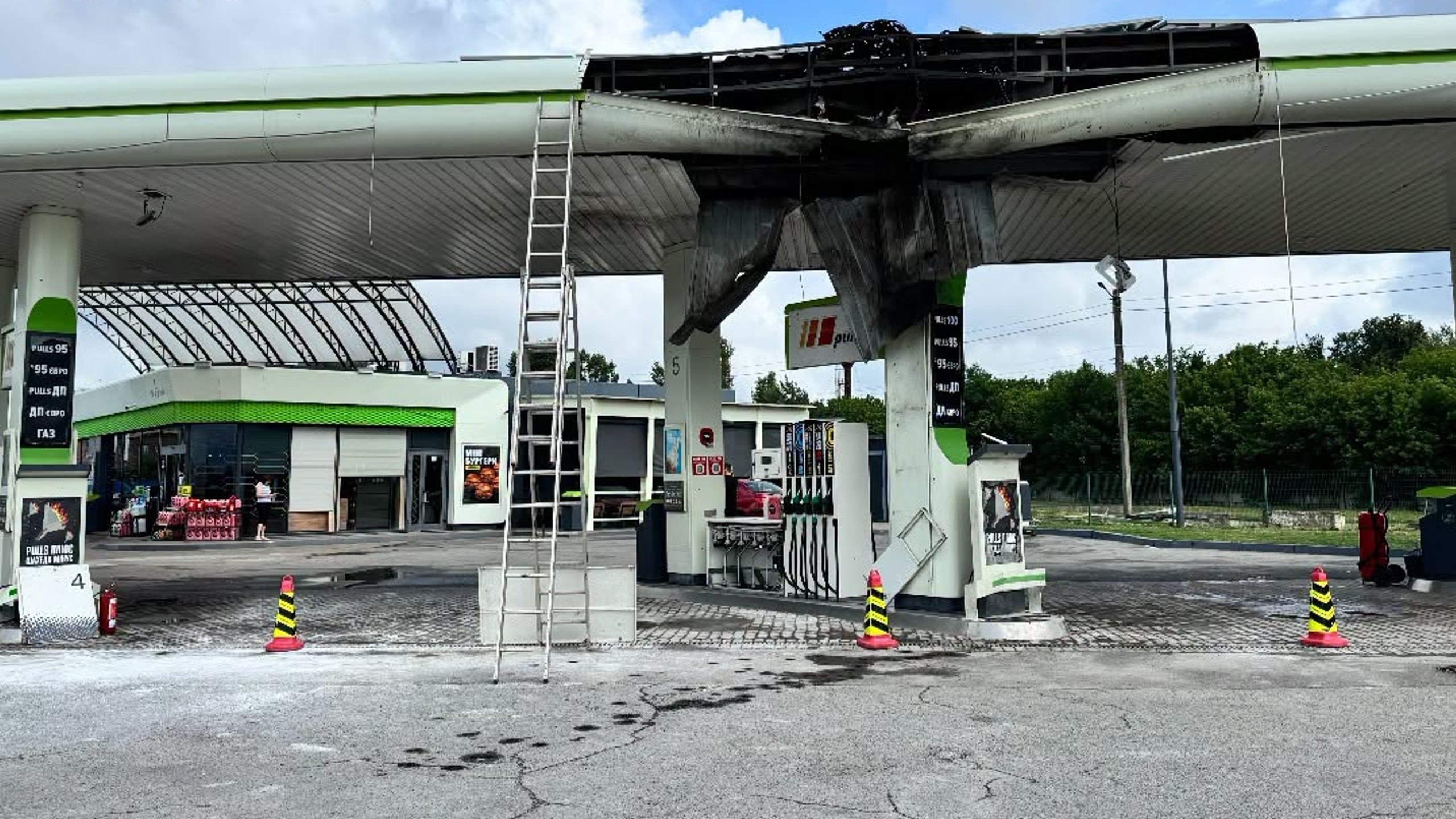
Russian forces have intensified systematic strikes against civilian fuel networks throughout Ukraine, damaging or destroying at least 150 gas complexes within the past two months.
Over a three-day period from July 3 to July 6, these attacks targeted at least 6 major commercial operators, as reported by Forbes Ukraine.
We bring you stories from the ground. Your support keeps our team in the field.
Approximately 100 filling stations belonging to various retail brands have been hit over the last month alone, including 8 strikes on the BRSM-Nafta network and recent attacks on 3 Ukrnafta facilities in the Dnipro, Mykolaiv, and Kharkiv regions.
The latest multi-day wave of strikes deployed multi-launch rocket systems, artillery, and strike drones across the Poltava, Kharkiv, Mykolaiv, Zaporizhzhia, Dnipro, Kherson, and Odesa regions, leaving 1 person dead and at least 13 others injured, including a foreign volunteer.
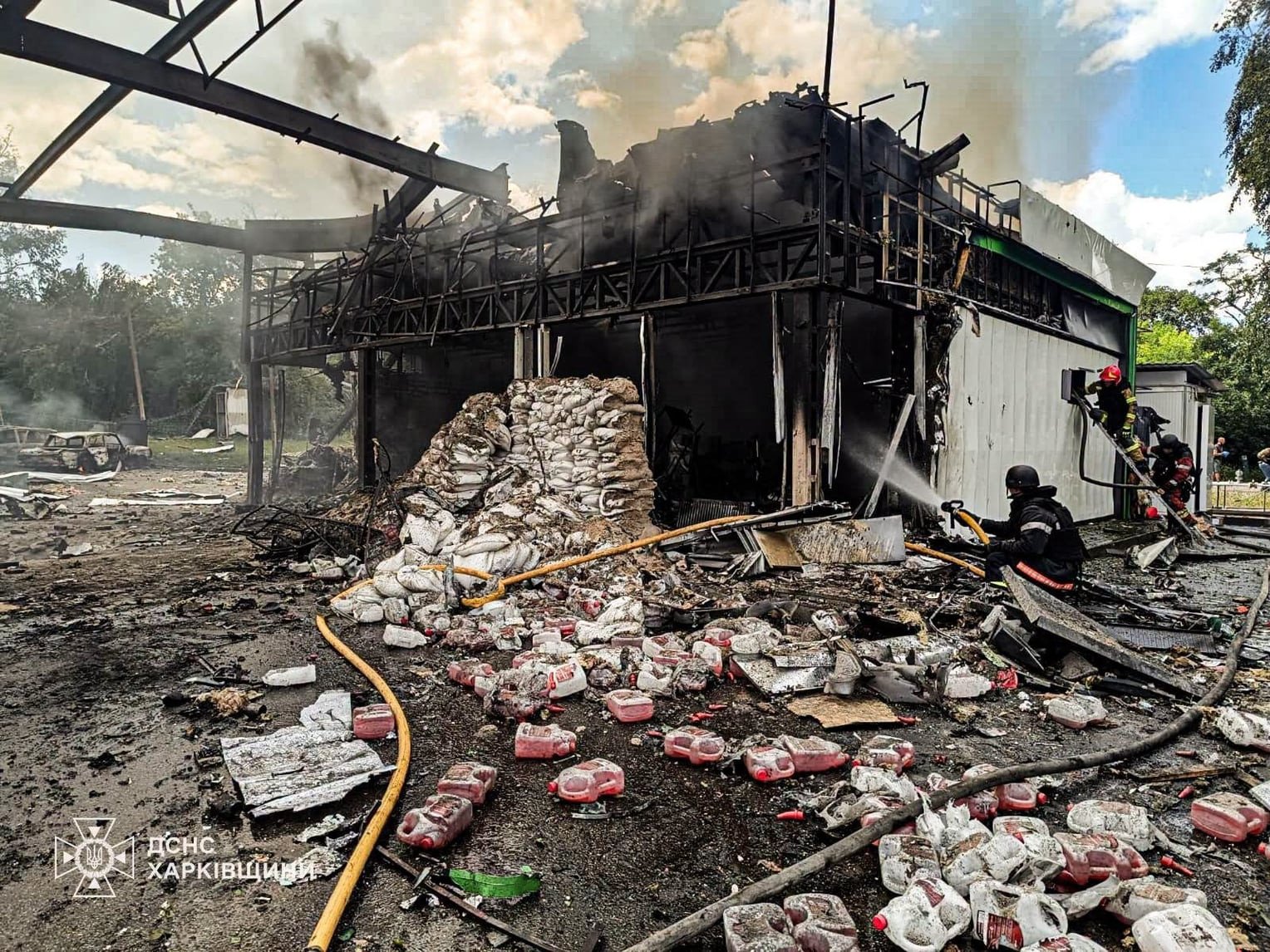
The wave began on the evening of July 3 when Russian unmanned aerial vehicles struck three gas stations along the Kyiv-Kharkiv highway in the Lubny district of the Poltava region.
Local state authorities reported significant destruction of commercial buildings, equipment, and civilian vehicles, resulting in injuries to six individuals, including a Swedish citizen engaged in volunteer work.
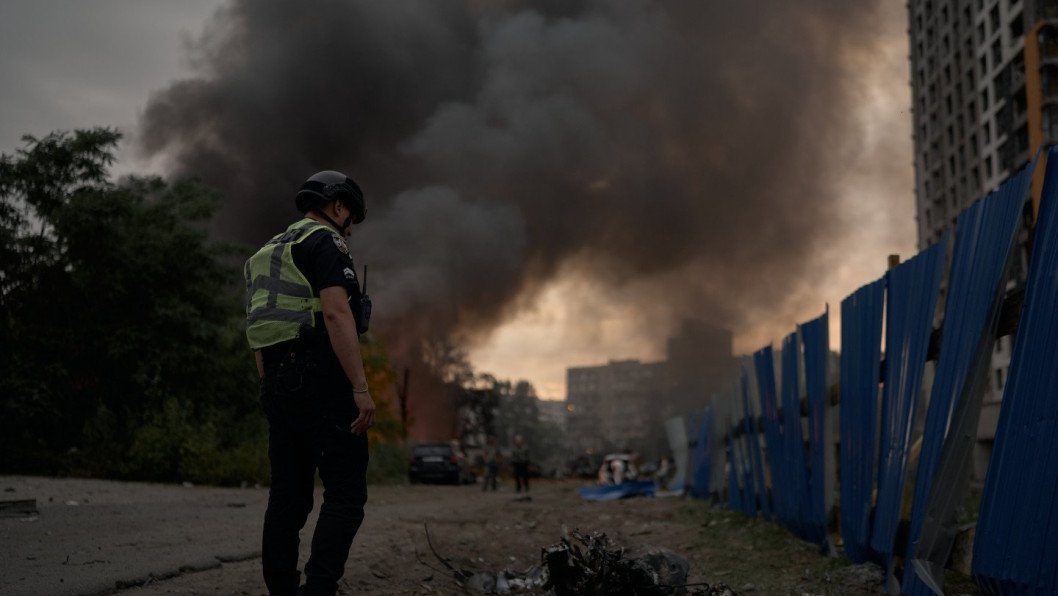
Industry representatives confirmed that the targeted service stations belonged to the OKKO, WOG, and BRSM networks, while a BVS station in the nearby town of Hrebinka was also hit the same day.
On July 5, a Russian Tornado-S multiple rocket launcher strike completely destroyed a Marshal gas station in Izium, located in the Kharkiv region. The bombardment killed a 19-year-old employee and injured four other female workers.
On the same day, Russian Shahed-type loitering munitions carried out a double strike on a SOCAR filling complex in the village of Nechayane within the Mykolaiv region. Three direct drone impacts caused severe damage to the main facility, though casualties were avoided because staff members had relocated to an on-site bomb shelter during the air raid alert.
Company officials noted that safety shelters have been established at approximately 20 key logistics hubs across the Dnipro, Odesa, Mykolaiv, Zhytomyr, Lviv, Rivne, and Cherkasy regions.
-6f0f5c26c7fba55fc0764f76a1c4c941.jpg)
These shelters are marked inside the corporate mobile application and remain accessible to the public 24 hours a day during aerial alerts.
A subsequent overnight attack on July 6 completely destroyed a WOG station in Nova Odesa, located in the Mykolaiv region, though adherence to emergency shutdown protocols ensured that no employees were harmed.
Additional strikes occurred during the morning of July 6, when shelling in Zaporizhzhia wounded three civilians. In Kharkiv, local officials reported a direct drone strike on a service station in the Kyivskyi district of the city, while a WOG filling station in the capital city of Kyiv sustained minor damage from a blast wave.
Ukrnafta management stated that the company has been forced to permanently close six of its regional stations since the beginning of 2026 due to severe security threats and ongoing hostilities linked to Russia’s full-scale invasion of Ukraine.
Industry experts and marketing executives emphasize that despite the loss of over 150 retail stations, the targeted campaign against civilian infrastructure will not cause domestic fuel shortages.
Military logistics operate independently of commercial retail brands, and commercial suppliers maintain flexible backup distribution networks. In areas with damaged infrastructure, operators are distributing fuel directly from mobile tanker trucks and utilizing wholesale distribution networks to balance supplies across different regions.
On May 29, 2026, Russian forces targeted oil and gas infrastructure installations in Ukraine’s Kharkiv and Sumy regions, with one facility in the Sumy region enduring two strikes within a few hours.
According to Ukraine's state energy company Naftogaz, the bombardments caused fires and extensive damage to the local infrastructure.
Discuss this article:




-65758021c165ae94f84d79df9242da4b.jpeg "Fire at Russia’s Nikolskoye oil pumping station following a reported Ukrainian drone strike on October 20, 2026. (Source: Exilenova+)")