- Category
- World
“The Most Alarming Part Is That the Crisis Is Only Beginning”: Analyst on Russia’s Fuel Shortage
 Prefer U24 Media on Google
- Authors

-c439b7bd9030ecf9d5a4287dc361ba31.jpg "Photo of Katherina Popilnichenko")
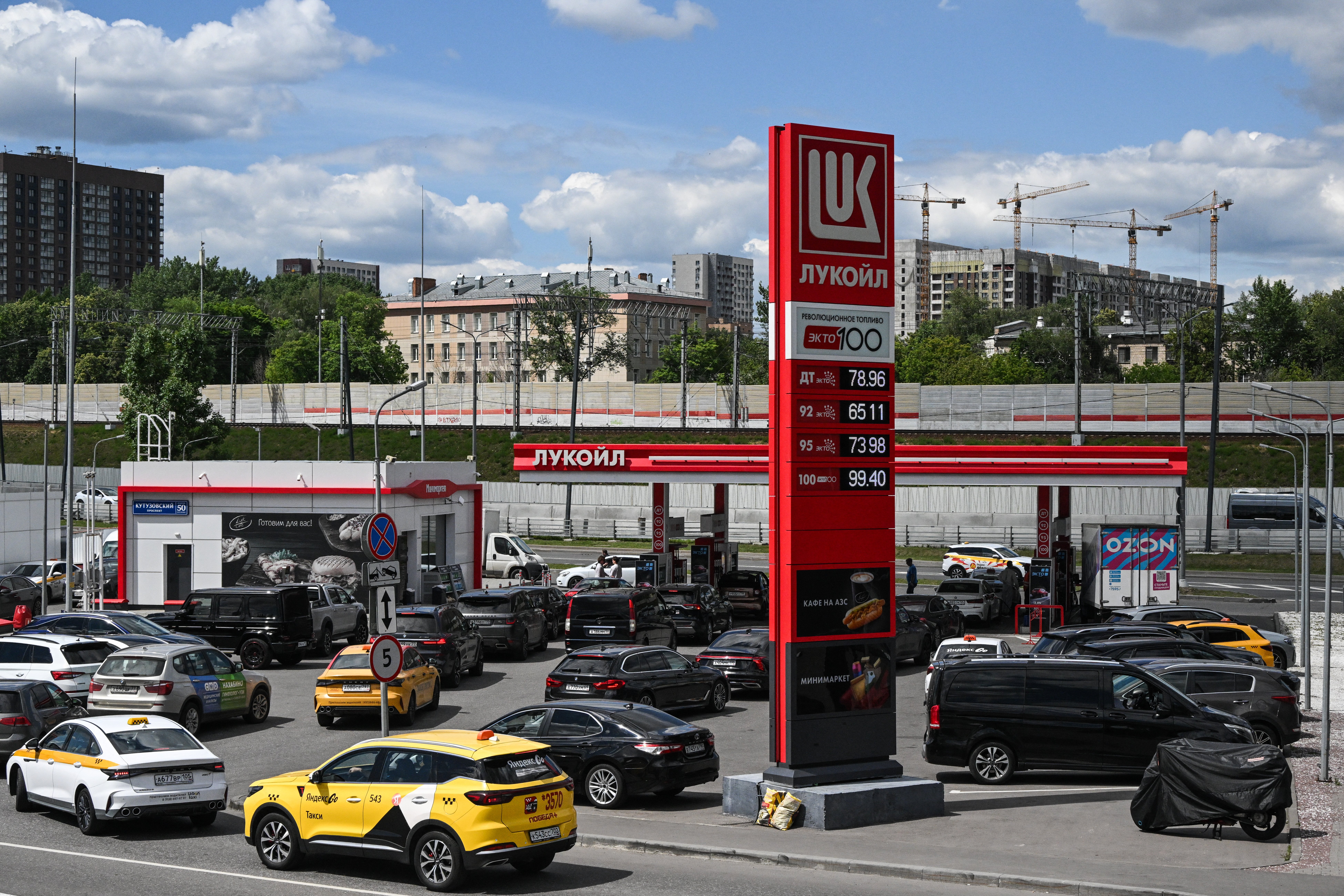
The domestic fuel crisis spreading across Russia is threatening to become the largest in the modern history of the country, with official restrictions on gasoline sales already introduced in more than 40 regions.
In June, Russian crude oil refining volumes collapsed by 25% year-on-year to 3.91 million barrels per day, marking a low point not seen in over 20 years, according to The Moscow Times on July 2.
We bring you stories from the ground. Your support keeps our team in the field.
Domestic gasoline production simultaneously dropped by 17% year-on-year to 850,000 barrels per day, falling significantly short of internal market requirements. This comes as approximately one-third of the total oil refining capacity in the country is currently idle following at least 50 drone strikes against Russian oil infrastructure facilities since March.
The worsening supply gap has caused retail fuel prices to rise by 20% year-on-year in June, a record high since 2010. Independent gas stations are selling a liter of gasoline for 120 to 140 rubles, while prices in occupied Crimea and Sevastopol have reached 200 rubles per liter.
“The most alarming point is that the crisis is only beginning,” notes Finam strategist Yaroslav Kabakov. “The peak of seasonal demand traditionally falls in August–September, while signs of shortage and price acceleration appeared already in June.”
The timing of the infrastructure disruptions coincides with critical agricultural demands. Chris Weafer, head of the consulting firm Macro-Advisory, noted that approximately one-third of refining capacity is offline. “This is happening at a critical time for the Russian economy, when the harvest season begins,” he emphasized.
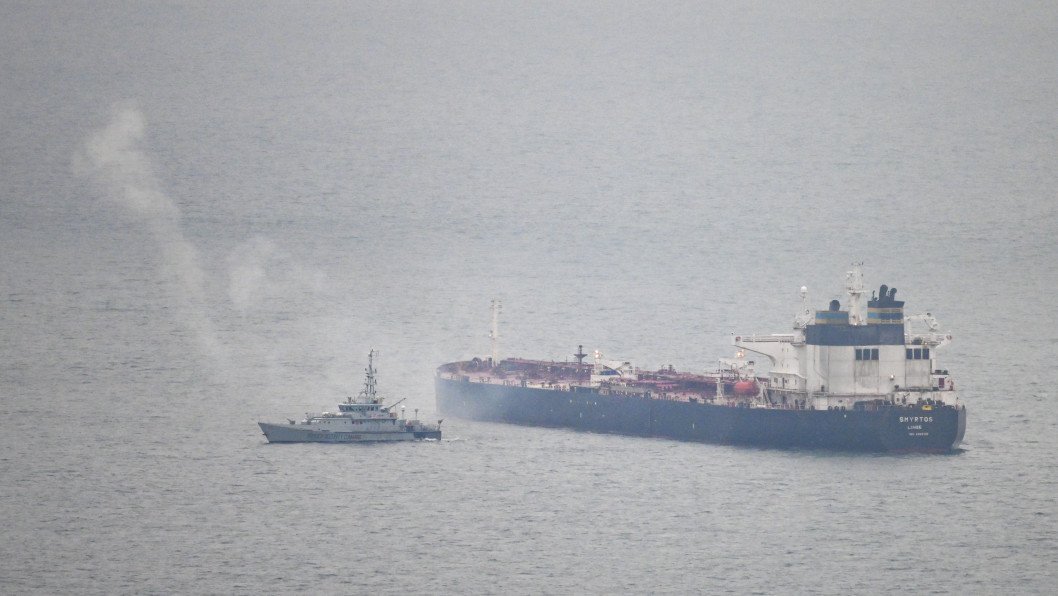
To manage the deficit, the Russian government has initiated maritime gasoline imports from India, marking an unprecedented shift for the major energy exporter.
An initial shipment of roughly 60,000 metric tons of Indian gasoline is expected to arrive at a domestic port shortly. Kazakhstan has also agreed to provide 50,000 metric tons of gasoline as humanitarian assistance.
However, market analysts point out that these import volumes offer limited relief. Freedom Finance analyst Vladimir Chernov explained that summer consumption reaches approximately 110,000 metric tons of gasoline per day.

“If we take summer consumption of about 110 thousand tons of gasoline per day, then 50 thousand tons is less than half of one day of demand across the country. Even if we calculate the current gap between production and consumption, such a volume will last for about a couple of days of the deficit,” Chernov emphasized, adding that Kazakh supplies can only cover localized shortages rather than replacing full refinery operations.
Attacks come amid Ukraine's broader strategy to disrupt Russia's military logistics, command-and-control capabilities, drone coordination infrastructure, and supply routes in both occupied Ukrainian territories and within Russia itself.
According to official statements, Ukrainian President Volodymyr Zelenskyy authorised a 40-day strategic operation led by the Security Service of Ukraine to increase pressure on Moscow and undermine its ability to continue the war.
Discuss this article:



-72b63a4e0c8c475ad81fe3eed3f63729.jpeg "Photo of Cyril Barabaltchouk")

-111f0e5095e02c02446ffed57bfb0ab1.jpeg "Photo of Roman Kohanets")