- Category
- World
Kazakhstan Imposes One-Entry-per-Day Rule on Russian Vehicles over Fuel Smuggling
 Prefer U24 Media on Google
- Authors

-c439b7bd9030ecf9d5a4287dc361ba31.jpg "Photo of Katherina Popilnichenko")
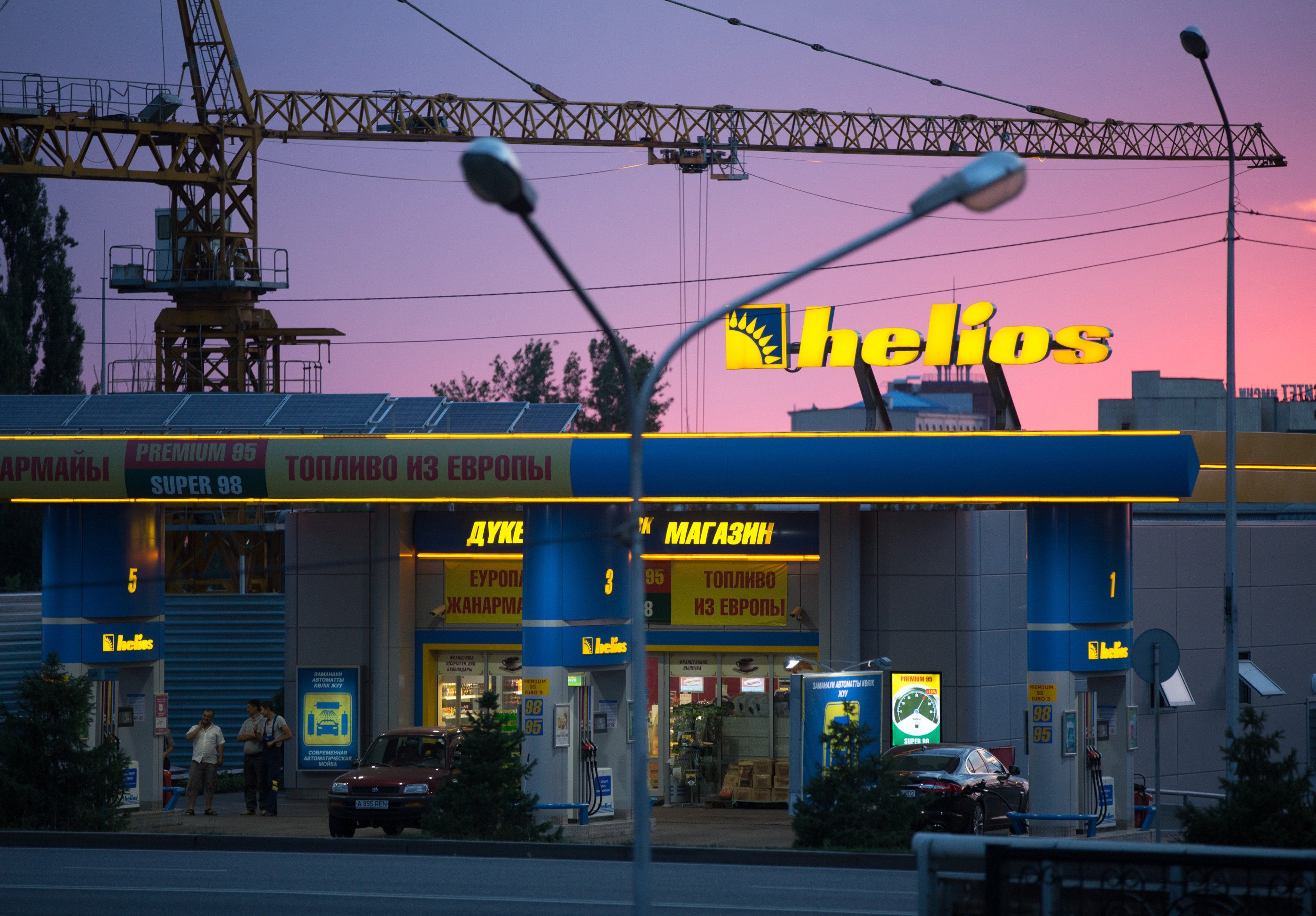
Kazakhstan has introduced strict entry limits on all cargo and passenger vehicles coming from neighboring countries, restricting entries to just once per day.
The emergency decision, announced by Deputy Energy Minister Kaiyrhan Tutkyspbaev, is an effort to stop the illegal smuggling of cheap local fuel across the border, as reported by The Moscow Times on July 8.
We bring you stories from the ground. Your support keeps our team in the field.
The restrictions come amid a severe domestic fuel crisis inside Russia, which has seen retail fuel prices on some Russian stations surge past 100 rubles ($1.30) per liter. This price gap has caused thousands of Russian drivers from the Astrakhan, Volgograd, Saratov, Orenburg, Novosibirsk, and Omsk regions to cross into Kazakhstan's Aktobe, Pavlodar and West Kazakhstan regions, creating kilometer-long queues at local gas stations.
The economic incentive for the sudden border rush is substantial. In Kazakhstan, a liter of regular gasoline costs between 300 to 350 tenge, which translates to roughly 45–55 Russian rubles ($0.59–$0.72). In contrast, the official average price for AI-95 gasoline inside Russia has climbed to 74.4 rubles ($0.97) per liter, with multiple regions experiencing extreme price spikes and empty pumps due to acute supply shortages.
Kazakh border authorities reported that within a single 48-hour window, customs officials successfully stopped 61 separate attempts to illegally transport more than 3 tons of fuel out of the country using modified, oversized fuel tanks and hidden canisters.

The internal Russian fuel crisis is a direct consequence of repeated, successful drone strikes against key domestic oil refineries, carried out as a response to Russia’s full-scale invasion of Ukraine. A recent long-range strike targeted the Omsk refinery, which possesses a massive annual processing capacity of 22 million tons.
The disruption at the Omsk facility marks a turning point in the air campaign against Russia's energy infrastructure. With this latest operation, every single one of Russia’s ten largest oil refineries has now been struck since the start of the year.
This includes major production facilities such as Kirishinefteorgsintez in the Leningrad region, alongside refineries in Ryazan, Yaroslavl, Volgograd, Moscow, Tuapse, Nizhny Novgorod, Perm, and the Taneco plant in Tatarstan. The accumulated damage has forced multiple facilities to either completely halt operations or drastically decrease their daily production schedules.
Previously, Ukraine launched a drone strike overnight on July 6 targeting Russia's Slavneft-YANOS oil refinery in the Yaroslavl region—one of the country's largest oil refining facilities—with local residents reporting multiple explosions at the site.
Discuss this article:




-1a53a90a73ce3e7127f5eef46d0c6c71.webp "The Russian cargo ship Sabetta, previously known as BBC Mississippi. (Source: ShipSpotting.com)")
-29a1a43aba23f9bb779a1ac8b98d2121.jpeg "Photo of Illia Kabachynskyi")

-72b63a4e0c8c475ad81fe3eed3f63729.jpeg "Photo of Cyril Barabaltchouk")