- Category
- War in Ukraine
Russian Bot Activity Collapses by 84% After Strikes on Yandex Data Centers
 Prefer U24 Media on Google
- Authors



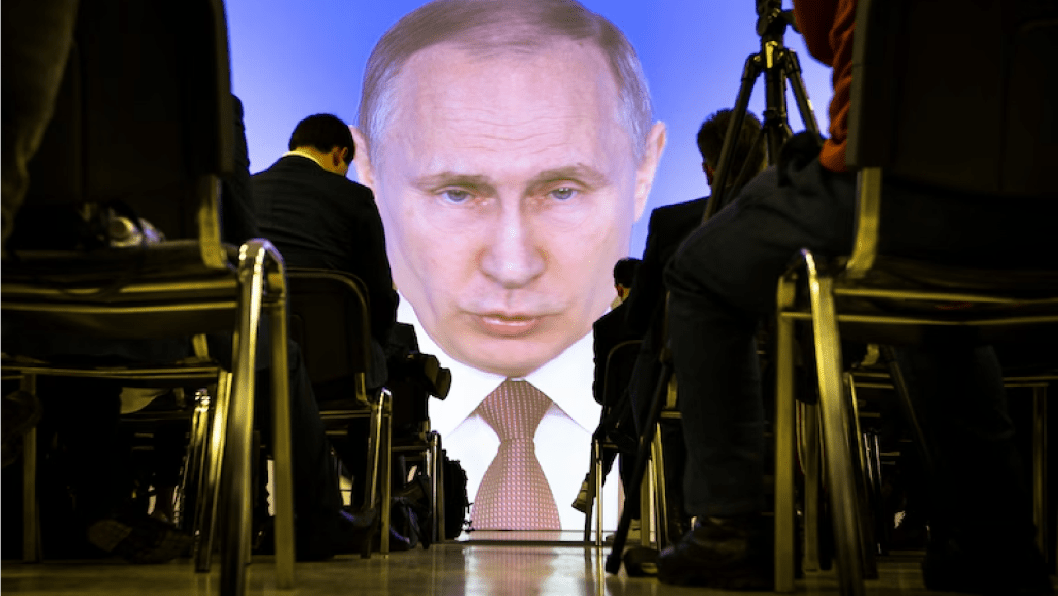
Russia’s online propaganda machine appeared to lose its voice as strikes hit key Yandex data centers, raising questions about how heavily Moscow’s disinformation networks depend on the country’s digital infrastructure.
Russian-linked accounts suspected of spreading disinformation in Ukraine experienced a dramatic collapse in activity following strikes on three Yandex data centers in Russia, with the number of published messages dropping by nearly 84% in a single day.
We bring you stories from the ground. Your support keeps our team in the field.
The findings were published by Ukraine’s Center for Countering Disinformation (CCD) in an analytical report dated October 15. The study examined suspicious activity across Facebook and Telegram between October 6 and 12, identifying two sharp declines that coincided with disruptions at major Russian data centers.
❗️Satellite images published by Radio Liberty showed that as a result of a drone strike on the night of October 11 against the Yandex data center in the Vladimir region, five of the nine buildings on the site were damaged, and a fire broke out. Both data centers located there… pic.twitter.com/42vXS00rhn
— 🪖MilitaryNewsUA🇺🇦 (@front_ukrainian) October 16, 2026
According to the report, a strike and subsequent fire on October 8 completely shut down a Yandex data center in Sasovo, Ryazan region, which reportedly housed two of the company’s three supercomputers.
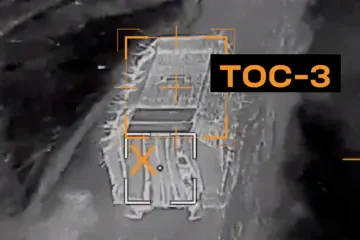
A second attack on October 9 damaged infrastructure at another Yandex facility in Kaluga, while a third strike overnight on October 11 reportedly forced the complete shutdown of a data center in Vladimir.
The CCD analyzed 22,664 messages published by 5,201 accounts displaying signs of inauthentic behavior across 26 topics in Ukraine’s information space. The monitoring was conducted using Osavul software, which identifies suspicious patterns of online activity.
The most significant decline occurred on October 8, when the number of messages dropped from 4,032 to just 660—a decrease of 83.6%.
The number of active accounts simultaneously fell from 1,526 to 258, representing an 83.1% reduction. Telegram experienced the sharpest disruption, with message volume falling by 90%, compared with a 79.5% decline on Facebook.
However, the disruption proved temporary. By October 9, the number of messages had recovered to 2,231, rising further to 4,585 on October 10 and 4,711 on October 11—surpassing the activity recorded before the initial strike.
Following the reported shutdown of the Vladimir data center, another substantial decline was recorded on October 12. Message volume fell by 42.6%, from 4,711 to 2,704, while the number of active accounts dropped by 41%, from 1,976 to 1,166.

The report also examined a separate group of 98 accounts that had circulated content justifying Russian aggression, promoting conspiracy theories, inciting hatred, or encouraging violence.
These accounts published 1,349 messages during the monitoring period, including neutral posts.
Their activity followed a similar pattern. On October 8, their daily message volume plunged by 77.8%, from 198 to 44. Following a temporary recovery, another decline of 49.2% was recorded on October 12.
According to the CCD, the accounts circulated narratives portraying Russia’s invasion as a supposed response to Ukrainian actions, questioning the legitimacy of Ukraine’s government, and blaming Ukrainian authorities for the consequences of Russian strikes.
Other messages promoted claims that Ukraine deliberately prolonged the war for financial gain or that electricity shortages resulted from intentional energy exports rather than Russian attacks on infrastructure.

The researchers also identified repeated or nearly identical messages across multiple accounts, suggesting coordinated information activity.
The CCD noted that the partial damage to the Kaluga facility on October 9 did not coincide with another immediate decline in suspicious online activity, unlike the reported complete shutdowns in Sasovo and Vladimir.
The findings suggest that disruptions to major data centers may temporarily interfere with networks involved in spreading Russian information influence.
In a separate development, Russian presidential envoy Kirill Dmitriev said on October 16 that Moscow and Washington were discussing joint data center infrastructure projects, including proposals to use electricity generated by Russian nuclear power plants.
Discuss this article: