- Category
- War in Ukraine
Ukraine Hits 2,200 Km Deep Into Russia—and Knocks Out Plant Producing 40% of Its LPG
 Prefer U24 Media on Google
- Authors


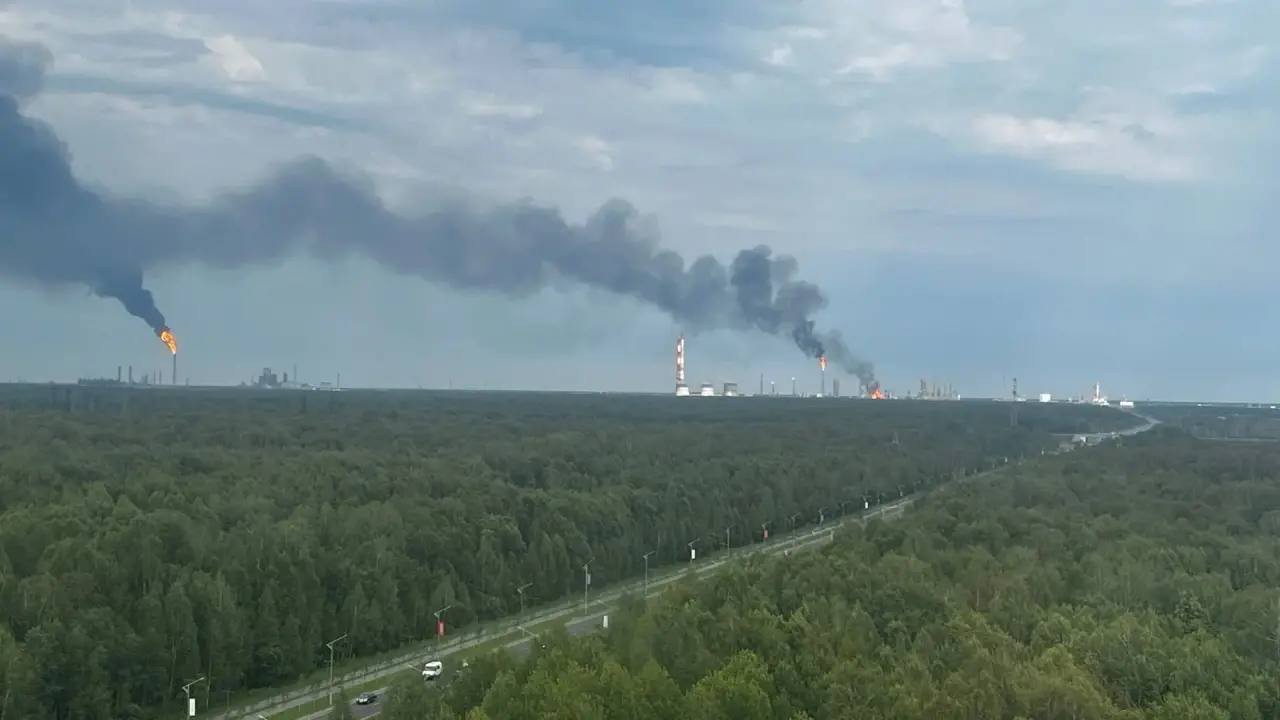
Russia’s largest producer of liquefied petroleum gas has halted operations indefinitely after a Ukrainian drone strike hit the ZapSibNeftekhim petrochemical complex in Tobolsk, more than 2,200 kilometers—roughly 1,370 miles—from the front line, Reuters reported on August 11.
The strike, carried out by Ukrainian Armed Forces on August 10, appears to have disrupted one of the most important links in Russia’s petrochemical production chain.
We bring you stories from the ground. Your support keeps our team in the field.
One industry source said the plant had been shut down indefinitely “while the extent of the damage and its consequences are being assessed.”
The impact was already visible on Russia’s commodity market the following day. No liquefied petroleum gas volumes scheduled for shipment from the Tobolsk loading point were offered on the St. Petersburg International Mercantile Exchange.
Earlier this year, around 4,000 metric tons of technical propane-butane mixture were sold through the Tobolsk loading point every day.
Around 2pm today, Ukrainian Forces successfully targeted the largest petrochemical complex in Russia, the ZapSibNeftekhim facility in the Tyumen Region, approximately 2200 km from Ukraine.
— Jay in Kyiv (@JayinKyiv) August 10, 2026
The central gas fractionation unit (GFU), which converts a liquid mixture of gases into… pic.twitter.com/gAoImbWONz
ZapSibNeftekhim is owned by Russian petrochemical giant Sibur and sits deep inside Russia’s Tyumen region, more than 2,200 kilometers from the line of contact.
That distance makes the attack another demonstration of Ukraine’s rapidly expanding ability to strike major Russian energy and industrial facilities far beyond the battlefield.
According to an OSINT analysis by Ukrainian defense outlet Militarnyi, the drones struck the plant’s Central Gas Fractionation Unit.
The unit is particularly important because it sits at the beginning of the Tobolsk complex’s production chain. It processes broad fractions of light hydrocarbons obtained from associated petroleum gas and gas condensate before the resulting materials move into further petrochemical production.
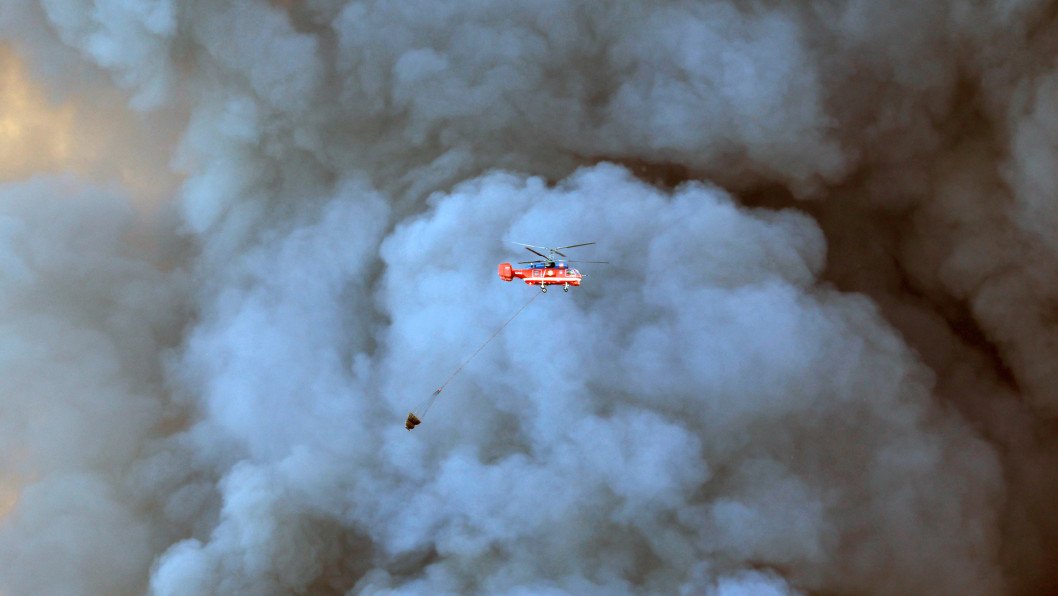
Disrupting that stage can therefore affect operations beyond the individual unit that was physically hit.
ZapSibNeftekhim produces around six million metric tons of LPG per year—roughly 40% of Russia’s total production, making the indefinite shutdown potentially significant for the country’s domestic petrochemical industry.
Around half of the LPG produced at the facility is used directly as feedstock for petrochemical manufacturing at Sibur’s wider Tobolsk complex.
Earlier, the Omsk oil refinery, Russia’s largest, had halted processing after a Ukrainian drone strike.
The plant processed 22 million tons of oil in 2024, or around 440,000 barrels a day, according to source-based figures cited by Reuters. That output included 5 million tons of gasoline and 8 million tons of diesel—volumes now at risk while the two main units stay offline.
Discuss this article:
In a Nutshell


-c439b7bd9030ecf9d5a4287dc361ba31.jpg "Photo of Katherina Popilnichenko")

-72b63a4e0c8c475ad81fe3eed3f63729.jpeg "Photo of Cyril Barabaltchouk")