- Category
- War in Ukraine
How Ukraine Shifted Tactics to Apply “Shock and Technological Pressure” on Russia
 Prefer U24 Media on Google
- Authors

-111f0e5095e02c02446ffed57bfb0ab1.jpeg "Photo of Roman Kohanets")
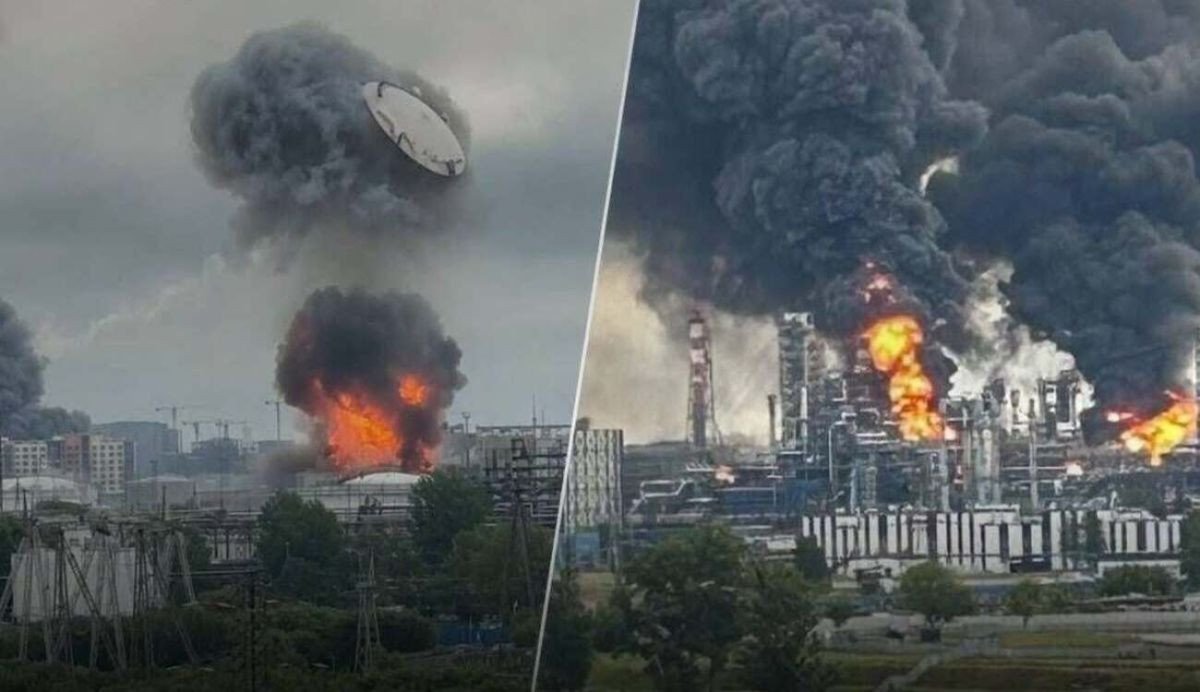
Ukraine has recalibrated its long-range drone campaign against Russia's energy industry, shifting from broad refinery attacks toward precise strikes on hard-to-replace components designed to keep plants offline for longer.
This was reported by the Financial Times on July 29, citing Ukrainian military planners, drone operators, and energy specialists who spoke on the condition of anonymity.
We bring you stories from the ground. Your support keeps our team in the field.
Kyiv's aim is no longer simply to ignite fires or destroy storage tanks, but to prolong outages and make each strike more costly for Moscow, the FT reported. One member of a Ukrainian deep-strike unit described the approach as "targeted and coordinated."
Before missions, drone units receive briefings from energy engineers and industry experts on which components are indispensable to refinery operations and which would take the longest to replace, according to the report.
Units have also begun striking the same critical equipment repeatedly before repairs are complete, preventing facilities from resuming work.
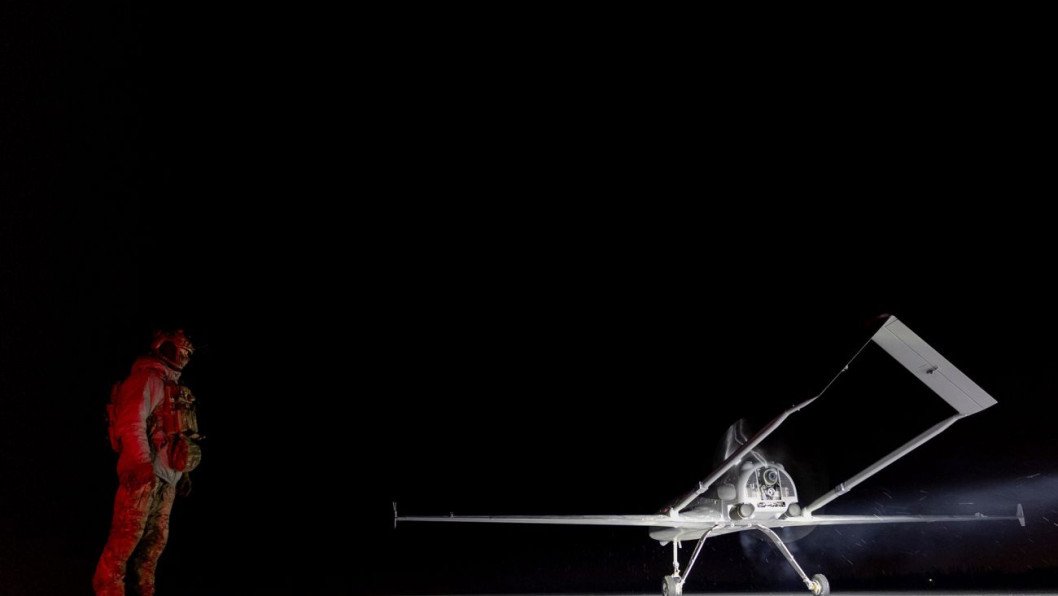
Ukrainian President Volodymyr Zelenskyy instructed Ukraine's newly appointed Commander-in-Chief and acting Defense Minister last weekend to expand the deep-strike campaign.
Yevhenii Khmara, the acting Defense Minister, told the FT he had worked with the new top commander, Mykhailo Drapatyi, on plans to move the war onto the aggressor's territory.
"Ukraine will continue to exert shock and technological pressure on Russia by all means," Khmara stated, adding that Kyiv must scale up what already works.
Robert “Magyar” Brovdi, commander of Ukraine's Unmanned Systems Forces, framed the refinery attacks as part of a wider effort to dismantle the networks sustaining Russia's war.
The objective, as he explained to the outlet, is to eliminate the sources of funding for Putin’s war, specifically the oil trade, and to dismantle the military-industrial complex that supplies the occupying army with weapons.
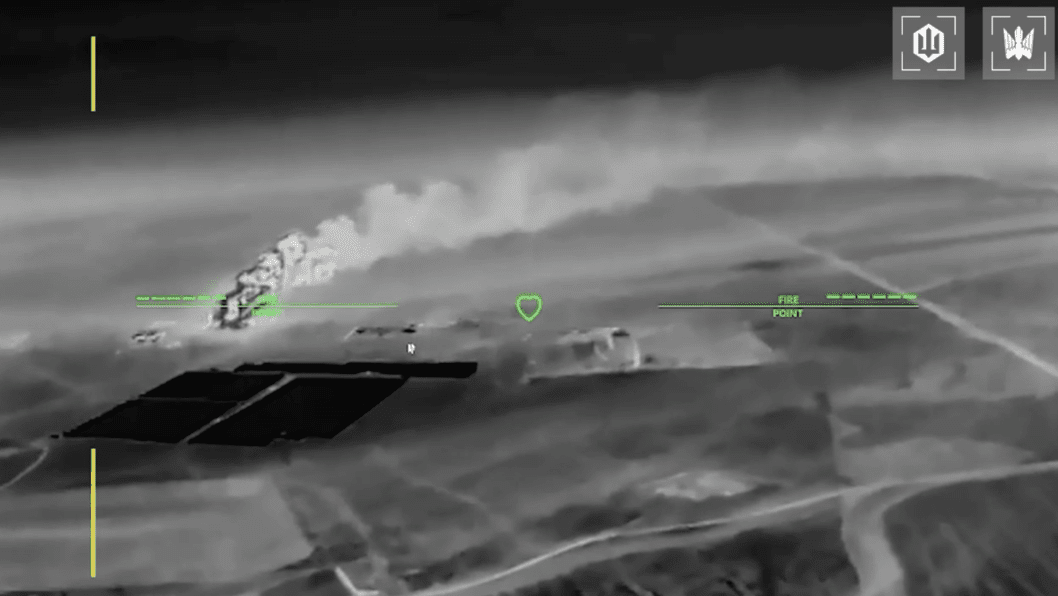
Planners describe the method as "systemic warfare," treating Russia's energy infrastructure as an interconnected network rather than a set of isolated targets. "We think of Russia as a system," noted Andrii Zahorodniuk, a former defense minister who chairs the Kyiv-based Center for Defense Strategies.
Building on that shared technical foundation, planners can map dependencies across refineries, substations, and transmission systems to identify nodes where a small warhead can cause disruption far beyond the blast, the FT reported.
Russia and Ukraine inherited similar Soviet-designed energy systems, giving Ukrainian engineers detailed insight into the industrial processes and vulnerabilities inside Russian facilities. “Sadly, we learn from Russians,” Zahorodniuk remarked, referring to Moscow’s strikes on Ukrainian energy, military, and civilian infrastructure.
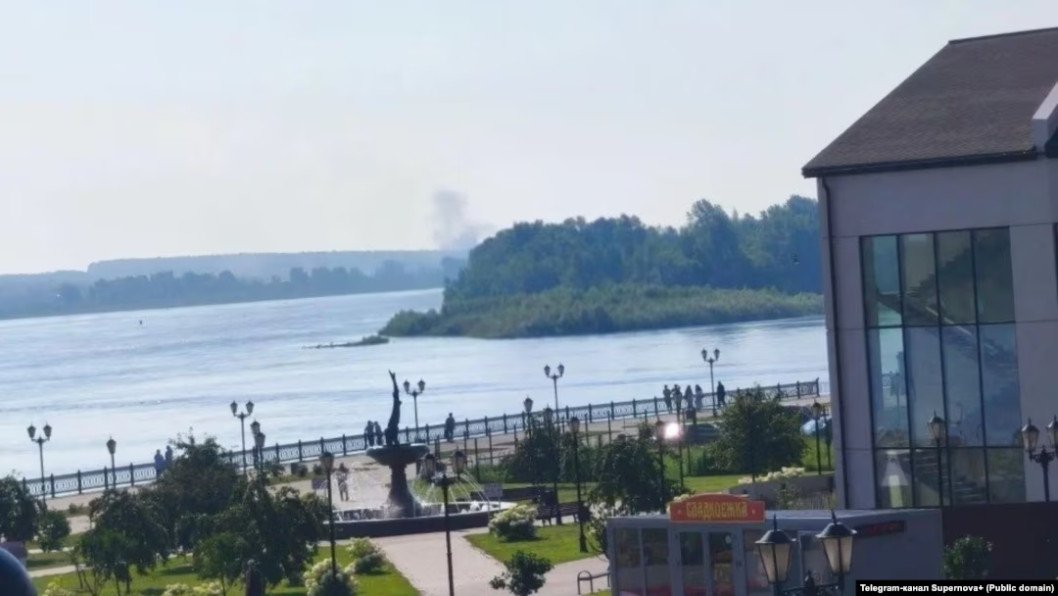
Brovdi signaled no let-up, warning that escalation toward the complete destruction of Russia's fuel, energy, and military-industrial sectors was inevitable. He added that much of European Russia now fell within reach, describing a strike zone that no longer offered Moscow a safe rear area.
Targeting components that cannot easily be replaced turns each successful strike into a lasting subtraction from Russia's refining base rather than a temporary fire.
By June, Russian crude refining had collapsed by about a quarter year-on-year to its lowest level in more than two decades, with roughly a third of national capacity sitting idle.
Foreign sanctions compound the strain by restricting the high-tech parts Russia needs to rebuild damaged units—the same replacement bottleneck Ukrainian planners now aim to exploit.
Fuel rationing has spread across dozens of regions, and Moscow has resorted to importing gasoline from Belarus, Kazakhstan, and India to keep pumps running.
Discuss this article:
-9a7b3a98ed5c506e0b77a6663f5727c5.png)

-c439b7bd9030ecf9d5a4287dc361ba31.jpg "Photo of Katherina Popilnichenko")



-29a1a43aba23f9bb779a1ac8b98d2121.jpeg "Photo of Illia Kabachynskyi")