- Category
- War in Ukraine
Ukraine’s Drone Campaign Disrupts Two Key Russian Azov Sea Ports
 Prefer U24 Media on Google
- Authors


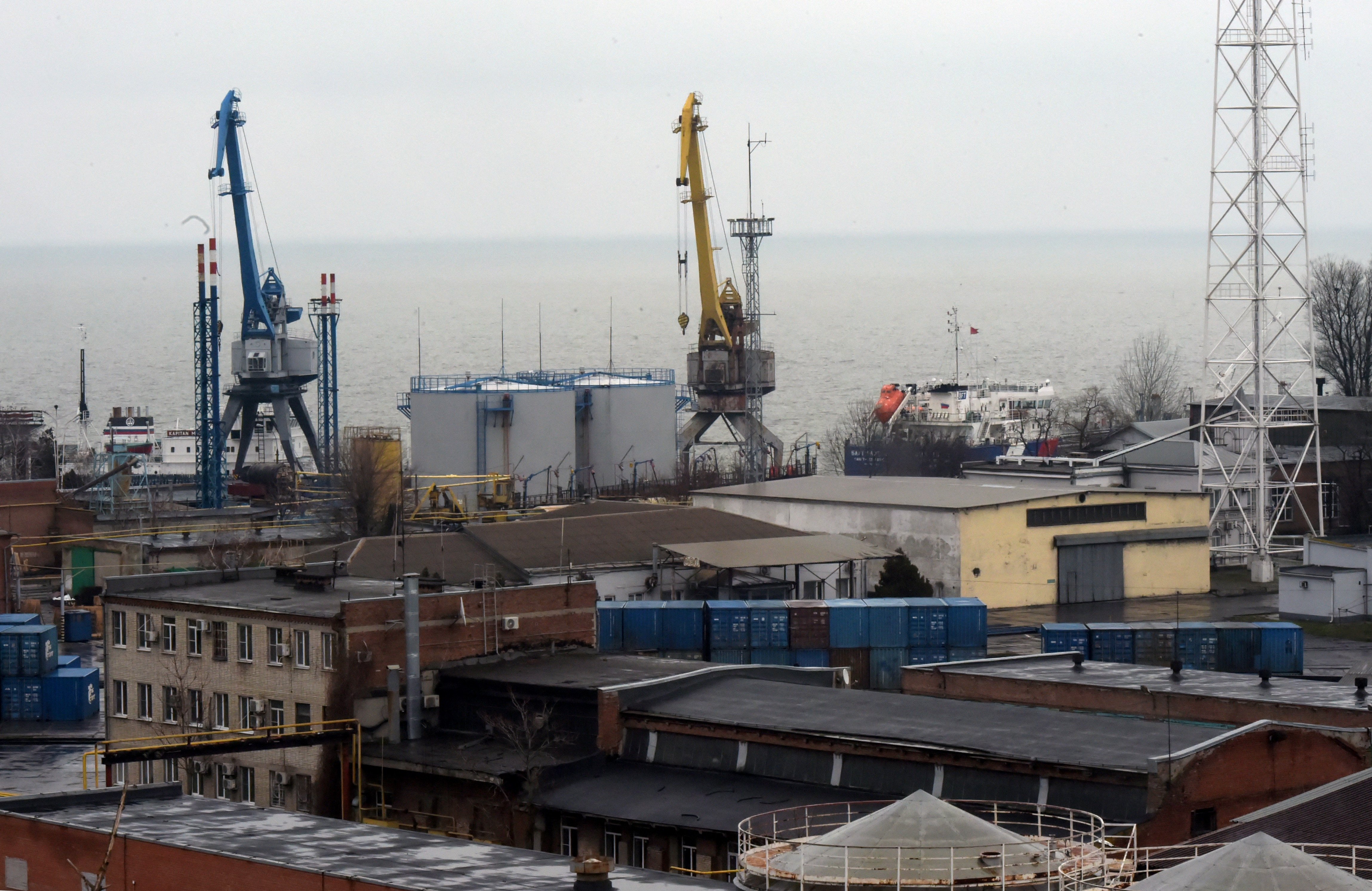
A Ukrainian drone attack on Russia’s Rostov region has disrupted rail freight operations serving the ports of Azov and Taganrog, adding to ongoing pressure on Russia’s export logistics in the Azov Sea.
We bring you stories from the ground. Your support keeps our team in the field.
According to The Moscow Times on July 27, Russian Railways (RZD) introduced temporary restrictions on cargo shipments to the Azov and Taganrog railway stations following an overnight drone attack on Rostov-on-Don. The restrictions are expected to remain in place until August 4.
The attack reportedly damaged a residential building in Rostov-on-Don, prompting local authorities to declare a state of emergency. The Moscow Times noted that the rail limitations affect two ports that together handle approximately 13 million metric tons of cargo annually.
-0f499cd61ca7a4ba5584ff4b3b9b29b7.png)
The new restrictions follow earlier measures introduced by Russia’s Ministry of Transport, which last week prohibited vessels from anchoring near the Port of Azov, one of the country’s key export hubs for grain, coal, and petroleum products. According to The Moscow Times, those measures did not initially apply to the Port of Taganrog.
The Moscow Times also reported that Russian authorities previously informed shipping companies they had suspended accepting applications for passage through the Kerch Strait after repeated drone attacks targeting vessels operating in the Azov Sea.
Industry sources cited by the Russian outlet Gorod N said the restrictions effectively halted grain exports via the Don River. During the previous agricultural season, approximately 14.7 million metric tons of grain and processed grain products were exported through that route, accounting for about 27% of Russia’s total grain exports.
The disruption is expected to affect Russia’s grain shipments. According to The Moscow Times, citing analysts at SovEcon, July grain exports could decline by around one-third compared with the same month last year.
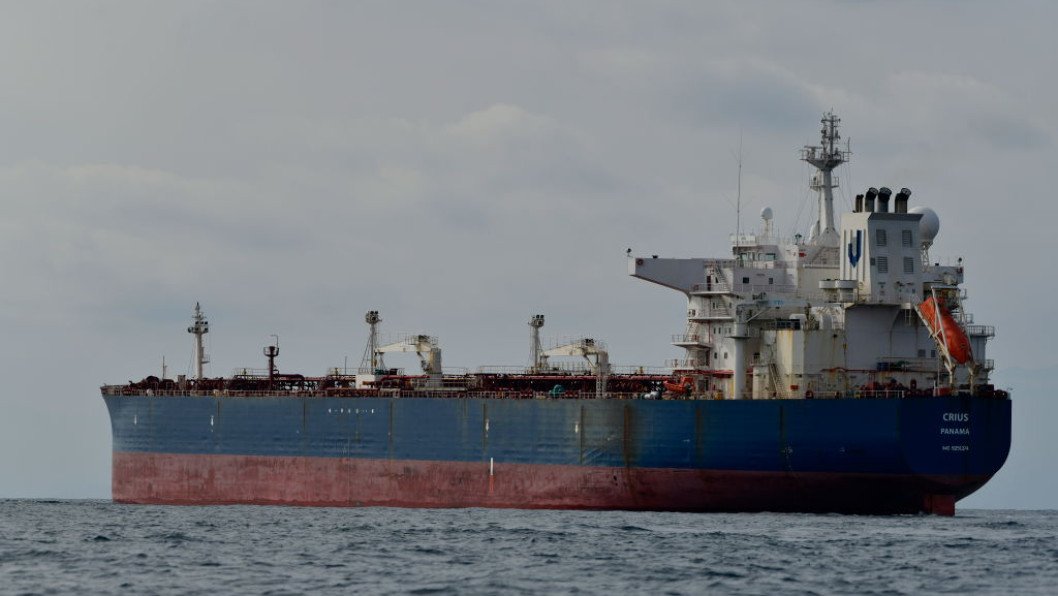
SovEcon estimates exports may fall by roughly 600,000 metric tons to approximately 2.1 million metric tons, the lowest July volume since 2017 and well below the five-year July average of 3.1 million metric tons.
The Moscow Times also cited Stéphane Audrand, a research fellow at the French Institute of International Relations (IFRI), who said Russia currently lacks naval air defense capabilities comparable to Western destroyers after losses suffered by the Black Sea Fleet earlier in the war.
“One can reinforce the self-defense capabilities of merchant ships, but it is expensive and requires time and resources that Russia lacks,” Audrand said, according to The Moscow Times.
Earlier, Bloomberg reported that Ukraine’s expanding drone campaign had forced Russia’s largest Black Sea oil terminal at Novorossiysk to suspend tanker loading, while authorities also warned that navigation in parts of the Black Sea had become unsafe due to the threat of Ukrainian air and naval drones.
Discuss this article:
-9a7b3a98ed5c506e0b77a6663f5727c5.png)